
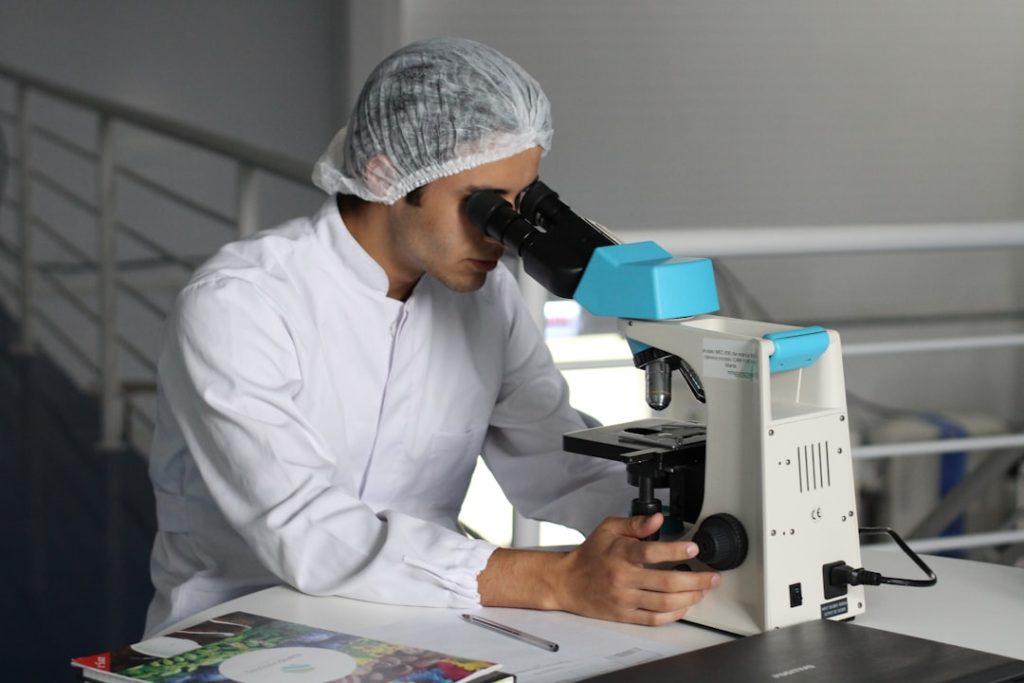
The landscape of medical science is a dynamic one, continuously reshaped by the pursuit of enhanced understanding and more effective interventions. Recent undertakings across various disciplines have yielded results indicating potential advancements in several key areas. This article will explore a selection of these developments, outlining their mechanisms, current status, and potential implications for patient care. It is important to approach these findings with appropriate scientific caution, recognizing that early-stage research, while indicative, requires further validation through rigorous clinical trials before widespread application.
Gene editing has progressed considerably from its nascent stages, with CRISPR-Cas9 remaining a prominent tool. However, newer iterations and alternative systems are expanding its capabilities and refining its specificity. This area of research focuses on altering an organism’s DNA, often with the goal of correcting genetic abnormalities that underpin disease.
Enhancements in CRISPR-Cas9 Delivery

A primary challenge in gene editing therapies lies in the efficient and safe delivery of the editing machinery to target cells. Recent research has explored novel viral and non-viral vectors.
- Adeno-Associated Viruses (AAVs): While AAVs are established vectors, efforts are underway to engineer them for increased tissue specificity and reduced immunogenicity. This involves capsid modifications to direct vectors to specific cell types, thereby minimizing off-target effects and systemic exposure.
- Lipid Nanoparticles (LNPs): LNPs, already successfully employed in mRNA vaccines, are gaining traction as delivery systems for CRISPR components. Their ability to encapsulate nucleic acids and deliver them intracellularly without viral integration presents a compelling alternative, particularly for transient gene alterations or ex vivo applications.
Base Editing and Prime Editing
Beyond traditional CRISPR, which typically introduces double-strand breaks, base editing and prime editing offer more precise alterations with potentially fewer off-target risks.
- Base Editors: These systems directly convert one DNA base pair to another (e.g., A to G or C to T) without creating a double-strand break. This mechanism reduces the likelihood of larger insertions or deletions (indels), which can be an unpredictable consequence of CRISPR-Cas9.
- Prime Editors: Prime editing utilizes a reverse transcriptase to directly write new genetic information into a specified target site. This allows for all 12 possible point mutations, as well as small insertions and deletions, expanding the range of correctable mutations beyond what is achievable with base editors. The metaphor here is akin to a finely tuned word processor that can alter individual letters or sentences at specific locations without needing to retype the entire document.
Therapeutic Applications in Monogenic Disorders

The initial focus for gene editing has been monogenic disorders, conditions caused by a single gene mutation.
- Sickle Cell Disease and Beta-Thalassemia: Clinical trials for both ex vivo and in vivo gene editing approaches are underway for these debilitating blood disorders. Ex vivo strategies involve harvesting hematopoietic stem cells, editing them outside the body, and then reinfusing them. In vivo approaches aim to deliver the editing machinery directly to the bone marrow.
- Cystic Fibrosis: Gene editing strategies are being investigated to correct the faulty CFTR gene, particularly in lung epithelial cells. This presents delivery challenges due to the dense mucilage and cellular environment of the lungs.
Immunotherapy: Harnessing the Body’s Defenses
Immunotherapy, particularly in oncology, has revolutionized cancer treatment by leveraging the patient’s own immune system to combat disease. Ongoing research seeks to broaden its efficacy and overcome resistance mechanisms.
CAR T-Cell Therapy Expansion
Chimeric Antigen Receptor (CAR) T-cell therapy has demonstrated remarkable success in certain hematological malignancies. Expansion into solid tumors, however, presents unique obstacles.
- Targeting Solid Tumors: Solid tumors often have a heterogeneous expression of target antigens, making it difficult for CAR T-cells to effectively eliminate all cancer cells. The tumor microenvironment also poses a significant barrier, characterized by immunosuppressive cells and physical density that restricts T-cell infiltration.
- “Armored” CAR T-Cells: Researchers are developing “armored” CAR T-cells designed to overcome the hostile tumor microenvironment. These modified T-cells can secrete cytokines that enhance their anti-tumor activity or express receptors that counteract immunosuppressive signals. One can think of this as equipping a soldier with specialized armor and weapons to navigate a difficult battlefield.
Checkpoint Inhibitors in Combination Therapies
Immune checkpoint inhibitors, which block proteins that prevent immune cells from attacking cancer, have become a cornerstone of cancer therapy. Their utility is being further explored in combination with other modalities.
- Chemotherapy and Radiotherapy Synergies: Combining checkpoint inhibitors with conventional treatments like chemotherapy or radiotherapy is showing promise. Chemotherapy and radiotherapy can induce immunogenic cell death, releasing tumor antigens that can prime the immune system for a more robust response, which is then amplified by checkpoint inhibition.
- Targeted Therapy Combinations: Integrating checkpoint inhibitors with targeted therapies (drugs that interfere with specific molecules involved in cancer growth) aims to exploit different vulnerabilities of cancer cells. This multifaceted attack can prevent resistance development and enhance overall therapeutic benefit.
Therapeutic Cancer Vaccines
While prophylactic vaccines prevent disease, therapeutic cancer vaccines aim to treat existing cancer by stimulating an anti-tumor immune response.
- Personalized Neoantigen Vaccines: These vaccines are custom-designed for individual patients, targeting neoantigens – unique mutations present only on cancer cells. By analyzing a patient’s tumor, specific neoantigens are identified, and a vaccine is formulated to prime the immune system against these specific targets. This is like creating a “most wanted” poster specifically tailored to the unique identifying features of an individual criminal.
- mRNA Vaccine Platforms: The success of mRNA technology in infectious disease vaccines has spurred its application in therapeutic cancer vaccines. mRNA vaccines can rapidly and efficiently deliver genetic instructions to immune cells, leading to the production of tumor-associated antigens and the subsequent activation of anti-tumor T cells.
Neurodegenerative Disease Research: Unraveling Complexity
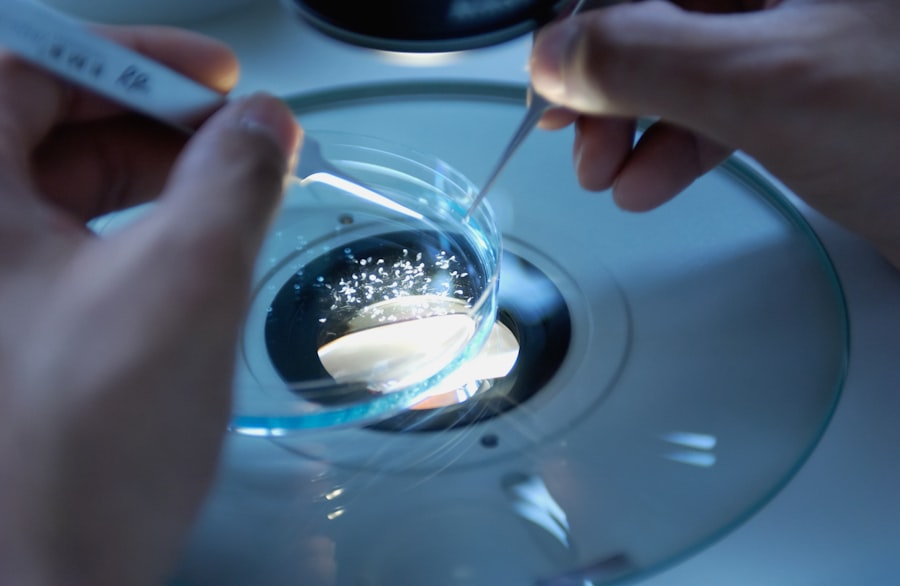
Neurodegenerative diseases, such as Alzheimer’s and Parkinson’s, are characterized by progressive loss of neuronal function. Research in this area is particularly challenging due to the complexity of the brain and the late onset of symptoms.
Targeting Amyloid and Tau in Alzheimer’s Disease
Amyloid plaques and tau tangles are hallmarks of Alzheimer’s disease. Multiple therapeutic strategies are in development to address these pathological proteins.
- Monoclonal Antibodies against Amyloid-Beta: Several monoclonal antibodies designed to clear amyloid-beta plaques from the brain have shown varying degrees of efficacy. While some have demonstrated amyloid reduction, the clinical benefit in terms of cognitive improvement has been more modest and remains a subject of ongoing investigation.
- Tau-Targeted Therapies: Research into tau-targeted therapies, including antibodies and small molecules designed to prevent tau aggregation or promote its clearance, is progressing. There is a growing understanding that tau pathology correlates more closely with cognitive decline than amyloid, making it a critical therapeutic target.
Alpha-Synuclein in Parkinson’s Disease
Alpha-synuclein aggregation is a key pathological feature of Parkinson’s disease. Efforts are focused on preventing its accumulation and spread.
- Immunotherapies for Alpha-Synuclein: Similar to Alzheimer’s, immunotherapeutic approaches using monoclonal antibodies to target aggregated alpha-synuclein are being investigated. The goal is to facilitate its clearance from the brain and slow disease progression.
- Small Molecule Inhibitors: Various small molecules are under investigation for their ability to inhibit alpha-synuclein aggregation or promote its degradation. This approach seeks to interfere with the molecular machinery responsible for its pathological assembly.
Neuroinflammation Modulation
Inflammation in the brain (neuroinflammation) plays a significant role in the progression of many neurodegenerative diseases.
- Microglial Modulation: Microglia, the resident immune cells of the brain, can be both protective and detrimental. Research is exploring ways to modulate microglial activation to reduce detrimental inflammatory responses while preserving their beneficial functions, such as clearing cellular debris.
- Cytokine Targeting: Specific pro-inflammatory cytokines are being targeted with antibodies or small molecule inhibitors to dampen overall neuroinflammatory processes. This is a delicate balance, as some inflammatory responses are necessary for brain health.
Microbiome-Based Therapies: A New Frontier
The human microbiome, particularly the gut microbiota, is increasingly recognized as a crucial modulator of health and disease. Therapeutic interventions targeting the microbiome are emerging across diverse conditions.
Fecal Microbiota Transplantation (FMT) Refinements
FMT has proven highly effective for recurrent Clostridium difficile infection (CDI). Efforts are now focused on refining its application and expanding its therapeutic scope.
- Standardization and Donor Screening: Greater emphasis is being placed on standardizing donor screening protocols and material preparation to ensure safety and consistent efficacy. The goal is to move beyond disparate practices towards a more uniformly regulated therapeutic product.
- Encapsulated Formulations: The development of orally administered encapsulated FMT products aims to improve patient convenience and reduce procedural discomfort associated with colonoscopic or nasogastric tube delivery. The metaphor here is transforming a complex biological sample into a patient-friendly pill.
- **Beyond C. difficile:** Researchers are exploring FMT for other conditions, including inflammatory bowel disease (IBD), metabolic syndrome, and even neurological disorders, based on the gut-brain axis hypothesis. These applications are primarily in early-stage trials.
Precision Microbiome Engineering
Moving beyond the broad transfer of an entire microbial community, precision microbiome engineering aims to introduce specific microbial species or consortia.
- Defined Microbial Consortia: Instead of using complex fecal samples, researchers are developing “designer” microbial communities composed of specific, beneficial bacterial strains. This approach enables greater control over the therapeutic agent and allows for targeted manipulation of host biology.
- Phage Therapy for Dysbiosis: Bacteriophages, viruses that specifically infect bacteria, are being investigated as tools to selectively eliminate undesirable bacterial species or modulate microbial populations in cases of dysbiosis (an imbalance in the microbiome). This represents a highly targeted approach to reshaping microbial communities.
Metabolite-Based Therapies
The metabolic products of gut microbes can exert profound effects on host physiology. Therapeutic strategies are beginning to focus on these microbial metabolites.
- Short-Chain Fatty Acids (SCFAs): SCFAs, particularly butyrate, acetate, and propionate, are produced by gut bacteria and have beneficial effects on gut barrier function, immune regulation, and metabolism. Supplementation with SCFAs or interventions that promote their production are being explored for conditions like IBD and metabolic disorders.
- Tryptophan Metabolites: The gut microbiota influences tryptophan metabolism, leading to the production of various metabolites that can impact brain function, inflammation, and immune responses. Research is investigating how to modulate these pathways for therapeutic benefit.
Regenerative Medicine: Restoring Function
| Metric | Description | Value | Unit | Year |
|---|---|---|---|---|
| Number of Clinical Trials | Total registered clinical trials worldwide | 350,000 | trials | 2023 |
| Average Time to Drug Approval | Time from clinical trial start to regulatory approval | 8 | years | 2023 |
| Research Funding | Global investment in medical research | 45 | billion USD | 2023 |
| Number of Published Papers | Medical research articles published annually | 1,200,000 | papers | 2023 |
| Clinical Trial Success Rate | Percentage of trials leading to drug approval | 12 | % | 2023 |
| Average Cost per Clinical Trial | Estimated average cost to conduct a clinical trial | 41 | million | 2023 |
Regenerative medicine aims to repair, replace, or regenerate damaged tissues and organs. Advances in stem cell biology, tissue engineering, and materials science are driving this field forward.
Induced Pluripotent Stem Cells (iPSCs)
iPSCs, which can be reprogrammed from adult somatic cells and then differentiated into various cell types, offer a patient-specific source for regenerative therapies.
- Disease Modeling: iPSCs derived from patients with specific diseases provide a powerful platform for studying disease mechanisms in a patient-specific context and for screening potential therapeutic compounds. This is like creating a miniature, personalized human model for research.
- Cell Replacement Therapies: Efforts are underway to differentiate iPSCs into specific cell types (e.g., neurons, cardiomyocytes, pancreatic beta cells) for transplantation to replace damaged or lost cells in conditions like Parkinson’s disease, heart failure, and diabetes. Challenges include ensuring engraftment, function, and avoiding tumorigenesis.
Organoids: 3D Tissue Constructs
Organoids are miniature, self-organizing 3D tissue cultures derived from stem cells that mimic the structure and function of actual organs.
- Drug Testing and Disease Modeling: Organoids provide a more physiologically relevant model than 2D cell cultures for drug screening, toxicology studies, and understanding disease pathogenesis. They can partially recapitulate complex tissue interactions.
- Personalized Medicine: Organoids derived from individual patients can be used to test drug efficacy and identify personalized therapeutic strategies, moving closer to truly individualized treatment regimens.
Bioengineered Tissues and Organs
Beyond cell replacement, tissue engineering aims to create functional tissues and even whole organs outside the body.
- Scaffold-Based Approaches: Using biocompatible scaffolds, researchers can seed cells and guide their growth into desired tissue structures. These scaffolds provide the necessary architectural support and cues for tissue development.
- 3D Bioprinting: Additive manufacturing techniques, commonly known as 3D bioprinting, enable the precise deposition of cells and biomaterials to construct complex multi-cellular tissues and organ structures layer by layer. This represents a significant leap towards creating functional, patient-specific tissues and potentially organs for transplantation.
These research avenues illustrate the multifaceted nature of medical progress. While individual breakthroughs capture attention, the enduring impact arises from the systematic, rigorous accumulation of knowledge and its translation into tangible improvements in human health. The path from promising laboratory results to widespread clinical application is often extensive, requiring careful validation and ethical consideration. Readers should understand that this article highlights areas of active investigation, and further research is invariably required to fully realize the potential of these scientific endeavors.
