
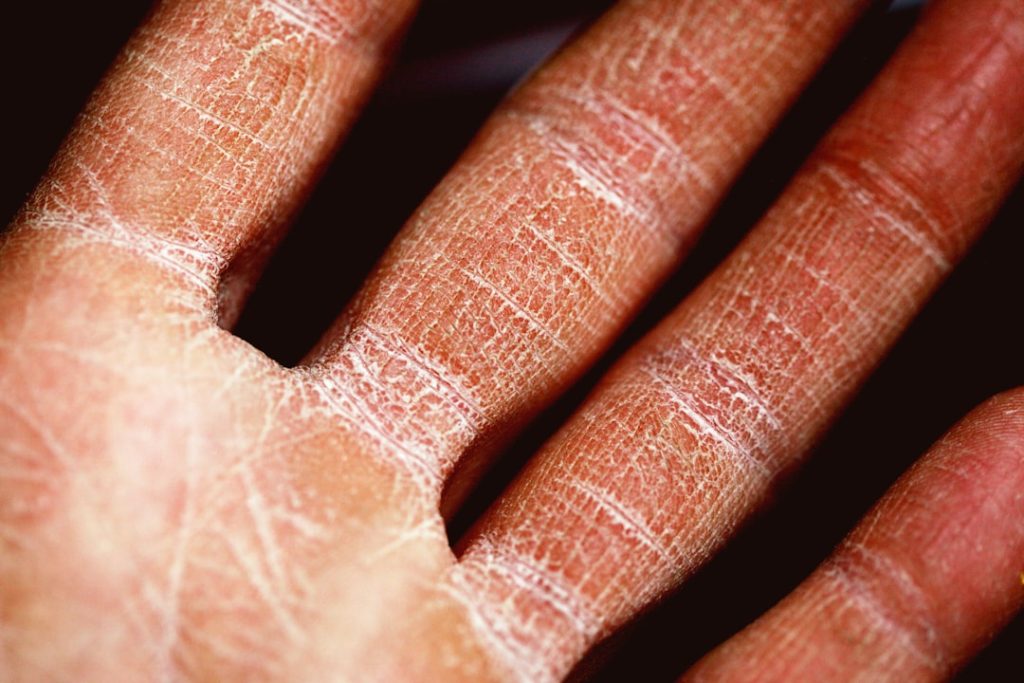
Eczema, a chronic inflammatory skin condition, affects millions globally. Its multifactorial etiology and heterogeneous presentation necessitate continuous research into its pathogenesis, diagnosis, and treatment. For individuals experiencing eczema, understanding local research opportunities can be a pathway toward accessing advanced therapies and contributing to scientific progress. This article aims to guide you through the process of identifying and understanding eczema studies in your vicinity, offering a practical framework for engagement.
Clinical trials are research studies conducted with human participants to evaluate new interventions or existing ones. These interventions can include new medications, medical devices, surgical procedures, or behavioral therapies. For eczema, studies often investigate novel topical treatments, systemic immunomodulators, phototherapy regimens, or dietary modifications. Understanding the different phases of clinical trials is crucial for interpreting their objectives and potential implications.
Phases of Clinical Trials
- Phase 0: These are exploratory studies involving a small number of participants, often used to determine if a drug behaves as expected in humans. They are not designed to assess safety or efficacy.
- Phase I: Focuses on safety and dosage. A small group of healthy volunteers or patients receive the experimental treatment to determine safe dosages and identify potential side effects.
- **Phase II: Evaluates effectiveness and further assesses safety. A larger group of patients with the condition receives the treatment to see if it works and to further monitor for adverse effects.
- Phase III: Compares the new treatment to existing standard treatments. Large-scale studies involving hundreds or thousands of patients are conducted to confirm effectiveness, monitor side effects, compare to common treatments, and collect information that will allow the new treatment to be used safely.
- Phase IV: Post-marketing studies. After a drug is approved and marketed, ongoing studies continue to monitor its long-term effects, optimal use, and safety in various populations.

These phases act as a rigorous vetting process, ensuring that treatments are both safe and effective before they become widely available. Participating in a study, therefore, means contributing to this scientific progression.
Types of Eczema Studies
Beyond drug trials, eczema research encompasses a broad spectrum of investigations. These may include observational studies, which track the natural course of eczema or the impact of environmental factors without intervention. Genetic studies seek to identify specific genes or genetic markers that predispose individuals to eczema or influence their response to treatment. Epidemiological studies examine patterns of eczema prevalence and incidence within populations. Immunological studies delve into the intricate immune system dysregulation that underpins eczema. Each type of study contributes a different piece to the complex puzzle of eczema, much like different tools are needed to assemble a comprehensive structure.
Identifying Local Research Institutions

Locating eczema studies often begins with identifying institutions that conduct such research. These institutions typically possess the infrastructure and expertise required for rigorous scientific investigation.
Academic Medical Centers
University-affiliated hospitals and medical schools are frequently at the forefront of medical research. They often
have dedicated dermatology departments or allergy/immunology divisions with active research programs focused on eczema. These centers usually have robust research ethics boards and established protocols for patient safety and data integrity.
- Dermatology Departments: These departments are often the primary hubs for eczema research due to their specialized focus on skin conditions.
- Allergy & Immunology Departments: Given the immunological underpinnings of eczema, these departments also frequently conduct relevant studies, particularly concerning allergic triggers and immune responses.
Specialized Research Centers
Some regions may have independent research institutes or dedicated centers specifically focused on skin diseases or inflammatory conditions. These centers, while not always directly affiliated with a university, often collaborate with academic institutions and contribute significantly to the research landscape. Their focus can be narrower, allowing for deep dives into specific aspects of eczema, such as barrier function or microbiome interactions.
Private Practice and Community-Based Research
Clinical research is not exclusively confined to large academic centers. Some private dermatology practices or medical groups participate in clinical trials, particularly for later-phase studies. These settings can offer a more localized and potentially more accessible option for individuals in certain communities. They often collaborate with pharmaceutical companies or contract research organizations (CROs) to conduct studies.
Searching for Eczema Studies

Once you have identified potential institutions, the next step involves actively searching for specific studies. This process can be compared to navigating a library; knowing where to look is half the battle.
Online Databases
Several national and international online databases serve as central repositories for information on clinical trials. These resources are invaluable for identifying ongoing studies.
- ClinicalTrials.gov: This is a comprehensive database maintained by the U.S. National Library of Medicine. It lists publicly and privately funded clinical studies conducted around the world. You can search by condition (e.g., “eczema,” “atopic dermatitis”), location (e.g., “your city, state”), and other parameters. Each listing provides details about the study’s purpose, eligibility criteria, locations, and contact information.
- World Health Organization (WHO) International Clinical Trials Registry Platform (ICTRP): This platform provides a centralized access point to information about clinical trials registered around the world. It pulls data from various national and regional registries.
- EudraCT (European Union Drug Regulating Authorities Clinical Trials Database): For individuals in Europe, EudraCT contains information on clinical trials conducted in the European Union.
When using these databases, attention to detail is paramount. Check the “Eligibility Criteria” section carefully to determine if you meet the inclusion and exclusion requirements. These criteria are designed to ensure participant safety and the scientific validity of the study.
Institutional Websites
Many academic medical centers and specialized research institutions maintain dedicated “Research” or “Clinical Trials” sections on their websites. These pages often list studies actively recruiting participants, and provide direct contact information for research coordinators. This can be a more direct route if you have already identified a specific institution of interest.
Referring Physicians
Your dermatologist or primary care physician can be a valuable resource. They may be aware of ongoing studies in your area or have colleagues who are investigators. Physicians often receive information about recruitment opportunities from pharmaceutical companies or research organizations. A referral from your physician can also streamline the initial contact process with a research team.
Patient Advocacy Groups
Organizations dedicated to supporting individuals with eczema often maintain lists of ongoing research studies or can point you to resources for finding them. These groups can also provide peer support and information about the patient experience in clinical trials. They serve as a bridge between researchers and the patient community.
Considerations Before Participation

Before committing to a research study, it is imperative to thoroughly understand what participation entails. This is a significant decision and should be made with full awareness.
Benefits of Participation
- Access to Novel Treatments: Participants may gain early access to treatments that are not yet widely available, some of which may prove more effective than existing therapies. This can be a significant advantage, especially for individuals with refractory eczema.
- Contributing to Medical Science: Your participation helps advance medical knowledge and can lead to improved treatments for future patients with eczema. This altruistic aspect is a driving force for many participants.
- Close Medical Monitoring: Clinical trial participants often receive more frequent and thorough medical evaluations than in routine clinical care. This extensive monitoring can lead to a deeper understanding of your condition.
- Financial Compensation: Some studies offer compensation for time, travel, and other expenses related to participation. However, this should not be the primary motivation for involvement.
Risks and Burdens of Participation
- Potential Side Effects: Experimental treatments may have unforeseen side effects or may not be effective. While researchers take precautions, the unknown element is inherent in research.
- Time Commitment: Participating in a study often requires numerous visits to the research site, which can be time-consuming and may disrupt daily routines.
- Placebo Effect: In some studies, participants may receive a placebo (an inactive substance) instead of the active treatment. This is crucial for determining the true efficacy of the intervention but means you might not receive the active drug.
- Inconvenience: Study protocols can be rigorous and may involve specific dietary restrictions, frequent blood draws, skin biopsies, or detailed diary entries, adding to the burden.
- Loss of Privacy: While data is typically anonymized, some level of personal health information is shared with the research team. Informed consent outlines how this data will be protected.
Informed Consent
Informed consent is a cornerstone of ethical clinical research. Before you can participate in any study, you will be provided with a detailed document that explains the study’s purpose, procedures, potential risks and benefits, your rights as a participant, and contact information for questions. You will have ample opportunity to ask questions and take time to consider your decision. It is crucial to read this document carefully, ask questions until you understand everything, and ensure you feel comfortable with your decision. Your signature on the informed consent form signifies your voluntary agreement to participate.
Engaging with Research Teams
| Study Title | Location | Study Type | Participant Age Range | Enrollment Status | Contact Information |
|---|---|---|---|---|---|
| Effectiveness of New Topical Treatment for Eczema | New York, NY | Randomized Controlled Trial | 18-65 years | Recruiting | eczema.study@nyclinic.org |
| Long-term Outcomes of Pediatric Eczema | Chicago, IL | Observational Study | 0-17 years | Active, not recruiting | pediatric.eczema@chimed.edu |
| Impact of Diet on Eczema Severity | Los Angeles, CA | Interventional Study | 12-50 years | Recruiting | dieteczema@healthla.org |
| Genetic Factors in Eczema Development | Boston, MA | Genetic Study | All ages | Recruiting | geneczema@bostonresearch.edu |
| Stress Management and Eczema Flare-ups | Seattle, WA | Behavioral Study | 18-60 years | Completed | stress.eczema@uw.edu |
Once you have identified a study of interest, engaging with the research team is the next logical step. This initial contact is an opportunity to gather more information and assess suitability.
Initial Contact and Screening
Typically, you would contact the research coordinator listed in the study description. They will usually conduct a preliminary screening over the phone or via a secure online questionnaire to determine if you meet the basic eligibility criteria. This initial screening helps to streamline the process, ensuring that on-site visits are productive. Be prepared to discuss your medical history, current medications, and eczema symptoms.
Pre-screening and On-site Visits
If you pass the initial phone screening, you may be invited for an on-site visit. This visit allows the research team to conduct a more thorough assessment of your health and eczema severity. This might involve a physical examination, blood tests, and detailed questionnaires. During this visit, you will also receive the informed consent document and have another opportunity to discuss the study in detail with the research staff and, if applicable, the principal investigator.
Asking Pertinent Questions
When speaking with the research team, do not hesitate to ask questions. Consider this dialogue a two-way street; you are not just being evaluated, but you are also evaluating the study and the research environment. Some key questions you might ask include:
- What are the specific objectives of this study?
- What experimental treatment or intervention will be used? How does it differ from my current treatment?
- What are the known or potential side effects of the intervention?
- How long will the study last, and what is the required time commitment for visits and procedures?
- Will I receive compensation for my time and travel?
- What are the costs associated with participation (if any)?
- Will I continue to receive my standard eczema treatment during the study, or will I need to discontinue it?
- What happens if I decide to withdraw from the study?
- Who can I contact if I have questions or concerns during the study?
- What are the possible long-term implications of participating?
A clear understanding of these aspects ensures that you are making an informed decision about your involvement.
Contributing to the Future of Eczema Treatment
Participating in eczema studies is more than just seeking a potential new treatment; it is an active contribution to the collective endeavor of scientific discovery. Each participant, like a single thread in a larger tapestry, adds to the rich fabric of medical knowledge. Your involvement can help researchers understand the disease better, identify new therapeutic targets, and ultimately improve the lives of individuals living with eczema. By actively exploring and engaging with local research opportunities, you become an integral part of this scientific journey, an echo in the greater symphony of medical progress. Choosing to participate is a personal decision, but for many, it is a meaningful way to turn personal experience into public benefit, transforming the immediate challenges of eczema into catalysts for broader scientific advancement.
