

The Moderna clinical trial represents a pivotal moment in the landscape of vaccine development, particularly in the context of the COVID-19 pandemic. Initiated in March 2020, this trial was part of a broader effort to combat the unprecedented global health crisis caused by the SARS-CoV-2 virus. Moderna, a biotechnology company based in Cambridge, Massachusetts, leveraged its expertise in messenger RNA (mRNA) technology to create a vaccine that could be rapidly developed and deployed.
The urgency of the situation necessitated an accelerated timeline for clinical trials, which typically span several years. However, the innovative approach taken by Moderna allowed for a streamlined process that still adhered to rigorous safety and efficacy standards. The trial itself was designed to evaluate the safety and immunogenicity of the mRNA-1273 vaccine candidate.

This candidate was engineered to instruct human cells to produce a harmless piece of the spike protein found on the surface of the coronavirus, thereby eliciting an immune response. The clinical trial was conducted in multiple phases, with Phase 1 focusing on safety and dosage, followed by Phase 2, which assessed immune response and further safety data. Finally, Phase 3 involved thousands of participants to determine the vaccine’s efficacy in preventing COVID-19 infection.
The results from these trials would not only inform regulatory decisions but also set a precedent for future vaccine development.
Key Takeaways
- Moderna’s clinical trial marked a significant milestone in mRNA vaccine development.
- mRNA technology enables rapid and effective vaccine creation.
- Clinical trials are crucial for ensuring vaccine safety and efficacy.
- Moderna’s success paves the way for future innovative vaccine solutions.
- Ongoing challenges include addressing mRNA vaccine limitations and improving research methods.

The Development of mRNA Vaccines
The concept of mRNA vaccines is rooted in decades of research into genetic material and its role in protein synthesis. Unlike traditional vaccines that often use weakened or inactivated forms of a virus, mRNA vaccines utilize synthetic strands of messenger RNA to instruct cells to produce specific proteins that mimic those found on pathogens. This innovative approach allows for a rapid response to emerging infectious diseases, as seen with the COVID-19 pandemic.
The development of mRNA vaccines began gaining traction in the early 2000s, with researchers exploring their potential for various diseases, including cancer and infectious diseases. Moderna’s mRNA technology is built on a platform that enables quick modifications to the mRNA sequence, allowing for swift adaptation to new viral strains. This adaptability is crucial in a world where viruses can mutate rapidly.
The design of mRNA vaccines involves encapsulating the mRNA in lipid nanoparticles, which facilitate its delivery into human cells. Once inside, the cells utilize their own machinery to translate the mRNA into proteins, triggering an immune response that prepares the body to fight off actual infections. This method not only enhances the speed of vaccine development but also has implications for scalability and distribution.
Advancements in Vaccine Technology
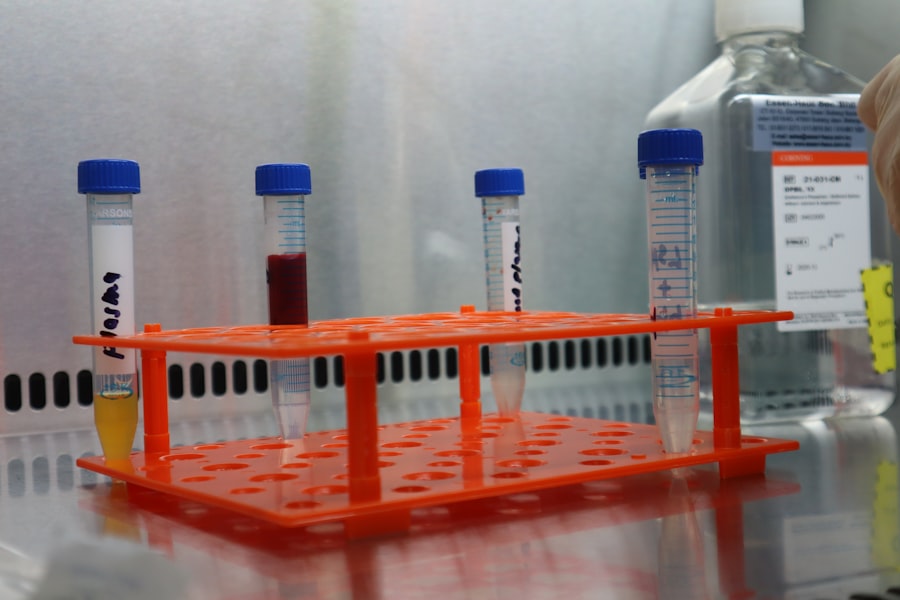
The advancements in vaccine technology over recent years have been nothing short of revolutionary. The emergence of mRNA vaccines is one of the most significant breakthroughs, showcasing how cutting-edge science can be harnessed to address urgent public health challenges. Beyond mRNA technology, other innovations such as viral vector vaccines and protein subunit vaccines have also gained prominence.
Each of these technologies offers unique advantages and challenges, contributing to a diverse arsenal against infectious diseases. In addition to mRNA technology, adjuvants have become increasingly important in enhancing vaccine efficacy. Adjuvants are substances that are added to vaccines to boost the immune response, ensuring that even small amounts of antigen can elicit a robust reaction.
The combination of advanced adjuvants with novel delivery systems has led to improved vaccine formulations that can provide longer-lasting immunity with fewer doses. Furthermore, the integration of artificial intelligence and machine learning into vaccine research has accelerated the identification of potential candidates and optimized clinical trial designs.
The Importance of Clinical Trials
Clinical trials are the cornerstone of medical research, serving as a critical mechanism for evaluating the safety and efficacy of new treatments and interventions. In the context of vaccines, clinical trials are essential for ensuring that a vaccine not only protects against disease but also does so without causing significant adverse effects. The rigorous process involves multiple phases, each designed to answer specific questions about the vaccine’s performance in diverse populations.
The importance of clinical trials extends beyond individual vaccines; they also play a vital role in building public trust in vaccination programs. Transparent reporting of trial results helps to inform healthcare providers and policymakers about the benefits and risks associated with new vaccines. Moreover, clinical trials often include diverse participant groups to ensure that findings are applicable across different demographics, including age, ethnicity, and underlying health conditions.
This inclusivity is crucial for understanding how various populations may respond to vaccination and for addressing health disparities.
The Success of Moderna Clinical Trial
| Metric | Value | Details |
|---|---|---|
| Vaccine Name | mRNA-1273 | Moderna COVID-19 Vaccine |
| Trial Phase | Phase 3 | Final stage before approval |
| Number of Participants | 30,420 | Enrolled in the Phase 3 trial |
| Age Range | 18 years and older | Participants included adults of all ages |
| Primary Endpoint | Prevention of symptomatic COVID-19 | Measured effectiveness of vaccine |
| Vaccine Efficacy | 94.1% | Reduction in COVID-19 cases compared to placebo |
| Dosing Schedule | 2 doses, 28 days apart | Intramuscular injection |
| Common Side Effects | Fatigue, headache, muscle pain | Typically mild to moderate and short-lived |
| Trial Locations | United States | Multiple clinical sites across the country |
| Trial Start Date | July 27, 2020 | Enrollment began |
| Emergency Use Authorization | December 18, 2020 | Authorized by FDA for emergency use |
The success of Moderna’s clinical trial was marked by its ability to demonstrate both safety and efficacy in a remarkably short timeframe. By November 2020, interim results from Phase 3 trials indicated that the mRNA-1273 vaccine had an efficacy rate of approximately 94%, significantly reducing the incidence of symptomatic COVID-19 among vaccinated individuals compared to those receiving a placebo. This level of efficacy was comparable to or even exceeded that of traditional vaccines developed for other diseases.
The trial’s success was not only a triumph for Moderna but also a testament to the collaborative efforts among scientists, healthcare professionals, and regulatory agencies worldwide. The rapid development and deployment of the vaccine were facilitated by unprecedented levels of funding and support from governments and organizations such as Operation Warp Speed in the United States. Additionally, real-world data collected post-authorization further validated the vaccine’s effectiveness and safety profile, reinforcing public confidence in vaccination efforts during an ongoing pandemic.
Implications for Future Vaccine Development

The success of Moderna’s clinical trial has far-reaching implications for future vaccine development beyond COVID-19. The rapid deployment of mRNA technology has opened new avenues for addressing other infectious diseases, including influenza, Zika virus, and even HIV. Researchers are now exploring how mRNA platforms can be adapted for these diseases, potentially leading to more effective vaccines that can be developed quickly in response to emerging threats.
Moreover, the lessons learned from the COVID-19 pandemic have highlighted the importance of global collaboration in vaccine research and distribution. The establishment of international partnerships among governments, pharmaceutical companies, and research institutions can facilitate faster responses to future pandemics. Additionally, the experience gained from large-scale clinical trials during this crisis will inform best practices for conducting trials efficiently while maintaining rigorous safety standards.
Challenges and Limitations of mRNA Vaccines
Despite their remarkable success, mRNA vaccines are not without challenges and limitations. One significant concern is their storage and distribution requirements; mRNA vaccines typically need to be stored at ultra-low temperatures to maintain stability, which can complicate logistics in low-resource settings. This requirement poses barriers to equitable access in regions where cold chain infrastructure is lacking.
Another challenge lies in public perception and vaccine hesitancy. Misinformation surrounding mRNA technology has led some individuals to express concerns about potential long-term effects or side effects associated with vaccination. Addressing these concerns through transparent communication and education is essential for increasing vaccination rates and ensuring community protection against infectious diseases.
The Future of Vaccine Research
The future of vaccine research is poised for transformative advancements as scientists continue to explore innovative approaches to immunization. The success of mRNA technology has sparked interest in other applications beyond infectious diseases; researchers are investigating its potential use in cancer immunotherapy and autoimmune disorders. By harnessing the body’s own immune system through targeted mRNA therapies, there is potential for groundbreaking treatments that could revolutionize patient care.
Furthermore, ongoing research into combination vaccines—those that protect against multiple pathogens—could enhance public health strategies by simplifying vaccination schedules and improving compliance rates. As we move forward into an era defined by rapid scientific progress and global collaboration, the lessons learned from recent vaccine developments will undoubtedly shape our approach to tackling both existing and emerging health threats on a global scale.
