

Clinical trials are the backbone of medical research, serving as a critical pathway for the development of new treatments, medications, and therapies. At the heart of these trials are the volunteers who participate, often without any direct benefit to themselves. These individuals play an indispensable role in the advancement of healthcare, as their involvement allows researchers to gather essential data that can lead to breakthroughs in understanding diseases and improving patient outcomes.
Without volunteers, the entire framework of clinical research would falter, stalling progress in medical science and leaving countless conditions without effective treatments. Volunteers in clinical trials come from diverse backgrounds and demographics, each contributing unique perspectives and experiences that enrich the research process. Their participation is not merely a statistic; it represents a commitment to the greater good, often driven by personal motivations such as a desire to help others or a quest for knowledge about their own health conditions.

The importance of these volunteers cannot be overstated; they are the living testaments to the potential of medical innovation, providing the necessary human element that laboratory studies alone cannot replicate. Their willingness to engage in clinical trials is a testament to their courage and altruism, as they often face uncertainties regarding the effects of experimental treatments.
Key Takeaways
- Clinical trial volunteers are essential for advancing medical research and developing new treatments.
- Participation in clinical trials contributes significantly to medical breakthroughs and improved healthcare outcomes.
- Volunteers face both benefits and risks, making informed consent and ethical considerations crucial.
- Being a clinical trial volunteer offers unique challenges but also personal rewards and the chance to impact public health.
- Individuals interested in contributing can learn how to get involved and support the fight against disease through clinical trials.
The Impact of Clinical Trials on Medical Advancements

The impact of clinical trials on medical advancements is profound and multifaceted. Historically, many of the treatments we now take for granted—such as vaccines, cancer therapies, and medications for chronic diseases—have emerged from rigorous clinical testing. These trials are meticulously designed to assess not only the efficacy of new treatments but also their safety profiles.
For instance, the development of antiretroviral therapy for HIV/AIDS was made possible through extensive clinical trials that demonstrated how these drugs could effectively manage the virus and improve the quality of life for millions of patients worldwide. Moreover, clinical trials have been instrumental in addressing public health crises. The rapid development and deployment of COVID-19 vaccines serve as a prime example of how clinical trials can lead to swift medical advancements in response to urgent health threats.
The unprecedented speed at which these vaccines were developed was made possible by prior research and the collaborative efforts of scientists, healthcare professionals, and volunteers who participated in clinical trials. This collective endeavor not only saved lives but also reshaped our understanding of vaccine development and distribution, setting new standards for future research initiatives.
The Role of Volunteers in Advancing Medical Research

Volunteers are not just participants; they are active contributors to the scientific process that drives medical research forward. Their involvement provides researchers with critical data that can validate or challenge existing hypotheses. For example, in oncology trials, volunteers may receive experimental treatments that have shown promise in preclinical studies.
Their responses—whether positive or negative—offer invaluable insights into how different populations metabolize drugs and respond to therapies. This information is crucial for tailoring treatments to specific patient groups, ultimately leading to more personalized medicine. Additionally, volunteers help bridge the gap between laboratory research and real-world application.
They provide a human context to scientific findings, allowing researchers to understand how new treatments affect individuals’ lives beyond mere clinical metrics. This qualitative data can be just as important as quantitative results, informing future studies and guiding healthcare policies. By participating in clinical trials, volunteers become part of a larger narrative that shapes the future of medicine, influencing everything from drug approval processes to healthcare regulations.
The Benefits and Risks of Participating in Clinical Trials
Participating in clinical trials offers numerous benefits for volunteers, including access to cutting-edge treatments that may not yet be available to the general public. Many individuals join trials out of a desire to explore new therapeutic options for conditions that have not responded well to standard treatments. In some cases, participants may receive interventions that demonstrate significant efficacy, leading to improved health outcomes.
Furthermore, volunteers often receive comprehensive medical care throughout the trial period, including regular monitoring and assessments by healthcare professionals. However, it is essential to acknowledge that participation in clinical trials also carries inherent risks. Experimental treatments may lead to unforeseen side effects or adverse reactions that are not fully understood at the outset.
Volunteers must be informed about these potential risks before consenting to participate, ensuring they make educated decisions regarding their involvement. Additionally, some trials may require participants to adhere to strict protocols that can be demanding or inconvenient, such as frequent visits to research sites or specific lifestyle restrictions during the study period.
How Volunteers Can Make a Difference in the Fight Against Disease
| Metric | Description | Typical Values | Notes |
|---|---|---|---|
| Number of Volunteers | Total participants enrolled in clinical trials | 50 – 10,000+ | Varies by trial phase and condition studied |
| Age Range | Age of volunteers eligible for participation | 18 – 65 years (commonly) | Some trials include pediatric or elderly participants |
| Gender Distribution | Percentage of male vs female volunteers | 40% – 60% male/female | Depends on disease prevalence and trial design |
| Enrollment Rate | Number of volunteers enrolled per month | 5 – 200 volunteers/month | Influenced by recruitment strategies and trial location |
| Retention Rate | Percentage of volunteers completing the trial | 70% – 95% | Higher retention improves data quality |
| Adverse Event Rate | Percentage of volunteers experiencing side effects | 5% – 30% | Varies by intervention and trial phase |
| Compensation | Typical reimbursement for volunteers | Varies widely | Depends on trial length, procedures, and location |
| Trial Phase Participation | Distribution of volunteers by clinical trial phase | Phase 1: 10-20%, Phase 2: 30-40%, Phase 3: 40-50% | Phase 1 trials usually have fewer volunteers |
The contributions of volunteers extend far beyond individual health benefits; they play a pivotal role in the collective fight against disease. By participating in clinical trials, volunteers help generate data that can lead to new therapies and interventions for various health conditions. For instance, individuals with rare diseases often have limited treatment options available due to a lack of research funding or interest from pharmaceutical companies.
Volunteers willing to participate in trials for these conditions can help pave the way for new discoveries that may ultimately benefit not only themselves but also future patients facing similar challenges. Moreover, volunteers contribute to a broader understanding of disease mechanisms and treatment responses across diverse populations. This diversity is crucial for ensuring that new therapies are effective for all demographic groups rather than just a select few.
By participating in clinical trials, volunteers help researchers identify variations in treatment efficacy based on factors such as age, gender, ethnicity, and comorbidities. This information is vital for developing inclusive healthcare solutions that address the needs of all patients.
The Ethical Considerations of Volunteering for Clinical Trials
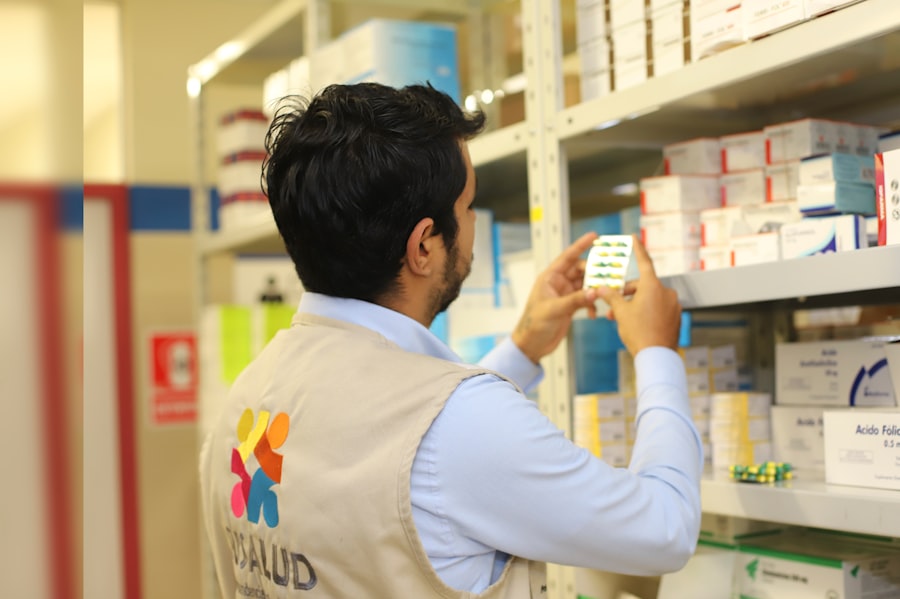
The ethical landscape surrounding clinical trials is complex and multifaceted. Informed consent is a cornerstone principle that ensures volunteers understand what participation entails, including potential risks and benefits. Researchers have an ethical obligation to provide clear and comprehensive information about the study’s purpose, procedures, and any possible adverse effects associated with the experimental treatment.
This transparency fosters trust between researchers and participants, which is essential for ethical conduct in clinical research. Additionally, ethical considerations extend beyond informed consent; they also encompass issues related to participant selection and equity. Researchers must strive to recruit diverse populations that reflect the broader community affected by the disease under investigation.
This commitment helps ensure that findings are generalizable and applicable across different demographic groups. Furthermore, ethical oversight by institutional review boards (IRBs) plays a critical role in safeguarding participants’ rights and welfare throughout the research process.
The Challenges and Rewards of Being a Clinical Trials Volunteer
Being a clinical trials volunteer presents both challenges and rewards that can vary significantly from one individual to another. On one hand, participants may face logistical hurdles such as travel requirements for study visits or time commitments that can disrupt their daily lives. Some may experience anxiety about potential side effects or uncertainty regarding their treatment’s effectiveness.
These challenges can be daunting but are often outweighed by the sense of purpose that comes from contributing to medical research. On the other hand, many volunteers find immense satisfaction in knowing they are part of something larger than themselves—an effort aimed at advancing medical knowledge and improving patient care. The camaraderie among fellow participants can also provide emotional support during what may be a challenging journey.
Additionally, some volunteers report feeling empowered by their involvement in clinical trials, as they take an active role in shaping their health outcomes while contributing to scientific progress.
How to Get Involved in Clinical Trials and Make a Difference
For those interested in becoming clinical trials volunteers, several avenues exist for getting involved and making a meaningful impact on medical research. One of the most effective ways is through online registries and databases that connect potential participants with ongoing studies. Websites such as ClinicalTrials.gov provide comprehensive listings of clinical trials across various medical fields, allowing individuals to search based on their health conditions or interests.
Additionally, individuals can reach out directly to local hospitals or research institutions conducting clinical trials relevant to their health needs. Engaging with healthcare providers can also yield valuable information about upcoming studies and eligibility criteria. It is essential for prospective volunteers to ask questions about the trial’s purpose, procedures, potential risks, and benefits before making a decision.
By taking these steps, individuals can actively participate in advancing medical research while contributing to the fight against diseases that affect countless lives worldwide.
