
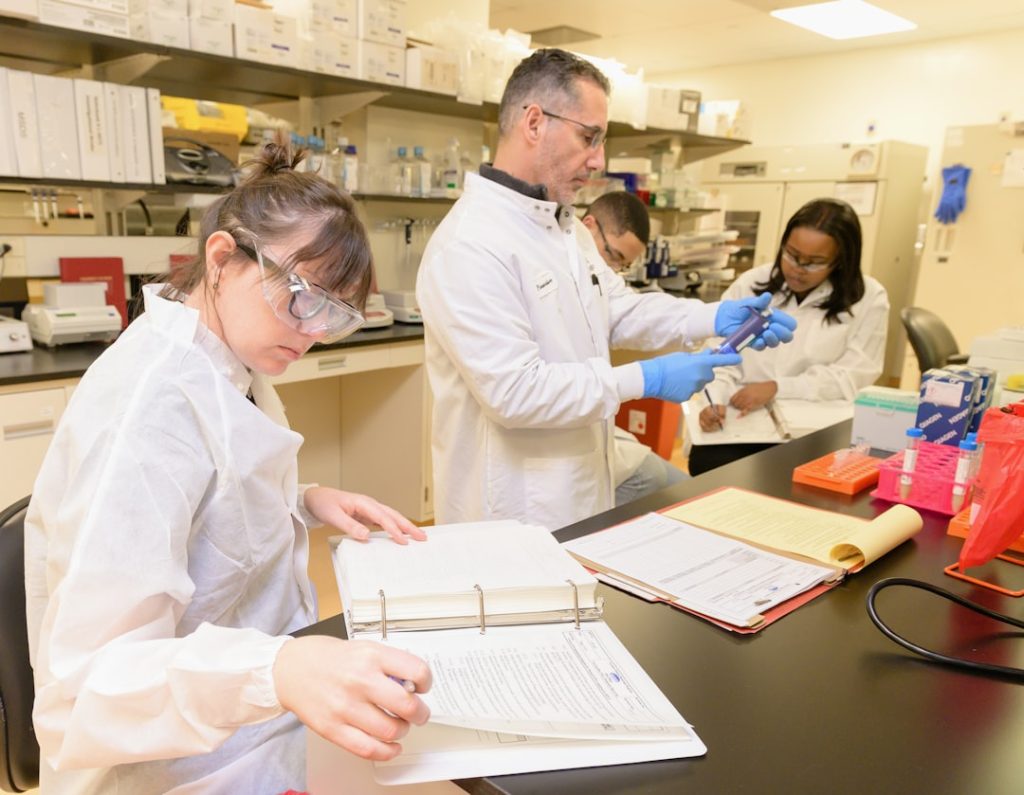
The Clinical Research Consortium (CRC) is a collaborative network established to improve clinical trial efficiency and effectiveness through partnerships between academic institutions, healthcare providers, and industry organizations. The consortium facilitates the sharing of knowledge, resources, and standardized practices among member organizations to advance medical research through systematic methodologies and evidence-based approaches. The CRC’s structure enables participating institutions to pool expertise and streamline research processes with the objective of enhancing patient care outcomes.
The Clinical Research Consortium was developed in response to increasing clinical trial complexity and the demand for accelerated therapeutic development. The organization addresses research gaps through interdisciplinary collaboration, ensuring studies meet scientific standards while addressing patient and healthcare system requirements. This coordinated approach supports the integration of technological and medical advances into clinical research practices, enabling more comprehensive and efficient study designs across multiple therapeutic areas.
Key Takeaways
- The Clinical Research Consortium plays a pivotal role in advancing medical research through collaboration and innovation.
- Clinical research is essential for developing new treatments and improving patient care.
- Partnering with pharmaceutical companies enhances the Consortium’s ability to drive breakthroughs.
- The Consortium’s work directly impacts patient treatment options and healthcare outcomes.
- Healthcare professionals and institutions are encouraged to participate to further medical advancements.

The Importance of Clinical Research in Advancing Medicine
Clinical research is the cornerstone of medical advancement, providing the evidence necessary to develop new treatments, improve existing therapies, and establish best practices in patient care. Through systematic investigation, clinical trials assess the safety and efficacy of new drugs, devices, and interventions, ultimately leading to regulatory approvals and widespread clinical use. The significance of this research cannot be overstated; it is through clinical trials that breakthroughs in medicine occur, transforming lives and reshaping healthcare paradigms.

Moreover, clinical research plays a critical role in understanding disease mechanisms and patient responses to treatment. By studying diverse populations and employing rigorous methodologies, researchers can identify factors that influence health outcomes, such as genetic predispositions, environmental influences, and lifestyle choices. This knowledge not only informs individual treatment plans but also guides public health initiatives aimed at disease prevention and health promotion.
The continuous cycle of research, discovery, and application is what drives progress in medicine, making clinical research an indispensable component of healthcare.
How the Clinical Research Consortium is Revolutionizing Medical Research

The Clinical Research Consortium is at the forefront of revolutionizing medical research by implementing innovative frameworks that enhance collaboration and efficiency. One of the key strategies employed by the CRC is the establishment of centralized databases that aggregate patient data from multiple sources. This approach allows researchers to access a wealth of information that can be used to identify trends, assess treatment outcomes, and refine study designs.
By leveraging big data analytics, the consortium can expedite the research process and improve the quality of evidence generated. Additionally, the CRC promotes adaptive trial designs that allow for modifications based on interim results. This flexibility is crucial in today’s fast-paced research environment, where traditional trial methodologies may be too rigid to accommodate emerging insights.
By embracing adaptive designs, the consortium can optimize resource allocation and enhance patient safety while still maintaining scientific rigor. This shift towards more dynamic trial methodologies exemplifies how the CRC is not only keeping pace with advancements in technology but also setting new standards for clinical research.
Collaborating with Industry Leaders: The Role of Pharmaceutical Companies in the Consortium
Pharmaceutical companies play a vital role in the Clinical Research Consortium, providing essential resources and expertise that drive research initiatives forward. These industry leaders bring significant financial investment, advanced technologies, and a wealth of experience in drug development processes. Their involvement ensures that clinical trials are not only well-funded but also aligned with market needs and regulatory requirements.
This partnership between academia and industry fosters an environment where innovative ideas can flourish and translate into viable therapeutic options. Moreover, collaboration with pharmaceutical companies enhances the consortium’s ability to conduct large-scale trials that are representative of diverse patient populations. Industry partners often have access to extensive networks of healthcare providers and patient registries, which can facilitate recruitment efforts and improve study feasibility.
By working together, the CRC and pharmaceutical companies can design trials that are more inclusive and reflective of real-world patient experiences. This synergy ultimately leads to more robust data that can inform treatment guidelines and improve patient care.
The Impact of the Consortium on Patient Care and Treatment Options
| Metric | Description | Example Value | Unit |
|---|---|---|---|
| Number of Participating Institutions | Total count of research centers and hospitals involved in the consortium | 25 | Institutions |
| Number of Clinical Trials | Active clinical trials conducted under the consortium | 12 | Trials |
| Patient Enrollment | Total number of patients enrolled across all studies | 1,200 | Patients |
| Average Study Duration | Mean length of clinical studies from start to completion | 18 | Months |
| Publications | Number of peer-reviewed articles published from consortium research | 45 | Articles |
| Funding Amount | Total research funding allocated to the consortium | 15,000,000 | USD |
| Data Sharing Agreements | Number of formal agreements for data sharing among members | 10 | Agreements |
| Regulatory Approvals | Number of clinical trials approved by regulatory bodies | 12 | Approvals |
The Clinical Research Consortium has a profound impact on patient care by expanding treatment options and improving access to cutting-edge therapies. Through its collaborative efforts, the consortium accelerates the development of new medications and interventions that address unmet medical needs. Patients participating in clinical trials often gain access to novel therapies before they are widely available, providing them with opportunities for improved health outcomes that may not be achievable through standard treatments.
Furthermore, the consortium’s emphasis on patient-centered research ensures that trials are designed with the needs and preferences of patients in mind. By incorporating patient feedback into study protocols, researchers can create more relevant and acceptable interventions. This focus on patient engagement not only enhances recruitment and retention rates but also fosters a sense of ownership among participants, who feel their contributions are valued in the quest for medical advancement.
As a result, the CRC is not just advancing science; it is also enhancing the overall patient experience within the healthcare system.
The Future of Medicine: Innovations and Breakthroughs from the Consortium’s Research

The future of medicine is being shaped by the groundbreaking innovations emerging from the Clinical Research Consortium’s initiatives. As researchers harness cutting-edge technologies such as artificial intelligence (AI), machine learning, and genomics, they are uncovering new insights into disease mechanisms and treatment responses. These advancements are paving the way for personalized medicine approaches that tailor therapies to individual patients based on their unique genetic profiles and health histories.
One notable example of innovation stemming from consortium research is the development of targeted therapies for cancer treatment. By utilizing genomic sequencing technologies, researchers can identify specific mutations driving tumor growth and develop drugs that specifically target these alterations. This precision medicine approach has shown promise in improving treatment efficacy while minimizing side effects compared to traditional chemotherapy regimens.
As more breakthroughs like this emerge from consortium-led studies, the potential for transformative changes in how diseases are treated becomes increasingly tangible.
How Healthcare Professionals and Institutions Can Get Involved with the Consortium
Healthcare professionals and institutions have numerous opportunities to engage with the Clinical Research Consortium, contributing their expertise to advance clinical research efforts. One avenue for involvement is through participation in collaborative research projects that align with their areas of interest or specialization. By joining forces with other institutions within the consortium, healthcare providers can share resources, knowledge, and best practices that enhance study design and execution.
Additionally, healthcare professionals can play a crucial role in patient recruitment for clinical trials. Their direct interactions with patients position them as key advocates for research participation, helping to educate patients about potential benefits while addressing concerns about safety and efficacy. Institutions can also support consortium initiatives by providing infrastructure for conducting trials, such as access to clinical facilities or administrative support for regulatory compliance.
By fostering a culture of research within their organizations, healthcare professionals can contribute significantly to the advancement of medical science through their involvement with the CRC.
The Continued Promise of the Clinical Research Consortium
The Clinical Research Consortium stands as a beacon of hope in the ever-evolving field of medicine, embodying a commitment to collaboration, innovation, and patient-centered care. As it continues to break down silos between academia, industry, and healthcare providers, the consortium is poised to drive significant advancements in clinical research that will ultimately benefit patients worldwide. The promise of improved treatments, enhanced patient experiences, and groundbreaking discoveries lies at the heart of its mission.
As we look toward the future, it is clear that the Clinical Research Consortium will play an integral role in shaping medical advancements for years to come. By fostering an environment where diverse stakeholders can collaborate effectively, it ensures that clinical research remains responsive to emerging challenges in healthcare. The ongoing commitment to excellence within this consortium not only holds great promise for future innovations but also reinforces the importance of collective efforts in advancing medicine for all.
