
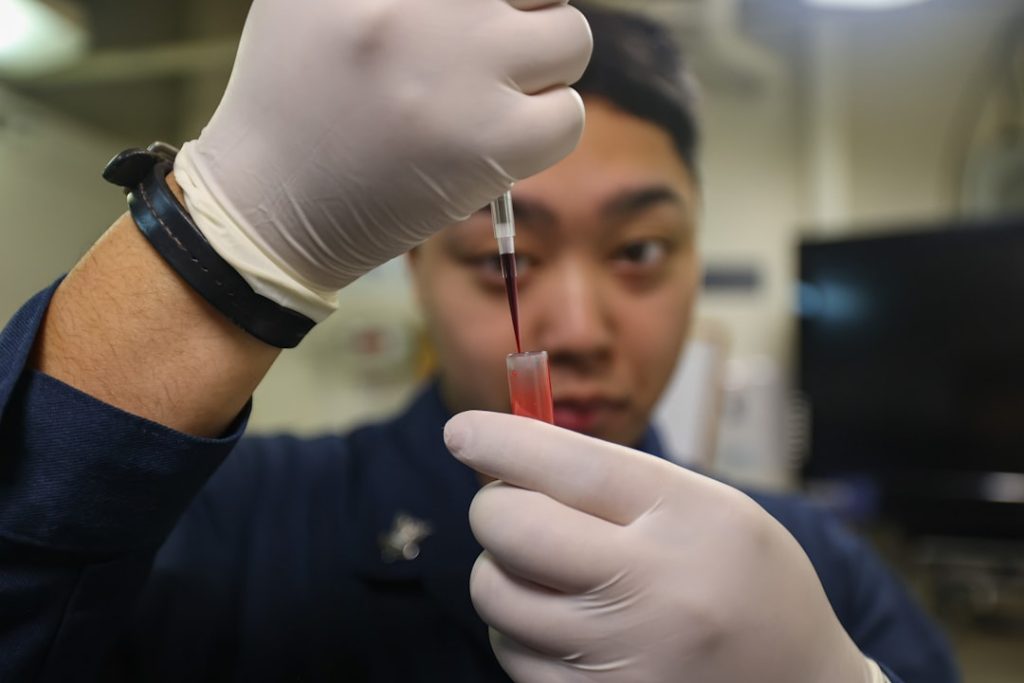
Clinical research serves as the backbone of modern medicine, providing the evidence necessary to develop new treatments, refine existing therapies, and enhance patient care. This field encompasses a wide array of studies, from early-phase trials that test the safety of new drugs to large-scale studies that assess the effectiveness of established treatments in diverse populations. The importance of clinical research cannot be overstated; it is through rigorous investigation that healthcare professionals can make informed decisions that ultimately improve patient outcomes.
As we delve into the latest advancements in clinical research, it becomes evident that the landscape is rapidly evolving, driven by technological innovations, a deeper understanding of disease mechanisms, and a commitment to personalized medicine. The current era of clinical research is characterized by a collaborative approach that brings together researchers, clinicians, patients, and regulatory bodies. This synergy fosters an environment where innovative ideas can flourish and be translated into practical applications.

The integration of artificial intelligence and machine learning into clinical trials is one such advancement, allowing for more efficient data analysis and patient recruitment. Moreover, the rise of patient-centered research emphasizes the importance of including patient perspectives in study design, ensuring that the outcomes measured are relevant to those who will ultimately benefit from the findings. As we explore the promising developments across various medical fields, it is crucial to recognize how these advancements are reshaping the future of healthcare.
Key Takeaways
- New clinical research is driving significant advancements across multiple medical fields.
- Promising cancer treatments are showing improved patient outcomes and reduced side effects.
- Mental health therapies are evolving with innovative approaches enhancing effectiveness.
- Breakthroughs in cardiovascular and diabetes treatments offer new hope for managing chronic conditions.
- Emerging therapies for neurological and rare diseases could transform future healthcare practices.
Promising Findings in Cancer Treatment

Recent clinical research has unveiled a plethora of promising findings in cancer treatment, particularly in the realm of immunotherapy and targeted therapies. Immunotherapy, which harnesses the body’s immune system to fight cancer, has shown remarkable efficacy in treating various malignancies. For instance, checkpoint inhibitors such as pembrolizumab and nivolumab have revolutionized the treatment landscape for melanoma and lung cancer.
These agents work by blocking proteins that inhibit immune responses, thereby allowing T-cells to recognize and attack cancer cells more effectively. Clinical trials have demonstrated that patients receiving these therapies often experience durable responses, leading to prolonged survival rates compared to traditional chemotherapy. In addition to immunotherapy, targeted therapies have emerged as a cornerstone in the fight against cancer.
These treatments are designed to specifically target genetic mutations or alterations present in cancer cells. For example, the development of tyrosine kinase inhibitors like imatinib has transformed the management of chronic myeloid leukemia (CML). By selectively inhibiting the BCR-ABL fusion protein responsible for driving CML, imatinib has significantly improved patient outcomes and has become a standard of care.
Furthermore, ongoing research into next-generation sequencing is enabling oncologists to identify specific mutations in tumors, paving the way for personalized treatment plans that maximize efficacy while minimizing side effects.
Advancements in Mental Health Treatment

The field of mental health treatment has witnessed significant advancements in recent years, driven by a growing recognition of the importance of mental well-being and the need for effective interventions. One notable development is the increased use of psychotherapeutic approaches combined with pharmacological treatments. Cognitive-behavioral therapy (CBT), for instance, has been extensively studied and validated as an effective treatment for conditions such as depression and anxiety disorders.
Recent clinical trials have demonstrated that combining CBT with selective serotonin reuptake inhibitors (SSRIs) can lead to improved outcomes compared to either treatment alone. Moreover, innovative approaches such as digital therapeutics are gaining traction in mental health care. These evidence-based software programs are designed to deliver therapeutic interventions through mobile applications or online platforms.
For example, apps like Woebot utilize artificial intelligence to provide users with cognitive-behavioral techniques and support in real-time. Clinical studies have shown that users of such digital tools often report reductions in symptoms of anxiety and depression, highlighting their potential as adjuncts to traditional therapy. As mental health continues to be prioritized within healthcare systems worldwide, these advancements offer hope for more accessible and effective treatment options.
Breakthroughs in Cardiovascular Disease Treatment
Cardiovascular disease remains one of the leading causes of morbidity and mortality globally, prompting ongoing research aimed at improving prevention and treatment strategies. Recent breakthroughs in this field have focused on both pharmacological interventions and lifestyle modifications. One significant advancement is the development of novel anticoagulants, such as direct oral anticoagulants (DOACs), which have been shown to be as effective as traditional warfarin with fewer side effects and less need for monitoring.
Clinical trials have established that DOACs can significantly reduce the risk of stroke in patients with atrial fibrillation while improving patient adherence due to their ease of use. In addition to pharmacological innovations, lifestyle interventions have also gained prominence in cardiovascular disease management. The implementation of structured cardiac rehabilitation programs has been shown to enhance recovery following myocardial infarction or heart surgery.
These programs typically include supervised exercise training, nutritional counseling, and psychosocial support. Research indicates that patients who participate in cardiac rehabilitation experience lower rates of hospital readmission and improved quality of life. Furthermore, emerging evidence suggests that wearable technology can play a role in monitoring cardiovascular health by providing real-time data on heart rate and activity levels, empowering patients to take an active role in their health management.
Innovative Approaches in Diabetes Treatment
| Metric | Description | Typical Value / Range | Unit |
|---|---|---|---|
| Enrollment Rate | Number of participants enrolled per month | 5 – 50 | participants/month |
| Study Duration | Time from study start to completion | 6 – 36 | months |
| Protocol Deviation Rate | Percentage of deviations from the study protocol | 1 – 10 | % |
| Adverse Event Rate | Percentage of participants experiencing adverse events | 5 – 30 | % |
| Retention Rate | Percentage of participants completing the study | 70 – 95 | % |
| Data Query Rate | Number of data queries per 100 data points | 2 – 15 | queries/100 data points |
| Time to First Patient In | Time from site initiation to first patient enrollment | 1 – 3 | months |
| Number of Sites | Total clinical trial sites involved | 1 – 100+ | sites |
Diabetes management has evolved significantly over the past few decades, with innovative approaches emerging to improve glycemic control and reduce complications associated with the disease. Continuous glucose monitoring (CGM) systems represent one such advancement, allowing patients to track their blood glucose levels in real-time without the need for frequent fingerstick tests. Clinical studies have demonstrated that CGM use can lead to better glycemic control and reduced hypoglycemic episodes among individuals with type 1 diabetes.
The integration of CGM data with insulin delivery systems has further enhanced diabetes management through automated insulin dosing algorithms. Another promising development in diabetes treatment is the advent of glucagon-like peptide-1 (GLP-1) receptor agonists. These medications not only help lower blood sugar levels but also promote weight loss—a critical factor for many individuals with type 2 diabetes.
Clinical trials have shown that drugs like liraglutide and semaglutide can lead to significant reductions in HbA1c levels while also improving cardiovascular outcomes. The dual benefits of these medications underscore the importance of addressing both glycemic control and associated comorbidities in diabetes management.
Exciting Developments in Neurological Disorder Treatment

The treatment landscape for neurological disorders has seen remarkable advancements driven by a deeper understanding of neurobiology and innovative therapeutic strategies. One area of significant progress is in the treatment of neurodegenerative diseases such as Alzheimer’s disease and Parkinson’s disease. Recent clinical trials have focused on disease-modifying therapies aimed at slowing disease progression rather than merely alleviating symptoms.
For instance, monoclonal antibodies targeting amyloid-beta plaques have shown promise in early-stage Alzheimer’s patients, with studies indicating potential benefits in cognitive function. In addition to pharmacological advancements, non-invasive brain stimulation techniques are gaining traction as adjunctive therapies for various neurological conditions. Transcranial magnetic stimulation (TMS) has been explored as a treatment for depression and chronic pain syndromes, with clinical evidence supporting its efficacy in reducing symptoms when combined with traditional therapies.
Furthermore, deep brain stimulation (DBS) has emerged as a viable option for patients with advanced Parkinson’s disease who do not respond adequately to medication alone. By delivering electrical impulses to specific brain regions, DBS can alleviate motor symptoms and improve quality of life for these patients.
Potential Breakthroughs in Rare Disease Treatment
The landscape of rare disease treatment is rapidly evolving, fueled by advances in genetic research and biotechnology. With over 7,000 known rare diseases affecting millions worldwide, there is an urgent need for effective therapies tailored to these conditions. One promising approach is gene therapy, which aims to correct or replace defective genes responsible for certain rare diseases.
For example, recent clinical trials involving adeno-associated virus (AAV) vectors have shown success in treating spinal muscular atrophy (SMA), a genetic disorder characterized by muscle weakness and atrophy. By delivering a functional copy of the SMN1 gene directly into patients’ motor neurons, researchers have observed significant improvements in motor function. Additionally, the development of orphan drugs—medications specifically designed for rare diseases—has gained momentum due to regulatory incentives encouraging pharmaceutical companies to invest in this area.
The U.S. Food and Drug Administration (FDA) has implemented programs such as the Orphan Drug Designation to expedite the approval process for these treatments. As a result, several orphan drugs have recently received approval for conditions like cystic fibrosis and Duchenne muscular dystrophy (DMD), offering new hope for patients who previously had limited options.
Implications for Future Healthcare Practices
The advancements highlighted across various medical fields underscore a transformative shift in healthcare practices that prioritizes innovation and patient-centered care. As clinical research continues to yield promising findings, healthcare providers must adapt their practices to incorporate these new therapies and technologies effectively. This may involve re-evaluating treatment protocols based on emerging evidence or integrating multidisciplinary approaches that consider not only physical health but also mental well-being.
Moreover, the increasing emphasis on personalized medicine necessitates a more nuanced understanding of individual patient profiles, including genetic predispositions and lifestyle factors. Healthcare professionals will need to leverage data analytics and artificial intelligence tools to tailor treatment plans that optimize outcomes for diverse patient populations. As we move forward into an era defined by rapid advancements in clinical research, it is imperative that healthcare systems remain agile and responsive to these changes, ensuring that all patients benefit from the latest innovations in medical science.
