
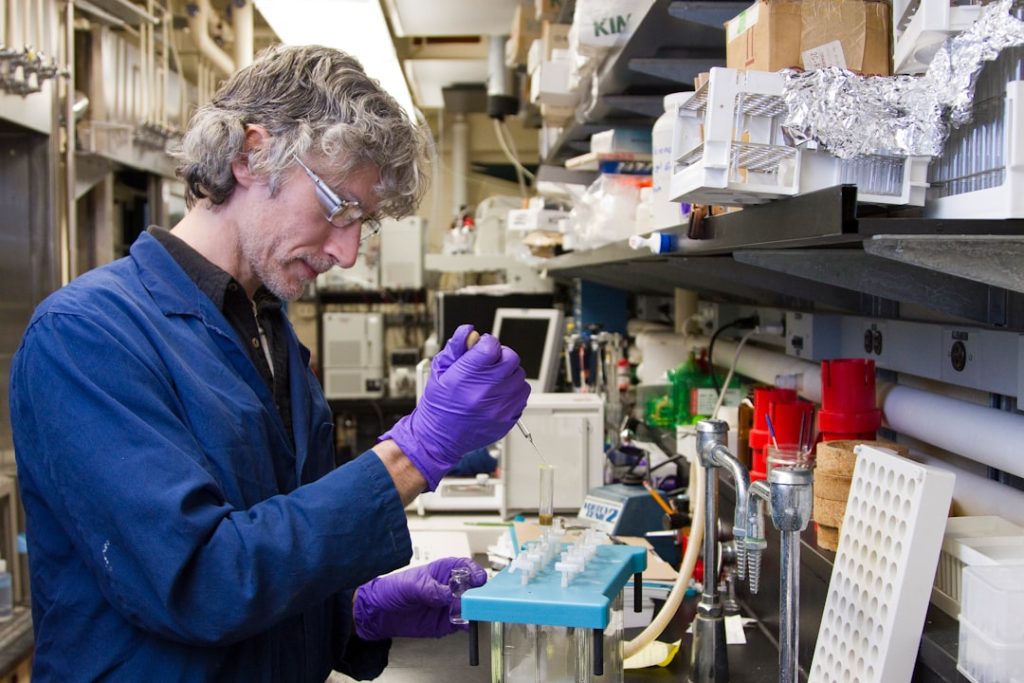
Clinical trials represent the fundamental methodology for evaluating new medical treatments, pharmaceuticals, and devices in human subjects. These structured research studies follow a systematic progression through distinct phases, each designed to address specific research questions regarding safety and therapeutic effectiveness. The primary objective is to generate scientifically rigorous data that supports evidence-based medical practice and informs regulatory approval processes.
The clinical trial process initiates with preclinical research conducted in laboratory settings and animal models to establish preliminary safety profiles and therapeutic potential. Following successful preclinical evaluation, interventions advance to human testing through three sequential phases. Phase I trials primarily assess safety parameters and determine appropriate dosing in small participant groups.

Phase II studies evaluate therapeutic efficacy while continuing safety monitoring in larger cohorts. Phase III trials compare the experimental intervention against established standard treatments in extensive multi-center studies to determine relative effectiveness. Clinical trials generate critical data that extends beyond individual treatment evaluation to advance medical science comprehensively.
Historical studies such as the Framingham Heart Study have established fundamental understanding of cardiovascular disease risk factors, directly influencing clinical practice guidelines and public health policy development globally. Regulatory agencies, including the Food and Drug Administration, mandate comprehensive clinical trial evidence demonstrating safety and efficacy before approving new therapeutic interventions for market distribution. The scientific validity of clinical trials depends on rigorous study design, appropriate statistical methodology, and careful execution to ensure results are generalizable to broader patient populations.
Key Takeaways
- Feasibility studies are crucial for assessing the practicality of clinical trials before full-scale implementation.
- Multiple factors, including patient recruitment and resource availability, impact the feasibility of clinical trials.
- Conducting feasibility studies faces challenges such as limited data and ethical concerns.
- Implementing strategic planning and stakeholder collaboration can enhance trial feasibility.
- Ethical considerations must be prioritized to ensure participant safety and study integrity in feasibility assessments.

Importance of Feasibility Studies in Clinical Trials
Feasibility studies play a critical role in the landscape of clinical trials by assessing the practicality of conducting a proposed study before it is fully launched. These preliminary investigations help researchers determine whether a clinical trial can be successfully executed within the intended timeframe, budget, and resource constraints. By evaluating various aspects such as participant recruitment potential, site capabilities, and logistical considerations, feasibility studies provide essential insights that can inform decision-making processes.
They serve as a risk mitigation tool, allowing researchers to identify potential obstacles early on and adjust their plans accordingly. The importance of feasibility studies is underscored by their ability to enhance the likelihood of trial success. A well-conducted feasibility study can reveal whether there is sufficient interest among potential participants or if there are barriers that could hinder recruitment efforts.
For example, if a proposed trial requires a specific patient population that is rare or difficult to access, the feasibility study can highlight this challenge before significant resources are invested. Additionally, these studies can assess the availability of necessary infrastructure, such as specialized equipment or trained personnel, which are crucial for conducting the trial effectively. By addressing these factors upfront, researchers can optimize their study designs and increase the chances of obtaining meaningful results.
Factors Affecting Feasibility of Clinical Trials

Several factors influence the feasibility of clinical trials, each contributing to the overall success or failure of a study. One of the most critical elements is participant recruitment. The ability to enroll an adequate number of participants within a specified timeframe is essential for achieving statistically significant results.
Factors such as the prevalence of the condition being studied, eligibility criteria, and competing studies can all impact recruitment rates. For instance, a trial targeting a rare disease may struggle to find enough eligible participants, while a study with overly stringent inclusion criteria may inadvertently exclude many potential candidates. Another significant factor is site selection and readiness.
The capabilities of clinical trial sites—including their experience with similar studies, availability of necessary resources, and staff expertise—can greatly affect feasibility. Sites that lack experience may face challenges in adhering to protocols or managing participant interactions effectively. Furthermore, logistical considerations such as geographical location, access to transportation for participants, and local healthcare infrastructure can also play a role in determining whether a trial can be conducted successfully.
For example, if a trial requires frequent visits to a research site but is located in an area with limited public transportation options, participant retention may become an issue.
Challenges in Conducting Feasibility Studies
Despite their importance, conducting feasibility studies is not without its challenges. One major hurdle is the potential for bias in data collection and interpretation. Researchers may have preconceived notions about the viability of their proposed study based on prior experiences or expectations, which can inadvertently influence their assessment of feasibility.
This bias can lead to overly optimistic conclusions about recruitment potential or site capabilities, ultimately jeopardizing the trial’s success. Additionally, resource constraints often pose significant challenges in conducting thorough feasibility studies. Researchers may face limitations in funding or time that prevent them from gathering comprehensive data or engaging with all relevant stakeholders.
For instance, if a feasibility study is rushed due to budgetary pressures, it may not adequately explore all necessary aspects such as community engagement or regulatory considerations. This lack of thoroughness can result in unforeseen obstacles arising during the actual trial phase, leading to delays or even failure to complete the study.
Strategies to Improve Feasibility of Clinical Trials
| Metric | Description | Typical Range/Value | Importance |
|---|---|---|---|
| Patient Recruitment Rate | Number of patients enrolled per month | 5-20 patients/month | High – impacts study timeline |
| Screening Failure Rate | Percentage of screened patients who do not meet inclusion criteria | 20-40% | Medium – affects recruitment efficiency |
| Site Activation Time | Time from site selection to site readiness | 4-12 weeks | High – influences study start |
| Protocol Complexity | Number of procedures and assessments per visit | 5-15 procedures | Medium – affects patient compliance |
| Retention Rate | Percentage of patients completing the study | 70-90% | High – ensures data completeness |
| Data Query Rate | Number of data queries per case report form (CRF) | 0.1-0.5 queries/CRF | Medium – impacts data quality |
| Budget Feasibility | Estimated cost vs allocated budget | Within 10% variance | High – critical for study continuation |
| Regulatory Approval Time | Time taken to obtain ethics and regulatory approvals | 4-16 weeks | High – affects study initiation |
To enhance the feasibility of clinical trials, researchers can implement several strategies aimed at addressing common challenges and optimizing study designs. One effective approach is engaging stakeholders early in the planning process. This includes not only researchers but also potential participants, healthcare providers, and community organizations.
By soliciting input from these groups, researchers can gain valuable insights into participant preferences and barriers to enrollment. For example, focus groups with potential participants can reveal concerns about study procedures or time commitments that may affect willingness to participate. Another strategy involves utilizing technology to streamline processes related to recruitment and data collection.
Digital platforms can facilitate participant outreach through social media campaigns or online registries that connect individuals with relevant studies. Additionally, electronic data capture systems can improve data accuracy and reduce administrative burdens associated with traditional paper-based methods. By leveraging technology effectively, researchers can enhance efficiency and improve overall feasibility.
Case Studies on Successful Feasibility Studies

Examining successful case studies provides valuable lessons on how effective feasibility studies can lead to successful clinical trials. One notable example is the feasibility study conducted for the Diabetes Prevention Program (DPP), which aimed to assess lifestyle interventions for preventing type 2 diabetes among high-risk individuals. The DPP’s feasibility study involved extensive community engagement and collaboration with local healthcare providers to identify potential participants and assess their willingness to participate in lifestyle modification programs.
This proactive approach resulted in high enrollment rates and ultimately led to significant findings that shaped diabetes prevention strategies nationwide. Another illustrative case is the feasibility study for the RE-LY trial (Randomized Evaluation of Long-term Anticoagulation Therapy), which evaluated dabigatran etexilate for stroke prevention in patients with atrial fibrillation. The feasibility study focused on site selection and training for investigators to ensure adherence to protocol requirements.
By identifying sites with prior experience in anticoagulation trials and providing comprehensive training on study procedures, researchers were able to achieve high retention rates and robust data collection throughout the trial phases.
Ethical Considerations in Feasibility Studies
Ethical considerations are paramount in conducting feasibility studies within clinical research. Researchers must ensure that they uphold principles such as respect for persons, beneficence, and justice throughout the feasibility assessment process. Informed consent is a critical aspect; potential participants should be adequately informed about the purpose of the feasibility study and any associated risks before agreeing to participate.
This transparency fosters trust between researchers and participants while ensuring that individuals are making informed decisions about their involvement. Moreover, ethical considerations extend beyond participant interactions; they also encompass issues related to data integrity and confidentiality. Researchers must implement robust measures to protect sensitive information collected during feasibility assessments while ensuring that data is used responsibly for its intended purpose.
Additionally, researchers should be mindful of potential conflicts of interest that may arise during feasibility studies—particularly when engaging stakeholders who may have vested interests in the outcomes of the proposed trial.
Conclusion and Recommendations for Future Feasibility Studies
As clinical trials continue to evolve in complexity and scope, the importance of robust feasibility studies cannot be overstated. Future efforts should focus on enhancing methodologies for conducting these assessments while prioritizing stakeholder engagement and ethical considerations throughout the process. Researchers should consider adopting standardized frameworks for feasibility studies that encompass key elements such as participant recruitment strategies, site readiness assessments, and logistical planning.
Furthermore, fostering collaboration among academic institutions, industry partners, and regulatory bodies can lead to more comprehensive feasibility assessments that address diverse perspectives and expertise. By sharing best practices and lessons learned from previous studies, stakeholders can collectively improve the design and execution of clinical trials—ultimately advancing medical research while ensuring participant safety and ethical integrity remain at the forefront of all endeavors in this critical field.
