

The clinical research industry has experienced substantial changes in recent years, driven primarily by the widespread adoption of remote work practices. The COVID-19 pandemic served as a catalyst for this transformation, compelling research organizations to rapidly implement virtual work environments to maintain operations while adhering to public health guidelines. This shift has resulted in a marked increase in remote clinical research positions across the industry.
These roles enable qualified professionals to contribute to essential medical research activities while working from locations outside traditional laboratory or office settings. The transition has expanded recruitment opportunities for employers by removing geographical limitations, while simultaneously allowing researchers to continue their work without physical proximity to research sites. Remote clinical research positions span multiple specializations within the field.

Common remote roles include clinical trial coordinators who manage study protocols and participant interactions, data managers responsible for collecting and analyzing research data, and regulatory affairs specialists who ensure compliance with governmental and institutional requirements. Additional remote positions exist in areas such as biostatistics, medical writing, and clinical operations management. The adoption of remote work in clinical research has attracted professionals with varying experience levels and career objectives.
Experienced researchers often pursue remote positions to achieve improved work-life balance, while entry-level candidates view these opportunities as accessible pathways into the clinical research field. This trend aligns with broader workforce developments across multiple industries, where remote work capabilities have transitioned from optional benefits to standard operational requirements. Technological advancements continue to support the expansion of remote clinical research capabilities.

Electronic data capture systems, virtual monitoring platforms, and digital communication tools have enabled many traditional in-person research activities to be conducted remotely. As these technologies evolve and become more sophisticated, the scope and availability of remote clinical research positions are expected to increase, potentially altering fundamental approaches to clinical trial design and execution.
Key Takeaways
- Remote clinical research jobs are increasingly popular due to technological advancements and changing work preferences.
- Benefits include flexible schedules, reduced commuting, and access to a broader range of job opportunities.
- Key skills required are strong communication, data management, regulatory knowledge, and clinical expertise.
- Finding remote roles involves leveraging specialized job boards, networking, and staying updated on industry trends.
- Despite growth, challenges like maintaining data security, ensuring effective collaboration, and managing work-life balance remain important.
The Benefits of Working in Remote Clinical Research
One of the most significant advantages of remote clinical research jobs is the flexibility they offer. Professionals can often set their own schedules, allowing them to balance work responsibilities with personal commitments more effectively. This flexibility can lead to increased job satisfaction and improved mental health, as employees are better able to manage their time and reduce stress associated with commuting and rigid office hours.
Additionally, remote work eliminates geographical barriers, enabling organizations to tap into a global talent pool and allowing researchers to collaborate with colleagues from diverse backgrounds and expertise. Another benefit is the potential for increased productivity. Many remote workers report higher levels of focus and efficiency when working from home, free from the distractions commonly found in traditional office environments.
The ability to create a personalized workspace tailored to individual preferences can further enhance concentration and output. Furthermore, remote clinical research positions often leverage advanced technologies and digital tools that streamline processes such as data collection, analysis, and communication. This technological integration not only facilitates collaboration but also enhances the overall quality of research outcomes.
Required Skills and Qualifications for Remote Clinical Research Jobs
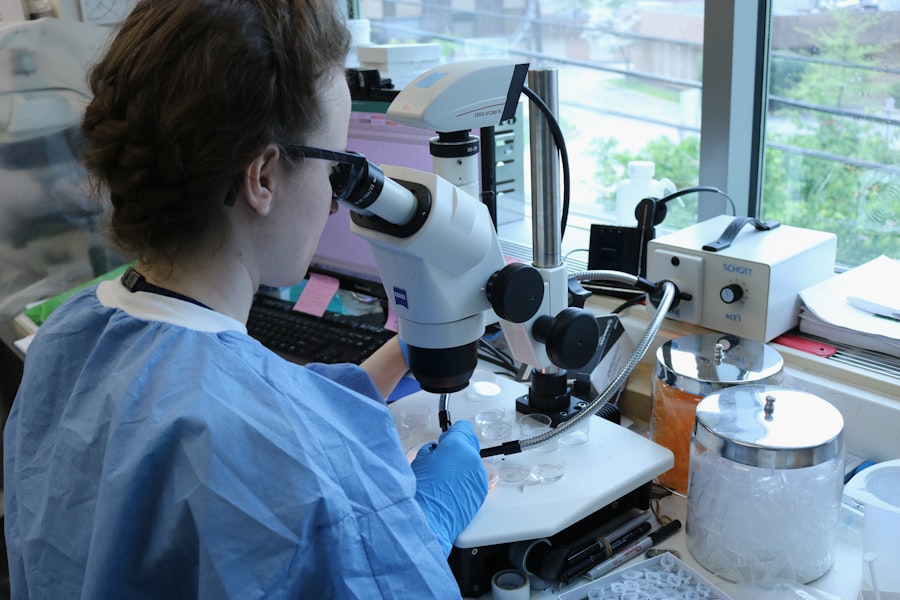
To excel in remote clinical research roles, candidates must possess a unique blend of skills and qualifications. A strong educational background in life sciences, nursing, or a related field is typically required, with many positions favoring candidates who hold advanced degrees or certifications in clinical research. Familiarity with Good Clinical Practice (GCP) guidelines and regulatory requirements is essential for ensuring compliance throughout the research process.
Additionally, proficiency in data management software and electronic data capture systems is increasingly important as these tools become standard in remote research environments. Beyond technical qualifications, soft skills play a crucial role in the success of remote clinical researchers. Effective communication is paramount, as remote work often relies on virtual meetings and written correspondence to facilitate collaboration among team members.
Strong organizational skills are also vital for managing multiple tasks and deadlines without the structure of a traditional office setting. Moreover, adaptability is key; remote researchers must be comfortable navigating new technologies and adjusting to evolving project requirements. The ability to work independently while remaining accountable for one’s contributions is another critical trait that distinguishes successful remote clinical research professionals.
Finding Remote Clinical Research Opportunities in Healthcare
Identifying remote clinical research opportunities requires a strategic approach. Job seekers can begin by exploring specialized job boards that focus on healthcare and clinical research positions. Websites such as ClinicalTrials.gov and BioSpace often list remote roles alongside traditional postings.
Networking within professional organizations, such as the Association of Clinical Research Professionals (ACRP) or the Society of Clinical Research Associates (SoCRA), can also yield valuable leads and connections in the industry. Social media platforms like LinkedIn have become powerful tools for job seekers in the clinical research field. By joining relevant groups and engaging with industry professionals, candidates can stay informed about new opportunities and trends in remote work.
Additionally, many organizations are increasingly using their social media channels to announce job openings and company news. Attending virtual conferences and webinars can further enhance networking efforts while providing insights into emerging practices and technologies in clinical research.
Challenges and Considerations for Remote Clinical Research Professionals
| Job Title | Average Salary | Experience Level | Key Skills | Typical Employers | Remote Availability |
|---|---|---|---|---|---|
| Clinical Research Associate (CRA) | 85,000 – 110,000 | Mid to Senior | Monitoring, GCP, Data Management | Pharmaceutical Companies, CROs | High |
| Clinical Data Manager | 75,000 – 100,000 | Mid | Data Analysis, SAS, EDC Systems | Biotech Firms, CROs | Moderate |
| Regulatory Affairs Specialist | 70,000 – 95,000 | Mid | Regulatory Submissions, FDA Guidelines | Pharma, Medical Device Companies | Moderate to High |
| Clinical Project Manager | 95,000 – 130,000 | Senior | Project Management, Budgeting, Leadership | CROs, Pharma Companies | High |
| Medical Writer | 65,000 – 90,000 | Entry to Mid | Scientific Writing, Regulatory Knowledge | Pharma, CROs, Publishing | Very High |
While remote clinical research jobs offer numerous benefits, they also present unique challenges that professionals must navigate. One significant concern is the potential for isolation and disconnection from colleagues. The absence of face-to-face interactions can hinder relationship-building and collaboration, which are essential components of successful research teams.
To mitigate this issue, remote researchers must proactively seek opportunities for engagement through virtual meetings, team-building activities, and informal check-ins. Another challenge is maintaining effective communication across different time zones and locations. Remote teams often consist of members from various regions, which can complicate scheduling meetings and coordinating project timelines.
To address this challenge, professionals should establish clear communication protocols and utilize project management tools that facilitate transparency and accountability among team members. Additionally, being mindful of cultural differences and varying work styles can enhance collaboration and foster a more inclusive team environment.
Remote Clinical Research Job Outlook and Growth in the Healthcare Industry

The outlook for remote clinical research jobs appears promising as the healthcare industry continues to evolve. According to recent reports from industry analysts, the global clinical trials market is expected to grow significantly over the next several years, driven by advancements in technology and an increasing emphasis on patient-centric approaches. This growth will likely lead to an expansion of remote job opportunities as organizations seek to streamline operations and enhance efficiency.
Moreover, the ongoing demand for innovative treatments and therapies necessitates robust clinical research efforts. As pharmaceutical companies, biotechnology firms, and academic institutions invest in research initiatives, the need for skilled professionals who can operate effectively in remote settings will only increase. The integration of telemedicine and digital health solutions into clinical trials further underscores the importance of remote roles in facilitating patient engagement and data collection.
Tips for Success in Remote Clinical Research Positions
To thrive in remote clinical research positions, professionals should adopt several best practices that enhance productivity and collaboration. First and foremost, establishing a dedicated workspace can significantly improve focus and minimize distractions. Creating an environment conducive to work helps delineate professional responsibilities from personal life, fostering a more disciplined approach to daily tasks.
Effective time management is another critical component of success in remote roles. Utilizing tools such as calendars, task lists, and project management software can help professionals prioritize their responsibilities and meet deadlines consistently. Setting specific goals for each work session can also enhance motivation and accountability.
Additionally, regular self-assessment allows individuals to identify areas for improvement and adjust their strategies accordingly. Building strong relationships with colleagues is essential for fostering collaboration in a remote setting. Engaging in regular communication through video calls or instant messaging platforms helps maintain connections and encourages teamwork.
Participating in virtual social events or informal gatherings can further strengthen bonds among team members, creating a supportive network that enhances overall job satisfaction.
The Future of Remote Clinical Research in Healthcare
As we look ahead, the future of remote clinical research in healthcare appears bright, driven by technological advancements and changing workforce dynamics. The integration of artificial intelligence (AI) and machine learning into clinical trials is poised to revolutionize data analysis and patient recruitment processes. These technologies can streamline operations, reduce costs, and improve trial outcomes by enabling more precise targeting of patient populations.
Furthermore, the growing emphasis on decentralized clinical trials (DCTs) reflects a shift toward more patient-centric approaches in research. DCTs leverage digital tools to facilitate remote patient monitoring, telehealth consultations, and electronic data capture, making it easier for participants to engage with studies from their homes. This trend not only enhances patient convenience but also broadens access to diverse populations that may have previously faced barriers to participation.
In conclusion, as remote clinical research jobs continue to gain traction within the healthcare industry, professionals must remain adaptable and proactive in developing their skills and navigating challenges. The ongoing evolution of technology will undoubtedly shape the future landscape of clinical research, creating new opportunities for innovation and collaboration that will ultimately benefit patients worldwide.
