
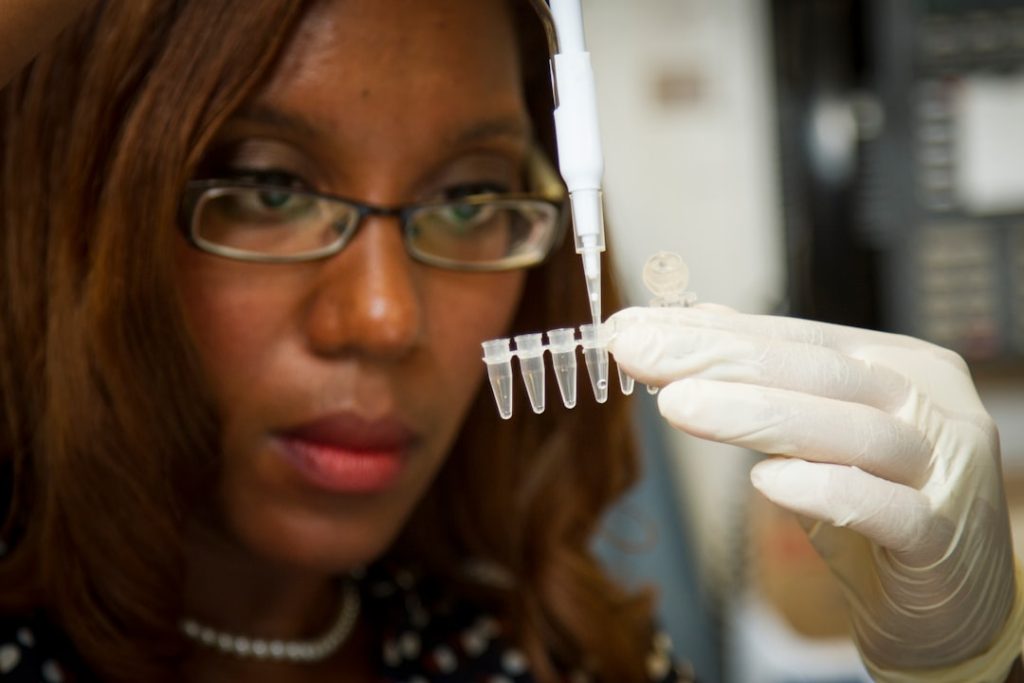
Clinical research serves as the backbone of modern medicine, providing the essential framework for developing new treatments, medications, and medical devices. It encompasses a wide range of studies that evaluate the safety and efficacy of interventions in human subjects. The significance of clinical research cannot be overstated; it is through these rigorous investigations that healthcare professionals can ascertain the best practices for treating various conditions.
For instance, the development of vaccines, such as those for polio and more recently COVID-19, relied heavily on clinical trials to ensure their safety and effectiveness before they were made available to the public. Moreover, clinical research plays a critical role in advancing medical knowledge. It allows researchers to explore new hypotheses, understand disease mechanisms, and identify potential therapeutic targets.

The findings from clinical trials contribute to evidence-based medicine, which is the cornerstone of clinical practice today. This evidence not only informs treatment guidelines but also empowers patients with information about their health options. As such, clinical research is not merely an academic exercise; it has real-world implications that can lead to improved patient outcomes and enhanced quality of life.
Key Takeaways
- Clinical research is vital for advancing medical knowledge and treatments.
- Local hospitals and research facilities are key sources for finding clinical trial opportunities.
- Thoroughly researching nearby clinical studies helps identify suitable participation options.
- Volunteering in clinical research requires understanding both potential benefits and risks.
- Advocating for broader access to clinical research can improve community health outcomes.
Finding Clinical Research Opportunities in Your Area

Locating clinical research opportunities in your vicinity can be a straightforward process if you know where to look. One of the most effective ways to start is by utilizing online databases and registries that list ongoing clinical trials. Websites such as ClinicalTrials.gov provide comprehensive information about studies being conducted across various locations, including eligibility criteria, study phases, and contact information for researchers.
By entering your location and specific health conditions of interest, you can quickly identify relevant trials that may be recruiting participants. In addition to online resources, local hospitals and medical centers often have dedicated research departments that conduct clinical trials. These institutions may not always advertise their studies widely, so it can be beneficial to reach out directly to inquire about any ongoing or upcoming research opportunities.
Networking within your community can also yield valuable insights; speaking with healthcare providers or attending local health fairs can help you discover trials that may not be listed online. Engaging with patient advocacy groups related to specific diseases can further enhance your search, as these organizations often have information about clinical trials tailored to their members.
Researching Clinical Trials and Studies Near Me
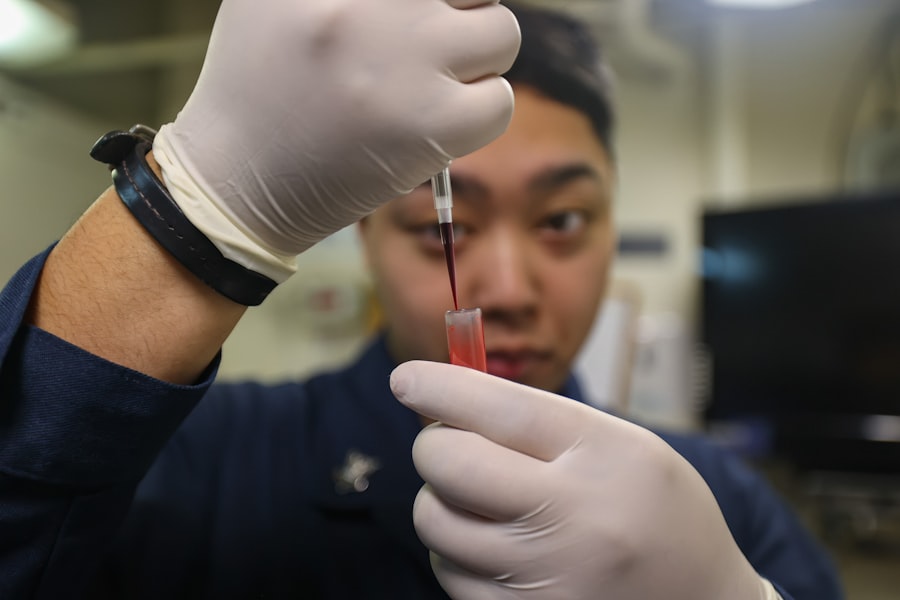
Once you have identified potential clinical trials in your area, the next step involves thorough research to understand each study’s specifics. Each clinical trial is designed with a unique set of objectives, methodologies, and eligibility criteria. It is crucial to read through the trial descriptions carefully to determine whether you meet the requirements for participation.
For example, some studies may focus on particular age groups, while others might require participants to have specific medical conditions or treatment histories. Additionally, understanding the phase of the trial is essential. Clinical trials are typically categorized into four phases: Phase I trials assess safety and dosage; Phase II trials evaluate efficacy and side effects; Phase III trials compare new treatments against standard care; and Phase IV trials monitor long-term effects after a treatment has been approved.
Each phase has different implications for participants regarding risk and potential benefits. By familiarizing yourself with these phases and the specific goals of each trial, you can make a more informed decision about whether to participate.
Contacting Local Research Facilities and Hospitals
After narrowing down your options based on your research, reaching out to local research facilities and hospitals is a critical next step. When contacting these institutions, it is advisable to prepare a list of questions that address your concerns and interests regarding participation in a clinical trial. Inquire about the study’s purpose, what participation entails, the duration of the trial, and any potential risks or side effects associated with the intervention being tested.
Establishing direct communication with the research team can also provide insights into their experience and approach to participant care. Understanding how they handle participant safety, data privacy, and follow-up care can significantly influence your decision-making process. Additionally, many research facilities have dedicated staff who specialize in participant recruitment and can guide you through the enrollment process, making it easier for you to navigate any complexities involved.
Connecting with Research Organizations and Universities
| Metric | Description | Example Data |
|---|---|---|
| Number of Clinical Trials | Total active clinical trials available within a 50-mile radius | 125 |
| Trial Phases | Distribution of clinical trials by phase (I, II, III, IV) | Phase I: 20%, Phase II: 35%, Phase III: 30%, Phase IV: 15% |
| Common Therapeutic Areas | Most frequent medical conditions studied in local trials | Oncology, Cardiology, Neurology, Diabetes |
| Average Enrollment Time | Average duration to enroll participants in local trials | 3 months |
| Participant Eligibility Rate | Percentage of screened individuals who qualify for trials | 40% |
| Number of Research Centers | Count of clinical research facilities nearby | 15 |
| Patient Compensation | Typical compensation range for trial participants | Varies by study |
In addition to hospitals and clinics, connecting with research organizations and universities can open up further avenues for finding clinical research opportunities. Many academic institutions have robust research programs that frequently conduct clinical trials across various disciplines. These organizations often collaborate with pharmaceutical companies or government agencies to explore innovative treatments and therapies.
Engaging with these institutions can also provide access to cutting-edge research initiatives that may not be available elsewhere. Universities often host informational sessions or community outreach programs aimed at educating the public about ongoing studies and their significance. Attending these events can help you network with researchers and other potential participants while gaining a deeper understanding of the research landscape in your area.
Participating in Clinical Research as a Volunteer
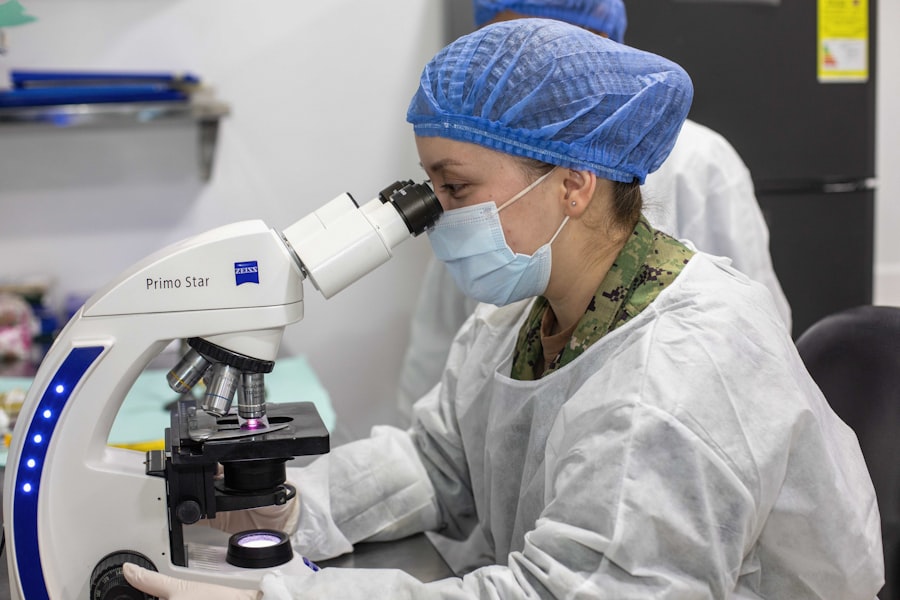
Volunteering for clinical research can be a rewarding experience that contributes significantly to medical advancements while also providing personal benefits. Many individuals choose to participate in clinical trials out of a desire to help others who may be suffering from similar health issues or conditions. By volunteering, you become part of a larger effort to improve treatment options and outcomes for future patients.
Participation in clinical research often comes with certain perks as well. Volunteers may receive access to new therapies before they are widely available or benefit from close monitoring by healthcare professionals throughout the study duration. Additionally, many trials offer compensation for time and travel expenses incurred during participation.
This financial support can alleviate some burdens associated with participating in a study while also encouraging broader community involvement in clinical research initiatives.
Understanding the Benefits and Risks of Participating in Clinical Research
Before deciding to participate in a clinical trial, it is essential to weigh both the benefits and risks involved. On one hand, participating in clinical research can provide access to innovative treatments that may not yet be available through standard care pathways. This access can be particularly valuable for individuals with chronic or life-threatening conditions who have exhausted conventional treatment options.
On the other hand, there are inherent risks associated with participating in clinical trials. These may include potential side effects from experimental treatments or interventions that are not yet fully understood. It is crucial for prospective participants to engage in open discussions with researchers about these risks and ensure they have a clear understanding of what participation entails before making a commitment.
Informed consent is a fundamental aspect of clinical research; participants should feel empowered to ask questions and seek clarification on any points of uncertainty.
Advocating for Access to Clinical Research in Your Community
Advocating for access to clinical research within your community is vital for fostering an environment where individuals feel empowered to participate in studies that could benefit their health and well-being. Community engagement initiatives can help raise awareness about the importance of clinical trials and dispel common misconceptions surrounding them. For instance, organizing informational workshops or seminars can provide valuable insights into how clinical research works and its potential impact on healthcare.
Furthermore, collaborating with local healthcare providers, patient advocacy groups, and community organizations can amplify your efforts in promoting access to clinical research opportunities. By working together, these stakeholders can create outreach programs that educate residents about ongoing studies while also addressing barriers that may prevent participation, such as transportation issues or lack of awareness about available trials. Building a supportive network within your community not only enhances access to clinical research but also fosters a culture of collaboration that ultimately benefits public health outcomes.
