
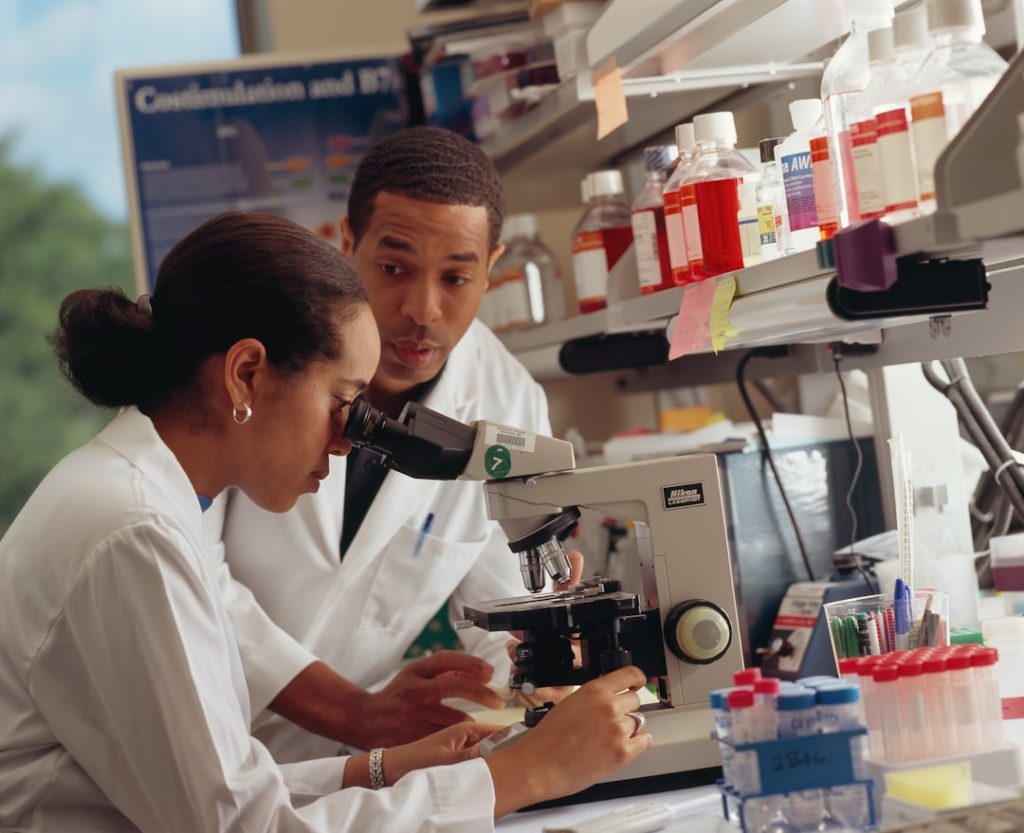
Biomedical research, an interdisciplinary field, integrates biology and medicine to investigate health and disease. It encompasses a wide spectrum of scientific inquiry, from basic molecular mechanisms to clinical trials and public health interventions. The ultimate goal is to improve human health through understanding, preventing, diagnosing, and treating diseases. Over recent decades, significant advancements have reshaped our understanding and capabilities within this field. These advancements often stem from technological innovation, improved analytical techniques, and a more integrated approach to complex biological systems.

The advent of high-throughput sequencing technologies has revolutionized our ability to study the human genome and the genomes of pathogens. This has opened new avenues for understanding genetic predispositions to disease and for developing targeted therapies. Gene editing technologies, particularly CRISPR-Cas9, have moved from theoretical concepts to practical applications, offering unprecedented precision in altering genetic material.

Next-Generation Sequencing
Next-generation sequencing (NGS), or high-throughput sequencing, refers to a suite of technologies that have dramatically decreased the cost and increased the speed of DNA sequencing. Unlike Sanger sequencing, the gold standard for decades, NGS platforms can sequence millions of DNA fragments simultaneously. This parallel processing capability has made large-scale genomic projects feasible. For example, the cost of sequencing a human genome has dropped from billions of dollars to under a thousand, altering the landscape of genetic research and clinical diagnostics.
One direct impact of NGS is its application in personalized medicine. By sequencing an individual’s genome, healthcare providers can identify genetic variations that may influence drug metabolism, disease susceptibility, or treatment efficacy. This allows for more tailored therapeutic approaches, moving away from a “one-size-fits-all” model. Furthermore, NGS is crucial in oncology for identifying somatic mutations in tumors, guiding treatment selection, and monitoring treatment response. In infectious disease, it enables rapid identification of pathogens, tracking of outbreaks, and surveillance of antimicrobial resistance determinants.
CRISPR-Cas9 Technology
CRISPR-Cas9 represents a significant leap in gene editing. This system, originally discovered as a bacterial defense mechanism against viruses, allows for precise targeted modifications to DNA within living cells. It operates like a molecular scissor, guided by a synthetic RNA molecule that matches a specific DNA sequence, directing the Cas9 enzyme to cut the DNA at that location.
The precision and relative ease of use of CRISPR-Cas9 have propelled it into a wide range of research applications. In basic research, it enables scientists to create knockout models to study gene function, introduce specific mutations to mimic disease states, or insert new genetic material. In therapeutic development, it holds promise for correcting genetic defects associated with diseases like cystic fibrosis, sickle cell anemia, and Duchenne muscular dystrophy. While ethical considerations and off-target effects remain areas of active research and refinement, the potential of CRISPR-Cas9 to cure genetic diseases is substantial. Clinical trials utilizing CRISPR-based therapies are ongoing for various conditions, representing a frontier in modern medicine.
Advanced Imaging Techniques
The ability to visualize biological structures and processes at various scales, from sub-cellular to whole-organism, is fundamental to understanding health and disease. Advancements in imaging technologies have provided researchers with unprecedented insight into the complex dynamics of biological systems.
Cryo-Electron Microscopy
Cryo-electron microscopy (cryo-EM) has revolutionized structural biology. For decades, X-ray crystallography was the primary method for determining high-resolution protein structures, but it often required proteins to be crystallized, a challenging and sometimes impossible task for many proteins, particularly large, dynamic complexes. Cryo-EM allows for the visualization of biological macromolecules in their native state, in solution, and without the need for crystallization. Samples are rapidly frozen, preserving their structure, and then imaged with an electron beam.
The technique has enabled the determination of structures for large protein complexes, membrane proteins, and viral particles that were previously intractable. This has provided critical insights into fundamental biological processes, such as gene expression, protein synthesis, and immune recognition. For example, cryo-EM has been instrumental in resolving the atomic structures of ribosomes, spliceosomes, and various viral capsids, deepening our understanding of their mechanisms of action and providing targets for drug design.
Live-Cell Imaging
Live-cell imaging encompasses a range of techniques that allow scientists to observe cellular processes in real-time within a living context. Unlike fixed-cell imaging, which provides a snapshot, live-cell imaging offers a cinematic view of dynamic events such as cell division, migration, protein trafficking, and organelle interactions. This often involves the use of fluorescent probes or genetically encoded reporters to highlight specific structures or molecules.
Advances in microscopy, such as super-resolution microscopy (e.g., STED, PALM, STORM) and light-sheet microscopy, have significantly enhanced the capabilities of live-cell imaging. Super-resolution techniques overcome the diffraction limit of light, allowing visualization of structures below 200 nanometers. Light-sheet microscopy, by illuminating the sample with a thin sheet of light, reduces phototoxicity and photobleaching, enabling longer observation times of delicate living samples. These technologies are crucial for understanding cellular responses to stimuli, disease progression at the cellular level, and the efficacy of potential therapeutic compounds in a dynamic environment.
Immunotherapy and Cancer Research

Cancer research remains a critical area of biomedical advancement. While traditional treatments like chemotherapy and radiation have made strides, the development of immunotherapies has introduced a fundamentally new paradigm for fighting cancer, leveraging the body’s own immune system.
Checkpoint Inhibitors
Immune checkpoint inhibitors represent a significant breakthrough in cancer treatment. The immune system has built-in checkpoints—molecules on immune cells that need to be activated or deactivated to initiate an immune response. Tumor cells can exploit these checkpoints, effectively putting a brake on the immune system and allowing them to evade detection and destruction. Checkpoint inhibitors are monoclonal antibodies that block these inhibitory signals, thereby unleashing the immune system to attack cancer cells.
Key targets for these inhibitors include PD-1 (Programmed Death-1) and CTLA-4 (Cytotoxic T-Lymphocyte-Associated protein 4). By blocking these pathways, checkpoint inhibitors can lead to durable responses in a subset of patients with various cancers, including melanoma, lung cancer, and kidney cancer. While not universally effective, their success has shifted the landscape of oncology, providing a new class of treatments for previously recalcitrant cancers. Research continues to identify new checkpoint targets and combination therapies to expand the number of patients who can benefit.
CAR T-cell Therapy
Chimeric Antigen Receptor (CAR) T-cell therapy is a form of adoptive cell therapy where a patient’s own T cells are genetically engineered to express a CAR that enables them to recognize and kill cancer cells. The process involves isolating T cells from a patient, modifying them in a laboratory to introduce the CAR gene, expanding these modified T cells, and then infusing them back into the patient.
CAR T-cell therapy has shown remarkable success in treating certain blood cancers, particularly B-cell acute lymphoblastic leukemia (ALL) and large B-cell lymphoma, in patients who have failed prior treatments. For these patients, CAR T-cell therapy can induce high rates of complete remission. While highly effective, it can also lead to significant side effects, such as cytokine release syndrome and neurotoxicity, requiring specialized management. Research is ongoing to improve the safety profile, expand its applicability to solid tumors, and develop “off-the-shelf” allogeneic CAR T-cell products.
Neuroscience and Brain-Computer Interfaces

The human brain remains one of the most complex and least understood organs. Advances in neuroscience are shedding light on its intricate workings, and emerging technologies like brain-computer interfaces (BCIs) are beginning to bridge the gap between neural activity and external control.
Optogenetics
Optogenetics is a powerful neuroscience technique that allows for the precise control of neuronal activity using light. It involves genetically modifying specific neurons to express light-sensitive proteins, primarily microbial opsins. When light of a specific wavelength is shone on these modified neurons, the opsins act as ion channels or pumps, allowing researchers to either activate or inhibit the neurons with millisecond precision. This offers an unparalleled level of spatiotemporal control over neural circuits.
The technique has been instrumental in dissecting the functions of specific neural circuits involved in behavior, memory, and disease. For instance, researchers can activate or silence neurons in a particular brain region and observe the resulting changes in animal behavior, providing causal links between neural activity and function. Optogenetics has advanced our understanding of conditions like Parkinson’s disease, depression, and addiction, paving the way for targeted therapeutic interventions.
Brain-Computer Interfaces
Brain-Computer Interfaces (BCIs) are systems that allow direct communication pathways between the brain and an external device. They translate brain activity into commands that external devices can understand and execute. BCIs can be broadly categorized into invasive (requiring surgical implantation of electrodes) and non-invasive (using external sensors like EEG caps) types.
The primary application of BCIs has been in assisting individuals with severe motor disabilities, such as those caused by spinal cord injury, ALS, or stroke. Invasive BCIs have enabled paralyzed individuals to control robotic prosthetics, navigate computer cursors, and even operate communication devices using only their thoughts. This technology acts as a direct bridge, bypassing damaged neural pathways. Ongoing research aims to improve the resolution, stability, and long-term viability of implanted devices, as well as to develop more robust non-invasive solutions, broadening their accessibility and application for communication, rehabilitation, and even augmentation of human capabilities.
Drug Discovery and Delivery
| Metric | Description | Typical Value / Range | Unit |
|---|---|---|---|
| Research Funding | Annual budget allocated to biomedical research | 10 – 50 billion | USD (billions) |
| Number of Publications | Scientific papers published annually in biomedical research | 100,000 – 200,000 | Publications per year |
| Clinical Trials Initiated | Number of new clinical trials started annually | 5,000 – 10,000 | Trials per year |
| Average Time to Drug Approval | Time taken from drug discovery to regulatory approval | 8 – 12 | Years |
| Success Rate of Clinical Trials | Percentage of clinical trials that lead to drug approval | 10 – 15 | Percent (%) |
| Number of Patents Filed | Biomedical patents filed annually | 20,000 – 30,000 | Patents per year |
| Average Researcher Salary | Annual salary of biomedical researchers | 60,000 – 120,000 | USD |
| Research Institutions | Number of active biomedical research institutions worldwide | 1,000 – 2,000 | Institutions |
The process of discovering new drugs and efficiently delivering them to their intended targets in the body is central to biomedical advancement. Innovations in computational methods, target identification, and nanotechnology are transforming this field.
Artificial Intelligence in Drug Discovery
Artificial Intelligence (AI) and machine learning (ML) are increasingly being integrated into various stages of drug discovery. Traditional drug discovery is a lengthy, resource-intensive process with high failure rates. AI can accelerate this by analyzing vast datasets, including genomic data, protein structures, and chemical libraries, to identify potential drug candidates and predict their efficacy, toxicity, and pharmacokinetic properties.
Specific applications include target identification and validation, where AI algorithms can predict disease-associated proteins. In hit identification, AI can screen millions of compounds virtually, often more efficiently than traditional high-throughput screening, to find molecules that bind to a target. Furthermore, AI can aid in lead optimization by designing novel molecules with improved properties and in predicting clinical trial outcomes. While still an evolving field, AI promises to reduce the time and cost associated with bringing new drugs to market, potentially leading to more effective and safer therapies.
Nanomedicine for Targeted Delivery
Nanomedicine, the application of nanotechnology to medicine, is having a significant impact on drug delivery. Traditional drugs often distribute throughout the body, leading to off-target effects and requiring higher doses. Nanoscale materials, typically between 1 and 100 nanometers, can be engineered to precisely encapsulate drugs and deliver them to specific cells or tissues. This targeted approach can enhance therapeutic efficacy while minimizing side effects.
Examples of nanocarriers include liposomes, polymeric nanoparticles, and dendrimers. These carriers can be functionalized with targeting ligands (e.g., antibodies, peptides) that recognize specific receptors overexpressed on diseased cells, such as tumor cells. This ‘homing’ mechanism allows drugs to accumulate at the site of action, increasing their local concentration. For instance, Doxil, a liposomal formulation of doxorubicin, reduces cardiotoxicity associated with the conventional drug. Nanomedicine also shows promise in delivering challenging therapeutics like nucleic acids (e.g., siRNA, mRNA vaccines) and gene-editing components, protecting them from degradation and facilitating cellular uptake. Continued research focuses on improving biocompatibility, stability, and manufacturing scalability of these advanced delivery systems.
