

This article outlines significant advancements in cancer treatment, with a particular focus on the role of database medical research in driving these developments. It examines the evolution of treatment modalities, the challenges in data integration, and the future potential of these information systems.
Cancer, a complex and multifaceted disease, has long presented a formidable challenge to medical science. The sheer variability among patients, tumor types, and treatment responses necessitates a highly individualized approach. For centuries, cancer treatment relied heavily on empirical observation and often crude interventions. However, the dawn of the data age has fundamentally altered this landscape. You, as a reader of medical literature, understand that progress in medicine is intrinsically linked to the ability to collect, process, and interpret vast amounts of information. In the context of cancer, this information is not merely supplementary; it is foundational.

Database medical research acts as the central nervous system for modern oncology, connecting disparate pieces of data into a coherent whole. This infrastructure allows researchers and clinicians to move beyond anecdotal evidence and towards an evidence-based paradigm. Imagine cancer research as a vast, intricate puzzle. Without organized databases, individual pieces remain scattered and their connections obscured. Database medical research provides the framework to assemble these pieces, revealing the larger picture of disease mechanisms and treatment efficacy.
Historical Context of Data Management in Oncology
Early attempts at data collection in oncology were often localized and paper-based. Patient records, pathology reports, and treatment outcomes were meticulously documented, but their utility for large-scale analysis was limited. The advent of electronic health records (EHRs) in the late 20th century marked a pivotal shift. While initially focused on administrative efficiency, EHRs began to aggregate clinical data in a digital format, paving the way for more sophisticated analysis. However, early EHRs often lacked standardization and interoperability, creating data silos that hindered comprehensive research.

The establishment of large-scale cancer registries, such as the Surveillance, Epidemiology, and End Results (SEER) program in the United States, further advanced data collection. These registries systematically gather information on cancer incidence, prevalence, survival, and treatment patterns, providing invaluable epidemiological insights. These initial efforts, while foundational, laid the groundwork for the highly integrated database systems we observe today. They demonstrated the profound impact of organized data collection on understanding disease trends and evaluating treatment effectiveness at a population level.
The Role of Big Data in Precision Oncology
The concept of “Big Data” has become synonymous with contemporary medical research, and its application in oncology is particularly transformative. Big Data in cancer encompasses genomic sequencing data, imaging data, clinical trial outcomes, and real-world evidence from EHRs. This volume and variety of data necessitate specialized computational tools and analytical techniques. Precision oncology, often referred to as personalized medicine, is a direct beneficiary of Big Data. It aims to tailor treatment strategies based on an individual patient’s unique genetic profile and tumor characteristics.
For instance, identifying specific mutations in a tumor’s DNA can predict its responsiveness to certain targeted therapies. This level of personalized treatment was largely unattainable before the comprehensive integration and analysis of genomic databases. You can think of Big Data as a high-resolution map of the human body and its diseases. Traditional medical approaches operated with a more generalized map; Big Data offers the intricate details required for navigating complex conditions like cancer with greater precision.
Genomic and Proteomic Databases: Unlocking Biological Mechanisms
The last two decades have witnessed an explosion in our understanding of the molecular underpinnings of cancer. This progress is intimately tied to the development and utilization of genomic and proteomic databases. These repositories house information on the genetic material (DNA and RNA) and proteins within cancer cells, providing critical insights into disease initiation, progression, and potential therapeutic targets.
The Human Genome Project’s Legacy
The completion of the Human Genome Project (HGP) in 2003 was a watershed moment, providing a foundational reference for all subsequent genomic research. While not directly focused on cancer, the HGP opened the door to sequencing individual cancer genomes and comparing them to healthy tissue. This comparative analysis allows researchers to identify somatic mutations—genetic alterations acquired during an individual’s lifetime—that drive cancer development. Databases such as The Cancer Genome Atlas (TCGA) have subsequently amassed a vast collection of genomic, epigenomic, and transcriptomic data from thousands of patient tumors across various cancer types.
TCGA, a collaborative effort, provided a comprehensive and publicly accessible resource that allowed researchers worldwide to delve into the molecular characteristics of diverse cancers. It became a blueprint for understanding the genetic heterogeneity within and between different cancer types. Its legacy is not just the data itself, but the establishment of a robust framework for systematic and large-scale molecular characterization of diseases.
Proteomics and Biomarker Discovery
Beyond the genome, the proteome—the complete set of proteins expressed by an organism—offers another layer of biological information critical for cancer research. Proteins are the workhorses of the cell, carrying out most cellular functions. Aberrant protein expression or function can directly contribute to cancer development and progression. Proteomic databases store information on protein sequences, modifications, interactions, and expression levels.
The integration of genomic and proteomic data is particularly powerful for biomarker discovery. Biomarkers are measurable indicators of a biological state or condition. In oncology, they can be used for early detection, prognosis, and predicting treatment response. For example, specific protein expression patterns in a blood sample could indicate the presence of a tumor long before it is clinically detectable, or guide the selection of a particular therapy. Think of proteomic databases as a detailed inventory of all the components within a specialized engine (the cancer cell). By examining this inventory, researchers can identify faulty parts or signals that indicate the engine’s malfunction.
Clinical Trial Databases: Evidence-Based Treatment Development
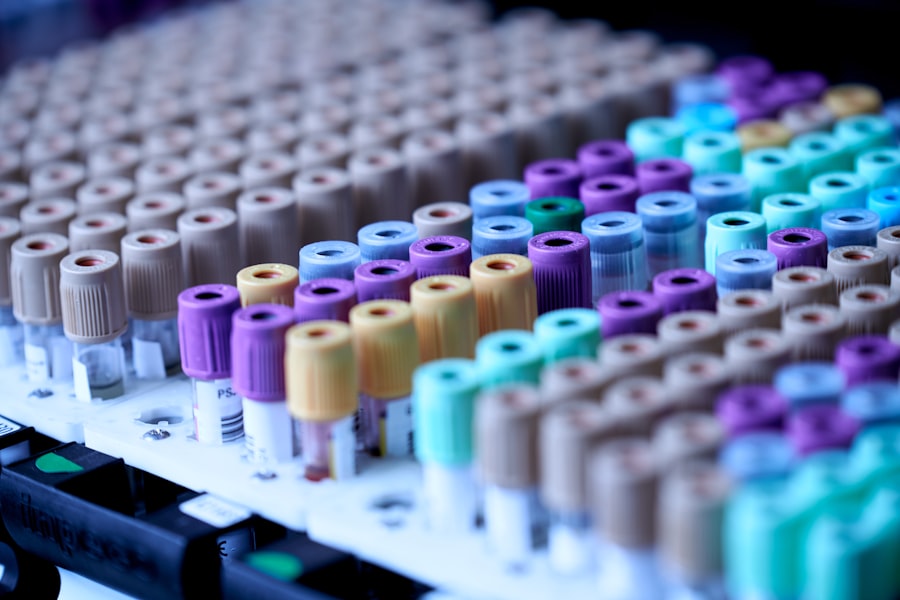
Clinical trials are the backbone of evidence-based medicine, rigorously evaluating the safety and efficacy of new cancer treatments. Integrating data from these trials into comprehensive databases is crucial for accelerating drug development, identifying optimal treatment regimens, and informing clinical practice guidelines.
Centralized Repositories for Trial Data
Historically, clinical trial data was often held by individual pharmaceutical companies or research institutions. This fragmented approach made it difficult to synthesize information across trials, identify gaps in research, or compare the effectiveness of different interventions. The establishment of centralized clinical trial registries, such as ClinicalTrials.gov, has significantly improved transparency and data accessibility. These registries require researchers to register their trials and report their results, even negative ones, promoting ethical research practices and preventing publication bias.
For you, as a healthcare professional or researcher, access to these centralized databases provides a critical resource for understanding the latest advancements and evaluating the evidence base for various treatment options. It allows for meta-analysis, where data from multiple similar trials are combined to yield more robust statistical conclusions, thereby strengthening the evidence for a particular therapy.
Real-World Evidence and Post-Market Surveillance
While randomized controlled trials (RCTs) are considered the gold standard for evaluating drug efficacy, they often involve highly selected patient populations and controlled environments. Real-world evidence (RWE), derived from routine clinical practice, provides complementary insights into how treatments perform in diverse, unselected patient populations outside of highly structured trial settings. Databases containing de-identified EHR data, for instance, are increasingly being leveraged to generate RWE.
This RWE is crucial for post-market surveillance, monitoring the long-term safety and effectiveness of approved drugs once they are widely used. It can uncover rare side effects or identify subpopulations that respond differently to a treatment. Consider RWE as observing a newly introduced car model not just on a meticulously designed test track (RCTs), but on the diverse and unpredictable conditions of everyday roads. This broader observation reveals insights about its true performance and durability in varying real-world scenarios.
Imaging Databases and Artificial Intelligence: Enhanced Diagnosis and Prognosis

Medical imaging plays a pivotal role in cancer diagnosis, staging, and monitoring treatment response. The integration of imaging data into comprehensive databases, coupled with advancements in artificial intelligence (AI), is revolutionizing how we interpret these images and derive actionable insights.
Radiomics and Quantitative Image Analysis
Radiomics involves extracting a large number of quantitative features from medical images, such as CT, MRI, and PET scans, using advanced computational algorithms. These features, which are often imperceptible to the human eye, can provide valuable information about tumor characteristics, heterogeneity, and aggressiveness. Imaging databases store these raw images along with their associated radiomic features and clinical outcomes.
This wealth of data enables researchers to identify specific radiomic signatures that correlate with particular molecular subtypes of cancer, predict treatment response, or even forecast patient survival. The ability to extract subtle, quantifiable information from images transforms them from mere visual representations into rich data sources. Imagine being able to measure not just the size of an apple, but also its density, texture, and internal structure with unprecedented detail, all from a single image. Radiomics offers this level of detailed analysis for tumors.
AI and Machine Learning for Image Interpretation
Artificial intelligence, particularly deep learning, has demonstrated remarkable capabilities in medical image analysis. Machine learning algorithms, trained on vast imaging databases labeled with expert annotations, can learn to identify subtle patterns indicative of malignancy, classify tumor types, and even segment tumors with high accuracy. This can assist radiologists in making more precise diagnoses and reducing inter-observer variability.
For example, AI systems can be trained to detect early signs of lung cancer in CT scans that might be missed by the human eye, or to predict the likelihood of a tumor responding to a particular chemotherapy regimen based on its imaging characteristics. This technology serves as an intelligent assistant, augmenting human expertise rather than replacing it. It offers a standardized and highly efficient method for critical image review and analysis, akin to having an expert second opinion instantly and consistently available.
Challenges and Future Directions in Database Integration
| Database Name | Type of Data | Number of Records | Coverage Period | Primary Use | Access Type |
|---|---|---|---|---|---|
| PubMed | Biomedical Literature | 35+ million citations | 1946 – Present | Literature Search & Review | Free |
| ClinicalTrials.gov | Clinical Trial Registrations | 450,000+ studies | 2000 – Present | Clinical Trial Data | Free |
| SEER (Surveillance, Epidemiology, and End Results) | Cancer Incidence and Survival | ~10 million cases | 1973 – Present | Population-Based Cancer Statistics | Free |
| Cochrane Library | Systematic Reviews and Meta-Analyses | 10,000+ reviews | 1993 – Present | Evidence-Based Medicine | Subscription/Free |
| EMBASE | Biomedical and Pharmacological Literature | 32+ million records | 1947 – Present | Drug and Medical Research | Subscription |
Despite the profound impact of database medical research on cancer treatment, significant challenges remain in achieving optimal data integration, ensuring data quality, and addressing ethical considerations. These hurdles must be overcome to fully realize the potential of these information systems.
Interoperability and Data Standardization
One of the most persistent challenges is the lack of interoperability between different database systems. Data silos still exist due to varying data formats, coding standards, and proprietary software. This fragmentation hinders the ability to seamlessly share and integrate data across institutions, research groups, and even within the same hospital system. Your understanding of information technology will readily grasp the complexities of harmonizing disparate systems built with differing specifications.
Efforts are underway to develop common data models and standardized terminologies (e.g., SNOMED CT, LOINC) to facilitate data exchange. However, achieving widespread adoption requires significant collaborative effort from government agencies, healthcare providers, and technology developers. Breaking down these data silos is paramount to creating a truly interconnected data ecosystem for cancer research.
Data Privacy, Security, and Ethical Considerations
The collection and sharing of vast amounts of sensitive patient data raise critical concerns regarding privacy and security. Robust measures are essential to protect patient confidentiality and prevent unauthorized access. This includes strict data anonymization or de-identification protocols, secure data storage, and adherence to regulatory frameworks such as GDPR and HIPAA.
Beyond security, ethical considerations surrounding data ownership, informed consent for data sharing, and potential biases in AI algorithms trained on incomplete or unrepresentative datasets must be carefully addressed. Ensuring patient trust is paramount for the continued success of data-driven medical research. You, as a stakeholder in the healthcare system, recognize the delicate balance between accelerating medical discovery and safeguarding individual privacy.
The Rise of Federated Learning
Federated learning is an emerging AI approach that offers a promising solution to some of these challenges. Instead of centralizing all data in one location, federated learning allows AI models to be trained on decentralized datasets at their local sources (e.g., individual hospitals) without the raw data ever leaving the institution. Only the learned model parameters or updates are shared and aggregated.
This approach enhances data privacy and security while enabling the benefits of large-scale data analysis. It allows for the collective intelligence of multiple datasets to be harnessed without compromising the proprietary nature or privacy of the underlying patient information. Federated learning can be thought of as a diplomatic agreement between data “nations,” where they can cooperate and share insights without directly revealing their individual internal affairs.
The ongoing evolution of database medical research, driven by technological advancements and collaborative efforts, promises to further refine our understanding of cancer and lead to increasingly effective and personalized treatment strategies. The ability to synthesize and interpret vast amounts of complex data is not merely an auxiliary tool, but the engine driving progress in the fight against cancer.
