

Cancer treatment has historically been a challenging endeavor, akin to navigating a complex labyrinth. However, ongoing medical research has illuminated new paths, offering improved prospects for patients. This article explores key advancements in cancer treatment, focusing on the contributions of various research sites.
The paradigm shift towards precision medicine represents a significant leap in cancer treatment. This approach tailors treatments to the specific genetic and molecular characteristics of an individual’s tumor, rather than employing a one-size-fits-all strategy. It’s like having a specialized key to unlock a particular lock, rather than trying a master key on every door.
Genomic Profiling and Biomarker Discovery

Genomic profiling, often conducted at institutions like The National Cancer Institute (NCI) in the United States or The Wellcome Sanger Institute in the UK, involves analyzing the DNA of cancer cells to identify mutations, amplifications, or deletions that drive tumor growth. This information is crucial for selecting appropriate targeted therapies. Biomarker discovery, a related field, seeks to identify measurable indicators of disease presence, progression, or response to treatment. For example, the presence of HER2 overexpression in breast cancer guides the use of anti-HER2 therapies like trastuzumab.
Small Molecule Inhibitors
Small molecule inhibitors are drugs designed to block the activity of specific proteins involved in cancer cell growth and survival. These orally administered drugs have revolutionized the treatment of several cancers.
- Tyrosine Kinase Inhibitors (TKIs): These drugs target tyrosine kinases, a class of enzymes that play a critical role in cell signaling pathways. Imatinib, for example, transformed the prognosis for patients with chronic myeloid leukemia (CML) by specifically inhibiting the BCR-ABL fusion protein. Research at MD Anderson Cancer Center has been instrumental in the development and clinical application of many TKIs.
- PARP Inhibitors: These agents target poly (ADP-ribose) polymerase (PARP) enzymes, which are involved in DNA repair. In cancers with deficiencies in other DNA repair pathways, such as BRCA-mutated ovarian or breast cancer, PARP inhibitors induce synthetic lethality, effectively crippling the cancer cell’s ability to repair its DNA. Institutions like Memorial Sloan Kettering Cancer Center have actively participated in clinical trials defining the utility of these drugs.
Monoclonal Antibodies

Unlike small molecules, monoclonal antibodies are larger proteins that can block specific receptors on cancer cells or immune cells, or deliver cytotoxic agents directly to tumor cells.
- Naked Monoclonal Antibodies: These antibodies bind to specific antigens on cancer cells, either blocking signals that promote growth or flagging the cells for destruction by the immune system. Trastuzumab (Herceptin) for HER2-positive breast cancer and rituximab for B-cell lymphomas are notable examples. Research from Genentech and other pharmaceutical companies, often in collaboration with academic centers, has driven progress in this area.
- Antibody-Drug Conjugates (ADCs): ADCs are engineered antibodies linked to a chemotherapy drug. They act as “Trojan horses,” delivering the toxic payload directly to cancer cells that express the target antigen, minimizing systemic toxicity. Recent advancements in this field have led to more potent and specific ADCs. Seattle Genetics, now Seagen, has been a prominent developer of ADC technology.
Immunotherapy: Harnessing the Body’s Defenses
Immunotherapy represents a fundamental shift in cancer treatment, moving beyond directly attacking cancer cells to empowering the patient’s own immune system to recognize and eliminate them. It’s akin to teaching the body’s internal army to identify and neutralize a hidden adversary.
Checkpoint Inhibitors
Immune checkpoint inhibitors are a cornerstone of modern immunotherapy. T-cells, crucial components of the immune system, possess “checkpoints” – molecules that regulate their activity to prevent autoimmune responses. Cancer cells can exploit these checkpoints, effectively turning off the immune response against them. Checkpoint inhibitors block these inhibitory signals, thereby “releasing the brakes” on the immune system.
- PD-1/PD-L1 Inhibitors: Pembrolizumab and nivolumab are examples of drugs that block the programmed cell death protein 1 (PD-1) pathway. By blocking PD-1 or its ligand, PD-L1, these drugs restore the ability of T-cells to attack cancer. Research at institutions like Johns Hopkins Kimmel Cancer Center and The Dana-Farber Cancer Institute has been pivotal in both the discovery of these mechanisms and their clinical translation. These inhibitors have demonstrated efficacy across a range of cancers, including melanoma, lung cancer, and kidney cancer.
- CTLA-4 Inhibitors: Ipilimumab, an anti-CTLA-4 antibody, was one of the first checkpoint inhibitors approved. CTLA-4 is another inhibitory receptor on T-cells. Blocking CTLA-4 amplifies T-cell activation. Combinations of PD-1 and CTLA-4 inhibitors are also being explored to enhance therapeutic responses.
Chimeric Antigen Receptor (CAR) T-cell Therapy
CAR T-cell therapy is a highly personalized form of immunotherapy. It involves extracting a patient’s T-cells, genetically modifying them in a laboratory to express a chimeric antigen receptor (CAR) that specifically recognizes a target antigen on cancer cells, expanding these modified cells, and then infusing them back into the patient. This process transforms the patient’s T-cells into “living drugs” programmed to hunt and destroy cancer.
- B-cell Malignancies: CAR T-cell therapy has shown remarkable success in treating refractory B-cell acute lymphoblastic leukemia (ALL) and aggressive B-cell lymphomas. Institutions like the University of Pennsylvania’s Abramson Cancer Center and Fred Hutchinson Cancer Center have been at the forefront of CAR T-cell research and clinical implementation.
- Solid Tumors: While initial success has been primarily in hematological malignancies, extensive research is underway to extend CAR T-cell therapy to solid tumors, which present unique challenges due to antigen heterogeneity and the immunosuppressive tumor microenvironment.
Advanced Radiation Oncology and Imaging

Radiation therapy remains a fundamental pillar of cancer treatment, with continuous advancements enhancing its precision and efficacy while minimizing collateral damage to healthy tissues.
Stereotactic Body Radiation Therapy (SBRT)
SBRT delivers high doses of radiation to a small, precisely defined target volume in fewer treatment sessions than conventional radiation therapy. This approach, often utilized for early-stage lung cancer, liver lesions, and metastatic disease, offers a potent ablative effect.
- Image-Guided Radiation Therapy (IGRT): IGRT uses imaging techniques, such as daily CT scans, to visualize the tumor and surrounding healthy tissues immediately before and during treatment. This allows for real-time adjustments to the radiation beam, accounting for patient movement or changes in tumor size and position, thus maximizing target coverage and sparing healthy organs. Major academic medical centers with strong radiation oncology departments, such as Memorial Sloan Kettering Cancer Center and Princess Margaret Cancer Centre in Toronto, are leaders in this field.
Proton Therapy
Unlike conventional photon radiation, which deposits energy along its path and beyond the tumor, proton therapy utilizes a unique physical property of protons: they deposit most of their energy at a specific depth, known as the Bragg peak, with minimal exit dose. This allows for highly conformal radiation delivery, significantly reducing radiation exposure to healthy tissues and critical organs located beyond the tumor. This is particularly advantageous for treating pediatric cancers and tumors located near sensitive structures, such as the brain or spinal cord. Massachusetts General Hospital’s Francis H. Burr Proton Therapy Center and others globally are expanding access to this technology.
Novel Drug Delivery Systems
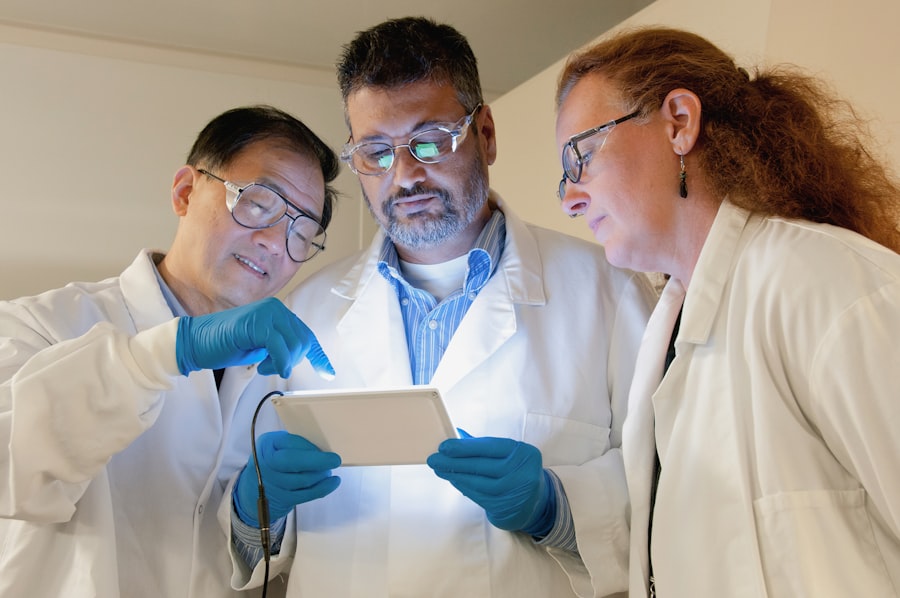
The effectiveness of many cancer drugs is often limited by systemic toxicity or poor penetration into tumor tissue. Novel drug delivery systems aim to overcome these challenges, improving therapeutic efficacy and reducing side effects.
Nanotechnology in Oncology
Nanoparticles, typically 1-100 nanometers in size, can be engineered to encapsulate chemotherapy drugs, targeted agents, or imaging probes. Their small size allows them to passively accumulate in tumors through enhanced permeability and retention (EPR) effect, where tumor vasculature is often leaky and lymphatic drainage is impaired.
- Liposomal Formulations: Doxorubicin, a common chemotherapy drug, formulated into liposomes (e.g., Doxil) reduces cardiotoxicity and improves circulation time. Research at The National Cancer Institute (NCI) and various biomedical engineering departments worldwide continues to explore new nanoparticle designs.
- Polymeric Nanoparticles: These nanoparticles offer tunable properties and can be formulated to release drugs in a controlled and sustained manner, or to respond to specific stimuli within the tumor microenvironment (e.g., pH, enzyme activity).
Oncomimetic Peptides and Prodrugs
Oncomimetic peptides are small protein fragments designed to mimic natural peptides that interact with cancer-related pathways. They can be engineered to specifically bind to receptors overexpressed on cancer cells, delivering a therapeutic payload or blocking critical signaling pathways. Prodrugs are inactive compounds that are converted into their active form within the body, ideally only at the tumor site. This strategy aims to enhance tumor selectivity and minimize systemic toxicity.
Supportive Care and Quality of Life Enhancements
| Site Name | Type of Research | Location | Number of Studies | Participant Enrollment | Website |
|---|---|---|---|---|---|
| ClinicalTrials.gov | Various Medical Conditions | Global | 400,000+ | Millions | clinicaltrials.gov |
| CenterWatch | Pharmaceutical & Biotech Trials | USA & International | 30,000+ | Hundreds of Thousands | centerwatch.com |
| WHO International Clinical Trials Registry Platform (ICTRP) | Global Health Research | Global | 400,000+ | Millions | who.int/clinical-trials-registry-platform |
| ISRCTN Registry | Randomized Controlled Trials | Global | 30,000+ | Thousands | isrctn.com |
| EU Clinical Trials Register | Clinical Trials in Europe | Europe | 40,000+ | Hundreds of Thousands | clinicaltrialsregister.eu |
While focusing on curative treatments, advancements in supportive care are equally vital for improving the overall well-being and quality of life for cancer patients. This includes managing treatment-related side effects, addressing psychological distress, and optimizing palliative care.
Symptom Management and Palliative Care
Comprehensive symptom management is integral to cancer care. Research into novel antiemetics, pain management strategies (including interventional pain management), and fatigue mitigation efforts are ongoing. Palliative care, often misunderstood as solely end-of-life care, is a holistic approach aimed at improving quality of life for patients and their families facing serious illness, from diagnosis onwards. Institutions like Dana-Farber Cancer Institute and the MD Anderson Cancer Center have dedicated programs focusing on the integration of palliative care throughout the cancer trajectory.
Psycho-Oncology and Survivorship Programs
The psychological impact of a cancer diagnosis and treatment can be profound. Psycho-oncology addresses the emotional, social, and functional aspects of cancer. Survivorship programs focus on the long-term well-being of cancer survivors, addressing late effects of treatment, recurrence surveillance, and promoting healthy lifestyles. These programs provide vital support and resources during the often-challenging transition from active treatment to post-treatment life. Many comprehensive cancer centers now offer robust psycho-oncology services and dedicated survivorship clinics.
As you can see, the landscape of cancer treatment is continually evolving. From the refined precision of genomic medicine to the empowering force of immunotherapy, and the technical prowess of advanced radiation, each development brings us closer to a future where cancer is a managed, if not entirely curable, disease. The dedication of researchers and clinicians at diverse medical research sites globally remains the engine driving this imperative progress. Your understanding of these advancements empowers you to engage more effectively with your healthcare providers.
