

Phase III clinical trials constitute a pivotal stage in drug development, serving as the definitive evaluation of new treatments before regulatory approval. These large-scale studies typically enroll between several hundred to several thousand participants across multiple research centers to generate statistically robust data for regulatory agencies and healthcare providers. The primary objective of Phase III trials is to compare the efficacy and safety profile of experimental treatments against established standard therapies or placebo controls.
In oncology, these trials are particularly crucial due to the complexity of cancer treatment and the significant variability in patient responses to therapy. The comprehensive data collected during this phase directly influences regulatory approval decisions and subsequent integration into clinical practice guidelines. Phase III trials utilize randomized controlled trial methodology as the gold standard for clinical evidence generation.

Participants are randomly allocated to treatment arms, which may include the investigational therapy, current standard of care, or placebo, depending on the study design and ethical considerations. This randomization process minimizes selection bias and confounding variables, ensuring that observed treatment effects can be attributed to the intervention rather than patient characteristics or external factors. The rigorous statistical framework and large sample sizes enable researchers to detect clinically meaningful differences between treatments while maintaining scientific validity and regulatory compliance.
Key Takeaways
- Phase III clinical trials are crucial for validating the safety and effectiveness of new cancer treatments before approval.
- Targeted therapy and immunotherapy have significantly advanced cancer treatment options in recent Phase III studies.
- Personalized medicine is increasingly integrated into Phase III trials to tailor treatments to individual patient profiles.
- Combination therapies are showing promising results in improving outcomes during Phase III clinical research.
- Despite challenges, ongoing Phase III trials continue to shape the future of cancer treatment and patient care.
Importance of Phase III Clinical Trials in Cancer Treatment

Phase III clinical trials play an indispensable role in advancing cancer treatment by providing definitive evidence regarding the effectiveness of new therapies. These trials are often the final step before a drug can be submitted for regulatory approval, making their outcomes crucial for both patients and healthcare providers. The data generated from these studies not only informs clinical guidelines but also influences insurance coverage decisions, thereby impacting patient access to potentially life-saving treatments.
Moreover, Phase III trials contribute significantly to the understanding of cancer biology and treatment dynamics. By comparing new therapies against established standards, researchers can glean insights into how different treatments interact with various cancer types and patient populations. For instance, a Phase III trial might reveal that a novel chemotherapy regimen is more effective in a specific subtype of breast cancer than traditional treatments, leading to more tailored approaches in clinical practice.
This knowledge is vital for oncologists as they strive to provide the most effective care based on the latest evidence.
Advancements in Targeted Therapy
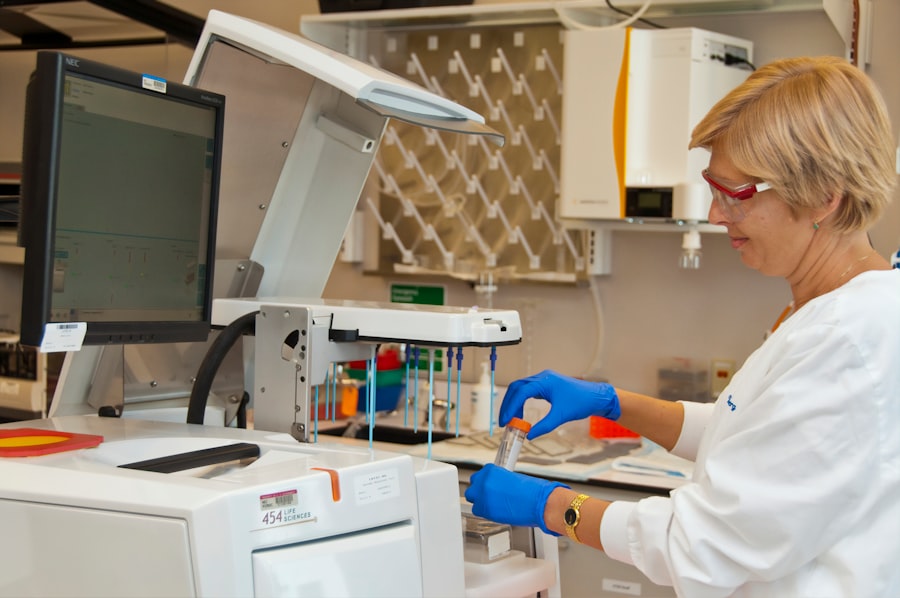
Targeted therapy has revolutionized cancer treatment by focusing on specific molecular targets associated with cancer cells. Unlike traditional chemotherapy, which indiscriminately affects rapidly dividing cells, targeted therapies are designed to interfere with particular pathways that promote cancer growth and survival. The advent of Phase III clinical trials has been instrumental in validating these innovative treatments, allowing researchers to assess their efficacy in larger populations.
One notable example of targeted therapy is trastuzumab (Herceptin), which is used to treat HER2-positive breast cancer. In Phase III trials, trastuzumab demonstrated significant improvements in overall survival and disease-free survival compared to standard chemotherapy alone. This landmark finding not only led to its approval but also established a new paradigm in breast cancer treatment, emphasizing the importance of molecular profiling in guiding therapy decisions.
As more targeted agents enter clinical development, Phase III trials will continue to play a crucial role in determining their place in the therapeutic arsenal against cancer. The landscape of targeted therapy is rapidly evolving, with ongoing research exploring combinations of targeted agents and their potential synergistic effects. For instance, combining inhibitors that target different pathways may enhance treatment efficacy while minimizing resistance—a common challenge in oncology.
Phase III trials are essential for evaluating these combination strategies, providing insights into optimal dosing regimens and patient selection criteria that can maximize therapeutic benefits.
Immunotherapy and its Impact on Cancer Treatment
Immunotherapy has emerged as a groundbreaking approach in cancer treatment, harnessing the body’s immune system to recognize and attack cancer cells. The success of immunotherapeutic agents, such as checkpoint inhibitors and CAR T-cell therapies, has been underscored by numerous Phase III clinical trials that have demonstrated their effectiveness across various malignancies. These trials have not only validated the therapeutic potential of immunotherapy but have also reshaped treatment paradigms for several cancers.
One of the most significant breakthroughs in immunotherapy was the development of pembrolizumab (Keytruda) and nivolumab (Opdivo), both of which are programmed cell death protein 1 (PD-1) inhibitors. In Phase III trials for melanoma and non-small cell lung cancer (NSCLC), these agents showed remarkable improvements in overall survival compared to traditional chemotherapy regimens. The results from these studies have led to a shift in treatment guidelines, with immunotherapy now being considered a first-line option for many patients with advanced disease.
The impact of immunotherapy extends beyond survival rates; it also offers the potential for durable responses and improved quality of life for patients. Unlike conventional treatments that often come with significant side effects, many patients receiving immunotherapy experience manageable adverse events. This aspect has been highlighted in Phase III trials where patient-reported outcomes are increasingly being incorporated into study designs, providing a more comprehensive understanding of treatment benefits.
Personalized Medicine and its Role in Phase III Clinical Research
| Phase | Purpose | Number of Participants | Duration | Key Focus | Success Rate (%) |
|---|---|---|---|---|---|
| Phase 0 | Microdosing to gather preliminary data on pharmacodynamics and pharmacokinetics | 10-15 | Several months | Safety and biological activity | Not typically measured |
| Phase I | Assess safety, dosage range, and side effects | 20-100 healthy volunteers | Several months | Safety and dosage | 70% |
| Phase II | Evaluate efficacy and side effects | 100-300 patients | Several months to 2 years | Efficacy and side effects | 33% |
| Phase III | Confirm effectiveness, monitor adverse reactions, compare to standard treatments | 1,000-3,000 patients | 1-4 years | Effectiveness and safety | 25-30% |
| Phase IV | Post-marketing surveillance to detect long-term effects | Varies (thousands) | Ongoing | Long-term safety and effectiveness | Not applicable |
Personalized medicine represents a paradigm shift in oncology, emphasizing tailored treatment strategies based on individual patient characteristics, including genetic makeup and tumor biology. Phase III clinical trials are at the forefront of this movement, as they evaluate how personalized approaches can enhance treatment efficacy and minimize toxicity. By integrating biomarkers into trial designs, researchers can identify which patients are most likely to benefit from specific therapies.
For example, the use of genetic testing to identify mutations in the EGFR gene has transformed the management of NSCLPhase III trials assessing EGFR inhibitors like erlotinib (Tarceva) have shown that patients with EGFR mutations experience significantly better outcomes compared to those receiving standard chemotherapy. This approach not only improves survival rates but also spares patients from unnecessary side effects associated with ineffective treatments. The integration of personalized medicine into Phase III trials also raises important questions about trial design and patient enrollment criteria.
As more targeted therapies emerge, there is a growing need for adaptive trial designs that allow for modifications based on interim results or biomarker findings. Such flexibility can enhance the efficiency of clinical research while ensuring that patients receive the most appropriate therapies based on their unique tumor profiles.
Combination Therapies and their Effectiveness in Phase III Trials
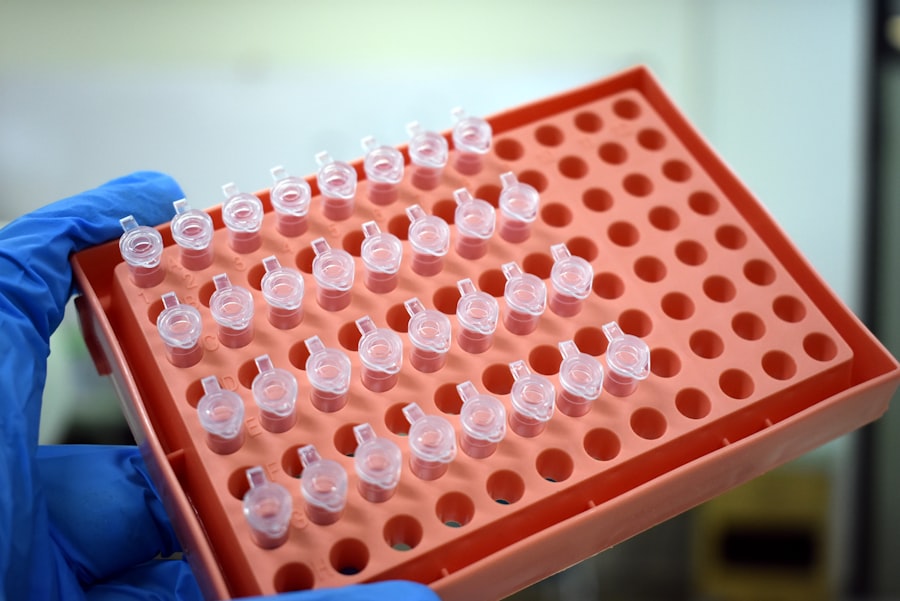
Combination therapies have gained traction as a strategy to overcome resistance mechanisms and enhance treatment efficacy in cancer care. By simultaneously targeting multiple pathways involved in tumor growth and survival, combination approaches aim to achieve synergistic effects that improve patient outcomes. Phase III clinical trials are essential for evaluating these combinations, providing critical data on their safety and effectiveness compared to monotherapy.
One prominent example is the combination of immunotherapy with targeted therapy or chemotherapy. Trials investigating the use of pembrolizumab alongside chemotherapy for triple-negative breast cancer have shown promising results, leading to improved response rates and overall survival compared to chemotherapy alone. These findings underscore the potential benefits of combining different therapeutic modalities to address the complex nature of cancer.
However, designing Phase III trials for combination therapies presents unique challenges. Researchers must carefully consider factors such as dosing schedules, potential drug interactions, and patient selection criteria to optimize outcomes. Additionally, the increased complexity of combination regimens necessitates robust monitoring for adverse events, as patients may experience heightened toxicity compared to single-agent therapies.
Despite these challenges, the pursuit of combination strategies remains a focal point in oncology research, driven by the desire to improve outcomes for patients facing aggressive malignancies.
Challenges and Future Directions in Phase III Clinical Research
While Phase III clinical trials are pivotal in advancing cancer treatment, they are not without challenges. One significant hurdle is patient recruitment; enrolling sufficient numbers of participants can be difficult due to stringent eligibility criteria or competition from other studies. Additionally, there is often a lack of diversity among trial participants, which can limit the generalizability of findings across different populations.
Addressing these issues requires innovative strategies to engage patients from diverse backgrounds and ensure that trial designs reflect real-world scenarios. Another challenge lies in the rapid pace of scientific advancement within oncology. As new therapies emerge and our understanding of cancer biology deepens, there is a pressing need for adaptive trial designs that can accommodate evolving knowledge while maintaining scientific rigor.
This may involve incorporating biomarker-driven approaches or utilizing real-time data analytics to inform trial modifications based on interim results. Looking ahead, the future of Phase III clinical research will likely be shaped by technological advancements such as artificial intelligence and machine learning. These tools have the potential to streamline trial design, enhance patient stratification, and improve data analysis processes.
Furthermore, as personalized medicine continues to evolve, integrating genomic data into trial designs will be crucial for identifying optimal treatment strategies tailored to individual patients.
The Impact of Phase III Clinical Research on Cancer Treatment
Phase III clinical research stands as a cornerstone in the evolution of cancer treatment, providing essential evidence that informs clinical practice and regulatory decisions. Through rigorous methodologies and large-scale studies, these trials have validated numerous therapies that have transformed patient outcomes across various malignancies. The advancements in targeted therapy, immunotherapy, personalized medicine, and combination strategies underscore the dynamic nature of oncology research and its commitment to improving patient care.
As we navigate the complexities of cancer treatment, ongoing challenges must be addressed to ensure that Phase III trials remain relevant and effective. By embracing innovative trial designs and leveraging technological advancements, researchers can continue to push the boundaries of what is possible in cancer care. Ultimately, the impact of Phase III clinical research will resonate through improved survival rates, enhanced quality of life for patients, and a deeper understanding of cancer biology that paves the way for future breakthroughs in treatment.
