
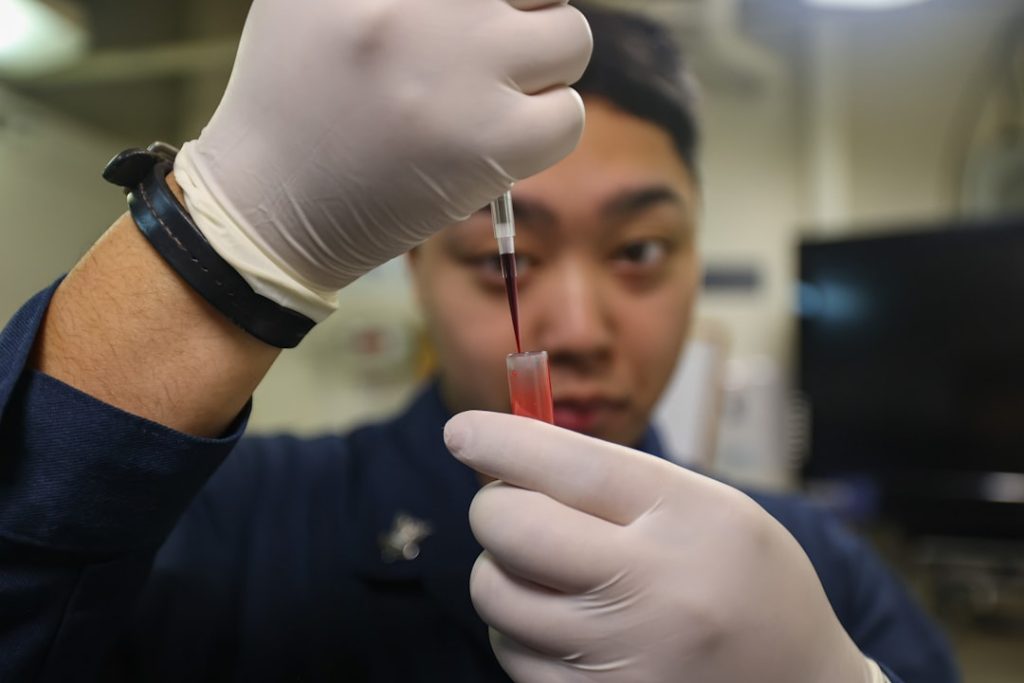
Miami, a metropolitan hub, has experienced significant growth in its clinical research infrastructure over the past two decades. This development is not merely a consequence of its burgeoning population, but rather a deliberate investment in scientific inquiry and healthcare innovation. The region has transitioned from a supporting role to a more prominent position on the global research stage, attracting both domestic and international collaborations. This article will examine the key areas of advancement, highlighting the institutions, methodologies, and therapeutic domains that define Miami’s current research landscape.
Institutional Growth and Expansion
The bedrock of any robust research ecosystem is its institutional framework. Miami has witnessed substantial expansion in its academic medical centers, research institutes, and specialized clinical trial units. These entities serve as the crucibles where new medical knowledge is forged.
Academic Medical Centers as Research Hubs

University of Miami Health System (UHealth) and Jackson Health System represent the pillars of academic research in Miami. UHealth, with its Miller School of Medicine, houses numerous research centers dedicated to specific disease areas, including cancer, neuroscience, and infectious diseases. Jackson Health System, one of the largest public hospital systems in the country, provides a vast patient population and diverse clinical settings essential for large-scale clinical trials. The symbiosis between these two institutions, often sharing faculty and resources, amplifies their research capacity.
Emergence of Specialized Research Institutes
Beyond the traditional academic centers, Miami has seen the establishment and growth of independent research institutes. These institutions often focus on niche areas, allowing for deeper specialization and coordinated research efforts. Examples include the Sylvester Comprehensive Cancer Center, which, while affiliated with UHealth, operates with a distinct research mission, and the Miami Project to Cure Paralysis, a globally recognized center for spinal cord injury research. These specialized entities act as engines, driving discovery in their respective fields.
Private and Community-Based Research Facilities

The landscape is further diversified by a growing number of private clinical research organizations (CROs) and community-based research sites. These facilities often specialize in phase I-IV clinical trials for pharmaceutical and biotechnology companies. Their agile operational structures can complement the larger academic institutions, particularly in patient recruitment and logistical execution of studies. The presence of these varied organizations creates a dynamic and competitive environment, fostering innovation through diverse approaches to research.
Methodological Innovations and Best Practices
Advancements in clinical research are not solely about new treatments, but also about refining the process of discovery itself. Miami’s research community has adopted and contributed to several methodological innovations, aiming to enhance the efficiency, integrity, and patient-centricity of clinical trials.
Adoption of Adaptive Trial Designs
Traditional clinical trial designs often involve rigid protocols and fixed sample sizes. However, Miami researchers are increasingly employing adaptive trial designs, which allow for modifications to the study protocol based on interim data analysis. This approach can lead to more efficient studies, reduced patient exposure to ineffective treatments, and faster identification of promising therapies. The flexibility offered by adaptive designs is akin to a ship adjusting its sails in response to changing winds, optimizing its journey.
Emphasis on Real-World Evidence (RWE)
While randomized controlled trials (RCTs) remain the gold standard for efficacy, there is a growing recognition of the value of real-world evidence (RWE). Miami institutions are leveraging electronic health records, claims data, and patient registries to generate RWE, providing insights into treatment effectiveness and safety in routine clinical practice. This bridge between highly controlled trial environments and real-world clinical application offers a more complete picture of a therapeutic intervention’s impact.
Integration of Digital Health Technologies
The digital revolution has permeated clinical research, and Miami is no exception. Wearable devices, mobile applications, and telehealth platforms are being integrated into studies for remote patient monitoring, data collection, and virtual visits. This not only enhances patient convenience but also allows for continuous data streams, providing a more granular understanding of disease progression and treatment response. The digital thread weaves together disparate data points into a cohesive narrative.
Key Therapeutic Areas of Focus
Miami’s diverse population and unique epidemiological profile have shaped its research priorities. The region has emerged as a significant center for research in several key therapeutic areas, attracting funding and expertise.
Cancer Research and Novel Therapies
The Sylvester Comprehensive Cancer Center at UHealth has been a driving force in cancer research. Oncologists and researchers are involved in clinical trials exploring novel immunotherapies, targeted therapies, and precision medicine approaches. This includes studies in various cancer types, from melanoma and lung cancer to hematological malignancies. The focus extends beyond treatment to early detection and prevention strategies relevant to Miami’s demographic.
Neurosciences and Neurological Disorders
The Miami Project to Cure Paralysis, housed within UHealth, has a long-standing reputation for its pioneering work in spinal cord injury research. Beyond this, researchers at UHealth and other institutions are investigating treatments for Alzheimer’s disease, Parkinson’s disease, multiple sclerosis, and stroke. This involves clinical trials of new drugs, cell-based therapies, and innovative neurorehabilitation techniques. The pursuit of understanding and treating neurological disorders is a complex puzzle, and Miami is contributing several crucial pieces.
Infectious Diseases, Particularly HIV/AIDS
Given Miami’s history and demographic, research into infectious diseases, particularly HIV/AIDS, remains a cornerstone. UHealth’s infectious disease division has been at the forefront of HIV prevention, treatment, and vaccine research for decades. The focus has expanded to include emerging infectious diseases, reflecting global health challenges. This continuous effort in infectious disease research acts as a vigilant guardian against microbial threats.
Cardiovascular and Metabolic Diseases
Cardiovascular diseases, including heart failure, coronary artery disease, and hypertension, along with metabolic disorders such as diabetes, represent significant public health challenges in South Florida. Research institutions in Miami are conducting trials on new pharmacological agents, interventional cardiology techniques, and lifestyle interventions. The prevalence of these conditions within the local population provides a rich environment for clinical investigation.
Patient Engagement and Diversity in Clinical Trials
A critical aspect of ethical and effective clinical research is robust patient engagement and ensuring diversity among trial participants. Miami, with its multicultural population, is uniquely positioned to advance these principles.
Enhancing Patient Recruitment Strategies
Miami’s diverse demographic, while an asset, also presents challenges in patient recruitment. Researchers are increasingly employing targeted outreach programs, community partnerships, and culturally sensitive communication strategies to enhance participation from underrepresented groups. This includes leveraging bilingual staff and educational materials to bridge language and cultural barriers. These efforts are akin to tailoring a message to resonate with a diverse audience, ensuring no voice is unheard.
Fostering Health Equity in Research
The pursuit of health equity is central to ethical research. Miami’s research community is actively working to address health disparities by ensuring that clinical trial populations reflect the demographic diversity of the diseases being studied. This includes deliberately recruiting participants from various ethnic, socioeconomic, and geographic backgrounds. Understanding how interventions affect different populations is crucial for developing therapies that benefit all.
Patient Advocacy and Informed Consent
The role of patient advocacy groups has grown, providing a voice for participants and ensuring their rights and well-being are prioritized. Institutions in Miami collaborate with these groups to develop patient-friendly informed consent processes and to integrate patient perspectives into study design. The patient, thus, becomes an active partner in the research process, not just a subject.
Future Directions and Challenges
While Miami’s clinical research landscape has matured, there are ongoing challenges and future directions that will shape its trajectory in the coming years.
Attracting and Retaining Scientific Talent
The continued growth of Miami’s research ecosystem is contingent upon its ability to attract and retain top scientific talent. This requires competitive funding opportunities, state-of-the-art facilities, and a supportive research environment. The development of robust career paths for researchers, from early-career scientists to established investigators, is paramount.
Navigating Regulatory Complexities
Clinical research operates within a complex regulatory framework. Staying abreast of evolving FDA guidelines, international regulations, and ethical considerations is a continuous challenge. Miami’s institutions are investing in regulatory affairs expertise to ensure compliance and streamline the approval processes for clinical trials. This regulatory maze requires careful navigation and expert guidance.
Securing Sustainable Funding Streams
Research is a resource-intensive endeavor. Securing sustainable funding from federal agencies (e.g., NIH), state programs, philanthropic organizations, and industry partners is crucial for long-term growth. Miami’s research community is actively pursuing diverse funding streams to support both basic science discoveries and translational clinical trials.
Fostering Inter-Institutional Collaboration
While various institutions contribute to Miami’s research prowess, greater inter-institutional collaboration can unlock synergy and accelerate discovery. Breaking down institutional silos and fostering a culture of shared resources and expertise will be key to maximizing the region’s collective research impact. Collaborative efforts are like streams converging into a powerful river.
In conclusion, Miami’s clinical research landscape has undergone a substantive transformation, evolving into a dynamic and significant contributor to medical science. The city’s investment in institutional growth, methodological innovation, and targeted therapeutic investigations, coupled with an increasing emphasis on patient engagement and diversity, positions it as a growing hub for healthcare discovery. While challenges remain, the foundations laid and the momentum gained suggest a continued trajectory of advancement, ultimately benefiting patients globally.
