
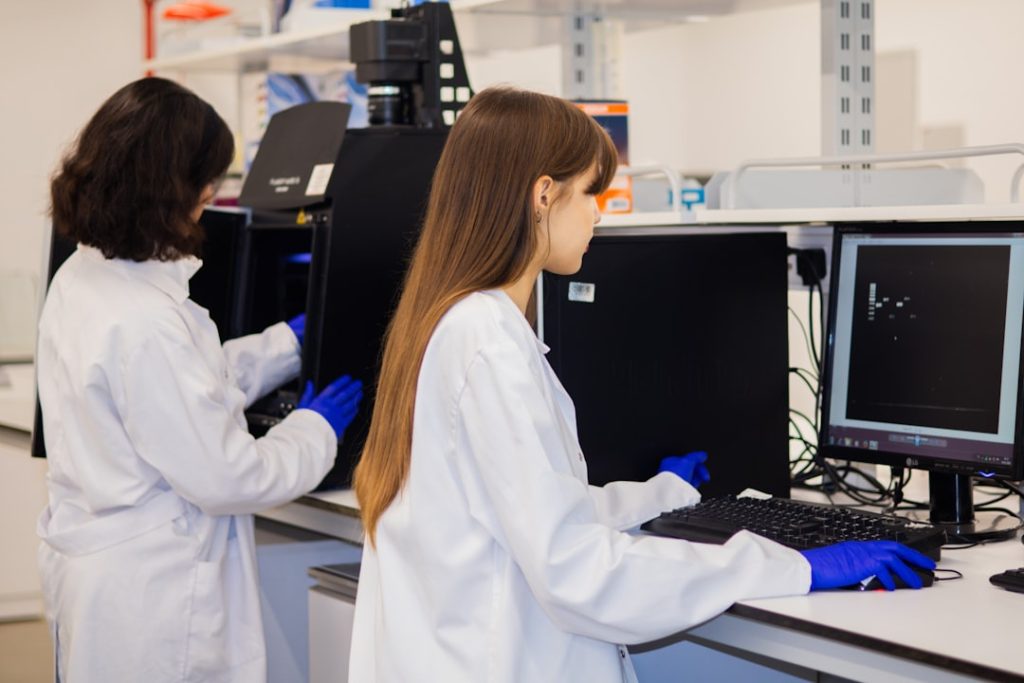
The landscape of clinical research in San Antonio, Texas, has undergone significant evolution over the past decades. Once a regional center, the city has progressively established itself as a notable contributor to national and international therapeutic innovation. This article will explore key areas of advancement, institutional contributions, and the strategic underpinnings of this growth.
San Antonio’s burgeoning clinical research capabilities are intrinsically linked to the strategic investments and commitment of its leading institutions. These organizations serve as the bedrock upon which new therapies are tested and refined.
University of Texas Health Science Center at San Antonio (UT Health San Antonio)

UT Health San Antonio stands as a cornerstone of biomedical research in the city. Its broad portfolio encompasses basic, translational, and clinical investigations, demonstrating a full spectrum of scientific inquiry.
- Expansion of Research Infrastructure: UT Health San Antonio has consistently invested in state-of-the-art facilities. This includes the Mays Cancer Center, an NCI-designated institution, which plays a pivotal role in oncology clinical trials. Its infrastructure supports a diverse range of studies, from early-phase dose-escalation trials to large, multi-center pivotal trials. The institution’s Clinical Research Unit (CRU) provides specialized resources, including dedicated patient care areas and highly trained clinical research coordinators, essential for the efficient execution of complex protocols.
- Focus on Specific Disease Areas: The institution exhibits particular strengths in cancer, neuroscience, and aging. Research in Alzheimer’s disease, for instance, has leveraged the city’s diverse population for studies investigating genetic predispositions and novel therapeutic interventions. Similarly, its diabetes research program addresses a significant public health burden in the region, focusing on both prevention and treatment strategies.
- Training and Workforce Development: UT Health San Antonio actively fosters the next generation of clinical researchers through its MD/PhD programs, postdoctoral fellowships, and dedicated clinical research training initiatives. This steady pipeline of skilled personnel is crucial for sustaining long-term research growth and capacity. The institution understands that human capital is the engine of discovery.
Brooke Army Medical Center (BAMC)
As a major military medical facility, Brooke Army Medical Center contributes uniquely to San Antonio’s clinical research profile, particularly in areas relevant to military health.
- Trauma and Regenerative Medicine: BAMC is a Level I trauma center, positioning it at the forefront of research in critical care, burn injury, and regenerative medicine. Its capacity for rapid patient enrollment in trauma trials provides a distinct advantage for studies focused on acute interventions and resuscitation strategies. Research into novel wound healing modalities and limb salvage techniques has direct implications for both military and civilian populations.
- Infectious Diseases Research: Given its role in military readiness and global health, BAMC maintains active research programs in infectious diseases, including tropical and emerging pathogens. Clinical trials here often focus on vaccine development, antimicrobial resistance, and diagnostic improvements. This addresses both the immediate needs of deployed service members and the broader public health imperative.
- Collaborations with Civilian Institutions: BAMC frequently collaborates with UT Health San Antonio and other local institutions, pooling resources and expertise. These partnerships allow for larger study populations, diversified patient demographics, and accelerated data collection, blurring the lines between military and civilian clinical research to their mutual benefit. Such collaborations represent a synergistic effect, multiplying individual strengths.
Expanding Therapeutic Horizons

Clinical research in San Antonio is not merely about institutional growth but about the practical application of scientific discovery to human health. The city’s research endeavors have demonstrably expanded the therapeutic options available to patients.
Oncology Research
Oncology has been a particular area of emphasis, driven by the prevalence of cancer and the significant unmet medical needs.
- Immunotherapy Trials: San Antonio institutions have been early adopters and significant contributors to immunotherapy trials. These studies, involving checkpoint inhibitors and CAR T-cell therapies, have transformed the treatment landscape for various cancers, including melanoma, lung cancer, and hematological malignancies. Patients in San Antonio have gained access to these cutting-edge therapies often years before their widespread clinical availability.
- Targeted Therapies: Research into targeted therapies, which specifically attack cancer cells with particular molecular characteristics, continues robustly. This includes trials exploring inhibitors for various oncogenic pathways, facilitating personalized cancer medicine. The city’s research infrastructure supports the molecular profiling necessary to stratify patients for these highly specific treatments.
- Supportive Care and Survivorship: Beyond curative treatments, San Antonio researchers are also active in trials focused on improving the quality of life for cancer patients and survivors. This includes studies on symptom management, psychosocial interventions, and long-term surveillance strategies, addressing the holistic needs of individuals navigating cancer.
Diabetes and Metabolic Disorders
The prevalence of diabetes in South Texas has spurred a concentrated research effort aiming to mitigate its impact.
- Novel Diabetes Medications: Clinical trials conducted in San Antonio have contributed to the development and approval of new classes of diabetes medications, such as GLP-1 receptor agonists and SGLT2 inhibitors. These studies have not only focused on glycemic control but also on cardiovascular and renal outcomes, demonstrating a more comprehensive approach to diabetes management.
- Genetic and Environmental Factors: Research initiatives here explore the interplay of genetic predispositions and environmental factors, particularly diet and lifestyle, in the development and progression of diabetes. This includes studies in diverse populations within San Antonio, offering valuable insights into health disparities and targeted prevention strategies. The city serves as a living laboratory for understanding metabolic disease.
- Technology in Diabetes Management: Integration of technology, such as continuous glucose monitoring systems and insulin pumps, into diabetes care is another area of active research. Trials assess the efficacy and usability of these devices in improving patient outcomes and reducing metabolic complications.
Regulatory and Ethical Frameworks

The integrity of clinical research hinges on robust regulatory and ethical oversight. San Antonio’s research community adheres strictly to national and international guidelines.
Institutional Review Boards (IRBs)
Every clinical research study conducted in San Antonio must undergo rigorous review and approval by an Institutional Review Board (IRB).
- Protection of Human Subjects: IRBs are tasked with ensuring the protection of human subjects participating in research. This includes evaluating study protocols for ethical soundness, assessing informed consent processes, and ensuring participant safety and privacy. Membership typically includes scientists, ethicists, and community representatives.
- Compliance with Federal Regulations: San Antonio’s IRBs operate in strict adherence to federal regulations such as the Common Rule (45 CFR 46) and FDA regulations. This comprehensive oversight is a non-negotiable aspect of clinical research, acting as a bulwark against potential exploitation.
- Expedited Review Processes: For studies deemed to pose minimal risk, such as surveillance studies or analyses of existing data, expedited review processes are in place. This allows for efficient progress on certain types of research while maintaining rigorous ethical standards.
Data Security and Privacy
Protecting patient data is paramount in clinical research, especially with the increasing volume and complexity of electronic health records.
- HIPAA Compliance: All research activities involving protected health information (PHI) are strictly compliant with the Health Insurance Portability and Accountability Act (HIPAA). This ensures that patient data is handled with the utmost confidentiality and security, preventing unauthorized access or disclosure.
- Secure Data Management Systems: Institutions have invested in secure electronic data capture (EDC) systems, electronic medical records (EMR) integration, and data warehousing solutions. These systems incorporate robust encryption, access controls, and audit trails to maintain data integrity and prevent breaches. They are the digital fortresses protecting sensitive information.
- Blinded and De-identified Data: Where feasible, researchers utilize de-identified or pseudonymized data to minimize privacy risks. This involves removing or encrypting direct patient identifiers, allowing for valuable research to proceed without compromising individual confidentiality.
Strategic National and International Collaborations
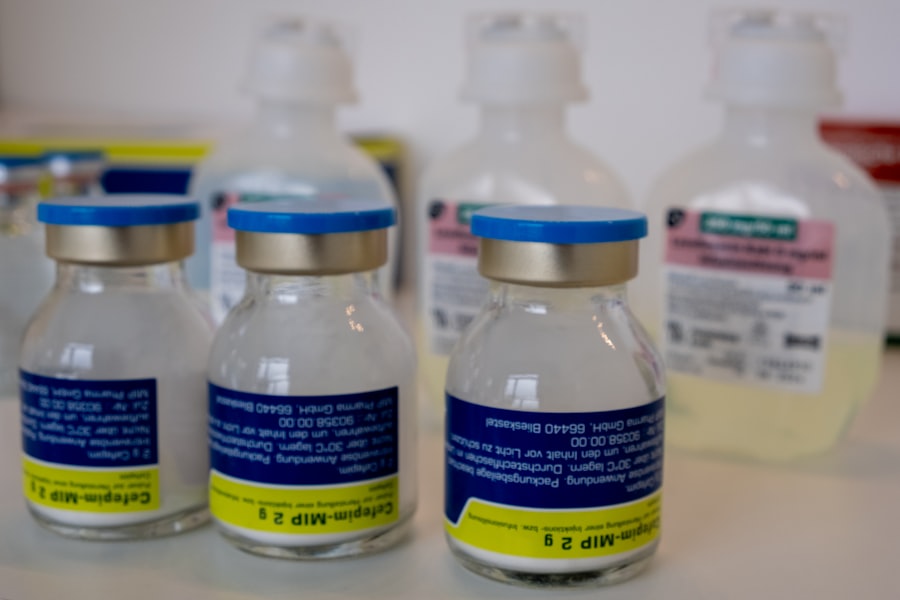
San Antonio’s clinical research advancements are not solely inward-looking; they are significantly bolstered by a web of collaborations extending across national and international borders.
Multi-Center Trial Networks
Participation in large, multi-center clinical trial networks is a key differentiator for San Antonio’s research profile.
- National Institutes of Health (NIH) Networks: Several San Antonio institutions are active participants in NIH-funded clinical trial networks, such as the National Cancer Institute’s National Clinical Trials Network (NCTN). These networks facilitate large-scale studies, allowing for robust statistical power and generalizability of findings.
- Pharmaceutical and Biotechnology Industry Partnerships: Collaborations with pharmaceutical and biotechnology companies are extensive. These partnerships bring significant funding, access to novel investigational products, and the opportunity to contribute to the development of new drugs and devices from early-stage development through post-market surveillance. Such alliances are the economic lifeblood of many clinical trials.
- Academic Research Organizations (AROs): San Antonio researchers often partner with Academic Research Organizations (AROs), which specialize in the design, conduct, and analysis of clinical trials. These collaborations provide methodological expertise and operational support, enhancing the quality and efficiency of research.
Global Health Initiatives
Certain research programs in San Antonio extend their reach to address global health challenges, particularly in infectious diseases and oncology.
- Tropical Disease Research: UT Health San Antonio and BAMC have engaged in collaborative projects with institutions in developing countries, focusing on the prevention and treatment of tropical diseases. These studies often involve examining vaccine efficacy or drug treatments in endemic populations.
- Cancer Disparities Research: Given San Antonio’s unique demographic composition and its proximity to the U.S.-Mexico border, researchers actively participate in studies addressing cancer disparities, particularly among Hispanic populations. This involves international collaborations with Mexican institutions to understand disease patterns and implement culturally sensitive interventions. The border becomes a bridge for shared medical challenges.
Economic and Societal Impact
| Metric | Value | Notes |
|---|---|---|
| Number of Clinical Trials | 150+ | Active trials registered in San Antonio area |
| Major Research Institutions | 5 | Includes UT Health San Antonio, South Texas Veterans Health Care System |
| Focus Areas | Oncology, Cardiovascular, Neurology, Infectious Diseases | Primary therapeutic areas under study |
| Average Trial Duration | 12-24 months | Varies by study phase and condition |
| Patient Enrollment Rate | Approximately 200 patients/month | Across all active clinical trials |
| Funding Sources | Federal, Private, Institutional | Includes NIH grants and industry sponsorships |
The growth of clinical research in San Antonio is not merely an academic or medical narrative; it has tangible economic and societal benefits.
Job Creation and Economic Stimulus
The clinical research ecosystem generates a substantial number of jobs across various sectors.
- Direct Employment: The industry directly employs a workforce of physicians, nurses, clinical research coordinators, statisticians, laboratory technicians, regulatory specialists, and data managers. These are often high-skilled, well-paying positions.
- Indirect Economic Contributions: Beyond direct hires, clinical research stimulates a broad array of supporting industries, including pharmaceutical supply, medical device manufacturing, contract research organizations (CROs), and specialized consulting services. This ripple effect strengthens the local economy. Research dollars act as a circulatory system, pumping vitality throughout the regional economy.
- Biotechnology Sector Growth: The presence of a robust clinical research environment attracts biotechnology and pharmaceutical companies looking to conduct trials or establish regional offices, further diversifying and growing the local economy.
Enhanced Patient Care and Access to Novel Therapies
Perhaps the most direct and profound impact of clinical research is on patient well-being.
- Early Access to Treatments: Patients in San Antonio gain early access to cutting-edge therapies that are not yet widely available, offering hope to those for whom standard treatments have been ineffective. This access can be life-altering, or life-extending.
- Improved Standard of Care: The findings from clinical trials conducted locally contribute to the global body of medical knowledge, ultimately leading to improved standard-of-care practices for all patients, whether they participate in a trial or not. Clinical research is the wellspring from which better medicine flows.
- Specialized Medical Expertise: The presence of active clinical research programs attracts and retains highly skilled medical professionals, fostering an environment of innovation and specialized expertise within the local healthcare system. This elevates the overall quality of care available to the community.
In conclusion, clinical research in San Antonio has matured into a dynamic and impactful endeavor. Through sustained institutional commitment, a focus on critical disease areas, rigorous ethical oversight, and strategic collaborations, the city has cemented its position as a significant force in advancing medical science and improving human health.
