
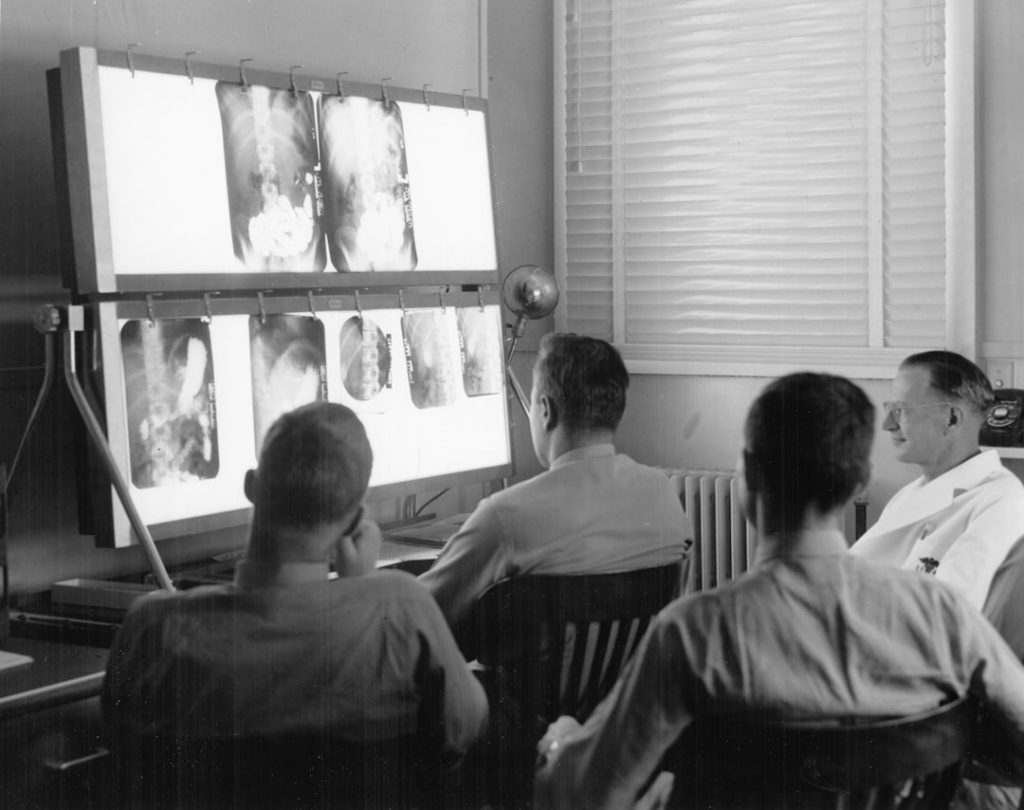
Clinical research technology encompasses a broad spectrum of tools and methodologies that facilitate the investigation of medical interventions, treatments, and therapies. This field has evolved significantly over the past few decades, driven by advancements in technology that have transformed how clinical trials are designed, conducted, and analyzed. The integration of technology into clinical research has not only streamlined processes but has also enhanced the accuracy and reliability of data collected during trials.
As the healthcare landscape continues to evolve, the role of technology in clinical research becomes increasingly critical, shaping the future of medical discoveries and patient care. The advent of digital tools, electronic health records (EHRs), and mobile applications has revolutionized the way researchers interact with participants and manage data. These innovations have made it possible to conduct more efficient trials, reduce costs, and improve patient engagement.

Moreover, the ability to collect real-time data and monitor patient outcomes remotely has opened new avenues for research that were previously unattainable. As we delve deeper into the impact of technology on clinical research, it becomes evident that these advancements are not merely enhancements but rather fundamental shifts that redefine the landscape of medical research.
Key Takeaways
- Technology is revolutionizing clinical research by enhancing data collection, analysis, and patient monitoring.
- Artificial intelligence plays a crucial role in improving the accuracy and efficiency of clinical trials.
- Remote data collection and advanced patient monitoring enable more flexible and real-time study participation.
- Ethical considerations are essential to ensure patient privacy and data security in technology-driven research.
- Future trends point to continued innovation and challenges in integrating new technologies into clinical research.
The Impact of Technology on Clinical Research

The impact of technology on clinical research is profound and multifaceted. One of the most significant changes has been the shift from traditional paper-based methods to electronic systems that facilitate data collection and management. Electronic data capture (EDC) systems have become standard practice in clinical trials, allowing for more efficient data entry, real-time monitoring, and immediate access to information.
This transition has not only reduced the likelihood of errors associated with manual data entry but has also expedited the overall research process, enabling faster decision-making and more timely results. Furthermore, technology has enhanced patient recruitment and retention strategies. Digital platforms and social media have emerged as powerful tools for reaching potential participants, allowing researchers to target specific demographics more effectively.
Online registries and patient databases enable researchers to identify eligible candidates quickly, thereby reducing the time and resources spent on recruitment. Additionally, technology facilitates better communication with participants throughout the trial, fostering a sense of involvement and commitment that can lead to higher retention rates. The ability to engage patients through digital channels has transformed the participant experience, making it more accessible and user-friendly.
Innovations in Data Collection and Analysis

Innovations in data collection and analysis have been at the forefront of technological advancements in clinical research. The introduction of wearable devices and mobile health applications has enabled researchers to gather continuous health data from participants outside of traditional clinical settings. These devices can monitor vital signs, physical activity, and other health metrics in real-time, providing a wealth of information that can enhance the understanding of treatment effects and patient outcomes.
For instance, wearable heart rate monitors can track cardiovascular responses during a trial, offering insights that were previously difficult to obtain. Moreover, advanced analytics tools have emerged to process and interpret the vast amounts of data generated by these technologies. Machine learning algorithms and statistical software can analyze complex datasets with unprecedented speed and accuracy, uncovering patterns and correlations that may not be immediately apparent through conventional analysis methods.
This capability allows researchers to derive meaningful insights from large-scale studies, ultimately leading to more informed conclusions about the efficacy and safety of new treatments. The integration of big data analytics into clinical research represents a paradigm shift that enhances the depth and breadth of scientific inquiry.
The Role of Artificial Intelligence in Clinical Research
Artificial intelligence (AI) is playing an increasingly pivotal role in clinical research, offering innovative solutions to some of the field’s most pressing challenges. One of the primary applications of AI in this domain is in patient selection for clinical trials. By analyzing electronic health records and other relevant data sources, AI algorithms can identify suitable candidates based on specific inclusion and exclusion criteria.
This not only streamlines the recruitment process but also ensures that trials are populated with participants who are most likely to benefit from or respond to the intervention being tested. In addition to patient selection, AI is also being utilized for predictive analytics in clinical trials. Machine learning models can forecast patient outcomes based on historical data, helping researchers anticipate potential challenges or adverse events during a trial.
This proactive approach allows for better planning and risk management, ultimately improving trial efficiency and safety. Furthermore, AI-driven tools can assist in monitoring trial progress by analyzing real-time data feeds, enabling researchers to make informed adjustments as needed. The integration of AI into clinical research represents a significant leap forward in harnessing technology to enhance trial design and execution.
Advancements in Patient Monitoring and Remote Data Collection
| Metric | Description | Typical Value/Range | Unit |
|---|---|---|---|
| Patient Enrollment Rate | Number of patients enrolled per month in clinical trials | 10 – 100 | patients/month |
| Data Entry Accuracy | Percentage of error-free data entries in electronic data capture systems | 95 – 99.9 | % |
| Protocol Deviation Rate | Frequency of deviations from the clinical trial protocol | 0.5 – 5 | deviations per 100 patients |
| Trial Monitoring Frequency | Number of monitoring visits per trial site per month | 1 – 4 | visits/month |
| Data Query Resolution Time | Average time taken to resolve data queries in clinical databases | 1 – 7 | days |
| eConsent Adoption Rate | Percentage of trials using electronic informed consent technology | 30 – 70 | % |
| Clinical Trial Duration | Average length of clinical trials from start to completion | 12 – 36 | months |
| Remote Monitoring Utilization | Percentage of trials employing remote monitoring technologies | 20 – 60 | % |
Advancements in patient monitoring and remote data collection have transformed how clinical trials are conducted, particularly in light of recent global events that have necessitated more flexible approaches to research. Telemedicine platforms have gained traction as a means of conducting virtual visits, allowing researchers to interact with participants without requiring them to travel to a physical site. This shift not only enhances convenience for patients but also expands access to trials for individuals who may face barriers such as transportation issues or geographical limitations.
Remote data collection methods have also evolved significantly with the proliferation of mobile health technologies. Participants can now report symptoms, medication adherence, and other relevant information through user-friendly applications on their smartphones or tablets. This real-time feedback loop fosters greater engagement among participants while providing researchers with timely insights into treatment effects.
For example, a study investigating a new diabetes medication might utilize an app that allows patients to log their blood sugar levels daily, providing researchers with continuous data that can inform their analysis.
Ethical Considerations in the Use of Technology in Clinical Research
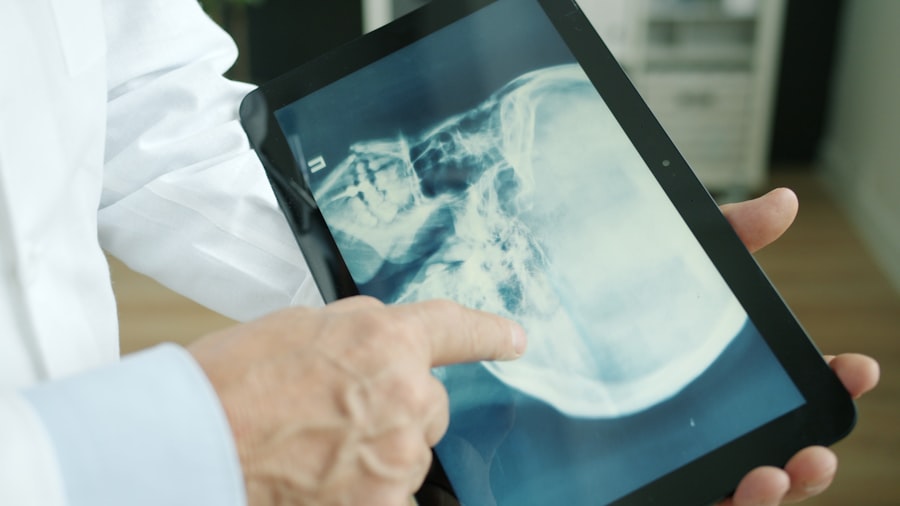
As technology continues to permeate clinical research, ethical considerations become increasingly important. One major concern is the protection of patient privacy and confidentiality in an era where vast amounts of personal health data are collected and stored electronically. Researchers must navigate complex regulatory frameworks such as the Health Insurance Portability and Accountability Act (HIPAA) in the United States to ensure that sensitive information is safeguarded against unauthorized access or breaches.
In addition to privacy concerns, there is also the ethical imperative to ensure equitable access to technology among diverse populations participating in clinical trials. Disparities in access to digital tools can lead to underrepresentation of certain groups in research studies, potentially skewing results and limiting the generalizability of findings. Researchers must be vigilant in designing studies that consider these disparities and actively work to include diverse populations in their trials.
This commitment not only enhances the ethical integrity of research but also contributes to more comprehensive understanding of treatment effects across different demographic groups.
Future Trends and Challenges in Clinical Research Technology
Looking ahead, several trends are poised to shape the future of clinical research technology. One notable trend is the increasing emphasis on patient-centric approaches that prioritize participant experience throughout the trial process. As technology continues to evolve, researchers are likely to adopt more personalized strategies that cater to individual preferences and needs.
This could involve tailoring communication methods or utilizing gamification techniques to enhance engagement among participants. However, alongside these promising trends come challenges that must be addressed. The rapid pace of technological advancement can outstrip regulatory frameworks designed to ensure safety and efficacy in clinical research.
Regulatory bodies must adapt to keep pace with innovations such as AI-driven analytics or decentralized trial designs while maintaining rigorous standards for participant protection. Additionally, as reliance on technology grows, researchers must remain vigilant against potential biases introduced by algorithms or data collection methods that could impact study outcomes.
The Potential of Technology to Transform Clinical Research
The potential for technology to transform clinical research is immense, offering unprecedented opportunities for innovation and improvement across various aspects of trial design and execution. From enhancing data collection methods to leveraging artificial intelligence for predictive analytics, these advancements are reshaping how researchers approach medical inquiries. As we continue to explore the intersection of technology and clinical research, it is essential to remain mindful of ethical considerations and strive for inclusivity in study populations.
The future holds exciting possibilities as technology continues to evolve at a rapid pace. By embracing these advancements while addressing associated challenges, researchers can unlock new avenues for discovery that ultimately lead to improved patient outcomes and advancements in healthcare as a whole. The integration of technology into clinical research is not merely a trend; it represents a fundamental shift that will define the future landscape of medical science for years to come.
