
Dental implants have revolutionized the field of restorative dentistry, providing a reliable solution for individuals suffering from tooth loss. Unlike traditional dentures or bridges, which can be uncomfortable and require significant maintenance, dental implants offer a more permanent and natural-feeling alternative. These implants consist of titanium posts that are surgically inserted into the jawbone, serving as artificial tooth roots.
Over time, the bone integrates with the implant in a process known as osseointegration, creating a stable foundation for replacement teeth. This innovation not only restores functionality but also enhances aesthetics, allowing patients to regain their confidence and quality of life. The history of dental implants dates back several centuries, with early attempts made by ancient civilizations using materials such as ivory and seashells.

However, it was not until the mid-20th century that significant advancements were made, particularly with the introduction of titanium as a biocompatible material. This marked a turning point in implantology, leading to improved success rates and patient outcomes. Today, dental implants are considered the gold standard for tooth replacement, with millions of procedures performed annually worldwide.
As research continues to evolve, the field is witnessing exciting developments that promise to enhance the effectiveness and accessibility of dental implants.
Key Takeaways
- Dental implant clinical trials are evolving with new materials and advanced placement techniques.
- Innovations in bone regeneration are enhancing implant stability and longevity.
- Patient-centered outcomes are becoming a key focus in evaluating implant success.
- Current trials emphasize improving both functional and aesthetic results of implants.
- Future research aims to integrate cutting-edge technologies for better clinical trial designs and implant performance.

Current State of Dental Implant Clinical Trials
The landscape of dental implant clinical trials is dynamic and multifaceted, reflecting the ongoing quest for improved techniques and materials. Currently, numerous clinical trials are underway globally, focusing on various aspects of implantology, including implant design, surgical protocols, and patient outcomes. These trials are essential for validating new approaches and ensuring that they meet the rigorous standards required for clinical practice.
For instance, some studies are investigating the efficacy of mini dental implants in patients with limited bone volume, while others explore the use of computer-guided surgery to enhance precision during placement. Moreover, regulatory bodies such as the FDA in the United States and the European Medicines Agency (EMA) play a crucial role in overseeing these trials. They ensure that new products and techniques undergo thorough evaluation before being introduced to the market.
The current state of clinical trials also emphasizes the importance of long-term follow-up studies to assess the durability and success rates of various implant systems. By gathering comprehensive data on patient experiences and outcomes, researchers can identify best practices and refine existing protocols to optimize results.
New Materials and Technologies in Dental Implants
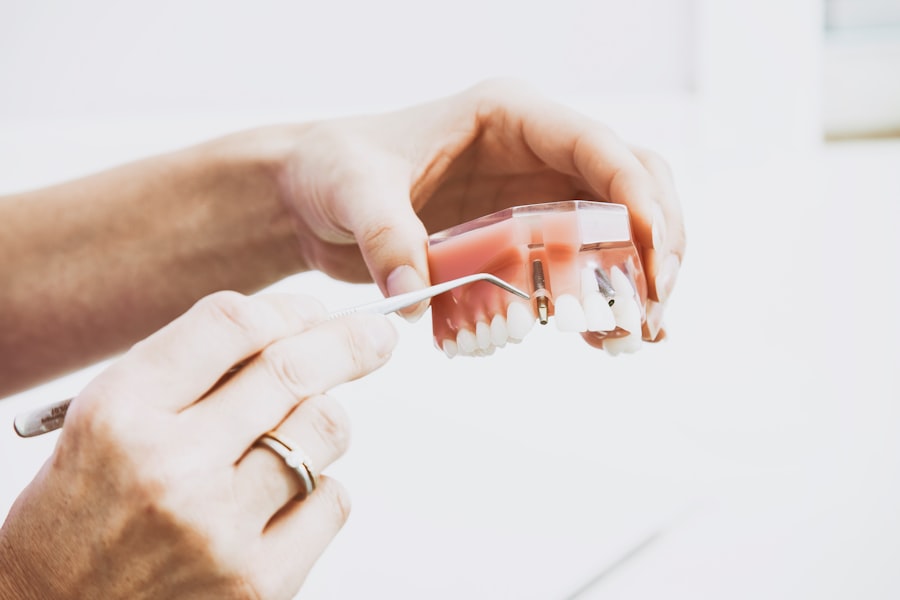
The development of new materials and technologies is at the forefront of dental implant research, significantly influencing their performance and longevity. One notable advancement is the use of zirconia implants, which offer an aesthetic alternative to traditional titanium implants. Zirconia is a ceramic material known for its biocompatibility and tooth-like appearance, making it an attractive option for patients concerned about metal visibility.
Clinical trials have shown promising results regarding the success rates of zirconia implants, particularly in anterior regions where aesthetics are paramount. In addition to material innovations, technological advancements such as 3D printing are transforming the way dental implants are designed and manufactured. This technology allows for the creation of customized implants tailored to individual patient anatomy, enhancing fit and reducing surgical complications.
Furthermore, surface modifications on implant materials are being explored to improve osseointegration rates. Techniques such as sandblasting and acid etching create micro-rough surfaces that promote better bone attachment. These innovations not only enhance the performance of dental implants but also pave the way for more personalized treatment options.
Advancements in Implant Placement Techniques
The techniques employed in implant placement have evolved significantly over the years, driven by advancements in surgical protocols and technology. One of the most notable developments is the adoption of guided implant surgery, which utilizes digital imaging and computer software to plan precise implant placements. This technique minimizes surgical errors and optimizes implant positioning, leading to improved outcomes.
Clinical trials have demonstrated that guided surgery can reduce recovery times and enhance patient satisfaction by ensuring that implants are placed in optimal locations. Another advancement is the use of flapless surgery techniques, which involve placing implants without incising the gum tissue. This minimally invasive approach reduces trauma to surrounding tissues, leading to faster healing times and less postoperative discomfort.
Studies have shown that flapless techniques can yield comparable success rates to traditional methods while enhancing patient comfort. Additionally, advancements in sedation techniques have made implant procedures more accessible for patients with dental anxiety, further expanding the potential candidate pool for dental implants.
Clinical Trials for Implant Stability and Longevity
| Trial ID | Title | Phase | Number of Participants | Start Date | Estimated Completion | Primary Outcome Measure | Location |
|---|---|---|---|---|---|---|---|
| NCT05812345 | Evaluation of Osseointegration in Titanium Dental Implants | Phase 3 | 150 | 2024-01-15 | 2025-06-30 | Rate of successful osseointegration at 6 months | USA |
| NCT05867890 | Comparative Study of Zirconia vs Titanium Implants | Phase 2 | 100 | 2024-03-01 | 2024-12-15 | Implant stability and patient satisfaction | Germany |
| NCT05901234 | Effectiveness of Antibiotic Coated Implants in Preventing Infection | Phase 3 | 200 | 2024-02-10 | 2026-01-20 | Incidence of post-operative infections within 12 months | Japan |
| NCT05904567 | Immediate vs Delayed Loading of Dental Implants | Phase 4 | 120 | 2024-04-05 | 2025-11-10 | Success rate of implants after 1 year | Canada |
| NCT05907890 | Long-term Bone Density Changes Around Implants | Phase 3 | 80 | 2024-05-20 | 2027-05-20 | Bone density measured by CT scan at 2 years | UK |
The stability and longevity of dental implants are critical factors influencing their success rates. Ongoing clinical trials are dedicated to understanding the variables that affect these outcomes, including implant design, surface characteristics, and loading protocols. For instance, some studies are examining the impact of immediate loading—placing a crown on an implant shortly after placement—on long-term stability.
While immediate loading can enhance patient satisfaction by providing quicker results, it also poses challenges regarding osseointegration. Research has shown that certain implant designs may be more conducive to immediate loading than others. For example, tapered implants with specific surface treatments have demonstrated improved primary stability in various clinical settings.
Additionally, trials are exploring the role of bone quality and quantity in determining implant success. By assessing these factors through rigorous clinical studies, researchers aim to establish evidence-based guidelines that can inform best practices in implantology.
Innovations in Bone Regeneration for Dental Implants
Bone regeneration is a critical aspect of successful dental implant placement, particularly in patients with insufficient bone volume due to resorption or other factors. Innovations in bone grafting materials and techniques have emerged as key areas of research within this domain. Autogenous bone grafts—bone harvested from the patient’s own body—have long been considered the gold standard; however, they come with limitations such as donor site morbidity and limited availability.
Recent advancements include the development of synthetic bone graft materials that mimic natural bone properties while eliminating donor site complications. These materials often incorporate growth factors or stem cells to enhance osteogenesis—the process by which new bone is formed. Clinical trials are currently evaluating the efficacy of these synthetic grafts compared to traditional methods, with promising results indicating their potential for successful integration with existing bone structures.
Additionally, techniques such as guided bone regeneration (GBR) have gained traction in clinical practice. GBR involves placing a barrier membrane over a bone graft to facilitate new bone growth while preventing soft tissue infiltration. Ongoing research is focused on optimizing membrane materials and designs to improve outcomes further.
By advancing our understanding of bone regeneration processes through clinical trials, researchers aim to enhance the predictability of dental implant success in challenging cases.
Patient-Centered Outcomes in Dental Implant Clinical Trials
As dental implant research progresses, there is an increasing emphasis on patient-centered outcomes in clinical trials. Traditionally, success rates were measured primarily through clinical parameters such as osseointegration and implant survival; however, there is now a growing recognition of the importance of patient-reported outcomes (PROs). These outcomes encompass various aspects of patient experience, including satisfaction with aesthetics, functionality, and overall quality of life.
Clinical trials are increasingly incorporating PROs into their methodologies to gain a comprehensive understanding of how dental implants impact patients’ lives. For example, studies may utilize validated questionnaires to assess patients’ perceptions of their oral health before and after implant placement. This shift towards a more holistic approach allows researchers to identify factors that contribute to positive patient experiences and address any concerns that may arise during treatment.
Furthermore, understanding patient preferences regarding treatment options is crucial for informed decision-making. Trials that explore different implant systems or techniques often include qualitative assessments to gauge patient attitudes toward various approaches. By prioritizing patient-centered outcomes in clinical research, the field of dental implantology can better align treatment strategies with individual needs and expectations.
Future Implications for Dental Implant Clinical Trials
Looking ahead, the future implications for dental implant clinical trials are vast and promising. As technology continues to advance at an unprecedented pace, researchers will have access to more sophisticated tools for studying implant performance and patient outcomes. The integration of artificial intelligence (AI) into clinical research holds particular promise for analyzing large datasets and identifying trends that may not be immediately apparent through traditional methods.
Moreover, personalized medicine is likely to play a significant role in shaping future clinical trials for dental implants. By leveraging genetic information and individual patient characteristics, researchers can tailor treatment plans that optimize success rates based on specific profiles. This approach could lead to more effective interventions for patients with unique anatomical or physiological considerations.
Additionally, as awareness grows regarding oral health’s impact on overall health, there will be an increased focus on studying how dental implants contribute to systemic well-being. Future trials may explore correlations between successful implant integration and factors such as cardiovascular health or diabetes management. By expanding the scope of research beyond traditional parameters, the field can continue to evolve and improve patient care in meaningful ways.
In conclusion, the landscape of dental implants is rapidly evolving through ongoing research and innovation across various domains. From advancements in materials and technologies to a greater emphasis on patient-centered outcomes, clinical trials are paving the way for enhanced treatment options that prioritize both effectiveness and patient satisfaction. As we look toward the future, it is clear that continued investment in research will be essential for unlocking new possibilities within this vital area of dentistry.
