
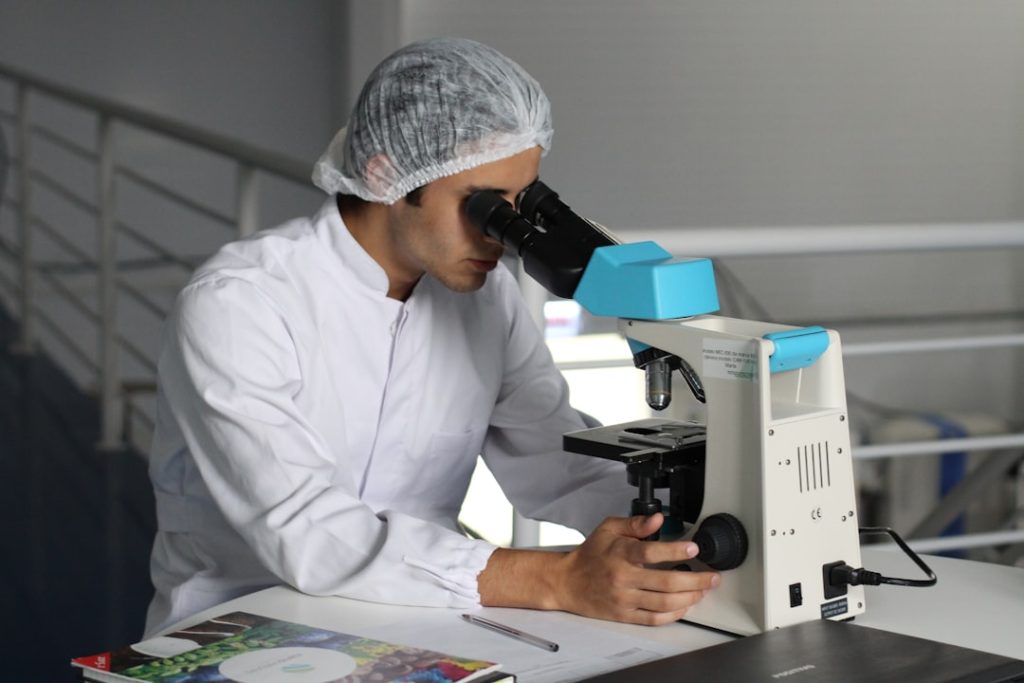
Medical research continually pushes the boundaries of human understanding, striving to unravel the complexities of disease and develop more effective interventions. The concept of a “breakthrough” often implies a sudden, singular event, yet in reality, medical advancements are more akin to a carefully constructed edifice, built brick by brick through persistent experimentation and collaboration. This article examines recent developments that collectively represent a significant leap forward in various therapeutic domains.
The era of “one-size-fits-all” medicine is steadily receding, replaced by an increasingly sophisticated approach: precision medicine. This paradigm shifts the focus from population-level averages to individual patient characteristics, including genetic makeup, lifestyle, and environment. The underlying principle is that by understanding the unique biological blueprint of each patient and their disease, therapies can be optimized for greater efficacy and reduced adverse effects.
Genomic Sequencing and Diagnostics

At the heart of precision medicine lies the ability to decipher an individual’s genome. Advances in next-generation sequencing (NGS) technologies have dramatically reduced the cost and time required for genomic analysis. This accessibility has paved the way for widespread integration of genomic information into clinical practice.
- Pharmacogenomics: This subfield explores how an individual’s genetic variations influence their response to drugs. For instance, specific genetic markers can predict whether a patient will metabolize a particular medication rapidly or slowly, thereby guiding dosage adjustments to prevent toxicity or ensure therapeutic levels. Consider the cytochrome P450 enzymes (CYPs); variations in genes encoding these enzymes significantly impact drug metabolism for a wide array of pharmaceuticals, from antidepressants to anticoagulants.
- Oncology: Genomic profiling of tumors is now standard practice in many cancer types. By identifying specific mutations or gene fusions driving tumor growth, clinicians can select targeted therapies that directly inhibit these molecular pathways. This approach, often called “tumor-agnostic” therapy in cases where a drug works irrespective of the cancer’s origin but based on its molecular signature, has broadened treatment options for patients with rare mutations.
- Rare Diseases: For patients with rare genetic disorders, genomic sequencing can serve as a diagnostic lifeline, often ending years of uncertainty and misdiagnosis. Early and accurate diagnosis facilitates access to appropriate supportive care and, increasingly, to gene-specific therapies.
Personalized Therapy Development
The insights gleaned from genomic analysis are not merely diagnostic tools; they are foundational for developing highly personalized therapeutic strategies. This includes not only selecting existing drugs based on genetic profiles but also designing entirely new treatments.
- CRISPR-Cas9 Gene Editing: This revolutionary technology allows for precise modification of DNA sequences within living cells. Imagine correcting a faulty gene responsible for a debilitating genetic disorder; CRISPR-Cas9 offers that potential. While still in early clinical trials, its promise for conditions like sickle cell anemia, cystic fibrosis, and various cancers is substantial. The ability to “cut and paste” genetic material with such specificity represents a monumental shift in therapeutic intervention.
- Neoantigen Vaccines: In cancer treatment, personalized vaccines are being developed to target unique protein fragments (neoantigens) present only on cancer cells. These neoantigens arise from tumor-specific mutations. By identifying these distinct molecular fingerprints, a vaccine can be tailored to each patient, stimulating an immune response specifically against their tumor.
Immunotherapy: Harnessing the Body’s Defenses

Immunology has long been a complex field, but recent breakthroughs have transformed our understanding of the immune system’s potential as a therapeutic agent. Immunotherapy, in its various forms, aims to re-educate or boost the body’s natural defenses to combat disease, most notably cancer.
Checkpoint Inhibitors
One of the most impactful advancements in immunotherapy has been the development of checkpoint inhibitors. These drugs block proteins that act as “brakes” on the immune system, allowing T-cells to recognize and attack cancer cells more effectively.
- PD-1/PD-L1 and CTLA-4 Inhibition: Proteins like Programmed Death-1 (PD-1), its ligand PD-L1, and Cytotoxic T-Lymphocyte Antigen 4 (CTLA-4) normally help regulate the immune response, preventing autoimmunity. However, cancer cells often exploit these checkpoints to evade immune detection. By inhibiting these pathways, drugs like pembrolizumab, nivolumab, and ipilimumab have demonstrated remarkable efficacy in a range of cancers, including melanoma, lung cancer, and kidney cancer, offering durable responses for many patients where conventional treatments had failed. The mechanism is akin to releasing the parking brake on an immune cell, allowing it to accelerate towards its target.
CAR T-Cell Therapy
Chimeric Antigen Receptor (CAR) T-cell therapy represents another powerful form of immunotherapy, particularly for hematological malignancies. This approach involves genetically engineering a patient’s own T-cells to recognize and destroy cancer cells.
- Ex Vivo Modification: T-cells are extracted from the patient’s blood, then modified in a laboratory to express a CAR protein on their surface. This CAR is designed to bind specifically to an antigen found on the surface of cancer cells. The modified CAR T-cells are then expanded in number and infused back into the patient, where they act as a “living drug.” The engineered T-cells act as highly specialized assassins, programmed to seek out and eliminate only the cancer cells. This technology has shown impressive remission rates in certain types of leukemia and lymphoma, providing a lifeline for patients who have exhausted other treatment options.
Neurodegenerative Diseases: New Avenues for Intervention
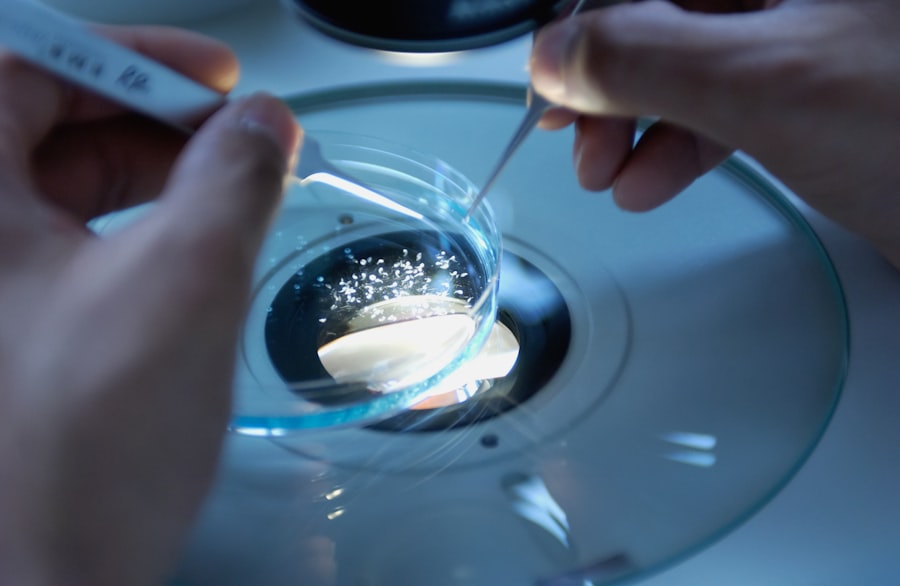
Neurodegenerative diseases, such as Alzheimer’s, Parkinson’s, and Amyotrophic Lateral Sclerosis (ALS), represent a significant medical challenge due to their progressive nature and the lack of curative treatments. Recent research offers glimmers of hope through novel therapeutic strategies.
Amyloid and Tau Targeting in Alzheimer’s
The amyloid cascade hypothesis has long been a central focus in Alzheimer’s disease research, positing that the accumulation of amyloid-beta plaques in the brain triggers a chain of events leading to neurodegeneration. More recently, the role of tau protein tangles has also gained prominence.
- Monoclonal Antibodies: Several monoclonal antibodies designed to target amyloid-beta have shown modest but significant efficacy in slowing cognitive decline in early-stage Alzheimer’s patients. Drugs like aducanumab and lecanemab aim to clear amyloid plaques from the brain. While their clinical benefit remains a subject of ongoing debate and research regarding their precise impact on quality of life, their approval marks a pivotal shift after decades of failed trials, offering the first disease-modifying treatments for Alzheimer’s. This is akin to removing the toxic debris accumulating in a neglected engine, hoping to restore some of its function.
- Tau-Directed Therapies: Research into therapies that target abnormal tau protein, another hallmark of Alzheimer’s pathology, is also advancing. These approaches include antibodies and small molecules designed to prevent tau aggregation or facilitate its clearance, with the goal of halting or reversing neurofibrillary tangle formation.
Gene Therapy for Parkinson’s and ALS
Gene therapy, once a futuristic concept, is increasingly being explored for its potential to address the underlying genetic defects or protein dysregulation contributing to neurodegenerative diseases.
- AAV Vectors: Adeno-associated viral (AAV) vectors are commonly used to deliver therapeutic genes to target cells in the brain or spinal cord. In Parkinson’s disease, gene therapies aim to deliver genes that produce dopamine-synthesizing enzymes or neurotrophic factors to protect dopamine-producing neurons. In ALS, gene therapy is being investigated to deliver genes that reduce the production of toxic proteins or enhance neuronal survival. For individuals with mutations in the SOD1 gene, for example, therapies are exploring oligonucleotide-based approaches to silence the production of the abnormal protein.
Antimicrobial Resistance: A Renewed Focus on Novel Solutions
The rise of antimicrobial resistance (AMR) poses a global health crisis, threatening to return medicine to a pre-antibiotic era. This necessitates a relentless pursuit of novel antimicrobial agents and strategies.
Phage Therapy Revival
Bacteriophages, viruses that specifically infect and kill bacteria, were once considered a promising therapeutic option but were largely eclipsed by antibiotics. With the escalating threat of AMR, phage therapy is experiencing a resurgence.
- Targeted Bacterial Eradication: Phages are highly specific, meaning they typically infect only certain bacterial species or even specific strains. This precision minimizes disruption to the patient’s beneficial microbiome, a significant advantage over broad-spectrum antibiotics. Phage therapy has been successfully used in compassionate use cases for patients with multidrug-resistant infections, particularly those recalcitrant to conventional antibiotics. The concept is akin to using a sniper rifle rather than a shotgun, preserving friendly fire while eliminating the enemy.
- Overcoming Resistance Mechanisms: Phages kill bacteria through different mechanisms than antibiotics, often by lysing the bacterial cell. This means that bacteria resistant to antibiotics may still be susceptible to phage attack. Furthermore, phages can evolve, potentially adapting to bacterial resistance mechanisms.
Antibiotic Adjuvants and Potentiators
Instead of solely searching for entirely new classes of antibiotics, researchers are also investigating compounds that can restore the efficacy of existing antibiotics or enhance their activity.
- Beta-Lactamase Inhibitors: These compounds, often combined with beta-lactam antibiotics, neutralize bacterial enzymes (beta-lactamases) that would otherwise degrade the antibiotic, rendering it ineffective. Recent developments include novel beta-lactamase inhibitors that target a wider range of resistance mechanisms.
- Efflux Pump Inhibitors: Bacteria can develop resistance by actively pumping antibiotics out of their cells. Efflux pump inhibitors block these pumps, allowing antibiotics to accumulate inside the bacterial cell to therapeutic concentrations. This strategy effectively disarms a key bacterial defense mechanism.
Regenerative Medicine: Repairing and Replacing Damaged Tissues
| Metric | Description | Value | Unit | Year |
|---|---|---|---|---|
| Global Health Research Funding | Total annual investment in health research worldwide | 150 | Billion USD | 2023 |
| Number of Clinical Trials | Registered clinical trials globally | 40000 | Trials | 2023 |
| Average Time to Drug Approval | Time from clinical trial start to regulatory approval | 8 | Years | 2023 |
| Medical Research Publications | Number of peer-reviewed medical research articles published | 1.5 | Million Articles | 2023 |
| Global Healthcare Workforce | Number of healthcare professionals worldwide | 59 | Million | 2023 |
| Research & Development Spending in Pharma | Annual R&D expenditure by pharmaceutical companies | 200 | Billion USD | 2023 |
| Life Expectancy Increase Due to Medical Advances | Average increase in life expectancy attributed to medical research | 5 | Years (last 20 years) | 2023 |
Regenerative medicine aims to restore the function of damaged or diseased tissues and organs, often by harnessing the body’s intrinsic healing capabilities or by introducing new cellular or biomaterial components.
Stem Cell Therapies
Stem cells, with their remarkable ability to differentiate into various cell types, hold immense promise for tissue repair and regeneration.
- Induced Pluripotent Stem Cells (iPSCs): The ability to reprogram adult somatic cells into iPSCs has opened new avenues. iPSCs can be generated from a patient’s own cells, making them an ideal source for personalized cell therapies, as they circumvent ethical concerns associated with embryonic stem cells and reduce the risk of immune rejection. They offer a powerful platform for disease modeling, drug screening, and ultimately, cell replacement therapies for conditions like Parkinson’s disease (replacing dopamine neurons), macular degeneration (replacing retinal pigment epithelium), and spinal cord injury (generating new neural connections).
- Organoids: These three-dimensional cell cultures, derived from stem cells, mimic the structure and function of specific organs. Organoids serve as invaluable tools for studying disease mechanisms, drug discovery, and personalized medicine. Imagine growing a small “mini-gut” or “mini-brain” in a lab dish to test drug efficacy or understand disease progression without involving a human patient directly.
Tissue Engineering and Biomaterials
Tissue engineering combines principles of engineering and life sciences to create functional tissues and organs. This often involves the use of scaffolds, cells, and growth factors.
- 3D Bioprinting: This technology allows for the precise deposition of cells and biomaterials layer by layer to create complex tissue structures. Researchers are working on bioprinting everything from skin grafts to vascularized tissues, with the ultimate goal of printing entire organs for transplantation. The fidelity and complexity achievable with 3D bioprinting are steadily increasing, moving from simple monolayers to intricate, multi-cellular architectures.
- Hydrogels and Scaffold Technologies: Novel biomaterials, such as advanced hydrogels, are being developed to provide optimal environments for cell growth, differentiation, and integration into host tissues. These scaffolds can be designed to degrade at a controlled rate, releasing growth factors or drugs, and eventually being replaced by newly formed native tissue. They act as temporary frameworks, guiding the body’s own regenerative processes.
The landscape of medical research is dynamic and ever-evolving. The breakthroughs discussed here are not endpoints but rather milestones on a much longer journey. They represent years of diligent scientific inquiry, often punctuated by setbacks and revisions, culminating in tangible benefits for patients. The ongoing interplay between fundamental scientific discovery and clinical translation continues to redefine what is possible in the battle against disease. As you, the reader, observe these advancements, consider them as intricate mechanisms slowly being revealed, each component contributing to a larger, more comprehensive understanding of human health.
