
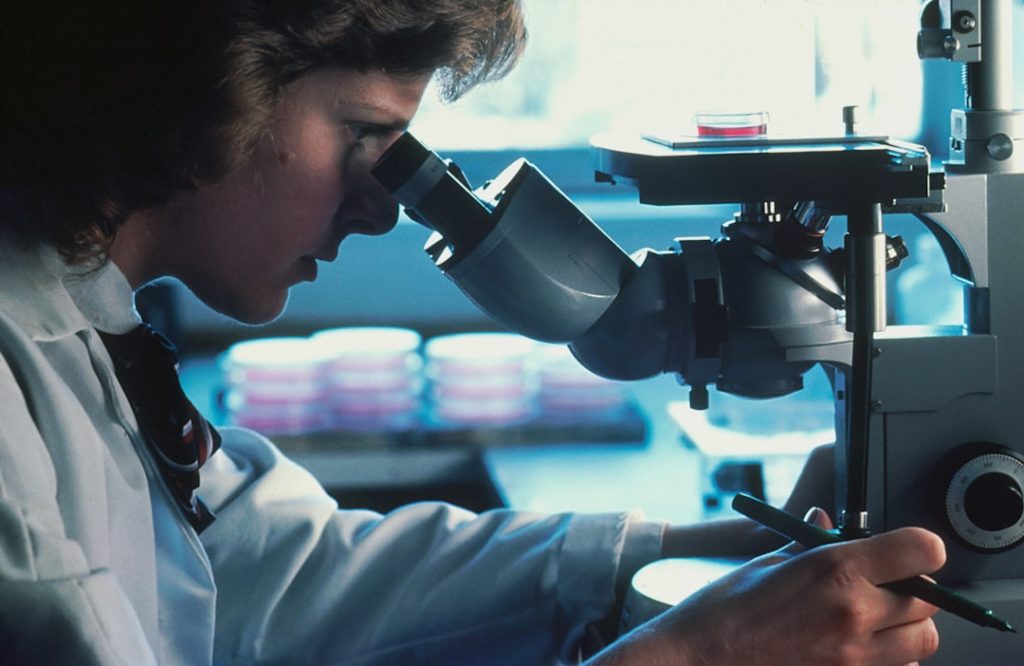
Medical research continues to advance, offering new approaches to understanding, preventing, and treating human diseases. This ongoing effort represents a critical component of global health improvement. The following article outlines prominent areas of development, highlighting their implications for future medical practice.
The field of genomics has revolutionized our ability to analyze and interpret the human genome. This foundational work fuels the concept of precision medicine, which tailors medical treatments to individual patient characteristics.
Gene Editing Technologies

CRISPR-Cas9 and other gene editing tools have emerged as powerful instruments for manipulating DNA with unprecedented accuracy. These technologies hold potential for correcting genetic mutations responsible for various inherited disorders.
- Therapeutic Applications: Clinical trials are underway exploring gene editing for conditions such as sickle cell disease and certain forms of blindness. The ability to precisely alter dysfunctional genes within a patient’s own cells represents a significant paradigm shift.
- Disease Modeling: Gene editing allows researchers to create more accurate human disease models in cellular and animal systems, facilitating drug discovery and understanding of disease mechanisms. This reduces reliance on less relevant experimental models.
- Ethical Considerations: The power of gene editing necessitates careful consideration of ethical boundaries, particularly concerning germline editing and off-target effects. Public discourse and regulatory frameworks are continually adapting to these advancements.
Liquid Biopsies
Liquid biopsies, which analyze biological markers from bodily fluids such as blood, offer a less invasive alternative to traditional tissue biopsies for disease detection and monitoring.
- Cancer Detection and Monitoring: Circulating tumor DNA (ctDNA) analysis allows for early cancer detection, assessment of treatment response, and monitoring for recurrence, often before radiological signs appear. This provides a dynamic view of tumor evolution.
- Prenatal Diagnostics: Non-invasive prenatal testing (NIPT) utilizes cell-free fetal DNA in maternal blood to screen for chromosomal abnormalities, reducing the need for more invasive procedures like amniocentesis.
- Infection Surveillance: Circulating microbial DNA or RNA can identify infectious agents in immunocompromised patients, enabling earlier diagnosis and targeted therapy.
Artificial Intelligence and Machine Learning in Healthcare

Artificial intelligence (AI) and machine learning (ML) algorithms are increasingly integrated into various aspects of healthcare, improving efficiency, diagnostic accuracy, and drug development. These computational tools act as sophisticated pattern recognition systems, sifting through vast datasets.
Image Analysis and Diagnostics
AI algorithms are demonstrating proficiency in interpreting medical images, aiding clinicians in diagnosis and prognosis.
- Radiology: AI models can detect subtle abnormalities in X-rays, CT scans, and MRIs, such as early signs of cancer or neurological conditions, potentially reducing false negatives and improving workflow efficiency for radiologists.
- Pathology: Automated analysis of histopathology slides can identify cancerous cells, grade tumors, and predict treatment response, offering a second opinion and standardizing diagnostic processes.
- Ophthalmology: AI is being developed to screen for retinal diseases like diabetic retinopathy and glaucoma from fundus images, improving access to early detection in underserved areas.
Drug Discovery and Development
AI and ML are accelerating the laborious and costly process of bringing new drugs to market.
- Target Identification: Algorithms can analyze biological data to pinpoint promising drug targets, identifying proteins or pathways crucial for disease progression. This narrows the scope of investigation.
- Molecule Sourcing: AI can rapidly screen vast chemical libraries to identify compounds with desired properties, predicting their efficacy and potential toxicity. This allows for a more focused approach to drug design.
- Clinical Trial Optimization: Machine learning can analyze patient data to identify suitable candidates for clinical trials, predict patient response to therapies, and optimize trial design, potentially accelerating drug approval.
Advanced Therapeutic Modalities
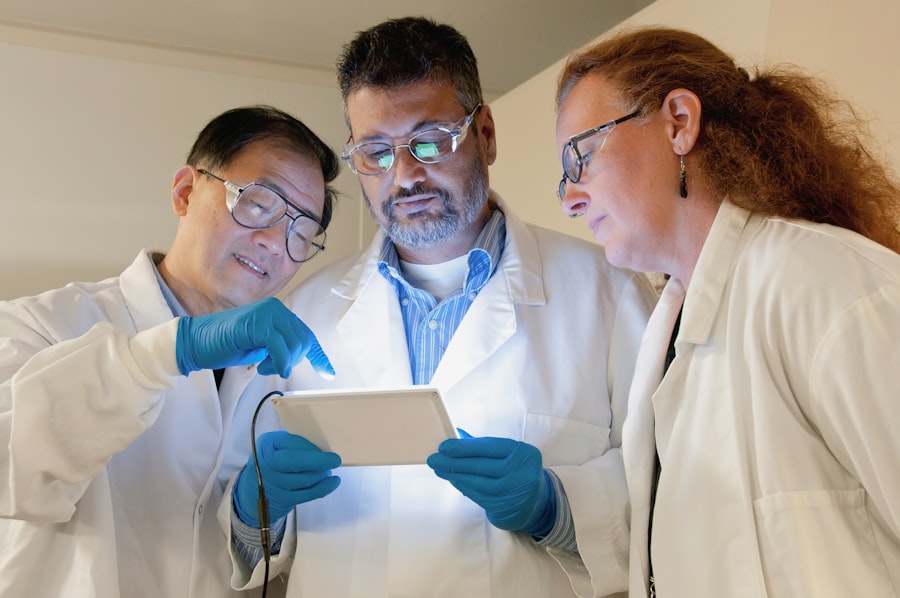
Beyond traditional pharmaceuticals, novel therapeutic approaches are emerging, offering targeted and personalized interventions. These are not merely new drugs, but fundamentally different ways to interact with disease.
Cell-Based Therapies
Chimeric Antigen Receptor (CAR) T-cell therapy and other cell-based treatments harness the body’s own cells to combat disease.
- Oncology: CAR T-cell therapy has shown significant success in treating certain blood cancers, modifying a patient’s T-cells to recognize and destroy cancer cells. This represents a living therapeutic agent.
- Regenerative Medicine: Stem cell therapies are being explored for repairing damaged tissues and organs, offering hope for conditions such as heart disease, spinal cord injury, and neurodegenerative disorders.
- Immunomodulation: Regulatory T cells (Tregs) are being investigated for their potential to suppress autoimmune responses, offering a targeted approach to managing autoimmune diseases and preventing transplant rejection.
Messenger RNA (mRNA) Therapies
The rapid development and deployment of mRNA vaccines for infectious diseases have highlighted the potential of this platform beyond immunology.
- Infectious Diseases: mRNA vaccines instruct cells to produce viral proteins, eliciting an immune response without exposing the individual to the pathogen itself. This allows for rapid vaccine development and scalability.
- Cancer Immunotherapy: mRNA is being explored to deliver tumor-specific antigens, training the immune system to recognize and attack cancer cells. This could lead to personalized cancer vaccines.
- Protein Replacement Therapy: Theoretically, mRNA could instruct cells to produce missing or dysfunctional proteins, offering a potential treatment for genetic disorders. This addresses the root cause of certain deficiencies.
Wearable Technology and Remote Monitoring
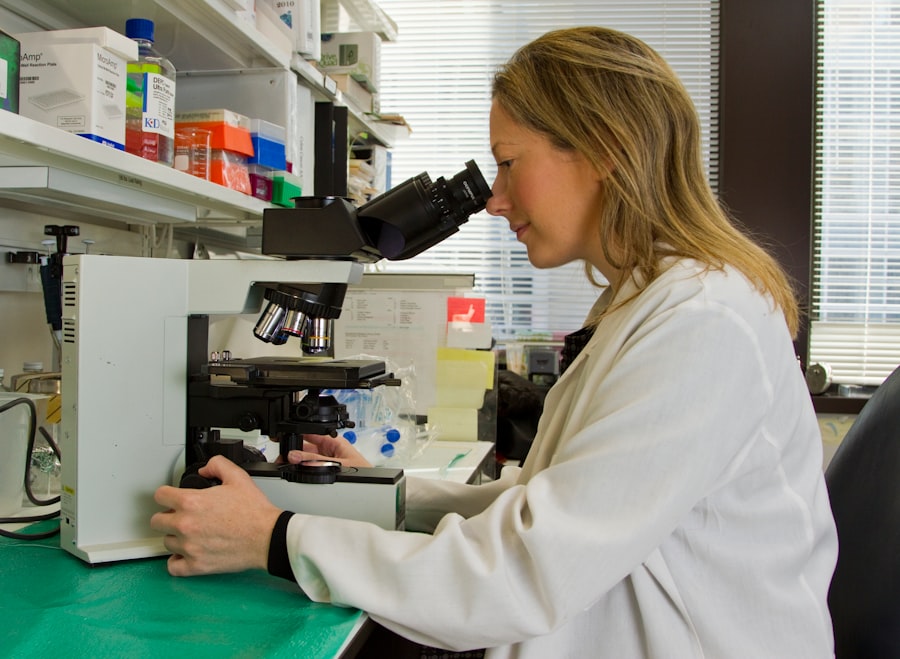
The proliferation of wearable devices and advancements in remote monitoring technologies are transforming healthcare from a reactive system to a more proactive and preventative one. These devices act as constant, discreet observers of physiological data.
Continuous Health Tracking
Wearable sensors provide real-time data on various physiological parameters, offering insights into an individual’s health status.
- Cardiac Monitoring: Smartwatches and patches can monitor heart rate, detect arrhythmias, and even perform electrocardiograms (ECGs), allowing for early detection of cardiac issues.
- Physical Activity and Sleep: Devices track activity levels, sleep patterns, and caloric expenditure, empowering individuals to manage their lifestyle choices and identify potential health risks.
- Glucose Monitoring: Continuous glucose monitors (CGMs) for individuals with diabetes eliminate the need for frequent finger pricks, providing detailed blood glucose trends and facilitating better disease management.
Telemedicine and Remote Consultations
Technological advancements have made remote healthcare consultations more accessible and effective.
- Virtual Doctor Visits: Patients can consult with healthcare providers via video calls, increasing access to specialists and reducing geographical barriers to care. This is particularly valuable in rural areas.
- Remote Patient Management: For chronic conditions, remote monitoring allows clinicians to track patient data and intervene proactively, preventing hospitalizations and improving outcomes.
- Mental Health Support: Telemedicine offers a discreet and convenient way to access mental health professionals, reducing stigma and increasing adherence to therapy.
Computational Biology and Systems Approaches
| Year | Number of Clinical Trials | New Drug Approvals | Research Funding (in millions) | Breakthrough Discoveries |
|---|---|---|---|---|
| 2020 | 1,200 | 45 | 3,500 | CRISPR gene editing advancements |
| 2021 | 1,350 | 50 | 4,000 | mRNA vaccine technology |
| 2022 | 1,500 | 55 | 4,500 | AI in drug discovery |
| 2023 | 1,700 | 60 | 5,200 | Personalized cancer therapies |
| 2024 | 1,850 | 65 | 5,800 | Advances in regenerative medicine |
Modern medical research increasingly employs computational biology and systems approaches to understand complex biological processes as integrated networks rather than isolated components. This perspective views the human body not as a collection of separate organs, but as an interconnected ecosystem.
Multi-Omics Integration
The integration of data from various “omics” technologies – genomics, transcriptomics, proteomics, metabolomics – provides a holistic view of biological systems.
- Disease Mechanism Elucidation: By correlating data from different omics layers, researchers can identify key drivers of disease, unraveling complex biochemical pathways and protein interactions.
- Biomarker Discovery: Multi-omics analysis can uncover novel biomarkers for disease diagnosis, prognosis, and prediction of treatment response, providing more accurate and comprehensive assessment tools.
- Personalized Treatment Stratification: Integrating multi-omics data with clinical information can help stratify patients into subgroups that are more likely to respond to specific therapies, moving beyond a “one-size-fits-all” approach.
Digital Twins
The concept of “digital twins” involves creating virtual representations of individual patients, incorporating their unique biological and physiological data.
- Personalized Drug Testing: A digital twin could be used to simulate the efficacy and side effects of different drugs on an individual patient’s system before actual administration, minimizing trial and error.
- Predictive Modeling of Disease Progression: By modeling known biological pathways and applying patient-specific data, digital twins could predict the likely course of a disease and the impact of various interventions.
- Surgical Planning and Simulation: For complex surgical procedures, a digital twin of a patient’s anatomy could allow surgeons to practice and refine their approach virtually, improving outcomes and reducing risks.
The landscape of medical research is dynamic, marked by continuous innovation. These advancements, while individually significant, converge to create a synergistic effect, collectively driving progress towards a future where diseases are better understood, more precisely diagnosed, and more effectively treated. The momentum of these developments suggests a continued trajectory of improvement in human health. You, as a reader, are witnessing a transformative era in medicine, where the tools and insights available to investigators are more powerful than ever before.
