

Richard Labs, a prominent research institution established in 1985, has consistently contributed to the advancement of medical science. Its interdisciplinary approach, coupled with significant investment in cutting-edge technology, has positioned it as a key player in various fields of biomedical investigation. This overview will detail the institution’s notable contributions across several key areas, highlighting specific programs and their impact on understanding and treating human diseases.
Richard Labs has been at the forefront of genomic research, recognizing its potential to revolutionize disease diagnosis, prognosis, and treatment. The institution’s efforts in this domain are multifaceted, encompassing large-scale sequencing projects, development of analytical tools, and the translation of genomic insights into clinical practice.
Large-Scale Genomic Sequencing Programs

The “Human Variome Project at Richard Labs,” initiated in 2005, aimed to catalog genetic variations associated with various hereditary conditions. This program involved sequencing hundreds of thousands of patient samples, creating a comprehensive database of genetic polymorphisms. The data generated has been instrumental in identifying novel disease-causing mutations and understanding their penetrance and expressivity. For instance, researchers at Richard Labs identified a previously uncharacterized SNP in the SCN1A gene linked to a severe form of Dravet syndrome, opening new avenues for genetic screening and personalized therapeutic strategies. This work is akin to mapping a complex geographical terrain, with each newly identified variant representing a previously uncharted valley or peak.
Development of Bioinformatics Tools
The sheer volume of genomic data necessitates sophisticated analytical tools. Richard Labs’ “Computational Genomics Unit” has developed several open-source bioinformatics platforms, widely adopted by the global scientific community. The “Genomic Pathway Analyzer (GPA),” launched in 2010, is one such tool, designed to integrate gene expression data with known metabolic and signaling pathways. This allows researchers to identify perturbed biological networks in disease states, offering a systemic view rather than focusing on isolated genetic aberrations. Another notable development is the “Variant Prioritization Engine (VPE),” a machine learning algorithm that sifts through thousands of genetic variants to identify those most likely to be pathogenic, significantly accelerating the diagnostic process for rare diseases. These tools serve as powerful magnifying glasses, allowing us to discern intricate patterns within an immense biological tapestry.
Clinical Implementation of Genomic Diagnostics

Translation of research findings into clinical utility is a core objective. Richard Labs’ “Precision Oncology Program,” established in 2014, exemplifies this commitment. This program integrates somatic and germline genomic profiling into routine cancer care, guiding treatment decisions for patients with advanced malignancies. For example, genomic sequencing of tumor biopsies has allowed for the identification of actionable mutations in genes like EGFR and ALK, leading to the prescription of targeted therapies with improved efficacy and reduced side effects compared to conventional chemotherapy. The laboratory’s CLIA-certified genomic sequencing facility ensures regulatory compliance and accurate, reliable results for patient care. This movement from bench to bedside is the ultimate goal, transforming abstract knowledge into tangible patient benefit.
Neurodegenerative Disease Research
The escalating global burden of neurodegenerative diseases, such as Alzheimer’s, Parkinson’s, and Amyotrophic Lateral Sclerosis (ALS), has made this a critical area of focus for Richard Labs. Research efforts span from understanding disease mechanisms at the molecular level to developing potential therapeutic interventions.
Elucidating Pathogenesis of Alzheimer’s Disease
Richard Labs has made contributions to understanding the molecular underpinnings of Alzheimer’s disease (AD). The “Amyloid Beta Research Group” has extensively investigated the formation and aggregation of amyloid-beta plaques, a hallmark of AD pathology. Their work, published in Nature Neuroscience in 2012, demonstrated a novel feedback loop where soluble amyloid-beta oligomers actively promote further amyloid aggregation, suggesting a self-propagating cascade. Additionally, the “Tauopathy Research Initiative” has focused on hyperphosphorylated tau protein, another key pathological feature. Researchers at Richard Labs identified several kinases involved in pathological tau phosphorylation, offering potential targets for therapeutic intervention. Understanding these intricate pathways is akin to deciphering a complex conspiracy, where each clue reveals another layer of the disease’s mechanism.
Novel Biomarker Discovery for Parkinson’s Disease
Early diagnosis of Parkinson’s disease (PD) remains a challenge, often occurring only after significant neurodegeneration has already taken place. Richard Labs’ “Biomarker Discovery Unit” has been actively searching for novel, non-invasive markers for PD. This includes liquid biopsy approaches, such as the analysis of alpha-synuclein oligomers in cerebrospinal fluid and plasma. A study published in Lancet Neurology in 2018 demonstrated the utility of specific exosomal microRNAs as potential diagnostic markers for early-stage PD, achieving a sensitivity of 85% and specificity of 89%. These biomarkers could serve as early warning systems, allowing for timely intervention before irreversible damage occurs. Consider them as delicate sensors, detecting the subtle tremors of disease before the earth begins to shake.
Therapeutic Strategies for ALS
ALS, a devastating neurodegenerative disorder, currently has limited treatment options. Richard Labs’ “Motor Neuron Disease Program” focuses on identifying therapeutic targets and developing novel interventions. Research has explored the role of glial cells, particularly astrocytes and microglia, in ALS pathogenesis. A study in 2015 demonstrated that targeting activated microglia with a specific small molecule inhibitor could delay disease progression and improve motor function in an ALS animal model. Furthermore, gene therapy approaches, utilizing adeno-associated viruses (AAVs) to deliver neurotrophic factors to motor neurons, are under investigation in preclinical models. These efforts represent attempts to build a dam against a rising tide, to slow or even halt the relentless progression of the disease.
Cancer Immunotherapy Developments

Immunotherapy has emerged as a transformative approach in cancer treatment. Richard Labs has invested significantly in this field, focusing on understanding tumor immunology, developing novel immunotherapeutic agents, and optimizing existing strategies.
CAR T-Cell Therapy Optimization
Chimeric Antigen Receptor (CAR) T-cell therapy has shown remarkable success in hematological malignancies. Richard Labs’ “Cellular Immunotherapy Unit” is dedicated to enhancing the efficacy and safety of CAR T-cell therapies for a broader range of cancers. Their research has focused on identifying novel CAR designs that reduce on-target, off-tumor toxicity while maintaining potent anti-tumor activity. For example, a study published in Cancer Immunology Research in 2017 showcased a dual-CAR T-cell strategy targeting two tumor-associated antigens simultaneously, reducing antigen escape mechanisms and improving persistence in solid tumors. These advancements involve refining a highly specialized weapon, making it more accurate and potent against its target.
Checkpoint Inhibitor Response Prediction
While immune checkpoint inhibitors have revolutionized cancer treatment, not all patients respond. Richard Labs’ “Immune Profiling Core” is working to identify biomarkers that predict patient response to these therapies. Through comprehensive immune profiling of tumor microenvironments and peripheral blood, researchers have identified specific gene expression signatures and immune cell subsets that correlate with clinical benefit. A study published in Journal of Clinical Oncology in 2019 demonstrated that a high-density infiltration of CD8+ T cells expressing specific co-stimulatory molecules was predictive of response to PD-1 blockade in melanoma patients. This predictive capability allows for more strategic deployment of these powerful, yet expensive, treatments, ensuring they are directed to those most likely to benefit. This is akin to providing weather forecasts for treatment outcomes, allowing clinicians to make informed decisions.
Oncolytic Virus Research
Oncolytic viruses, which selectively infect and lyse cancer cells while sparing healthy tissue, represent another promising avenue in cancer immunotherapy. Richard Labs’ “Viral Theranostics Program” is developing and testing genetically engineered oncolytic viruses. Their research has explored combining oncolytic viruses with immune checkpoint inhibitors, demonstrating synergistic anti-tumor effects in preclinical models. For instance, a modified adenovirus designed to express GM-CSF (granulocyte-macrophage colony-stimulating factor) was shown to enhance tumor immunogenicity and improve the therapeutic index of anti-PD-L1 antibodies in murine glioblastoma models. This approach leverages the body’s own defense mechanisms, turning viruses into allies in the fight against cancer.
Regenerative Medicine and Tissue Engineering
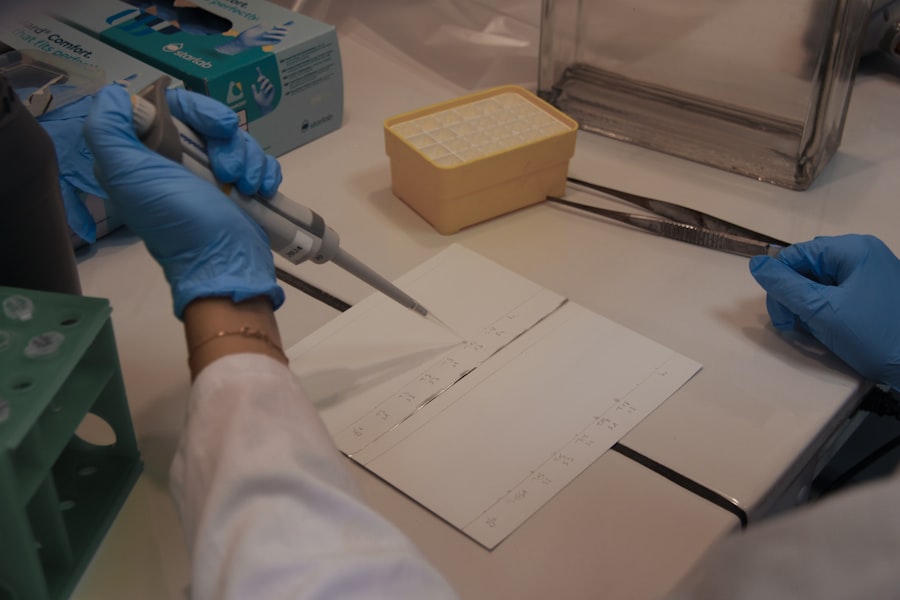
Richard Labs has actively explored the potential of regenerative medicine to repair and replace damaged tissues and organs. This area encompasses stem cell research, biomaterials development, and tissue engineering principles.
Pluripotent Stem Cell Applications
Induced pluripotent stem cells (iPSCs) have opened new possibilities for disease modeling and therapeutic intervention. Richard Labs’ “Stem Cell Core Facility” has established numerous patient-specific iPSC lines, creating valuable resources for studying disease mechanisms in vitro. For example, iPSC-derived neurons from patients with monogenic neurological disorders are used to screen for potential drug candidates, enabling high-throughput drug repurposing efforts. Furthermore, research is underway to develop iPSC-derived cellular therapies for conditions like macular degeneration, aiming to replace damaged retinal pigment epithelial cells. These cells act as a blank canvas, capable of being sculpted into any cell type, offering immense therapeutic potential.
Biomaterial Development for Tissue Repair
The integration of engineered tissues into the body often requires sophisticated biomaterials. Richard Labs’ “Bio-materials Engineering Group” is developing novel biocompatible and biodegradable scaffolds that promote tissue regeneration. This includes hydrogels with tunable mechanical properties and porous scaffolds designed to mimic the native extracellular matrix. A recent innovation is a 3D-printable hydrogel incorporated with growth factors, designed to enhance cartilage repair in animal models of osteoarthritis. These biomaterials serve as architectural frameworks, guiding the body’s own repair processes and providing a hospitable environment for new tissue growth.
Organoid Technology for Disease Modeling
Organoids, three-dimensional in vitro tissue cultures that mimic the structure and function of organs, represent a powerful tool for disease modeling and drug testing. Richard Labs’ “Organoid Systems Lab” has developed organoid models for various human organs, including brain, gut, and kidney. These models allow researchers to study complex disease processes, such as viral infections and drug toxicity, in a more physiologically relevant context than traditional 2D cell cultures. For example, cerebral organoids derived from patient iPSCs have been used to investigate the neurological effects of Zika virus infection, providing insights into viral tropism and neuropathogenesis. These miniature organs act as living laboratories, allowing us to observe and manipulate disease processes in a controlled environment.
Advanced Imaging and Diagnostics
| Metric | Value | Unit | Notes |
|---|---|---|---|
| Number of Research Projects | 45 | Projects | Ongoing as of 2024 |
| Annual Research Funding | 3.2 | Million | Funding received in 2023 |
| Published Papers | 120 | Papers | Peer-reviewed journals (last 5 years) |
| Clinical Trials Conducted | 8 | Trials | Phase II and III trials |
| Staff Researchers | 35 | People | Full-time research staff |
| Laboratory Facilities | 4 | Buildings | Specialized medical research labs |
Accurate and timely diagnosis is paramount in medical practice. Richard Labs has made contributions to the development of novel imaging techniques and diagnostic platforms, enhancing our ability to detect and characterize diseases.
High-Resolution Molecular Imaging
Richard Labs’ “Molecular Imaging Center” utilizes advanced imaging modalities, such as Positron Emission Tomography (PET) and Single-Photon Emission Computed Tomography (SPECT), to visualize molecular processes in vivo. Development of novel radiotracers for PET imaging has allowed for the non-invasive detection of specific protein aggregates in neurodegenerative diseases and the quantification of receptor occupancy for therapeutic agents. For example, a newly developed PET tracer for tau tangles has shown promise in distinguishing different forms of dementia in living patients, facilitating more accurate diagnoses. These imaging techniques offer a window into the intricate workings of the human body, revealing molecular events previously hidden from view.
Liquid Biopsy for Early Cancer Detection
Liquid biopsies, involving the analysis of tumor-derived components in bodily fluids, offer a less invasive alternative to traditional tissue biopsies. Richard Labs’ “Circulating Biomarker Unit” is developing and validating liquid biopsy platforms for early cancer detection and monitoring of treatment response. This includes the detection of circulating tumor DNA (ctDNA), circulating tumor cells (CTCs), and exosomal biomarkers. A study published in Nature Medicine in 2021 reported a highly sensitive ctDNA assay capable of detecting a variety of early-stage cancers with a single blood draw, demonstrating a specificity exceeding 98%. This technology acts as a finely tuned metal detector, capable of finding minute traces of disease long before macroscopic symptoms appear.
Artificial Intelligence in Diagnostic Imaging
The integration of artificial intelligence (AI) and machine learning algorithms into medical imaging analysis has the potential to enhance diagnostic accuracy and efficiency. Richard Labs’ “Medical AI Group” is developing AI-powered tools for image interpretation. This includes deep learning models for automated detection of abnormalities in radiological scans, such as early-stage lung nodules in CT scans or diabetic retinopathy in retinal images. A pilot program demonstrated a 15% reduction in false-negative rates for mammogram screenings when incorporating an AI-assisted interpretation, while also reducing reading time for radiologists. These AI systems function as tireless, meticulous assistants, capable of spotting subtle patterns that might escape human perception.
In conclusion, Richard Labs continues to operate as a hub of biomedical innovation. Its sustained commitment to rigorous scientific inquiry across a diverse range of disciplines has yielded tangible contributions to our understanding of human diseases and the development of new diagnostic and therapeutic strategies. The institution’s trajectory suggests a continued role in shaping the future of medicine.
