

The Naval Medical Research Center (NMRC) stands as a prominent institution within the United States Navy’s medical research enterprise. Its mission focuses on scientific inquiry and technological development to safeguard the health and readiness of military personnel, particularly those in naval and marine environments. This article explores key advancements spearheaded by NMRC, highlighting their impact on operational effectiveness and individual well-being.
The Naval Medical Research Center traces its origins to the exigencies of naval warfare and the recognition of unique health challenges faced by sailors and marines. Established to address these specific needs, NMRC has evolved into a multifaceted research organization. Its core mission revolves around conducting biomedical research deemed critical for the U.S. Navy and Marine Corps. This encompasses a broad spectrum of scientific disciplines, from infectious diseases and operational medicine to dive and undersea medicine and wound care. The Center’s historical trajectory reflects a continuous adaptation to emerging threats and evolving medical understanding, acting as a medical compass guiding naval readiness.
Early Foundations

The establishment of NMRC can be attributed to the recognition that conventional medical research avenues often did not adequately address the specialized health requirements of naval personnel. Conditions encountered at sea, such as infectious disease outbreaks in confined spaces, decompression sickness, and injuries sustained in combat, demanded dedicated investigation. Early research efforts laid the groundwork for understanding these unique stressors and developing countermeasures.
Evolution of Focus
Over decades, NMRC’s research focus has expanded in response to changes in military operations and disease patterns. Initial emphasis on infectious diseases prevalent in tropical climates, for instance, broadened to include concerns like traumatic brain injury and psychological resilience as the nature of warfare shifted. This adaptable framework allows NMRC to remain relevant in a dynamic global health landscape.
Combating Infectious Diseases

Infectious diseases pose a persistent threat to military operations, capable of debilitating forces and compromising mission readiness. NMRC plays a critical role in mitigating these risks through comprehensive research programs focused on disease detection, prevention, and treatment. This work acts as a continuous immune response for the armed forces.
Vaccine Development
NMRC has been instrumental in the development and evaluation of vaccines for a range of pathogens relevant to military populations. These efforts are often driven by the need for protection against diseases endemic to deployment regions or those with a high risk of transmission in close-quarter environments. Research encompasses the entire vaccine lifecycle, from antigen discovery to clinical trials.
Malaria Vaccine Research
Malaria remains a significant threat to military personnel deployed in endemic regions. NMRC has conducted extensive research into malaria vaccine candidates, focusing on developing effective and long-lasting protection. This includes investigating various vaccine platforms and conducting field trials to assess efficacy in real-world scenarios.
Respiratory Disease Vaccines
Respiratory infections, including influenza and adenoviruses, can rapidly spread among military personnel, leading to widespread illness and operational disruption. NMRC’s research contributes to the development of vaccines targeting these pathogens, aiming to reduce incidence rates and severity of illness.
Diagnostics and Surveillance
Accurate and rapid diagnostics are crucial for identifying disease outbreaks early and implementing effective control measures. NMRC develops and evaluates novel diagnostic tools, often designed for use in austere environments where sophisticated laboratory infrastructure may be limited. Surveillance efforts track disease trends and inform public health interventions.
Point-of-Care Diagnostics
The ability to diagnose infectious diseases at the point of care, especially in remote or deployed settings, significantly enhances responsiveness. NMRC researchers work on developing portable, user-friendly diagnostic assays that can detect pathogens quickly and reliably, providing critical information for treatment decisions.
Global Disease Surveillance
Through its network of overseas laboratories and collaborative partnerships, NMRC contributes to global disease surveillance efforts. This involves monitoring emerging infectious diseases, tracking antibiotic resistance patterns, and identifying potential biological threats, thereby providing an early warning system for military health.
Advancements in Operational Medicine

Operational medicine encompasses the unique medical challenges associated with military operations, including combat trauma, environmental stressors, and the psychological impact of deployment. NMRC’s research in this area aims to enhance the capabilities of medical personnel and improve outcomes for service members in demanding environments. This domain is the crucible where military health strategies are forged.
Combat Casualty Care
Improving outcomes for casualties sustained in combat is a paramount concern. NMRC conducts research into advanced trauma care, hemorrhage control, and resuscitation techniques, seeking to reduce mortality and morbidity from combat injuries.
Hemorrhage Control
Uncontrolled hemorrhage is a leading cause of preventable death on the battlefield. NMRC research has contributed to the development and refinement of hemostatic agents, tourniquets, and resuscitative strategies designed to effectively manage severe bleeding, acting as a crucial dam against torrents of blood loss.
Traumatic Brain Injury (TBI) Research
TBI, particularly mild TBI or concussion, remains a significant concern in both combat and training environments. NMRC investigates the mechanisms of TBI, develops improved diagnostic methods, and explores therapeutic interventions to mitigate long-term neurological consequences.
Environmental Health and Protection
Military personnel operate in diverse and often challenging environments, exposed to extreme temperatures, high altitudes, and various environmental hazards. NMRC’s research focuses on understanding and mitigating the health impacts of these exposures.
Hypothermia and Hyperthermia Research
Extreme temperatures can significantly impair physical and cognitive performance and pose serious health risks. NMRC investigates physiological responses to heat and cold stress, developing strategies for prevention, diagnosis, and treatment of hypothermia and hyperthermia in operational settings.
Altitude Sickness Prevention
Deployment to high-altitude environments can lead to altitude sickness, affecting operational effectiveness. NMRC conducts research into acclimatization processes, pharmacological interventions, and predictive models to prevent and manage altitude-related illnesses.
Dive and Undersea Medicine
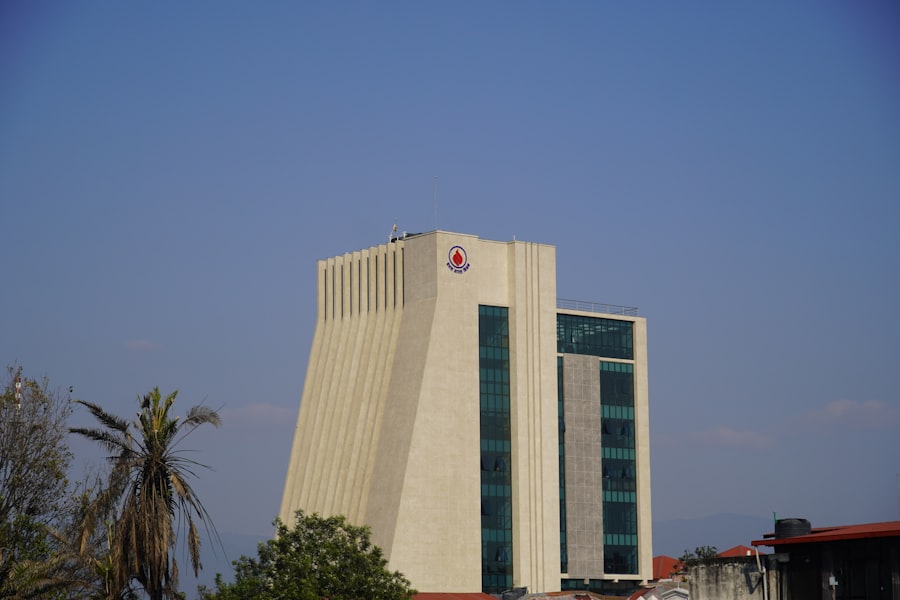
The unique physiological challenges of diving and undersea operations necessitate specialized medical research. NMRC maintains a dedicated focus on understanding the effects of pressure changes, gas mixtures, and confined environments on human physiology. This area is a deep dive into the very physiology of naval existence.
Decompression Sickness Research
Decompression sickness (DCS), or “the bends,” is a critical concern for divers and submariners. NMRC conducts foundational research into the physiological mechanisms of DCS, develops improved decompression protocols, and investigates novel treatment modalities.
Predictive Models for DCS
Understanding the factors that contribute to DCS allows for the development of predictive models to assess risk and optimize dive profiles. NMRC researchers develop and refine these models, aiming to minimize the incidence of DCS among operational divers.
Hyperbaric Oxygen Therapy
Hyperbaric oxygen therapy (HBOT) is the primary treatment for DCS. NMRC researches the efficacy of HBOT protocols, explores adjunctive therapies, and investigates factors influencing treatment outcomes to improve recovery rates.
Submarine and Confined Space Environments
Life aboard submarines and in other confined undersea environments presents distinct health considerations, including air quality, psychological stress, and infectious disease transmission. NMRC addresses these concerns through targeted research.
Air Quality Monitoring
Maintaining optimal air quality in enclosed undersea environments is paramount for crew health. NMRC investigates methods for continuous air quality monitoring, identifies potential contaminants, and develops strategies for maintaining breathable atmospheres.
Psychological Resilience in Confined Spaces
Prolonged periods in confined spaces can exert significant psychological stress on personnel. NMRC conducts research into psychological resilience, stress mitigation strategies, and methods for fostering mental well-being in these unique operational settings.
Enhancing Readiness and Resilience
| Metric | Details |
|---|---|
| Location | Silver Spring, Maryland, USA |
| Established | 1942 |
| Primary Focus | Biomedical research to support military health |
| Research Areas | Infectious diseases, combat casualty care, trauma, medical countermeasures |
| Number of Employees | Approximately 1,000 military and civilian personnel |
| Annual Research Budget | Over 100 million |
| Collaborations | U.S. Department of Defense, NIH, CDC, academic institutions |
| Notable Achievements | Development of vaccines, combat trauma care innovations, infectious disease diagnostics |
Beyond addressing immediate medical threats, NMRC also focuses on broader aspects of military health, aiming to enhance the overall readiness and resilience of service members across their careers. This involves proactive approaches to health maintenance and performance optimization. These efforts form the backbone of a robust fighting force.
Psychological Health and Performance
The psychological well-being of military personnel is as critical as their physical health. NMRC investigates factors influencing psychological resilience, develops interventions for stress management, and seeks to optimize cognitive performance under pressure.
Stress and Trauma Mitigation
Deployment-related stress and exposure to traumatic events can have lasting psychological impacts. NMRC researches effective strategies for mitigating the effects of stress and trauma, including early intervention programs and evidence-based therapies.
Cognitive Performance Optimization
Maintaining peak cognitive function is essential for critical decision-making in operational environments. NMRC explores methods for optimizing cognitive performance, including sleep management, nutritional interventions, and training protocols.
Regenerative Medicine and Rehabilitation
Injuries sustained in service, whether from combat or training, often require extensive rehabilitation. NMRC’s involvement in regenerative medicine aims to accelerate healing and restore function, while rehabilitation research improves long-term outcomes.
Advanced Wound Healing
Chronic wounds and complex injuries pose significant challenges in military medicine. NMRC investigates novel wound healing technologies, including biomaterials and cellular therapies, to promote faster and more complete tissue regeneration.
Musculoskeletal Injury Prevention and Treatment
Musculoskeletal injuries are prevalent among military personnel due to strenuous training and physical demands. NMRC conducts research into injury prevention strategies, develops improved diagnostic tools, and explores advanced treatment and rehabilitation protocols to minimize their impact on readiness.
In conclusion, the Naval Medical Research Center operates as a vital pillar in the comprehensive medical support system for the U.S. Navy and Marine Corps. Its sustained commitment to scientific inquiry and technological advancement directly translates into enhanced health, resilience, and operational effectiveness for service members. The scope of its work, from combating infectious diseases to pioneering dive medicine and fostering psychological well-being, underscores its critical role in maintaining a medically ready force, ever adapting to new challenges and pushing the boundaries of military medical science.
