

The journal Clinical Cancer Research has served as a prominent venue for the dissemination of advancements in targeted therapies, a cornerstone of modern oncology. This article examines the journal’s contributions to the field, focusing on key developments and their implications for patient care. We will explore the evolution of targeted therapy, the methodological rigor often emphasized in published studies, and the ongoing challenges that require continued research.
Targeted therapy, unlike conventional chemotherapy, aims to selectively interfere with specific molecular pathways crucial for cancer cell growth and survival. This approach represents a paradigm shift from broad-spectrum systemic treatments. Early successes laid the groundwork for a more sophisticated understanding of cancer biology and drug development.
Early Milestones and the Rise of Tyrosine Kinase Inhibitors

The initial breakthroughs in targeted therapy often involved the identification of oncogenic drivers. The development of imatinib for chronic myeloid leukemia (CML) stands as a seminal example. This drug, a tyrosine kinase inhibitor, specifically targets the BCR-ABL fusion protein, a hallmark of CML. Its remarkable efficacy demonstrated the potential of precisely tailored treatments. Subsequent research expanded this principle, leading to the development of inhibitors against other kinases implicated in various cancers.
Monoclonal Antibodies: Orchestrating the Immune Response
Another significant class of targeted therapies comprises monoclonal antibodies. These engineered proteins can bind to specific targets on cancer cells or elements of their microenvironment. Rituximab, targeting the CD20 protein on B-cells in lymphoma, and trastuzumab, targeting the HER2 protein in breast cancer, exemplify the clinical impact of this approach. These antibodies can directly induce cell death, block growth signals, or recruit immune cells to destroy cancer cells.
Small Molecule Inhibitors: Precision at the Intracellular Level

Small molecule inhibitors offer the advantage of intracellular penetration, allowing them to target proteins within the cell’s machinery. Beyond tyrosine kinases, these agents can inhibit other enzymes, transcription factors, or protein-protein interactions critical for cancer progression. The ongoing discovery of novel intracellular targets continues to drive the development of new small molecule agents.
Precision Oncology: Stratifying Patients for Optimal Outcomes
The effectiveness of targeted therapies is often contingent upon the presence of specific molecular alterations within a patient’s tumor. This realization has propelled the field of precision oncology, where molecular profiling informs treatment decisions.
Biomarker Identification and Validation
A recurring theme in Clinical Cancer Research has been the identification and validation of biomarkers. These molecular indicators, such as gene mutations, amplifications, or protein overexpression, predict a tumor’s likely response to a particular targeted agent. Rigorous methodologies for biomarker discovery and validation are crucial to ensure that these markers reliably guide clinical practice. Without robust biomarker identification, targeted therapies become less precise, akin to attempting to hit a distant target in the dark.
Next-Generation Sequencing in Guiding Treatment
Next-generation sequencing (NGS) technologies have revolutionized the ability to comprehensively profile a tumor’s genomic landscape. Clinical Cancer Research frequently features studies exploring the utility of NGS in identifying actionable mutations, fusions, and other genomic alterations that can be targeted therapeutically. The journal has also published research on the challenges associated with implementing NGS in routine clinical practice, including issues of cost, turnaround time, and data interpretation.
Liquid Biopsies: Non-Invasive Monitoring and Early Detection
The concept of liquid biopsies, involving the analysis of circulating tumor DNA (ctDNA) or circulating tumor cells (CTCs) from blood samples, has gained significant traction. This non-invasive approach offers a means to monitor disease progression, detect resistance mechanisms early, and potentially guide initial treatment selection. Studies published in Clinical Cancer Research have explored the sensitivity and specificity of liquid biopsies across various cancer types and their potential to complement or even replace tissue biopsies in certain scenarios.
Overcoming Resistance: The Enduring Challenge
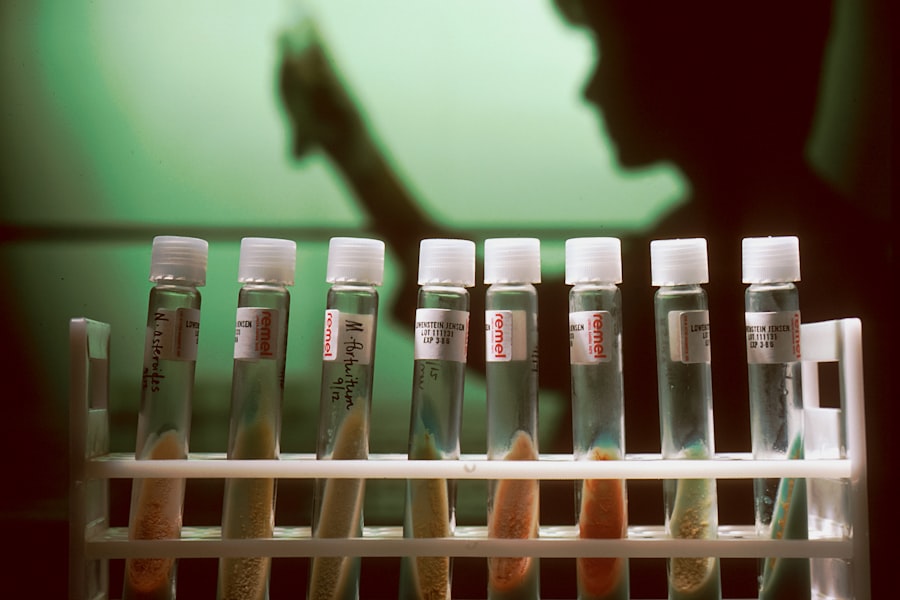
The initial success of targeted therapies can often be followed by the development of resistance, a phenomenon that poses a significant hurdle in long-term disease management. Cancer cells, through adaptive mechanisms, often find alternative pathways to grow and survive, rendering the initial therapy ineffective.
Mechanisms of Acquired Resistance
Research published in Clinical Cancer Research has extensively documented the diverse mechanisms by which cancer cells acquire resistance to targeted agents. These mechanisms can include secondary mutations in the drug target, activation of bypass signaling pathways, epithelial-to-mesenchymal transition, and changes in the tumor microenvironment. Understanding these mechanisms is crucial for developing strategies to overcome resistance. Without this detailed understanding, therapeutic endeavors are like a gardener continually fighting weeds without understanding their root structures.
Combination Therapies: A Multifaceted Approach
One prominent strategy to circumvent or delay resistance is the use of combination therapies. By simultaneously targeting multiple pathways or using agents with complementary mechanisms of action, the aim is to block tumor escape routes. Clinical Cancer Research has published numerous studies investigating the efficacy and safety of various combination regimens, often exploring synergistic effects between targeted agents and other therapeutic modalities, including chemotherapy, radiation, and immunotherapy.
Third-Generation Inhibitors and Beyond
The development of “third-generation” inhibitors specifically designed to overcome resistance mutations has been another important area of focus. These agents are engineered to retain activity even in the presence of mutations that render earlier generation drugs ineffective. The journal has documented the preclinical and clinical development of such inhibitors, highlighting their potential to extend the therapeutic window for patients.
Expanding the Therapeutic Landscape: New Targets and Modalities
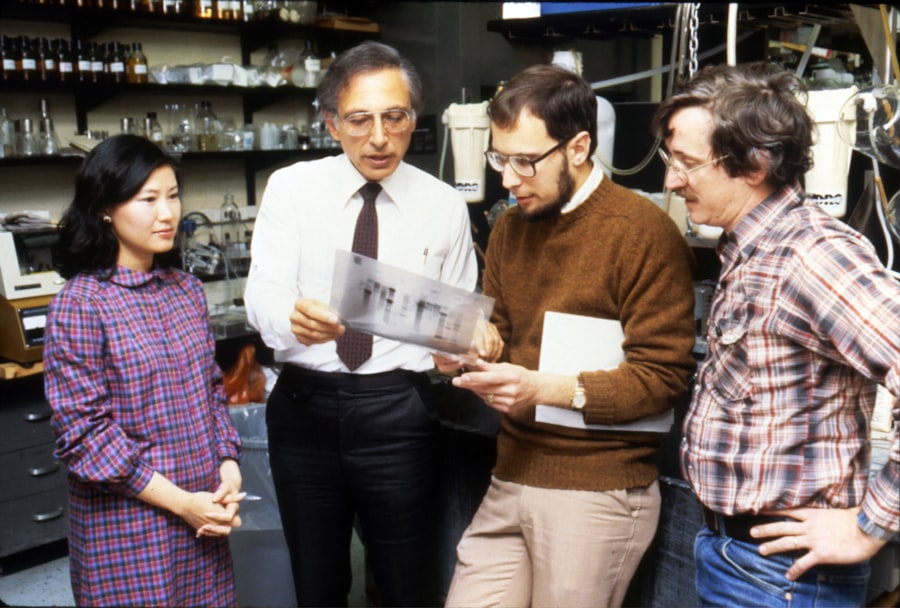
The field of targeted therapy is continuously expanding, with ongoing efforts to identify novel targets and develop innovative therapeutic modalities.
Immunotherapy: Harnessing the Body’s Defenses
While not strictly categorized as “targeted therapy” in the traditional sense, immunotherapy, particularly immune checkpoint inhibitors, shares the principle of selective intervention. These agents block mechanisms that cancer cells use to evade immune surveillance, thereby unleashing the body’s own immune system to fight the cancer. Clinical Cancer Research has played a vital role in publishing early clinical trials and mechanistic studies elucidating the efficacy and adverse event profiles of these transformative agents. The synergy between classic targeted therapies and immunotherapy is also a burgeoning area of research.
Epigenetic Modifiers: Reshaping Gene Expression
Epigenetic modifications, such as DNA methylation and histone acetylation, can profoundly impact gene expression without altering the underlying DNA sequence. Aberrant epigenetic regulation is a hallmark of many cancers. Targeted therapies directed at epigenetic enzymes, aiming to “reset” aberrant gene expression patterns in cancer cells, represent a promising avenue. The journal has featured research on the development and clinical evaluation of drugs like DNA methyltransferase inhibitors and histone deacetylase inhibitors.
Antibody-Drug Conjugates: Precision Delivery of Cytotoxins
Antibody-drug conjugates (ADCs) ingeniously combine the specificity of monoclonal antibodies with the cytotoxic potency of chemotherapy. An antibody precisely delivers a potent chemotherapy agent directly to cancer cells expressing a specific target, thereby minimizing systemic toxicity. Clinical Cancer Research has published studies exploring the design, efficacy, and safety of various ADCs across different cancer types, highlighting their potential as highly selective “smart bombs” against cancer.
Challenges and Future Directions
| Metric | Value | Details |
|---|---|---|
| Impact Factor | 10.107 | 2023 Journal Citation Reports |
| Publisher | American Association for Cancer Research (AACR) | Official publisher of the journal |
| Frequency | Monthly | 12 issues per year |
| First Published | 2005 | Year of journal inception |
| ISSN | 1078-0432 | Print ISSN |
| eISSN | 1557-3265 | Electronic ISSN |
| Acceptance Rate | 15% | Approximate rate of manuscript acceptance |
| Average Time to Publication | 4 months | From submission to online publication |
| Scope | Clinical and translational cancer research | Focus areas of the journal |
Despite significant progress, the utility of targeted therapies faces ongoing challenges, demanding continued research and innovation as documented within the pages of Clinical Cancer Research.
Heterogeneity and Clonal Evolution
Tumor heterogeneity, where different cancer cells within the same tumor possess distinct molecular characteristics, and clonal evolution, where tumors adapt and diversify over time, present significant challenges. A single targeted therapy may only eliminate a subset of cancer cells, allowing resistant clones to emerge. Understanding and addressing this intra-tumor variability is critical. This is akin to trying to eradicate a complex ecosystem by targeting only one species; others will invariably take its place.
Predicting Response and Managing Toxicity
Predicting which patients will respond to a specific targeted therapy remains an area of active investigation. While biomarkers offer guidance, individual patient responses can vary. Furthermore, targeted therapies, despite their specificity, can still cause significant side effects, necessitating careful patient management and the development of strategies to mitigate toxicity.
Real-World Evidence and Health Economics
Beyond efficacy and safety, the translation of targeted therapies into routine clinical practice requires consideration of real-world evidence and health economic implications. Clinical Cancer Research has published articles addressing the challenges of collecting and interpreting real-world data, as well as analyses of the cost-effectiveness of these often-expensive therapies. Ensuring equitable access to these advanced treatments is a global imperative that requires ongoing consideration.
The Integration of Artificial Intelligence and Machine Learning
The burgeoning fields of artificial intelligence (AI) and machine learning (ML) are poised to significantly impact targeted therapy development and application. These technologies can aid in identifying novel drug targets, predicting patient responses to specific therapies, and accelerating drug discovery. Clinical Cancer Research is increasingly featuring studies that explore the application of AI/ML in various aspects of precision oncology, from image analysis to genomic data interpretation.
Ethical Considerations and Patient Engagement
With the increasing complexity of molecular profiling and personalized medicine, ethical considerations surrounding genetic testing, data privacy, and patient autonomy become paramount. The journal has provided a platform for discussions on these important ethical dimensions, emphasizing the need for transparent communication with patients and informed decision-making in the era of targeted therapies.
In conclusion, Clinical Cancer Research has served as an indispensable repository of knowledge regarding advancements in targeted therapies. The journal’s contributions have facilitated the evolution of oncology from a largely empirical practice to a more precise, molecularly driven discipline. While significant triumphs have been achieved, the ongoing battle against cancer demands continued rigorous research, innovative strategies to overcome resistance, and a commitment to translating scientific breakthroughs into tangible benefits for patients. The trajectory of targeted therapy, as chronicled in Clinical Cancer Research, suggests a future where cancer treatment becomes increasingly personalized, effective, and less toxic.
