

Clinical research is a dynamic field at the forefront of medical advancement, serving as the bridge between scientific discovery and improved patient care. The “Advancing Clinical Research: Certificate Program” is designed to equip individuals with the foundational knowledge and practical skills necessary to contribute effectively to this critical domain. This program addresses the growing demand for qualified professionals capable of navigating the complexities of clinical trials, regulatory landscapes, and ethical considerations. For those seeking to enter or advance within this field, a structured educational pathway is paramount.
Clinical research encompasses a broad spectrum of scientific investigations aimed at understanding human health and disease. Its ultimate goal is to discover new and better ways to prevent, diagnose, and treat illnesses. This pursuit is multifaceted, involving a diverse array of stakeholders and a rigorous adherence to scientific methodologies.
The Role of Clinical Trials

At the heart of clinical research are clinical trials, which are research studies conducted in human volunteers to evaluate the effectiveness and safety of new interventions, such as drugs, devices, or procedures. These trials are meticulously designed and executed in phases, each serving a distinct purpose in the development pathway.
- Phase 0: Explores how a new drug may work and behave in the human body. Often involves very small doses and a limited number of participants.
- Phase I: Focuses on safety, determining a safe dosage range and identifying potential side effects. Typically involves 20-100 healthy volunteers or patients with the condition.
- Phase II: Evaluates the efficacy of the intervention and further assesses safety. Involves a larger group of patients (hundreds) and compares the intervention to a placebo or standard treatment.
- Phase III: Confirms efficacy, monitors side effects, and compares the new intervention to existing treatments. Involves hundreds to thousands of participants and is typically required for regulatory approval.
- Phase IV: Post-marketing studies conducted after an intervention has been approved and is on the market. Monitors long-term efficacy and safety in a broader population.
Ethical Considerations in Research
The involvement of human subjects in research necessitates a robust ethical framework. Safeguarding the rights, well-being, and privacy of participants is paramount. Ethical issues are not mere footnotes; they are the bedrock upon which credible research is built.
- Informed Consent: Ensuring participants fully understand the nature, risks, and benefits of a study before agreeing to participate. This is a continuous process, not a one-time event.
- Institutional Review Boards (IRBs): Independent committees responsible for reviewing and approving research protocols involving human subjects to ensure ethical conduct. IRBs act as vigilant gatekeepers.
- Confidentiality and Data Protection: Protecting the privacy of participant data and ensuring it is handled securely and responsibly. A breach in this area can undermine the entire research endeavor.
Program Objectives and Curriculum Overview

The “Advancing Clinical Research: Certificate Program” is meticulously structured to provide a comprehensive education for aspiring and current clinical research professionals. The program aims to cultivate a deep understanding of the principles, methodologies, and regulatory requirements that govern clinical research. Think of it as providing a compass and map for navigating the intricate terrain of medical discovery.
Foundational Knowledge
A strong theoretical underpinning is essential for effective practice. This program delves into the core concepts and historical context of clinical research, providing participants with a solid academic foundation.
- Principles of Good Clinical Practice (GCP): An international ethical and scientific quality standard for designing, conducting, recording, and reporting trials that involve the participation of human subjects. GCP adherence is not optional; it is fundamental.
- Research Study Design and Methodology: Understanding various study designs (e.g., randomized controlled trials, cohort studies, case-control studies), statistical considerations, and data collection techniques. This equips participants to critically evaluate and design research.
- Biostatistics in Clinical Research: An introduction to statistical concepts and methods relevant to clinical trials, including hypothesis testing, confidence intervals, and power calculations. Statistics are the language of evidence in research.
Regulatory Landscape
Clinical research operates within a complex web of regulations designed to protect patients and ensure the integrity of research findings. Navigating this landscape effectively is a critical skill for any clinical research professional.
- Food and Drug Administration (FDA) Regulations: A detailed examination of FDA regulations pertaining to investigational new drugs (INDs), new drug applications (NDAs), and investigational device exemptions (IDEs). The FDA serves as a crucial arbiter of safety and efficacy.
- International Harmonization (ICH Guidelines): Understanding the International Council for Harmonisation of Technical Requirements for Pharmaceuticals for Human Use (ICH) guidelines, which promote global standardization of drug development. These guidelines are the common thread that weaves across international research efforts.
- Compliance and Quality Assurance: Principles of regulatory compliance, quality management systems (QMS), and auditing in clinical research. Errors in compliance can have far-reaching consequences, extending beyond a single study.
Practical Skills Development

Beyond theoretical knowledge, the program emphasizes the development of practical skills essential for successful clinical research operations. This is where the abstract concepts become tangible tools.
Clinical Trial Operations and Management
Effective management of clinical trials is critical for their successful execution and timely completion. This module focuses on the operational aspects of bringing a trial to fruition.
- Protocol Development and Implementation: Learning to interpret and implement clinical trial protocols, which serve as the blueprint for the entire study. A well-crafted protocol is the foundation upon which robust data is built.
- Site Management and Monitoring: Understanding the responsibilities of clinical research coordinators (CRCs) and clinical research associates (CRAs), including site selection, initiation, monitoring visits, and close-out procedures. CRAs and CRCs are the eyes and ears of the trial, ensuring adherence to the protocol and regulatory guidelines.
- Data Management and Quality Control: Principles of data collection, data entry, data cleaning, and ensuring data integrity throughout the research lifecycle. Data is the lifeblood of research; its quality cannot be compromised.
Communication and Collaboration
Clinical research is inherently a collaborative endeavor, requiring clear communication among diverse teams and stakeholders. Effective communication is the glue that binds these disparate elements together.
- Professional Communication in Research: Developing effective written and oral communication skills for interacting with study participants, investigators, sponsors, and regulatory bodies. The ability to articulate complex information clearly is a hallmark of a capable professional.
- Teamwork and Leadership in Clinical Settings: Fostering skills in teamwork, conflict resolution, and leadership within a clinical research environment. A well-functioning team is not a luxury, but a necessity.
- Stakeholder Engagement: Understanding how to effectively engage with various stakeholders, including patients, advocacy groups, and pharmaceutical companies. Empathy and understanding are key to successful engagement.
Career Pathways and Industry Relevance
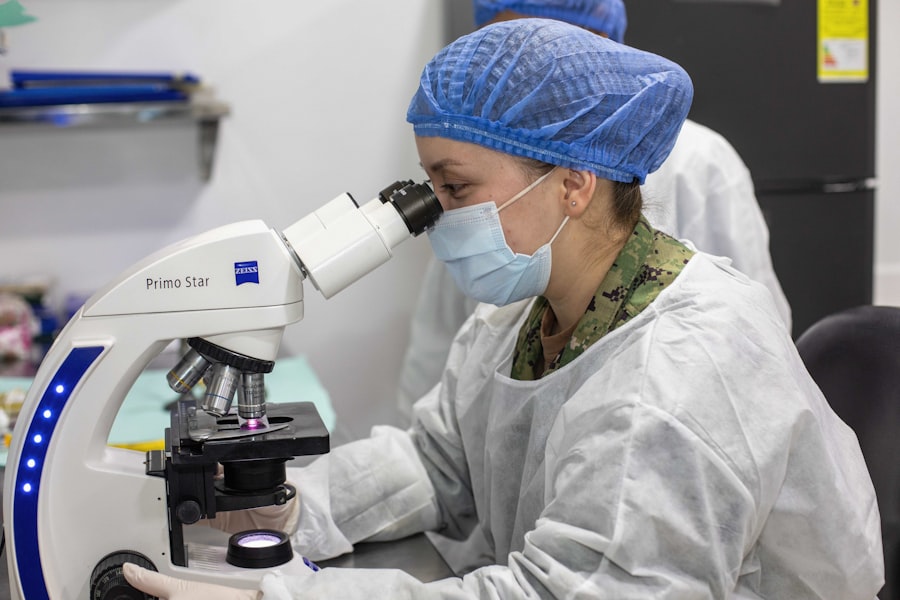
The “Advancing Clinical Research: Certificate Program” serves as a springboard for a variety of career opportunities within the pharmaceutical, biotechnology, medical device, and academic research sectors. The skills acquired are directly applicable to current industry demands.
Diverse Career Opportunities
Graduates of this program are well-positioned for roles that are integral to the clinical research ecosystem. The demand for qualified professionals in this field continues to grow.
- Clinical Research Coordinator (CRC): Responsible for the day-to-day operations of a clinical trial at a research site, including patient recruitment, data collection, and regulatory documentation. CRCs are the engines of the research site.
- Clinical Research Associate (CRA): Monitors clinical trials at various sites to ensure adherence to protocols, GCP, and regulatory requirements. CRAs are the quality assurance specialists in the field.
- Regulatory Affairs Specialist: Ensures that clinical trials and investigational products comply with all relevant national and international regulations. Regulatory affairs specialists are the interpreters of the legal framework.
- Data Manager: Oversees the collection, storage, and validation of clinical trial data. Data managers are the custodians of valuable information.
- Pharmacovigilance Specialist: Monitors the safety of marketed drugs and investigates adverse drug reactions. Pharmacovigilance specialists act as the early warning system for public health.
Industry Demand and Future Trends
The clinical research industry is experiencing rapid growth, driven by advancements in medical science, an aging global population, and the increasing complexity of therapeutic development. This growth translates into sustained demand for skilled professionals.
- Globalization of Clinical Trials: The increasing conduct of clinical trials across multiple countries, necessitating an understanding of international regulations and cultural nuances. The research arena is no longer confined by borders.
- Emerging Technologies: The integration of new technologies such as artificial intelligence (AI), machine learning, and wearable devices in data collection and analysis. These are not just buzzwords; they are transforming the landscape.
- Patient-Centric Approaches: A growing emphasis on incorporating patient perspectives and preferences throughout the research process, leading to more relevant and impactful studies. Patients are no longer just subjects; they are active participants.
Eligibility and Admission Requirements
| Metric | Details |
|---|---|
| Course Duration | 3 to 6 months |
| Eligibility | Graduate degree in life sciences, pharmacy, medicine, or related fields |
| Core Subjects | Clinical trial design, Good Clinical Practice (GCP), regulatory affairs, data management, ethics |
| Mode of Study | Online, classroom, or blended |
| Certification Exam | Multiple choice questions, case studies, and project work |
| Career Opportunities | Clinical research associate, clinical data manager, regulatory affairs specialist, clinical trial coordinator |
| Average Salary Range | 30,000 to 60,000 per annum (varies by region and experience) |
| Accrediting Bodies | Society of Clinical Research Associates (SoCRA), Association of Clinical Research Professionals (ACRP) |
To ensure participants are adequately prepared for the rigor of the program, specific eligibility and admission criteria have been established. These serve as gateways, admitting individuals who possess the foundational attributes for success.
Academic Prerequisites
A solid academic background provides the necessary framework for understanding the scientific and medical concepts covered in the program.
- Bachelor’s Degree: Typically requires a bachelor’s degree in a life science, health-related field, or a related discipline from an accredited institution. This ensures a baseline level of scientific literacy.
- GPA Requirement: A minimum cumulative grade point average (GPA) may be specified to indicate academic proficiency. This acts as a marker of prior academic commitment and capability.
Professional Experience (Optional but Recommended)
While not always mandatory, prior experience in a healthcare or research setting can significantly enhance a candidate’s application and benefit their learning experience. Think of it as pre-existing knowledge that can be leveraged.
- Clinical or Research Experience: Experience as a nurse, laboratory technician, pharmacist, or in a related research role. This practical exposure offers valuable context.
- Understanding of Healthcare Systems: Familiarity with the structure and functioning of healthcare systems, which provides a broader understanding of the environment in which clinical research operates.
Application Process
The application process is designed to gather comprehensive information about each candidate’s qualifications and motivations. It is an opportunity for applicants to showcase their potential.
- Online Application Form: Completion of a detailed online application, providing personal, academic, and professional information.
- Statement of Purpose: A written statement outlining the applicant’s interest in clinical research, career goals, and how the program aligns with their aspirations. This is where your personal narrative can shine.
- Letters of Recommendation: Submitting letters from academic or professional references who can attest to the applicant’s abilities and potential. These letters provide an external validation of your capabilities.
- Academic Transcripts: Official transcripts from all previously attended colleges or universities. These are the formal records of your academic journey.
The “Advancing Clinical Research: Certificate Program” offers a structured and rigorous educational pathway for individuals committed to contributing to the advancement of medical science. By equipping participants with essential knowledge, practical skills, and an understanding of the regulatory and ethical demands, the program prepares them to become effective and ethical professionals in the dynamic field of clinical research. This certificate is not merely a piece of paper; it is a credential that signifies readiness to engage in a field where every contribution can have a profound impact on human health. For those genuinely poised to embrace the challenges and rewards of this profession, the program stands as a robust foundation.
