

The landscape of healthcare in South Florida has been undergoing a significant transformation, largely propelled by investments in research infrastructure. A key component of this evolution is the ongoing development of clinical research facilities, designed to further medical understanding and enhance patient care. This article will explore a prominent example of this trend: a new Clinical Research Building in Miami.
The decision to construct a dedicated clinical research building in Miami stems from several converging factors. The region’s growing population, coupled with its diverse demographic makeup, presents a unique opportunity for studying a wide range of diseases and their manifestations across different ethnic groups. Furthermore, the existing healthcare infrastructure, while robust, required targeted enhancement to support sophisticated clinical trials and translational research.
Addressing Unmet Medical Needs

Miami-Dade County, like many urban centers, faces significant health challenges. High rates of chronic diseases such as diabetes, cardiovascular disease, and certain cancers necessitate focused research efforts. The new facility is intended to serve as a hub for investigating these conditions, moving beyond symptomatic treatment to understanding root causes and developing preventative strategies.
Fostering Collaborative Research
Medical breakthroughs rarely occur in isolation. The building’s design and operational philosophy emphasize collaboration between clinicians, basic scientists, and industry partners. This interdisciplinary approach is crucial for accelerating the pace of discovery and translating laboratory findings into practical clinical applications.
Strategic Location and Facilities

The chosen location for the Clinical Research Building is within the health district, positioning it in close proximity to established academic medical centers and teaching hospitals. This strategic placement aims to streamline patient recruitment for trials and facilitate direct interaction between researchers and patient populations.
State-of-the-Art Research Spaces
The building incorporates a variety of specialized research environments. These include dedicated clinics for patient visits, laboratories equipped for advanced molecular and cellular analysis, and imaging suites capable of performing sophisticated diagnostic procedures. The interior architecture is designed to maximize flexibility, allowing for adaptation to evolving research needs and technologies.
Clinical Trial Units
A significant portion of the building is allocated to dedicated clinical trial units. These units are staffed by specialized nurses, coordinators, and research personnel trained in ethical conduct and regulatory compliance. They provide controlled environments for administering experimental treatments, meticulously monitoring patient responses, and collecting critical data with precision.
Focus Areas of Research
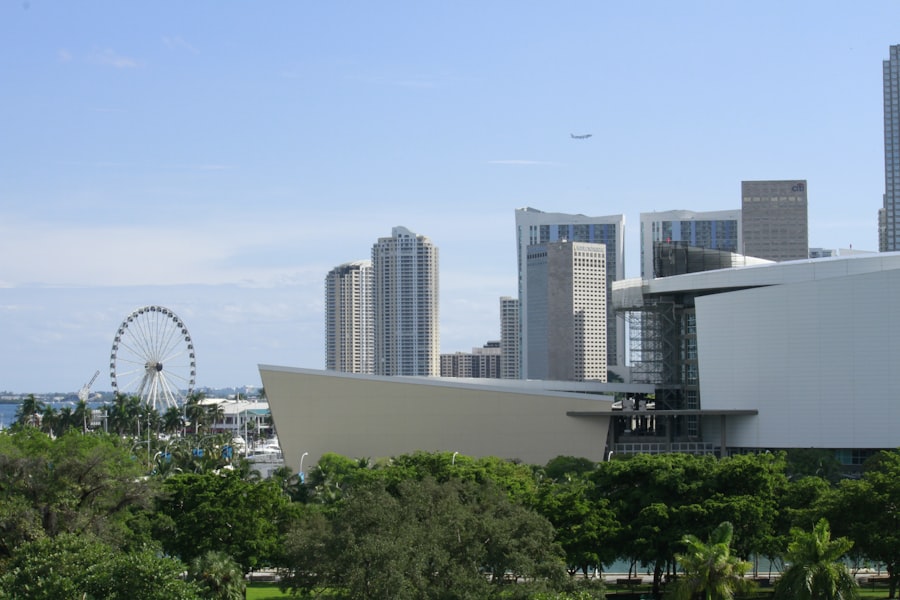
The Clinical Research Building is poised to address a broad spectrum of medical disciplines, reflecting the diverse health needs of the community and the expertise of its associated researchers. While specific research agendas evolve, several key focus areas have been identified.
Oncology Research
South Florida experiences a significant burden of various cancers. The facility will house clinical trials investigating novel cancer therapies, including immunotherapies, targeted molecular agents, and advanced radiation techniques. The aim is to improve treatment outcomes, reduce side effects, and ultimately enhance the quality of life for cancer patients. Data generated from these trials will contribute to a broader understanding of cancer biology and treatment resistance.
Cardiovascular Disease
Cardiovascular disease remains a leading cause of morbidity and mortality globally. Research efforts within the building will encompass studies on hypertension, atherosclerosis, heart failure, and arrhythmias. This includes investigating new pharmacological interventions, exploring innovative surgical techniques, and developing strategies for risk factor modification and prevention.
Neurological Disorders
The aging population and the prevalence of neurodegenerative diseases necessitate concentrated research in neurology. The facility will support clinical trials for conditions such as Alzheimer’s disease, Parkinson’s disease, multiple sclerosis, and stroke. Emphasis will be placed on early diagnosis, disease modification, and rehabilitation strategies.
Infectious Diseases
Given Miami’s status as a major port of entry and its tropical climate, infectious diseases represent a continuous challenge. The building will contribute to research on emerging pathogens, vaccine development, and the optimization of antiviral and antibacterial therapies. This includes addressing endemic infections as well as preparing for potential global health threats.
Health Disparities and Precision Medicine
A significant objective of the research conducted within the building is to address health disparities prevalent within minority populations. This involves designing trials that are inclusive and representative, aiming to understand how genetic, environmental, and social factors influence disease susceptibility and treatment response. The move towards precision medicine, tailoring treatments to individual patient characteristics, forms a foundational principle guiding much of the research.
Operational Framework and Ethical Considerations
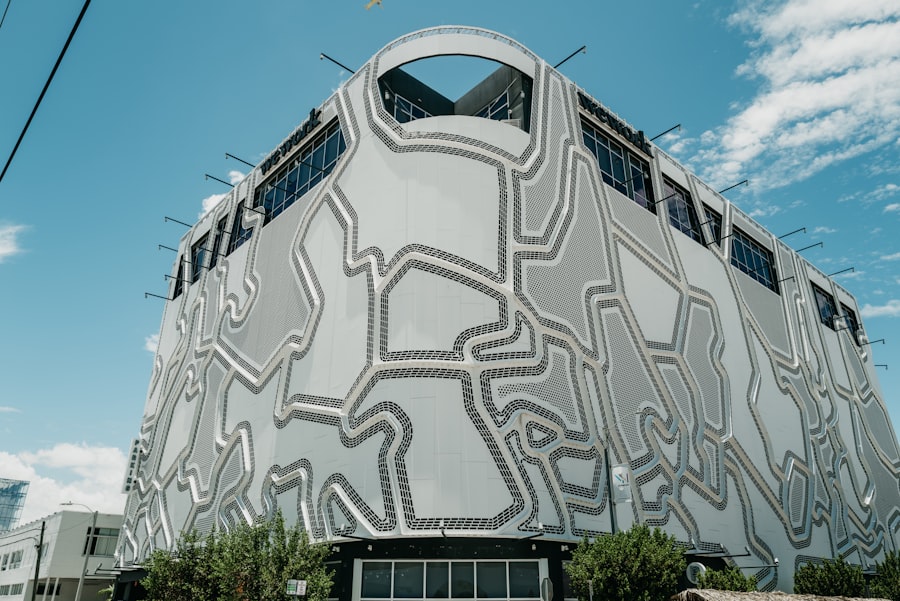
The operational framework of the Clinical Research Building is anchored in stringent ethical guidelines and regulatory compliance. The integrity of research data and the well-being of participants are paramount.
Institutional Review Boards
All research protocols undergo rigorous review by Institutional Review Boards (IRBs). These independent committees comprise scientists, ethicists, and community members. Their role is to ensure that proposed studies are ethically sound, scientifically valid, and that the rights and safety of research participants are protected.
Data Management and Security
Clinical research generates vast quantities of sensitive data. Robust data management systems are in place to ensure data accuracy, integrity, and security. Adherence to strict privacy regulations, such as HIPAA, is fundamental. The building incorporates advanced cybersecurity measures to safeguard patient information from unauthorized access.
Participant Engagement and Informed Consent
Recruiting and retaining qualified research participants is critical for trial success. The process of informed consent is central to participant engagement, ensuring that individuals fully understand the nature of the research, potential risks and benefits, and their right to withdraw at any time. Educational programs and dedicated support staff are available to assist participants throughout their involvement in studies.
Economic and Societal Impact
| Metric | Details |
|---|---|
| Location | Miami, Florida |
| Building Type | Clinical Research Facility |
| Total Area | 50,000 sq ft |
| Number of Labs | 15 specialized research labs |
| Patient Capacity | Up to 200 patients per day |
| Research Focus | Oncology, Cardiovascular, Neurology |
| Staff | 120 clinical researchers and support staff |
| Year Established | 2018 |
| Technology | State-of-the-art imaging and diagnostic equipment |
| Accreditations | AAHRPP, ISO 9001 Certified |
The Clinical Research Building transcends its role as a mere scientific facility; it acts as an economic engine and a catalyst for broader societal benefits. Its presence is akin to a lighthouse, guiding the intellectual currents of medical advancement and casting a wide beam of opportunity.
Job Creation and Economic Stimulus
The construction and ongoing operation of such a facility generate a significant number of jobs. This includes positions for researchers, clinicians, laboratory technicians, data analysts, administrative staff, and support personnel. The procurement of specialized equipment and supplies further stimulates local and regional economies.
Attraction of Talent and Investment
A state-of-the-art research facility enhances the appeal of Miami as a hub for medical innovation. It acts as a magnet, attracting leading scientists, clinicians, and academic institutions. This influx of talent, in turn, can foster further investment in biomedical research and development from both public and private sectors.
Enhanced Patient Care and Public Health
Ultimately, the most profound impact of the Clinical Research Building lies in its potential to improve patient care and public health outcomes. Discoveries made within its walls contribute to new diagnostic tools, more effective treatments, and preventative strategies. This directly translates to reduced suffering, extended lifespans, and a higher quality of life for the community and beyond. The cumulative effect is a steady elevation of the general health of the population, a building block in the larger edifice of societal well-being.
Future Outlook and Challenges
The inauguration of the Clinical Research Building marks a significant milestone, but it also heralds ongoing commitments and potential challenges. The edifice stands as a testament to current ambition, but its future utility will depend on continuous adaptation.
Sustained Funding
Clinical research is a resource-intensive endeavor. Sustained funding from government grants, philanthropic organizations, and industry partnerships will be crucial for the long-term viability and productivity of the facility. The competitive landscape for research funding necessitates robust grant-writing capabilities and strategic financial planning.
Rapid Technological Advancement
The pace of technological advancement in biomedical science is exceptionally fast. The building’s infrastructure must be capable of adapting to new methodologies, equipment, and computational demands. This requires ongoing investment in upgrades and a workforce skilled in utilizing cutting-edge technologies.
Translational Success
The ultimate measure of the building’s success will be the translation of research findings from the laboratory bench to the patient bedside. This “valley of death” between discovery and widespread clinical application is a persistent challenge. Establishing strong links with pharmaceutical companies and healthcare providers will be essential to bridge this gap. The building serves as a conduit; the flow through it must be efficient.
Global Health Collaboration
As medical challenges increasingly transcend national borders, the Clinical Research Building can play a role in fostering global health collaborations. This may involve participating in international clinical trials, sharing data, and contributing expertise to address pressing health issues on a worldwide scale. The building is not an island, but a node in a global network.
The Clinical Research Building in Miami represents a tangible commitment to advancing medical knowledge and improving human health. It stands as a beacon of scientific endeavor, an investment in the future of healthcare, and a testament to the collaborative spirit required to tackle the complex medical challenges of our time. Its contributions will continue to ripple outward, touching lives through innovation and improved care for generations to come.
