
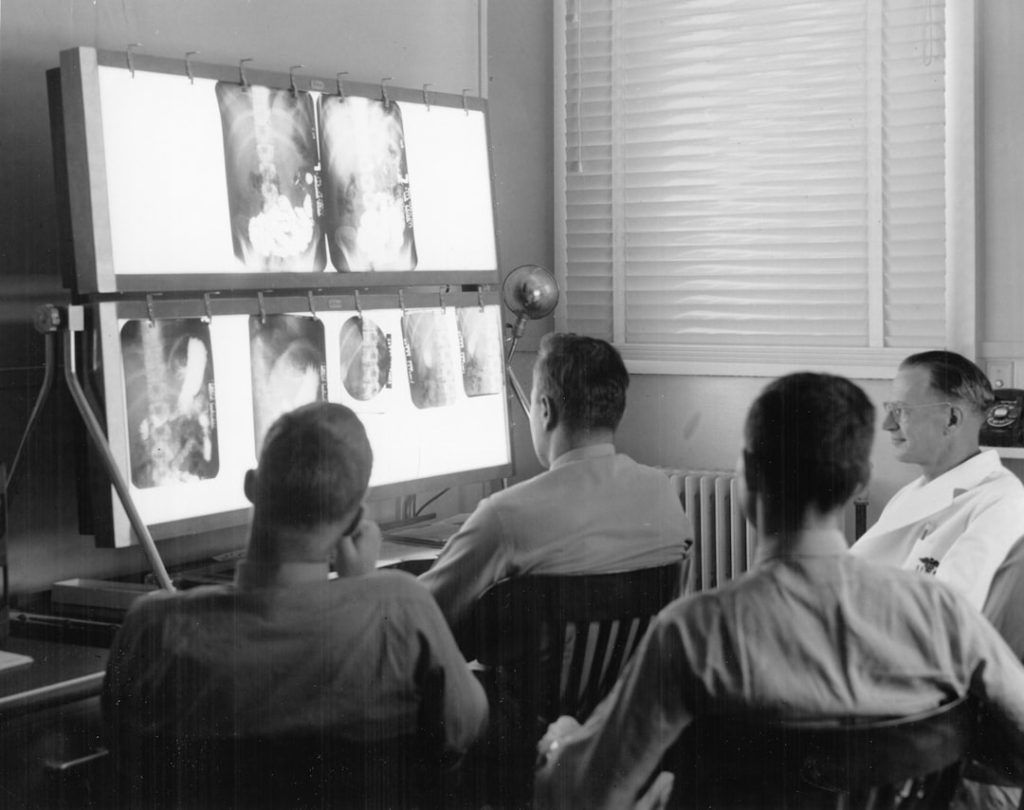
Medical device trials serve as a cornerstone in the evolution of healthcare, providing a structured framework for evaluating new technologies that can significantly enhance patient care. These trials are essential for assessing the performance of devices ranging from simple tools, like syringes, to complex systems such as robotic surgical instruments. By rigorously testing these devices in clinical settings, researchers can gather critical data on their effectiveness, usability, and overall impact on patient health.
This process not only fosters innovation but also ensures that new devices meet the high standards required for clinical use. The advancement of medical devices through trials has led to groundbreaking innovations that have transformed treatment paradigms. For instance, the development of implantable cardiac devices, such as pacemakers and defibrillators, has revolutionized the management of heart conditions.

Clinical trials for these devices have provided invaluable insights into their long-term efficacy and safety, ultimately leading to improved survival rates and quality of life for patients with cardiovascular diseases. As technology continues to evolve, the role of medical device trials becomes increasingly vital in ensuring that healthcare keeps pace with scientific advancements.
Key Takeaways
- Medical device trials are essential for validating the safety and effectiveness of new healthcare technologies.
- Regulatory processes ensure that medical devices meet strict standards before reaching patients.
- Collaboration among industry, researchers, and healthcare providers accelerates innovation and improves patient outcomes.
- Ethical considerations are critical to protect participants and maintain trust in medical device research.
- Advances and challenges in trials shape the future landscape of healthcare innovation and patient care.
Ensuring Safety and Efficacy of Medical Devices

The primary objective of medical device trials is to ensure the safety and efficacy of new technologies before they reach the market. This involves a comprehensive evaluation process that includes preclinical studies, followed by various phases of clinical trials. Preclinical studies often utilize animal models to assess the biological response to a device, while clinical trials involve human participants to evaluate real-world performance.
The rigorous nature of these trials is designed to identify potential risks and benefits associated with the device, ensuring that any adverse effects are thoroughly understood and mitigated. In addition to assessing safety, medical device trials also focus on determining the efficacy of a device in achieving its intended purpose. For example, a trial for a new orthopedic implant would not only monitor complications but also measure outcomes such as pain relief and functional improvement in patients.
The data collected during these trials is crucial for healthcare providers when making informed decisions about treatment options. Furthermore, regulatory bodies rely on this evidence to grant approval for devices, ensuring that only those that demonstrate a favorable risk-benefit profile are made available to patients.
Understanding the Regulatory Process for Medical Device Trials
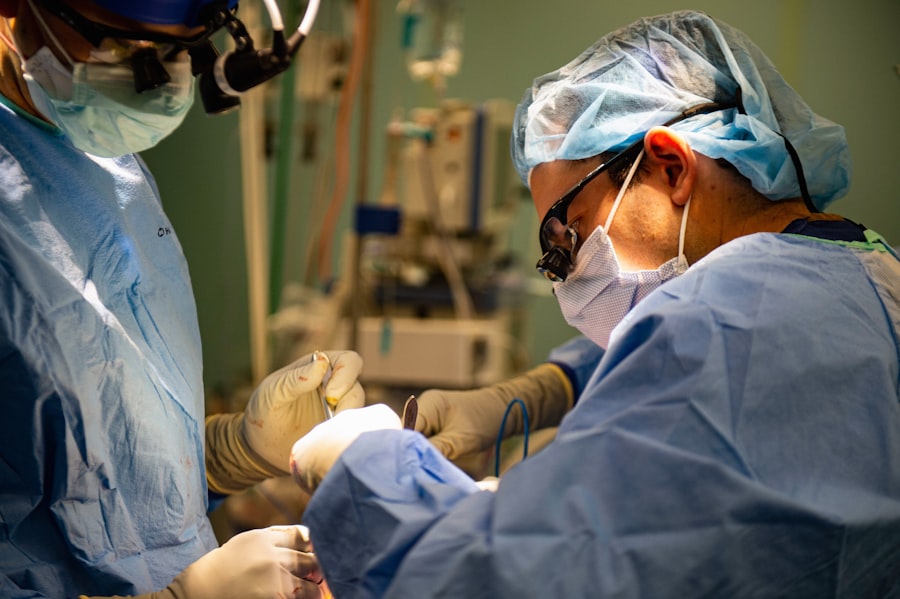
The regulatory landscape governing medical device trials is complex and varies significantly across different regions. In the United States, the Food and Drug Administration (FDA) plays a pivotal role in overseeing the approval process for medical devices. The FDA categorizes devices into three classes based on their risk levels, with Class I devices requiring the least regulatory oversight and Class III devices undergoing the most stringent evaluation.
This classification system helps streamline the review process while ensuring that higher-risk devices undergo thorough scrutiny. The regulatory process typically begins with the submission of an Investigational Device Exemption (IDE) application, which allows researchers to conduct clinical trials involving unapproved devices. This application must include detailed information about the device, proposed study design, and plans for data collection and analysis.
Once approved, researchers can initiate clinical trials, which are closely monitored by regulatory agencies to ensure compliance with established protocols. The culmination of this process is the submission of a premarket approval (PMA) application or a 510(k) notification, depending on the device’s classification. This final step requires comprehensive data demonstrating safety and efficacy before a device can be marketed to healthcare providers and patients.
The Impact of Medical Device Trials on Patient Outcomes
The outcomes of medical device trials have profound implications for patient care and overall public health. Successful trials can lead to the introduction of innovative devices that significantly improve treatment options for various conditions. For instance, the advent of drug-eluting stents has transformed the management of coronary artery disease by reducing the risk of restenosis compared to traditional bare-metal stents.
Clinical trials demonstrating the superiority of these devices have not only influenced clinical practice guidelines but have also shaped patient expectations regarding treatment outcomes. Moreover, medical device trials contribute to a growing body of evidence that informs clinical decision-making. As healthcare providers gain access to data from these trials, they can better understand which devices are most effective for specific patient populations.
This evidence-based approach enhances patient safety and optimizes treatment strategies, ultimately leading to improved health outcomes. Additionally, successful trials can foster greater patient confidence in new technologies, encouraging adherence to treatment plans and enhancing overall satisfaction with care.
Collaborations between Industry, Researchers, and Healthcare Providers
| Metric | Description | Typical Range/Value | Unit |
|---|---|---|---|
| Number of Participants | Total number of subjects enrolled in the clinical trial | 50 – 1000 | Participants |
| Trial Duration | Length of time from trial initiation to completion | 6 – 36 | Months |
| Primary Endpoint Success Rate | Percentage of trials meeting their primary efficacy endpoint | 60 – 85 | Percent (%) |
| Adverse Event Rate | Percentage of participants experiencing adverse events | 5 – 20 | Percent (%) |
| Device Malfunction Rate | Incidence of device-related malfunctions during the trial | 1 – 5 | Percent (%) |
| Enrollment Rate | Average number of participants enrolled per month | 5 – 50 | Participants/Month |
| Dropout Rate | Percentage of participants who withdraw before trial completion | 5 – 15 | Percent (%) |
| Number of Trial Sites | Count of clinical locations participating in the trial | 1 – 50 | Sites |
The successful execution of medical device trials often hinges on effective collaborations among various stakeholders, including industry partners, academic researchers, and healthcare providers. These collaborations are essential for pooling resources, expertise, and data necessary for conducting comprehensive trials. Industry partners bring technical knowledge and funding capabilities, while academic researchers contribute scientific rigor and methodological expertise.
Healthcare providers play a critical role by facilitating patient recruitment and providing insights into clinical relevance. One notable example of such collaboration is seen in the development of wearable health monitoring devices. Companies specializing in technology have partnered with academic institutions to conduct trials assessing the efficacy of these devices in managing chronic conditions like diabetes or hypertension.
By leveraging the strengths of each partner, these collaborations can accelerate innovation while ensuring that new devices are grounded in clinical reality. Furthermore, engaging healthcare providers early in the trial process helps align research objectives with patient needs, ultimately enhancing the relevance and applicability of trial findings.
Ethical Considerations in Conducting Medical Device Trials
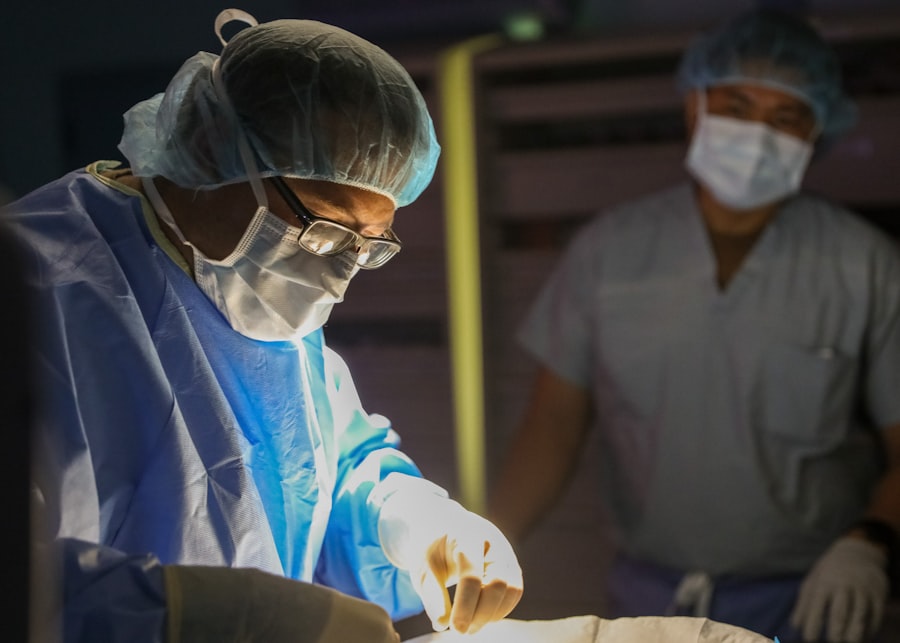
Ethical considerations are paramount in conducting medical device trials, as they involve human participants who may be exposed to risks associated with unapproved technologies. Ensuring informed consent is a fundamental ethical requirement; participants must be fully aware of the potential risks and benefits before agreeing to take part in a trial. This process involves clear communication about what participation entails, including any procedures or interventions they may undergo.
Additionally, ethical oversight is typically provided by Institutional Review Boards (IRBs), which evaluate trial protocols to ensure they meet ethical standards and protect participant welfare. These boards assess factors such as risk minimization strategies and the adequacy of participant recruitment methods. Ethical considerations also extend to issues of equity; researchers must ensure that diverse populations are represented in trials to avoid disparities in access to new technologies.
By addressing these ethical challenges, researchers can uphold the integrity of medical device trials while safeguarding participant rights.
Challenges and Opportunities in Medical Device Trials
Medical device trials face numerous challenges that can hinder their progress and impact on healthcare innovation. One significant challenge is recruitment; finding eligible participants who meet specific criteria can be time-consuming and resource-intensive. Additionally, patient retention throughout the trial duration is crucial for obtaining reliable data but can be difficult due to factors such as participant burden or adverse events related to the device being tested.
Despite these challenges, there are also significant opportunities within the realm of medical device trials. Advances in technology have enabled more efficient trial designs, such as adaptive trials that allow modifications based on interim results without compromising scientific integrity. Furthermore, the increasing use of digital health tools can facilitate remote monitoring and data collection, potentially enhancing participant engagement and retention.
As regulatory agencies become more open to innovative trial designs and methodologies, there is an opportunity for researchers to explore novel approaches that could streamline the evaluation process while maintaining rigorous standards.
The Future of Medical Device Trials and Healthcare Innovation
Looking ahead, the future of medical device trials is poised for transformation driven by technological advancements and evolving healthcare needs. The integration of artificial intelligence (AI) and machine learning into trial design and data analysis holds great promise for enhancing efficiency and accuracy. These technologies can help identify suitable candidates for trials more effectively and analyze vast datasets rapidly, leading to quicker insights into device performance.
Moreover, as personalized medicine continues to gain traction, medical device trials will likely shift towards more tailored approaches that consider individual patient characteristics. This could involve stratifying participants based on genetic profiles or comorbidities to better understand how different populations respond to specific devices. Such advancements will not only improve trial outcomes but also ensure that new technologies are developed with a focus on maximizing benefits for diverse patient groups.
In conclusion, medical device trials play an indispensable role in advancing healthcare by ensuring that new technologies are safe and effective for patient use. Through rigorous evaluation processes governed by regulatory frameworks, these trials contribute significantly to improving patient outcomes while fostering collaboration among industry stakeholders. As ethical considerations remain at the forefront of research practices, addressing challenges will pave the way for innovative solutions that enhance trial efficiency and relevance in an ever-evolving healthcare landscape.
The future holds exciting possibilities for medical device trials as they continue to shape the trajectory of healthcare innovation.
