

The phrase “Advancing Healthcare: The Role of Clinical Research Building” refers to the multifaceted functions and significance of facilities specifically designed and dedicated to the conduct of clinical research. These buildings are more than mere structures; they are specialized ecosystems engineered to foster innovation, facilitate rigorous scientific inquiry, and accelerate the translation of laboratory discoveries into tangible health improvements. Their existence is predicated on the understanding that robust research infrastructure is fundamental to progress in medicine.
Clinical research buildings serve as the physical and operational bedrock upon which medical innovation is built. Without dedicated spaces, the complex and often sensitive processes inherent to clinical research would be significantly hampered, if not impossible. These facilities are designed to meet stringent regulatory requirements, accommodate specialized equipment, and provide a secure environment for both human participants and valuable biological samples.
Bridging the Gap from Bench to Bedside

Effective healthcare advancements necessitate a seamless transition from laboratory findings (the “bench”) to widespread patient application (the “bedside”). Clinical research buildings are pivotal in this process. They house the multidisciplinary teams, technologies, and administrative support necessary to move promising preclinical discoveries through various phases of clinical trials. This translation is a critical bottleneck in drug development and medical device innovation, and these specialized buildings are engineered to streamline this journey. Imagine them as a meticulously designed conveyor belt, moving promising ideas from initial concept to real-world application, each stage demanding specific infrastructure and expertise.
Fostering Collaborative Environments
Modern clinical research is rarely a solitary endeavor. It thrives on collaboration. Clinical research buildings are often structured to facilitate interaction between researchers from diverse disciplines – clinicians, statisticians, laboratory scientists, bioinformaticians, and ethics professionals. Open-plan laboratories, shared core facilities, and accessible meeting spaces are architectural features commonly integrated to encourage spontaneous discussions and formal collaborations. This interplay of expertise is a powerful accelerant for scientific discovery.
Specialized Infrastructure and Design

The design and infrastructure of clinical research buildings are distinct from general hospital wings or typical office spaces. They are engineered to meet the unique demands of clinical investigation, incorporating elements essential for safety, efficiency, and regulatory compliance.
Regulatory Compliance and Safety Protocols
Clinical research is heavily regulated to protect human participants and ensure data integrity. Clinical research buildings are constructed and operated in strict adherence to guidelines set by regulatory bodies such as the Food and Drug Administration (FDA) in the United States, the European Medicines Agency (EMA), and other national and international agencies. This includes provisions for maintaining sterile environments, managing biohazardous materials, and securing sensitive patient data. The infrastructure itself acts as a silent guardian, enforcing these critical safety and ethical boundaries.
Advanced Laboratory Facilities
Within these buildings, a spectrum of specialized laboratories supports various aspects of clinical research. These may range from basic wet labs for cellular and molecular analysis to advanced imaging suites.
Core Research Laboratories
These centralized facilities often provide shared resources such as genomics platforms, proteomics analysis, flow cytometry, and microscopy. By consolidating expensive equipment and expert staff, core labs maximize resource utilization and democratize access to advanced technologies for researchers across different projects.
Biobanking and Sample Management
The secure storage and meticulous management of biological samples (e.g., blood, tissue, urine) are paramount in clinical research. Dedicated biobanking facilities within these buildings maintain environmental controls (e.g., ultra-low freezers, liquid nitrogen storage) and robust inventory systems to ensure sample integrity and traceability for long-term studies. Each sample is a data point, and its preservation is critical for the validity of ongoing and future analyses.
Clinical Trial Units
Dedicated clinical trial units within these buildings provide a controlled environment for participant recruitment, screening, dosing, and monitoring. These units are designed to ensure participant safety and comfort while facilitating the accurate collection of study data. They act as the controlled stage where new treatments are carefully evaluated under strict protocols.
Supporting Clinical Trials
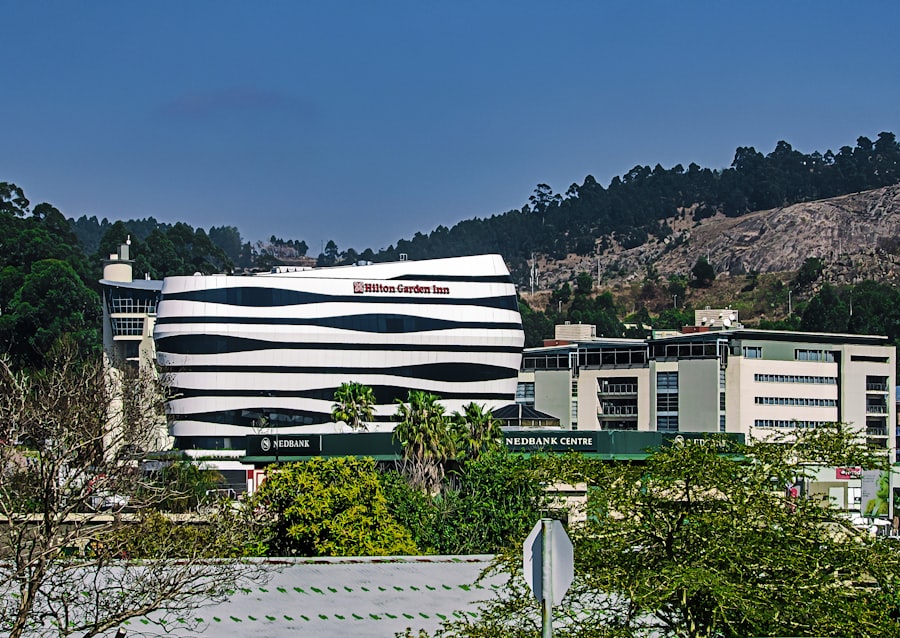
The primary function of many clinical research buildings is to facilitate the conduct of clinical trials, which are systematic investigations to evaluate the safety and efficacy of new drugs, devices, diagnostics, or treatment regimens. These buildings are active hubs for all phases of clinical research.
Phases of Clinical Trials
Clinical trials typically progress through distinct phases, each with specific objectives and requirements.
Phase I Trials
These initial trials involve a small number of healthy volunteers or patients with advanced disease to assess safety, dosage, and pharmacokinetics. The building provides the necessary infrastructure for close monitoring and meticulous sample collection.
Phase II Trials
Larger groups of patients are studied to evaluate efficacy and further assess safety. The building’s capacity to manage multiple patient visits, data collection, and adverse event reporting is crucial here.
Phase III Trials
These large-scale, often multi-center trials compare the new intervention to standard treatment, aiming to confirm efficacy and monitor adverse reactions in a diverse patient population. The research building acts as a central coordination point, managing data, samples, and communication across numerous sites.
Phase IV Trials
Post-marketing surveillance trials continue to collect information on the drug’s effects in various populations and any long-term side effects. While sometimes conducted in routine clinical settings, the research building can support specialized follow-up studies and data analysis.
Data Management and Biostatistics
The sheer volume of data generated in clinical trials necessitates sophisticated data management systems and expert biostatistical analysis. Clinical research buildings often house dedicated units for data handling, quality control, and statistical interpretation. This ensures the integrity and meaningfulness of research findings. Without robust data management, even the most groundbreaking discoveries can be lost in a sea of unorganized information.
Impact on Public Health
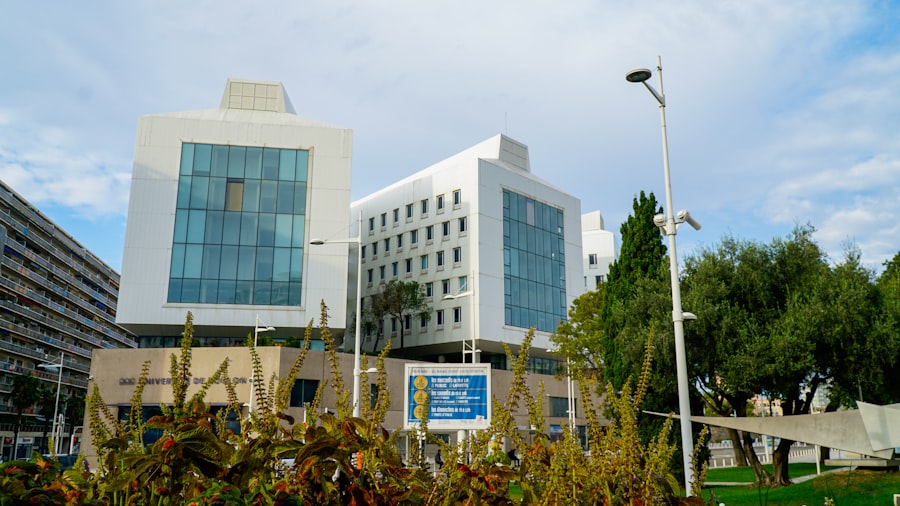
The culmination of efforts within clinical research buildings directly impacts public health by delivering new and improved healthcare solutions. From vaccines to novel therapies, the advancements originating from these facilities have tangible benefits for individuals and populations globally.
New Therapies and Cures
The ultimate goal of clinical research is the discovery and validation of new treatments and cures for diseases. Every successful drug, every revolutionary medical device, every improved therapeutic strategy has passed through the rigorous evaluation processes housed within clinical research buildings. These buildings are the incubators for medical breakthroughs.
Disease Prevention and Health Promotion
Beyond treatment, clinical research buildings also contribute to public health through studies focused on disease prevention, early detection, and health promotion. Research into vaccines, lifestyle interventions, and screening methodologies often originates and is validated within these specialized environments, thereby shaping public health policies and practices.
Training and Education
Clinical research buildings are also vital centers for the training and education of future generations of scientists, clinicians, and research professionals. They provide invaluable hands-on experience in research methodologies, ethical considerations, and the conduct of clinical trials. This continuous cycle of learning and mentorship ensures a pipeline of skilled individuals prepared to continue the quest for medical advancement. These buildings are not just for doing science, but for teaching science.
Operational Challenges and Future Directions
| Metric | Value | Unit | Description |
|---|---|---|---|
| Total Floor Area | 25,000 | sq ft | Overall usable space in the building |
| Number of Laboratories | 15 | count | Dedicated research labs for clinical studies |
| Patient Examination Rooms | 10 | count | Rooms for patient assessments and clinical trials |
| Clinical Trial Capacity | 200 | participants | Maximum number of participants accommodated simultaneously |
| Staff Offices | 30 | count | Offices for researchers and administrative staff |
| Annual Energy Consumption | 350,000 | kWh | Estimated yearly energy usage of the building |
| HVAC System Efficiency | 85 | percent | Efficiency rating of heating, ventilation, and air conditioning |
| Compliance Certifications | ISO 9001, GCP | n/a | Quality and clinical practice standards met |
Despite their critical importance, clinical research buildings face operational challenges and must continually adapt to evolving scientific and technological landscapes.
Funding and Resource Allocation
Constructing, maintaining, and staffing these specialized facilities requires substantial financial investment. Securing adequate funding from governmental agencies, philanthropic organizations, and private industry remains a persistent challenge. Efficient resource allocation is crucial to maximize the impact of available funds.
Technological Advancements
The rapid pace of technological advancement, particularly in areas like genomics, artificial intelligence, and personalized medicine, demands continuous adaptation within clinical research infrastructure. Buildings must be designed with flexibility to accommodate new equipment and methodologies without extensive retrofitting. This requires foresight in design, anticipating the scientific tools of tomorrow.
Ethical Considerations and Public Trust
Maintaining public trust is paramount in clinical research. Ethical oversight, transparency in research practices, and stringent participant protections are continuously reinforced within these buildings. Addressing public concerns and fostering open communication are essential for the continued success of clinical research. The building, in its very structure and operation, must convey an unwavering commitment to ethical principles.
In conclusion, clinical research buildings are indispensable components of the modern healthcare ecosystem. They are not merely structures but dynamic environments that encapsulate the collaborative spirit, specialized infrastructure, and rigorous methodology necessary for advancing medical knowledge and improving human health. Their continued development and support are fundamental to addressing current and future health challenges.
