
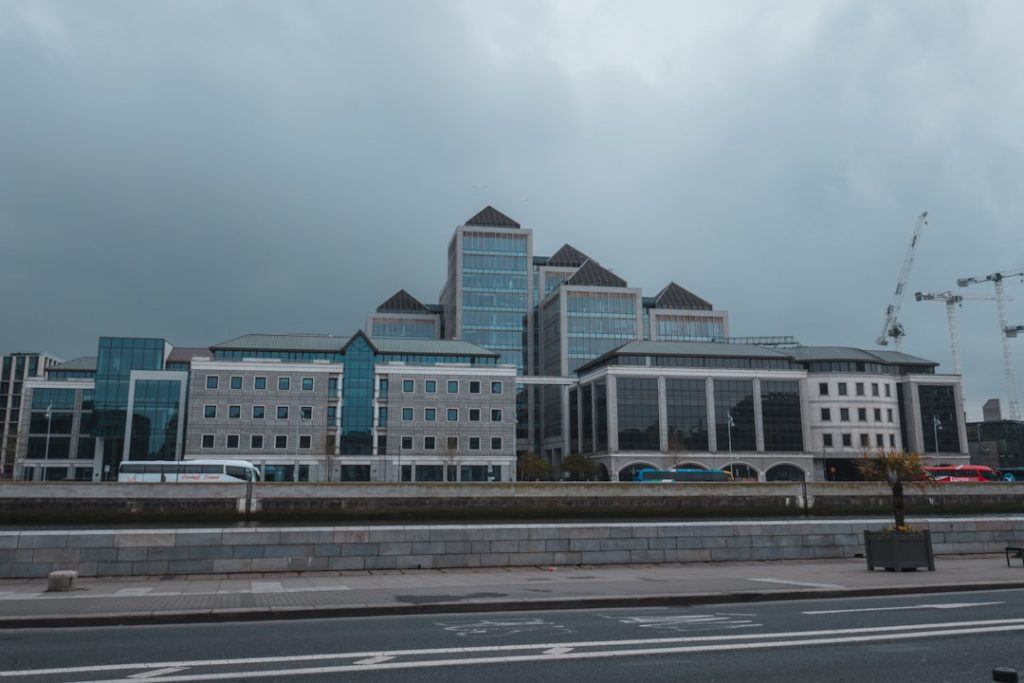
Medical research is a continual process of discovery, refinement, and application. The quest for deeper understanding of biological mechanisms, disease pathologies, and effective therapeutic interventions drives this field forward. Building III stands as a critical new infrastructure designed to facilitate and accelerate these endeavors. Its meticulous planning and state-of-the-art facilities aim to foster an environment conducive to collaborative, interdisciplinary research, ultimately contributing to improvements in human health.
The conceptualization and construction of Building III did not occur in isolation. It emerged from an identified need within the research community for expanded capabilities, modernized infrastructure, and a centralized hub for diverse research initiatives. Prior facilities, while historically significant, reached their operational limits in accommodating the burgeoning demands of contemporary medical science.
Addressing Infrastructure Deficiencies

Existing research spaces often presented logistical challenges. Outdated HVAC systems, insufficient electrical capacity, and fragmented laboratory layouts hindered the seamless execution of complex experiments. Building III directly addresses these deficiencies. Its design prioritizes modularity, allowing for flexible reconfiguration of laboratory spaces to meet evolving research requirements. This adaptability is crucial in a field where technological advancements necessitate frequent adjustments to experimental setups.
Fostering Interdisciplinary Collaboration
Modern medical research increasingly relies on the convergence of multiple disciplines. Fields such as genomics, proteomics, bioinformatics, materials science, and engineering now routinely intersect with traditional biomedical research. Building III is conceived as an ecosystem where these diverse fields can readily interact. Shared instrumentation core facilities, communal meeting spaces, and strategically placed “collision zones” are integrated into its architecture to promote spontaneous knowledge exchange and collaborative project initiation. This approach acknowledges that innovation often blossoms at the interfaces of distinct areas of expertise, akin to the fertile soil found at river deltas.
Supporting Future Growth

The projected growth in research personnel and project scope necessitated a facility capable of accommodating future expansion. Building III offers not only increased laboratory bench space but also dedicated areas for computational research, animal care, and specialized imaging techniques. This forward-looking design ensures that the institution remains competitive in attracting top-tier talent and securing significant research grants for years to come.
Architectural Design and Functional Layout
The architectural design of Building III is a deliberate convergence of aesthetic consideration, functional efficacy, and environmental sustainability. Every aspect, from its external facade to its internal circulation patterns, has been optimized to support the rigorous demands of medical research.
Modular Laboratory Design
The laboratories within Building III are designed with a modular grid system. This allows for easy reconfiguration of benches, equipment, and utility connections. Researchers can tailor their workspaces to specific experimental needs without extensive structural modifications. This flexibility is particularly valuable in an environment where research protocols and instrumentation evolve rapidly. Utilities, including specialized gases, deionized water, and high-speed data connections, are designed for ready access and adaptability at various points within the laboratory core.
State-of-the-Art Core Facilities
Central to Building III’s operational efficiency are its shared core facilities. These resources provide access to expensive, specialized equipment and expert technical support that would be impractical for individual research groups to acquire or maintain.
Advanced Imaging Suite
This suite houses high-resolution microscopes, including confocal, electron, and super-resolution systems. These instruments enable researchers to visualize cellular structures, molecular interactions, and tissue morphology at unprecedented levels of detail and three-dimensional context. The suite also incorporates live-cell imaging capabilities, allowing for the study of dynamic biological processes in real-time.
Genomics and Proteomics Hub
The genomics and proteomics hub offers capabilities for high-throughput sequencing, mass spectrometry, and associated bioinformatics analysis. This facility is critical for deciphering genetic variations, identifying novel protein biomarkers, and understanding complex molecular pathways implicated in disease. Access to these resources democratizes advanced molecular analysis, making it available to a broader spectrum of researchers.
Preclinical Research Facilities
Building III includes dedicated space for preclinical research, adhering to stringent ethical guidelines and regulatory standards. These facilities are designed to support in vivo studies, providing controlled environments for animal models integral to disease modeling and therapeutic development. Integrated surgical suites and advanced monitoring equipment further enhance the capabilities of this core.
Collaborative Spaces and Amenities
Recognizing the human element in research, Building III integrates numerous spaces designed to foster interaction and well-being. These include informal meeting areas, seminar rooms equipped with advanced audiovisual technology, and a central cafeteria. These spaces are strategically distributed throughout the building to encourage chance encounters and informal discussions, which are often precursors to formal collaborations.
Enhancing Research Capabilities

Building III is not merely a collection of laboratories; it is a catalyst for enhanced research capabilities across multiple domains, offering new avenues for discovery and translation.
Facilitating Translational Research
The proximity of basic science laboratories to clinical research units within Building III is a conscious design choice. This physical closeness serves as a metaphor for the intended acceleration of translational research––the process of converting scientific discoveries into practical applications for human health. Researchers can move seamlessly from fundamental investigations of disease mechanisms to developing and testing potential therapies. This “bench-to-bedside” approach is critical for impactful medical advancements.
Empowering Data-Intensive Research
The explosion of biological data—from genomic sequences to imaging datasets—demands robust computational infrastructure. Building III houses a dedicated data center with high-performance computing clusters and secure data storage solutions. This infrastructure is essential for bioinformatics analysis, machine learning applications, and the development of predictive models. Specialized research computing support staff are available to assist researchers in leveraging these powerful resources, ensuring that the torrent of data gathered is effectively transformed into actionable insights.
Cultivating a Culture of Innovation
Beyond its physical attributes, Building III is designed to cultivate a culture of innovation. The open-plan laboratory sections, coupled with flexible co-working spaces, encourage a dynamic exchange of ideas. Regular institutional seminars, workshops, and joint group meetings held within its state-of-the-art auditoriums further cement this culture, exposing researchers to diverse perspectives and cutting-edge methodologies from both internal and external experts. This continuous dialogue is the intellectual oxygen that fuels groundbreaking discoveries.
Addressing Challenges and Future Directions
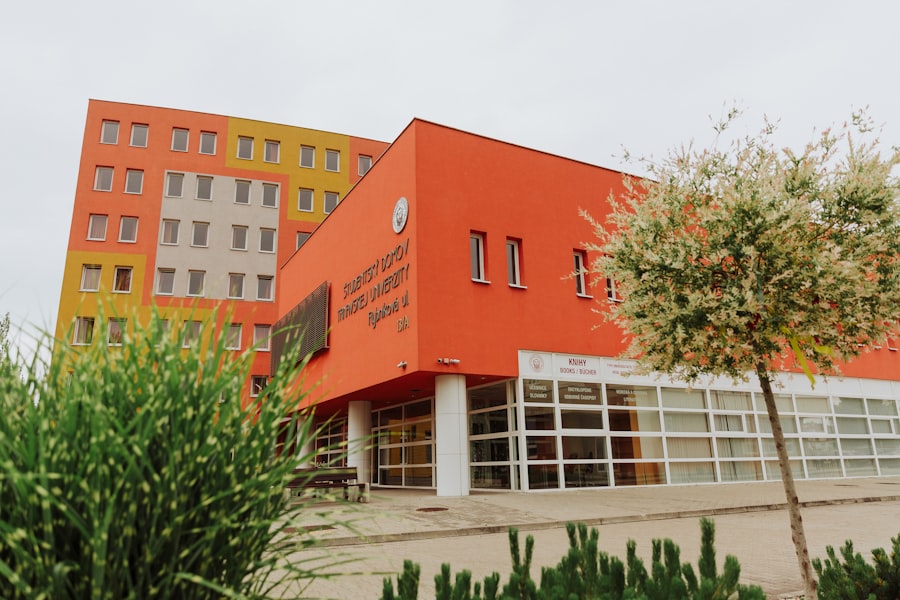
The realization of Building III, while a significant achievement, also presents new challenges and illuminates future directions for medical research within the institution. No undertaking of this magnitude is devoid of complexities.
Maximizing Resource Utilization
With the significant investment in Building III’s infrastructure and core facilities, a primary challenge lies in ensuring optimal utilization of these resources. Strategies for maximizing usage include transparent scheduling systems, comprehensive training programs for complex instrumentation, and active promotion of core services to researchers who may not be fully aware of their capabilities. The aim is to make these advanced tools accessible and instrumental to a wide array of projects, avoiding the pitfall of underutilized advanced technology.
Sustaining Operational Excellence
The ongoing operational costs associated with Building III are substantial. Maintaining advanced equipment, ensuring specialized utilities are sustained, and retaining highly skilled technical support staff all require significant financial commitment. The institution must develop robust funding models, including grant-based support, institutional endowments, and strategic partnerships, to ensure the long-term sustainability and operational excellence of this critical research hub. This is the continuous upkeep required to keep a complex machinery running at peak performance.
Adapting to Emerging Research Paradigms
The landscape of medical research is in constant flux. New technologies, such as advanced gene editing techniques, single-cell analysis, and artificial intelligence-driven drug discovery, are continually emerging. Building III’s modular design offers a degree of future-proofing, but continuous adaptation and investment in new equipment and expertise will be necessary. Regular technology scouting, feedback mechanisms from researchers, and flexible budget allocations for technological updates will be crucial to ensure the facility remains at the forefront of scientific inquiry. The building must remain an agile vessel, capable of navigating uncharted waters.
Fostering a Global Research Network
Building III’s advanced capabilities position the institution to become a more significant player in the global medical research community. Future directions involve leveraging this infrastructure to forge new international collaborations, participate in large-scale multi-centric studies, and facilitate the exchange of scientists and ideas across borders. This outward-looking perspective recognizes that many health challenges are global in nature and require a concerted international effort to address effectively.
In conclusion, Building III represents a substantial and strategic investment in the future of medical research. Its design, facilities, and underlying philosophy are geared towards creating an environment where scientific discovery can flourish, interdisciplinary collaboration can thrive, and translational research can be accelerated. While challenges exist in maximizing its potential and sustaining its operations, its establishment marks a pivotal moment for the institution, providing the physical and intellectual infrastructure necessary to push the boundaries of medical knowledge and ultimately contribute to improved human health outcomes.
