
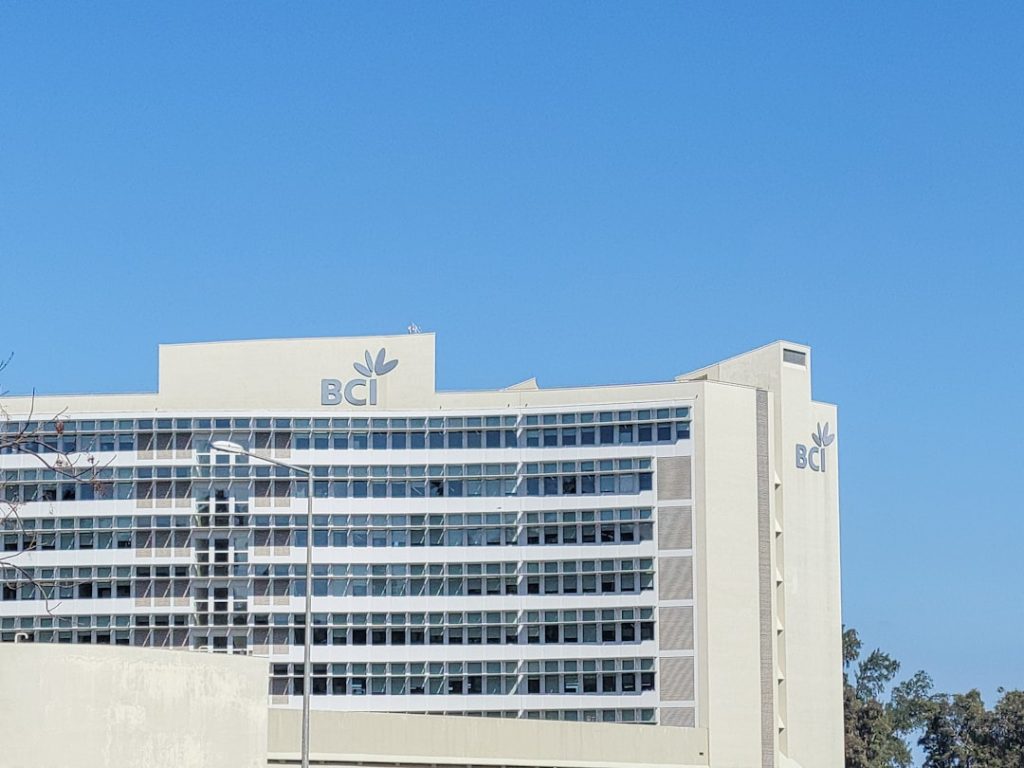
The Masonic Medical Research Institute (MMRI) stands as a testament to sustained efforts in biomedical inquiry. Established in 1958, its mission has consistently focused on fundamental and translational research aimed at understanding the mechanisms of disease and developing therapeutic interventions. Located in the Mohawk Valley region of New York, MMRI operates as an independent, non-profit institution, fostering a collaborative research environment that seeks to push the boundaries of medical knowledge. Its contributions have spanned various fields, from cardiovascular science to neurodegenerative diseases, reflecting a broad yet focused approach to scientific exploration.
The MMRI’s inception was rooted in a commitment to scientific advancement, particularly in areas where conventional medical understanding was limited. The initial years were marked by a period of foundational research, establishing the institute’s reputation as a center for rigorous scientific investigation.
Pioneering Cardiovascular Research

Early efforts at MMRI concentrated significantly on cardiovascular physiology and pathology. Researchers at the institute contributed to the understanding of cardiac arrhythmias, the electrical abnormalities of the heart that can lead to life-threatening conditions. Their work involved detailed electrophysiological studies, using advanced techniques to map electrical impulses and identify the origins of irregular heartbeats. This foundational research laid the groundwork for subsequent developments in antiarrhythmic therapies and diagnostic tools.
- Electrophysiological Mapping: Early researchers developed and refined techniques for mapping the electrical activity of the heart. This involved the use of microelectrodes to record action potentials from individual cardiac cells, providing unprecedented insights into the cellular mechanisms of arrhythmia. This data was crucial for understanding how electrical signals propagate through cardiac tissue and what goes awry in diseased states.
- Pharmacology of Antiarrhythmic Drugs: The institute also became a significant site for investigating the pharmacology of drugs designed to control heart rhythm. Studies explored the mechanisms by which various compounds modulated ion channels in cardiac cells, influencing their excitability and conduction properties. These investigations contributed to the rational design of new antiarrhythmic agents, moving beyond empirical drug discovery.
Contributions to Renal Physiology
Beyond cardiovascular studies, MMRI also engaged in research concerning renal physiology, specifically investigating kidney function and disease. This included work on hypertension and its impact on renal health, exploring the complex interplay between blood pressure regulation and kidney damage. These studies highlighted the systemic nature of many diseases and the interconnectedness of organ systems.
- Hypertension and Kidney Function: Research focused on the mechanisms by which high blood pressure damages the kidneys, leading to chronic kidney disease. This involved studies on renal hemodynamics, glomerular filtration, and the role of various humoral factors in blood pressure control within the renal vasculature. Understanding these pathways was critical for developing strategies to protect kidney function in hypertensive patients.
Expanding Horizons: Modern Research Pillars

As medical science evolved, so too did the MMRI’s research portfolio. The institute adapted to new technological advancements and emerging health challenges, establishing new research pillars while building upon its historical strengths.
Cardiovascular Sciences: From Bench to Bedside
Cardiovascular research remains a cornerstone of MMRI’s scientific endeavors. Current work encompasses a spectrum of topics, from fundamental molecular mechanisms to translational studies aimed at developing novel therapies for heart disease, including personalized medicine approaches.
- Understanding Cardiac Arrhythmias: Contemporary research delves deeper into the genomics and proteomics of cardiac arrhythmias. Scientists are investigating genetic predispositions to conditions like atrial fibrillation and ventricular tachycardia, utilizing advanced sequencing techniques and computational biology. This involves identifying specific genetic mutations that increase susceptibility to arrhythmias and understanding how these mutations alter protein function, particularly ion channels and structural proteins within the heart. The goal is to develop targeted therapies that address the underlying genetic causes of these conditions, rather than simply managing symptoms.
- Heart Failure Mechanisms: Another significant area of focus is heart failure, a progressive condition where the heart cannot pump enough blood to meet the body’s needs. Researchers explore the molecular and cellular mechanisms that lead to cardiac remodeling, hypertrophy, and fibrosis following injury or chronic stress. This includes studying mitochondrial dysfunction, oxidative stress, and inflammatory pathways that contribute to the decline of cardiac function. Investigations into novel therapeutic targets, such as those involved in energy metabolism or cellular repair, are actively pursued.
- Regenerative Medicine in Cardiology: MMRI is involved in exploring the potential of regenerative medicine for repairing damaged heart tissue. This includes studies on stem cell therapies, both adult and induced pluripotent stem cells, for their ability to differentiate into cardiomyocytes and improve cardiac function after events like myocardial infarction. Furthermore, research into biomaterials and tissue engineering approaches aims to create scaffolds that can support the growth of new cardiac tissue, offering promising avenues for patients with severe heart damage.
Neurodegenerative Diseases: Unraveling Complexities
The institute has dedicated resources to understanding neurodegenerative diseases, a group of debilitating conditions characterized by the progressive loss of neurons and cognitive decline. This research aims to elucidate disease mechanisms and identify potential therapeutic targets for disorders like Alzheimer’s and Parkinson’s disease.
- Alzheimer’s Disease Research: MMRI investigates the molecular pathology of Alzheimer’s disease, focusing on the roles of amyloid-beta plaques and tau tangles in neuronal dysfunction and death. Researchers are exploring novel therapeutic strategies, including those targeting protein aggregation, neuroinflammation, and synaptic dysfunction. This involves advanced imaging techniques to visualize changes in the brain at early stages of the disease and genetic studies to identify risk factors. The aim is to develop interventions that can halt or reverse the progression of cognitive decline.
- Parkinson’s Disease Mechanisms: Research into Parkinson’s disease focuses on the degeneration of dopaminergic neurons in the substantia nigra, a critical brain region for motor control. Scientists are exploring the role of alpha-synuclein aggregation, mitochondrial dysfunction, and oxidative stress in the pathogenesis of the disease. This also includes investigations into genetic mutations linked to familial forms of Parkinson’s and their impact on protein quality control pathways. The ultimate goal is to identify new drug targets that can protect these vulnerable neurons or replace them through regenerative approaches.
- Understanding ALS (Amyotrophic Lateral Sclerosis): MMRI’s contributions extend to ALS, a rapidly progressive neurodegenerative disease affecting motor neurons. Research concentrates on genetic factors, protein misfolding, and cellular stress responses that contribute to motor neuron demise. This involves studying the roles of specific genes like SOD1 and C9orf72, and their implications for protein aggregation and mitochondrial dysfunction in motor neurons. The institute seeks to identify biomarkers for early diagnosis and develop therapies that can slow or stop the progression of muscle weakness and paralysis.
The Research Ecosystem: Collaboration and Infrastructure
The success of MMRI’s research hinges on a robust ecosystem that fosters collaboration, upholds scientific rigor, and provides access to cutting-edge technologies. The institute operates as a nexus for scientific exchange, drawing expertise from various disciplines.
State-of-the-Art Facilities
MMRI maintains modern research laboratories equipped with advanced instrumentation essential for contemporary biomedical research. These facilities provide researchers with the tools necessary to conduct high-impact studies across various scientific disciplines.
- Imaging Core: The imaging core provides researchers with access to advanced microscopy techniques, including confocal microscopy, live-cell imaging, and electron microscopy. These tools are crucial for visualizing cellular and subcellular structures, tracking dynamic processes in real-time, and resolving fine details of tissue organization. The ability to visualize biomolecules and cellular events is paramount for understanding disease mechanisms.
- Genomics and Proteomics Platforms: The institute houses platforms for high-throughput genomics and proteomics, enabling comprehensive analyses of gene expression, genetic variations, and protein profiles. These technologies are vital for identifying biomarkers, understanding disease pathways, and developing personalized medicine approaches. From next-generation sequencing to mass spectrometry, these platforms empower researchers to generate vast datasets and extract meaningful biological insights.
- Animal Research Facilities: Essential for translational research, MMRI maintains accredited animal research facilities. These facilities adhere to strict ethical guidelines and provide controlled environments for studying disease models and evaluating potential therapeutic interventions in vivo. The responsible use of animal models is crucial for bridging the gap between basic scientific discoveries and human clinical applications.
Collaborative Networks and Training
MMRI actively promotes collaborations with academic institutions, industrial partners, and clinical centers, both locally and internationally. This collaborative approach enhances the scope and impact of its research and facilitates knowledge transfer. The institute also places a strong emphasis on training the next generation of scientists.
- Academic Partnerships: MMRI collaborates with universities and medical schools, sharing expertise, resources, and fostering joint research projects. These partnerships facilitate the exchange of ideas and allow researchers to leverage diverse perspectives and specialized knowledge. Such collaborations are instrumental in tackling complex scientific questions that often require interdisciplinary approaches.
- Graduate and Postdoctoral Training: The institute offers training opportunities for graduate students and postdoctoral fellows, providing them with mentorship, research experience, and professional development. This commitment to training ensures a continuous pipeline of skilled scientists who will contribute to future medical breakthroughs. These programs are designed to cultivate critical thinking, experimental design, and the ability to communicate scientific findings effectively.
Impact and Future Directions

The cumulative impact of MMRI’s research is reflected in its scientific publications, grant awards, and contributions to the broader medical community. The institute’s work has advanced fundamental understanding of disease processes and contributed to the development of new diagnostic and therapeutic strategies.
Translation to Clinical Practice
While MMRI focuses primarily on basic and translational research, its discoveries often lay the groundwork for clinical applications. Insights gained from MMRI’s laboratories have contributed to the understanding of drug mechanisms, the identification of genetic risk factors, and the development of new experimental therapies. The journey from initial discovery to patient benefit is often long and arduous, a marathon rather than a sprint, requiring sustained effort and rigorous validation.
- Contribution to Drug Development: Research at MMRI has provided fundamental data that informs drug development pipelines, particularly in cardiovascular and neurodegenerative fields. By elucidating the molecular targets of various compounds and understanding their impact on cellular processes, MMRI’s work helps validate potential therapeutic strategies. This foundational understanding is crucial for pharmaceutical companies as they navigate the costly and complex path of drug discovery.
- Improved Diagnostics: Some of the institute’s research has contributed to improved diagnostic tools, particularly in the realm of electrophysiology for heart conditions and biochemical markers for neurodegenerative diseases. By identifying specific indicators of disease, researchers at MMRI contribute to earlier and more accurate diagnoses, which are critical for effective intervention and management of progressive conditions.
Addressing Emerging Health Challenges
Looking ahead, MMRI remains poised to address emerging health challenges, adapting its research focus to tackle both persistent and novel diseases. The flexibility and scientific rigor embedded within the institute’s culture position it to respond effectively to the evolving landscape of medical needs. The scientific journey is not finite, but an ongoing odyssey, constantly charting new territories.
- Precision Medicine Initiatives: The institute is increasingly focused on precision medicine, tailoring treatments to individual patient characteristics, including their genetic makeup and disease presentation. This involves utilizing advanced genomics and bioinformatics to identify personalized therapeutic strategies, moving beyond a one-size-fits-all approach to medicine. The goal is to optimize treatment efficacy and minimize adverse effects, ushering in an era of more targeted and effective interventions.
- Investigating Rare Diseases: MMRI recognizes the importance of researching rare diseases, often neglected due to their smaller patient populations. By applying its expertise in genetics, molecular biology, and pathophysiology, the institute contributes to understanding these conditions and identifying potential therapeutic avenues for underserved patient groups. The collective impact of addressing many rare diseases can be significant for overall public health.
The Masonic Medical Research Institute continues its mission of advancing medical science through dedicated research, fostering a culture of inquiry and collaboration. Its contributions reflect a sustained commitment to understanding and combating human disease. The work conducted within its walls acts as a constant engine, propelling medical knowledge forward, brick by scientific brick.
