

The field of clinical research is a cornerstone of modern medicine, serving as the bridge between scientific discovery and tangible health improvements. Within this landscape, specialized units play a crucial role in the execution of trials and the collection of vital data. Fortrea Clinical Research Unit (CRU) represents one such entity, operating within the broader framework of clinical research organizations (CROs). This article provides an overview of the Fortrea CRU, detailing its functions, operational structure, and contributions to the advancement of medical science.
The Fortrea Clinical Research Unit operates as a dedicated facility for conducting early-phase clinical trials, primarily focusing on Phase I and early Phase II studies. These initial stages of drug development are critical for assessing the safety, tolerability, pharmacokinetics (PK), and pharmacodynamics (PD) of investigational new drugs (INDs) in human subjects. The CRU serves as a controlled environment where these foundational data points are gathered, laying the groundwork for subsequent, larger-scale trials.
Role in Drug Development Continuum

Within the extensive journey of drug development, from preclinical discovery to post-market surveillance, the Fortrea CRU is positioned at the very beginning of human experimentation. Its role is akin to a proving ground where novel compounds first encounter human biology. This early engagement is essential for identifying potential safety concerns and establishing preliminary efficacy signals, allowing researchers to make informed decisions about whether to proceed with further development.
Scope of Operations
The CRU’s operations encompass a wide array of activities, including subject recruitment, clinical trial conduct, data collection, and initial data analysis. It handles various study designs, from single ascending dose (SAD) and multiple ascending dose (MAD) studies to food effect studies, drug-drug interaction (DDI) studies, and bioequivalence/bioavailability studies. The diversity of its operational scope allows it to support a broad spectrum of pharmaceutical and biotech clients in their early-stage development efforts.
Operational Infrastructure

The successful execution of early-phase clinical trials demands a robust and specialized operational infrastructure. The Fortrea CRU is designed to meet these requirements, featuring dedicated facilities, advanced equipment, and a trained workforce.
Facility Design and Features
The physical layout of a CRU is critical for maintaining subject safety, data integrity, and operational efficiency. Fortrea CRU facilities are typically purpose-built, incorporating features such as:
- Clinical Wards: These areas provide controlled environments for volunteer accommodation and monitoring. They are equipped with emergency call systems, patient monitoring devices, and nurse stations.
- Pharmacy: A fully equipped pharmacy ensures the secure storage, preparation, and dispensing of investigational medicinal products (IMPs) in compliance with regulatory guidelines. This includes specialized storage for temperature-sensitive compounds.
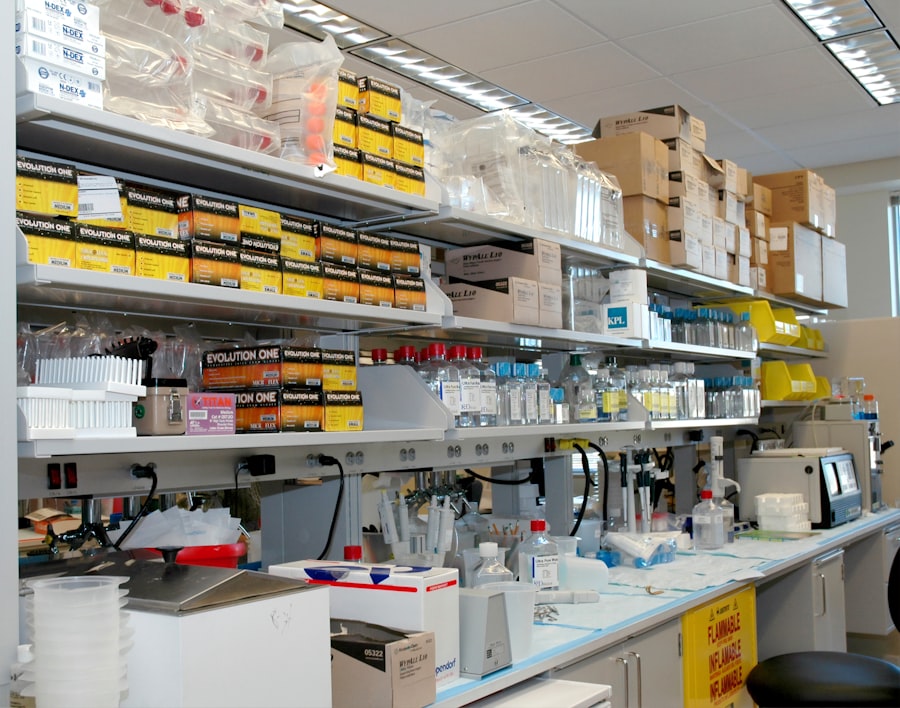
- Laboratory Services: On-site or closely-affiliated laboratories are crucial for processing biological samples (blood, urine, etc.), conducting analyses (e.g., PK/PD assays), and generating biomarker data. These labs adhere to Good Laboratory Practice (GLP) standards.
- Medical Examination Rooms: Dedicated spaces for physical examinations, vital sign measurements, and other medical assessments are integral to subject care and data collection.
- Recreational Areas: To maintain a positive environment for study participants during potentially lengthy stays, recreational facilities such as lounges, internet access, and entertainment options are often provided.
- Data Management and Monitoring Hubs: Secure areas for research staff to manage data, monitor study progress, and interact with sponsors are essential for operational oversight.
Technology and Equipment
Modern clinical research relies heavily on technology. The Fortrea CRU integrates various technological solutions to enhance data accuracy, operational efficiency, and subject safety. This includes:
- Electronic Data Capture (EDC) Systems: These systems are used for real-time data entry and management, replacing traditional paper-based methods. EDC systems enhance data quality, reduce errors, and accelerate data submission.
- Centralized Lab Information Management Systems (LIMS): LIMS are used to manage laboratory samples, tests, and results, ensuring traceability and accuracy of lab data.
- Pharmacokinetic/Pharmacodynamic (PK/PD) Software: Specialized software is used for analyzing drug concentration data and correlating it with physiological effects, providing insights into a drug’s behavior in the human body.
- Monitoring and Emergency Equipment: Advanced patient monitoring systems, resuscitation equipment, and emergency medical supplies are readily available to ensure the safety of study participants.
Staffing and Expertise
The human element is paramount in clinical research. The Fortrea CRU employs a multidisciplinary team of professionals, each contributing specialized expertise. Key roles include:
- Physicians (Principal Investigators and Sub-Investigators): Responsible for overall study conduct, subject safety, medical oversight, and interpretation of clinical data.
- Nurses: Provide direct patient care, administer investigational drugs, monitor participants, and collect clinical data.
- Pharmacists: Manage investigational product inventory, preparation, and dispensing.
- Laboratory Technicians: Process biological samples and perform analytical tests.
- Clinical Research Coordinators (CRCs): Assist with study organization, data entry, regulatory documentation, and subject communication.
- Quality Assurance (QA) Personnel: Ensure adherence to protocols, regulatory guidelines (e.g., ICH GCP), and Standard Operating Procedures (SOPs).
- Recruitment Specialists: Identify and screen potential study participants, ensuring they meet eligibility criteria.
Regulatory Compliance and Quality Assurance

The integrity of clinical research hinges on strict adherence to established ethical and regulatory guidelines. The Fortrea CRU operates within a highly regulated environment, with robust systems for ensuring compliance and maintaining quality.
Adherence to ICH GCP
The International Council for Harmonisation of Technical Requirements for Pharmaceuticals for Human Use (ICH) Good Clinical Practice (GCP) guidelines serve as the global standard for the conduct of clinical trials involving human subjects. The Fortrea CRU is structured to fully comply with these guidelines, which cover aspects such as protocol development, informed consent, data management, and adverse event reporting. Compliance with ICH GCP ensures the protection of human subjects and the credibility of study data.
Institutional Review Board (IRB) / Ethics Committee (EC) Oversight
Every clinical trial conducted at the Fortrea CRU undergoes rigorous review and approval by an independent Institutional Review Board (IRB) or Ethics Committee (EC). These committees are comprised of medical professionals, ethicists, and community representatives, whose primary role is to protect the rights, safety, and well-being of study participants. Their oversight is a critical safeguard in human research.
Internal Quality Management Systems
Beyond external regulatory requirements, the Fortrea CRU maintains comprehensive internal Quality Management Systems (QMS). These systems include:
- Standard Operating Procedures (SOPs): Detailed written instructions for all critical operational processes, ensuring consistency and accuracy.
- Staff Training and Competency Assessments: Regular training programs and assessments ensure that all personnel are proficient in their roles and understand relevant regulations.
- Internal Audits: Scheduled and unscheduled audits are conducted to verify compliance with SOPs, protocols, and regulatory requirements.
- Corrective and Preventive Actions (CAPA): Processes are in place to address identified deviations or deficiencies, implementing corrective measures and preventing recurrence.
Subject Recruitment and Retention
The success of any early-phase clinical trial is directly linked to the ability to recruit and retain suitable study participants. This is often a significant challenge in clinical research, and the Fortrea CRU employs targeted strategies to address it.
Targeted Recruitment Strategies
Recruiting the right volunteers for specific early-phase studies requires precision. Unlike later-phase trials which may involve patients with a particular disease, Phase I studies often seek healthy volunteers or specific patient populations with well-defined characteristics. Fortrea CRU utilizes various strategies:
- Databases of Potential Volunteers: Maintenance of a robust database of individuals who have expressed interest in participating in clinical research.
- Community Outreach and Advertising: Engaging with local communities through various channels (e.g., online platforms, local media, health fairs) to raise awareness and attract volunteers.
- Referral Networks: Collaborating with healthcare providers and specialists to identify eligible patients for studies requiring specific medical conditions.
- Pre-screening and Eligibility Screening: A multi-step process involving questionnaires, medical record review, and clinical assessments to determine eligibility.
Volunteer Engagement and Retention
Once recruited, retaining volunteers throughout the study period is equally important. The Fortrea CRU focuses on creating a positive and supportive environment to encourage participation:
- Clear Communication: Providing comprehensive and understandable information about the study, expectations, and potential risks and benefits.
- Comfortable Facilities: As mentioned earlier, comfortable living arrangements and amenities contribute significantly to volunteer satisfaction.
- Respectful and Professional Staff: A professional and empathetic staff fosters trust and encourages adherence to study protocols.
- Financial Compensation: Volunteers are typically compensated for their time, travel, and inconvenience, which serves as an incentive for participation. This compensation is ethically reviewed to ensure it is not unduly coercive.
- Post-Study Follow-up: Providing volunteers with information about their health and the study’s outcomes can enhance their overall experience and willingness to participate in future studies.
Contribution to Medical Advancement
| Metric | Details |
|---|---|
| Location | Fortrea Clinical Research Unit |
| Specialization | Clinical Trials and Research |
| Number of Studies Conducted | 150+ |
| Therapeutic Areas | Oncology, Cardiology, Neurology, Infectious Diseases |
| Patient Enrollment | Over 3,000 participants |
| Accreditation | ISO 9001 Certified |
| Average Study Duration | 12-18 months |
| Data Management System | Electronic Data Capture (EDC) |
| Staff | 50+ Clinical Researchers and Support Staff |
The work undertaken at the Fortrea CRU, though focused on early-phase trials, forms a critical foundation for medical progress. Each study completed there adds a brick to the wall of scientific knowledge.
Early Safety and Tolerability Assessment
Perhaps the most fundamental contribution of the Fortrea CRU is the initial assessment of a new drug’s safety and tolerability in humans. Before a drug can be studied in broader patient populations, it must be established that it does not pose unacceptable risks. This early gatekeeping function prevents potentially harmful compounds from progressing further in development, protecting future patients.
Pharmacokinetic and Pharmacodynamic Insight
Understanding how a drug is absorbed, distributed, metabolized, and excreted (PK) and how it affects the body (PD) is crucial for optimizing dosing regimens and predicting efficacy. The data generated at the Fortrea CRU provides these vital insights. This understanding allows researchers to tailor drug doses, minimize side effects, and improve the chances of success in later-phase trials.
Bioequivalence and Biosimilarity Studies
The CRU also plays a significant role in studies demonstrating bioequivalence for generic drugs or biosimilarity for biologics. These studies compare the PK profiles of an investigational drug with a reference product, ensuring that new versions of established medicines are equally safe and effective. This contributes to increased access to affordable medications globally.
Bridging Preclinical and Clinical Development
The Fortrea CRU serves as a critical bridge, translating findings from preclinical (in vitro and animal) studies into human application. It’s where the theoretical promise of a discovery meets the realities of human biology. This translation is complex and demands careful planning, execution, and interpretation of data. Without units like the Fortrea CRU, the transition from lab bench to patient bedside would be far more protracted and fraught with uncertainty.
In conclusion, the Fortrea Clinical Research Unit is an integral component of the drug development ecosystem. By meticulously conducting early-phase clinical trials, adhering to stringent regulatory and ethical standards, and fostering a participant-centric environment, it contributes directly to the advancement of medical science. The data generated within its walls informs critical decisions in drug development, ultimately paving the way for new therapies that can improve human health. While its work may often be behind the scenes, its impact resonates throughout the entire continuum of medical innovation.
