

The National Institutes of Health (NIH) is a primary agency of the United States government responsible for biomedical and public health research. Its clinical research arm plays a pivotal role in translating scientific discoveries from the laboratory bench to the patient bedside, a process often referred to as translational medicine. This article will explore the structure, function, and impact of NIH clinical research, offering a comprehensive overview of its contributions to human health.
The NIH’s commitment to clinical research is embedded within its organizational structure. The NIH Clinical Center, often dubbed America’s Research Hospital, serves as the cornerstone. This dedicated facility, located in Bethesda, Maryland, houses patients participating in research protocols across a vast spectrum of diseases. Beyond the Clinical Center, numerous institutes and centers within the NIH conduct clinical research specific to their areas of expertise, such as the National Cancer Institute (NCI) or the National Institute of Allergy and Infectious Diseases (NIAID).
A Unique Research Environment

The NIH Clinical Center is distinguished by its direct and integrated approach to research. Unlike traditional hospitals, its primary mission is to conduct research to improve human health. Patients admitted to the Clinical Center are participants in rigorously designed research studies, contributing directly to the advancement of medical knowledge. This focused environment fosters collaboration among researchers, clinicians, and patients, accelerating the pace of discovery.
Funding and Infrastructure
The NIH is a significant funder of clinical research across the United States and globally. Its robust grant programs support innovative research projects at academic institutions, medical centers, and other research organizations. This broad funding base creates a network of research initiatives, pushing the boundaries of medical understanding. The NIH also provides critical infrastructure, including biorepositories, data management systems, and specialized equipment, essential for conducting complex clinical trials.
The Scope of Research: From Bench to Bedside

NIH clinical research encompasses a vast array of medical conditions and scientific disciplines. It operates as a bridge, transforming fundamental scientific discoveries into practical applications that improve patient care. This translational process involves multiple stages, each meticulously designed to ensure safety and efficacy.
Early-Phase Clinical Trials
Initial clinical trials, often referred to as Phase I studies, are designed to assess the safety of new drugs or interventions in a small group of human volunteers. These trials carefully monitor for adverse effects and determine appropriate dosages. They are the first steps in evaluating whether a promising laboratory discovery can be safely introduced to patients. Think of these trials as the initial reconnaissance mission, determining if the terrain is safe for a larger expedition.
Efficacy and Dose-Finding Studies
Once safety has been established, Phase II trials are conducted to evaluate the effectiveness of an intervention and further assess safety. These studies typically involve a larger group of patients with the target disease. Researchers aim to identify the optimal dosage and regimen, providing crucial data for subsequent, larger-scale trials. This stage is akin to a test flight, ensuring the aircraft performs as expected in controlled conditions.
Large-Scale Clinical Trials
Phase III trials are large, randomized controlled trials designed to compare the new intervention with existing treatments or a placebo. These studies involve hundreds or thousands of patients and are often conducted across multiple clinical sites. They are the definitive tests of an intervention’s efficacy and safety for widespread use. Successful Phase III trials are often a prerequisite for regulatory approval, allowing the intervention to become broadly available. This is the grand voyage, proving the vessel is seaworthy for routine travel.
Post-Marketing Surveillance (Phase IV)
Even after an intervention is approved and marketed, research continues. Phase IV studies, also known as post-marketing surveillance, monitor the long-term safety and effectiveness of the intervention in diverse patient populations. These studies can identify rare side effects or new benefits that may not have been apparent in earlier trials. This ongoing monitoring acts as a lighthouse, ensuring continued safety and guiding optimal usage even after the initial journey is complete.
Key Areas of Impact and Innovation
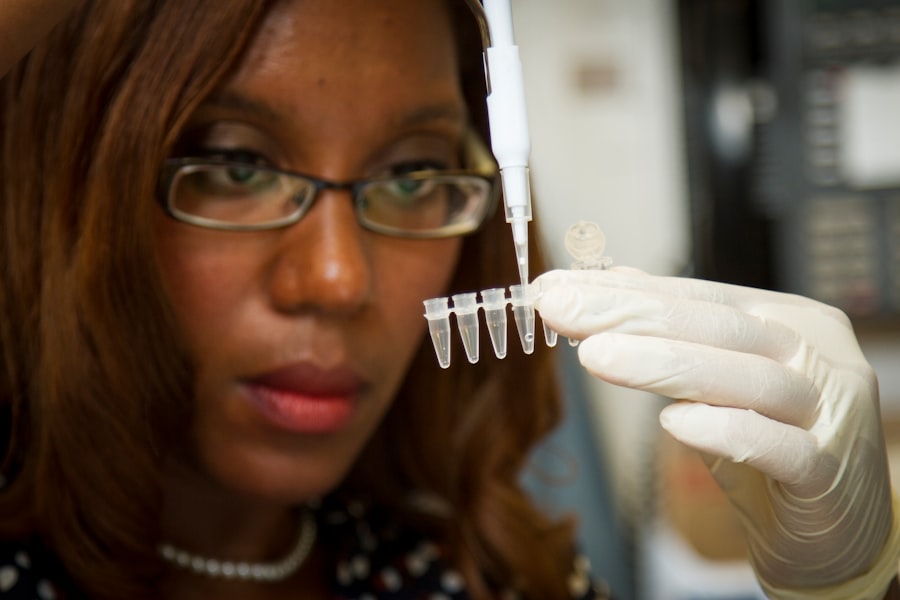
The NIH’s clinical research efforts have led to transformative advancements across numerous medical fields. Its sustained investment in scientific inquiry has shaped modern medicine.
Cancer Research
The National Cancer Institute (NCI), a component of the NIH, is a global leader in cancer research. NIH-funded clinical trials have played a crucial role in the development of targeted therapies, immunotherapies, and advanced diagnostic tools that have significantly improved cancer survival rates and quality of life for patients. The understanding of cancer’s molecular underpinnings, forged through a combination of basic and clinical research, has revolutionized its treatment. From developing new chemotherapy regimens to pioneering cancer vaccines, NIH research continuously seeks to outmaneuver this complex disease.
Infectious Diseases
The National Institute of Allergy and Infectious Diseases (NIAID) spearheads research into infectious diseases, including HIV/AIDS, influenza, and emerging pathogens. NIH clinical research has been instrumental in the development of vaccines, antiviral drugs, and diagnostic tests for these threats. The rapid response to public health crises, such as the COVID-19 pandemic, highlights the critical role of NIH clinical research in accelerating the development and evaluation of countermeasures. The ability to pivot quickly, conducting trials for novel vaccines and therapies, demonstrates the agility and necessity of this research infrastructure.
Rare Diseases
Many rare diseases lack effective treatments due to their limited patient populations and the associated challenges in conducting traditional clinical trials. The NIH actively supports research into rare diseases, through initiatives like the Rare Diseases Clinical Research Network. This commitment ensures that even conditions affecting a small number of people receive dedicated scientific attention, fostering the development of orphan drugs and specialized therapies that might otherwise be overlooked. This effort is akin to illuminating forgotten corners, ensuring no medical need remains in the shadows.
Mental Health and Neuroscience
The National Institute of Mental Health (NIMH) and the National Institute of Neurological Disorders and Stroke (NINDS) are key players in advancing understanding and treatment of mental health disorders and neurological conditions. NIH clinical research investigates the biological basis of these conditions, leading to new pharmacological and behavioral interventions for depression, anxiety disorders, Alzheimer’s disease, Parkinson’s disease, and stroke, among others. These efforts seek to unravel the intricate workings of the brain, offering avenues for relief and recovery for millions.
Ethical Considerations and Patient Protection
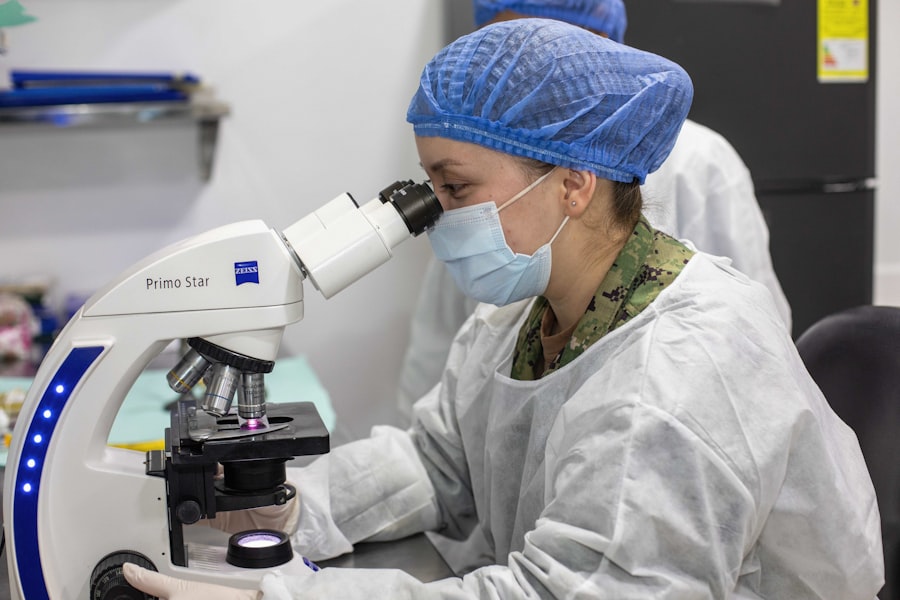
Conducting research involving human participants necessitates a robust ethical framework and stringent safeguards to protect patient well-being. The NIH adheres to the highest ethical standards in all its clinical research endeavors.
Informed Consent
A cornerstone of ethical clinical research is informed consent. Before participating in any study, individuals must receive comprehensive information about the research, including its purpose, procedures, potential risks, and benefits. They must then voluntarily agree to participate, understanding that they can withdraw at any time without penalty. This process establishes a foundation of transparency and respect for patient autonomy. It is the agreement between two parties, ensuring each understands the terms of engagement.
Institutional Review Boards (IRBs)
Every NIH clinical research protocol undergoes rigorous review by an Institutional Review Board (IRB). IRBs are independent committees composed of scientists, ethicists, and community members who assess the ethical implications and scientific merit of proposed research. Their approval is mandatory before any research involving human participants can commence, acting as a crucial gatekeeper for ethical scientific practice. IRBs serve as the vigilant guardians of patient welfare, standing between potential harm and scientific progress.
Data Privacy and Confidentiality
The NIH places a high priority on protecting the privacy and confidentiality of patient data collected during clinical research. Strict regulations and advanced technological safeguards are employed to secure sensitive health information, ensuring that individual identities are protected while allowing for valuable research to proceed. This commitment builds trust and encourages participation, recognizing the delicate balance between scientific advancement and personal privacy. Data privacy is a fortress, built to protect the invaluable information entrusted to research.
The Future Trajectory of NIH Clinical Research
| Metric | Description | Value | Year |
|---|---|---|---|
| Number of Clinical Trials Funded | Total NIH-funded clinical trials initiated | 1,200 | 2023 |
| Average Trial Duration | Average length of NIH clinical trials | 3.5 years | 2023 |
| Participant Enrollment | Average number of participants per trial | 350 | 2023 |
| Funding Allocated | Total NIH budget for clinical research | 45 billion | 2023 |
| Phase Distribution | Percentage of trials by phase | Phase 1: 25%, Phase 2: 40%, Phase 3: 30%, Phase 4: 5% | 2023 |
| Success Rate | Percentage of trials reaching completion | 65% | 2023 |
The landscape of medical research is constantly evolving, driven by technological advancements and deeper scientific understanding. The NIH’s clinical research is positioned to lead in these emerging areas.
Precision Medicine
The burgeoning field of precision medicine aims to tailor medical treatment to the individual characteristics of each patient. NIH clinical research is at the forefront of this movement, investigating how genetic, environmental, and lifestyle factors influence disease susceptibility and treatment response. This approach seeks to move beyond one-size-fits-all medicine, ushering in an era of highly personalized and effective therapies. Precision medicine is a tailor, crafting treatments to fit the unique blueprint of each individual.
Artificial Intelligence and Big Data
The integration of artificial intelligence (AI) and the analysis of “big data” hold immense potential for accelerating clinical research. NIH initiatives are exploring how AI can be used to identify novel drug targets, optimize clinical trial design, and personalize treatment strategies. The ability to extract meaningful insights from vast datasets will undoubtedly transform the pace and scope of medical discovery. AI and big data are the new cartographers, mapping out previously unseen territories in human health.
Global Health Initiatives
Many health challenges transcend national borders. The NIH actively participates in global health initiatives, collaborating with international partners to address diseases prevalent in low- and middle-income countries. This collaborative approach expands the reach of clinical research, bringing life-saving interventions to diverse populations worldwide. Global health initiatives are the threads in a global tapestry, weaving together efforts to address health inequities and improve well-being for all.
Ultimately, NIH clinical research is a dynamic and essential enterprise, perpetually seeking to unravel the mysteries of disease and forge pathways to improved human health. Its rigorous methodology, ethical foundations, and constant pursuit of innovation solidify its position at the forefront of medical advancement.
