

San Antonio, Texas, has emerged as a prominent hub for clinical research, contributing significantly to advancements in medicine. This article explores the multifaceted landscape of medical research within the city, highlighting its key institutions, areas of focus, impact, and future trajectory.
San Antonio’s robust clinical research ecosystem is built upon a strong foundation of academic institutions, healthcare networks, and dedicated research facilities. These entities collaborate to foster an environment conducive to scientific discovery and its practical application.
University Health System and UT Health San Antonio

University Health System, in partnership with UT Health San Antonio, forms the bedrock of clinical research in the region. UT Health San Antonio, one of six health institutions in the University of Texas System, encompasses schools of medicine, nursing, dentistry, health professions, and a graduate school of biomedical sciences. Their integrated approach allows for seamless translation of laboratory discoveries into clinical trials and patient care.
- Translational Research: This collaboration is a prime example of translational research, bridging the gap between basic science and clinical application. Think of it as a pipeline, where raw scientific concepts enter one end and emerge as improved treatments at the other.
- Clinical Trials Office: A dedicated Clinical Trials Office at UT Health San Antonio streamlines the process of initiating and managing clinical studies, ensuring regulatory compliance and ethical oversight. This office acts as the central nervous system for research operations.
Brooke Army Medical Center (BAMC)
As a major military medical facility, Brooke Army Medical Center (BAMC) plays a critical role in clinical research, particularly in areas relevant to military healthcare. Its focus often extends to trauma care, infectious diseases, and rehabilitation medicine. The unique patient population at BAMC provides opportunities for studying conditions that are less prevalent in civilian settings.
- Combat Medicine Research: BAMC is a leader in combat casualty care research, investigating novel approaches to treating severe injuries, burns, and post-traumatic stress disorder (PTSD). Their work in this area is a testament to the urgent need for medical innovation in high-stress environments.
- Rehabilitation Sciences: Research at BAMC extends to rehabilitation sciences, developing advanced prosthetics and therapeutic interventions for service members with disabilities. This is where scientific ingenuity directly impacts quality of life.
Texas Biomedical Research Institute (TBRI)

The Texas Biomedical Research Institute (TBRI) operates as an independent research institution, primarily focusing on infectious diseases and genetics. Located in San Antonio, TBRI maintains a notable primate center, which facilitates research into complex biological processes and disease mechanisms.
- Infectious Disease Research: TBRI is at the forefront of research into global health threats, including HIV, tuberculosis, and emerging viral pathogens. Their work is a constant vigil against unseen biological adversaries.
- Genetic Research: Investigations into the genetic basis of various diseases, from cardiovascular conditions to neurological disorders, are also a significant component of TBRI’s research portfolio. This delves into the very blueprint of life to understand deviations.
Key Areas of Research Focus
San Antonio’s clinical research landscape is diverse, addressing a broad spectrum of medical conditions. Several areas have emerged as particular strengths, drawing significant investment and scientific talent.
Cancer Research and Treatment
San Antonio has established itself as a significant center for cancer research, encompassing basic science, clinical trials, and advanced therapeutic approaches. The integration of various institutions fosters a comprehensive attack on this pervasive disease.
- Mays Cancer Center: The Mays Cancer Center, UT Health San Antonio MD Anderson, is a National Cancer Institute (NCI)-designated comprehensive cancer center. This designation signifies a commitment to excellence in patient care, research, and education. It serves as a beacon for cancer patients in the region.
- Clinical Trials for Novel Therapies: Researchers in San Antonio are actively involved in clinical trials for new cancer drugs, immunotherapies, and radiation techniques. These trials are the crucible where potential new treatments are rigorously tested.
- Personalized Medicine in Oncology: A growing emphasis is placed on personalized medicine, tailoring treatments to individual patients based on their genetic profile and tumor characteristics. This move away from a “one-size-fits-all” approach marks a significant evolution in cancer care.
Diabetes and Metabolic Disorders
Given the high prevalence of diabetes in South Texas, research into diabetes and related metabolic disorders is a critical area of focus in San Antonio. This reflects a pragmatic response to local health challenges.
- Barshop Institute for Longevity and Aging Studies: While broadly focused on aging, the Barshop Institute also conducts research into age-related metabolic dysregulation, including type 2 diabetes. Their work often intersects with understanding how the body’s systems decline over time.
- Clinical Trials for Diabetes Management: Researchers are actively engaged in clinical trials for new insulin formulations, oral medications, and lifestyle interventions aimed at improving blood sugar control and preventing complications. These studies are directly addressing the daily struggles of patients.
- Basic Research into Insulin Resistance: Fundamental research explores the mechanisms underlying insulin resistance and pancreatic β-cell dysfunction, seeking to uncover the root causes of the disease. This is where the detective work happens, uncovering cellular secrets.
Neuroscience and Neurological Disorders
San Antonio is making strides in neuroscience research, investigating the complexities of the brain and developing new treatments for neurological disorders. This field is a frontier of scientific exploration, continually revealing new insights into the human mind.
- Glenn Biggs Institute for Alzheimer’s and Neurodegenerative Diseases: This institute is dedicated to understanding and combating Alzheimer’s disease and other neurodegenerative conditions. Their focus is on preserving cognitive function and quality of life for an aging population.
- Stroke Research: Clinical trials and research projects are underway to improve acute stroke treatment, rehabilitation, and long-term recovery outcomes. Speed and efficacy are paramount in stroke care, and research aims to enhance both.
- Parkinson’s Disease Research: Investigations into the mechanisms of Parkinson’s disease, coupled with clinical trials for new therapeutic agents, represent another key area of neurological research. This field seeks to alleviate the debilitating symptoms of a chronic progressive disorder.
Impact and Contribution to Global Health
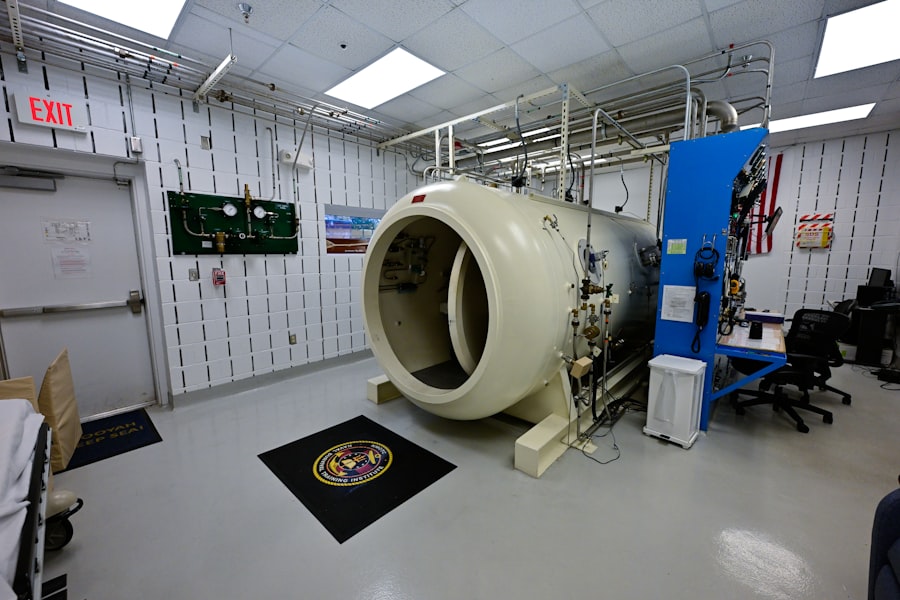
The clinical research conducted in San Antonio extends beyond local impact, contributing to the broader global knowledge base and leading to medical advancements that benefit patients worldwide.
Development of New Therapies
Research efforts in San Antonio have directly contributed to the development and approval of new drugs, medical devices, and therapeutic protocols. These outcomes are the tangible fruits of years of scientific endeavor.
- FDA-Approved Treatments: Clinical trials conducted in San Antonio have been instrumental in securing FDA approval for various pharmaceutical agents and medical technologies. This is a crucial step in making new treatments accessible to the public.
- Improved Surgical Techniques: Interventional research often leads to refinements in surgical techniques, making procedures less invasive and more effective. This continuous improvement benefits patients through reduced recovery times and better outcomes.
Advancing Medical Knowledge
Beyond immediate therapeutic applications, San Antonio’s research significantly advances fundamental medical knowledge. This is a deeper impact, akin to adding new chapters to the global medical textbook.
- Understanding Disease Mechanisms: Many research projects focus on unraveling the underlying mechanisms of disease, providing critical insights that pave the way for future interventions. This is the intellectual engine driving all subsequent advancements.
- Biomarker Discovery: The identification of biomarkers for early disease detection, progression monitoring, and treatment response prediction is a vital area of research. These biomarkers act as early warning systems or progress indicators for specific diseases.
Challenges and Future Directions

While San Antonio’s clinical research landscape is robust, like any complex endeavor, it faces challenges and is continually evolving. Understanding these factors is crucial for sustaining future growth.
Funding and Resources
Sustaining high-quality clinical research requires substantial and consistent funding. The competitive nature of grant applications and the increasing costs of research present ongoing challenges.
- Federal and Philanthropic Support: Reliance on federal grants (e.g., NIH) and philanthropic donations underscores the cyclical nature of research funding. These funding streams are the lifeblood of scientific discovery.
- Industry Partnerships: Collaboration with pharmaceutical and biotechnology companies is a crucial avenue for securing funding and translating research into marketable products. These partnerships are a bridge between academia and industry.
Workforce Development
The demand for skilled clinical research professionals continues to grow. Ensuring a pipeline of qualified scientists, clinicians, and research support staff is essential for future success.
- Training Programs: Academic institutions in San Antonio offer various training programs, from doctoral degrees to specialized certifications, to cultivate the next generation of researchers. These programs are the nurseries for future scientific talent.
- Recruitment and Retention: Attracting and retaining top scientific talent in a competitive national and international landscape is an ongoing priority. San Antonio competes for minds, not just resources.
Ethical Considerations and Patient Engagement
Clinical research involves human subjects, necessitating strict adherence to ethical guidelines and robust patient engagement strategies. Building trust and transparency is paramount.
- Institutional Review Boards (IRBs): All clinical research studies undergo rigorous review by IRBs to ensure patient safety, informed consent, and ethical conduct. These boards act as the conscientious guardians of patient well-being.
- Community Outreach: Engaging the community, particularly underserved populations, in research initiatives is crucial for ensuring diverse representation and addressing health disparities. This outreach aims to ensure that research benefits all segments of society.
Integration of Technology and Data Science
The future of clinical research is inextricably linked to advancements in technology and data science. San Antonio is increasingly leveraging these tools to accelerate discovery.
- Artificial Intelligence (AI) and Machine Learning (ML): The application of AI and ML in analyzing large datasets for drug discovery, patient stratification, and personalized treatment prediction is a rapidly expanding area. These technologies offer a magnifying glass for complex data.
- Biomedical Informatics: The field of biomedical informatics is critical for managing, analyzing, and interpreting the vast amounts of data generated by clinical research. This discipline organizes the deluge of information into actionable insights.
In conclusion, San Antonio’s clinical research landscape is a dynamic and essential component of the city’s identity and its contribution to global health. Through a network of dedicated institutions, a focus on critical disease areas, and a commitment to innovation, the city continues to play a vital role in advancing medicine. As you observe the continuous flow of knowledge and discovery from this region, consider that each new finding is a testament to the persistent intellectual effort aimed at unravelling the complexities of human health and disease. The work in San Antonio serves as a crucial cog in the global machinery of scientific progress, continually pushing the boundaries of what is medically possible.
