

Preclinical testing is a critical phase in the development of new medical interventions, encompassing treatments, diagnostic tools, and preventative measures. It serves as a foundational step, preceding clinical trials in humans, to assess the safety and efficacy of novel compounds, devices, and procedures. This stage functions as a necessary filter, identifying potential hazards and ineffective candidates before they reach human subjects. Without rigorous preclinical evaluation, the risks associated with human trials would be substantially higher, potentially leading to adverse events, ethical dilemmas, and a significant waste of resources.
The Role of Preclinical Testing in Drug Development
The journey of a new drug from conception to market is arduous and prolonged, often spanning over a decade. Preclinical testing marks the initial substantial investigation into a promising therapeutic candidate. This phase typically begins after a target for intervention has been identified and lead compounds have been optimized through in vitro studies. The objective is to gather sufficient data to support the initiation of human clinical trials, satisfying regulatory requirements and ensuring an acceptable risk profile.

Preclinical testing involves a systematic progression of experiments designed to characterize the drug’s properties. This includes evaluating its pharmacological profile, toxicological effects, pharmacokinetic behavior, and early indicators of efficacy in relevant in vivo models. The data generated during this phase informs subsequent decisions regarding dose selection, route of administration, and patient population for initial human studies.
A primary objective of preclinical testing is to assess the potential toxicity of a new compound or intervention. This involves a comprehensive battery of tests designed to identify any adverse effects it might have on various biological systems. This safety assessment is paramount, as even a highly effective compound is rendered useless if its toxicity profile is unacceptable.
Acute Toxicity Studies

Acute toxicity studies are typically the first in vivo evaluations of a new substance. Their purpose is to determine the immediate toxic effects following a single or short-term exposure to varying doses. These studies help establish a dose range for subsequent longer-term investigations and identify target organs for toxicity. Test animals, typically rodents, are observed for a defined period for clinical signs of toxicity, mortality, and pathological changes at necropsy. The data derived assists in determining the maximum tolerated dose (MTD) and establishing a safety margin.
Repeated-Dose Toxicity Studies
Following acute toxicity, repeated-dose toxicity studies are conducted to assess the effects of chronic or repeated exposure to the compound. These studies typically last from weeks to months, depending on the intended duration of human treatment. They aim to identify cumulative toxicity, delayed effects, and reversibility of adverse events. Animals are administered the compound daily, and observations include clinical signs, body weight changes, food consumption, hematology, clinical chemistry, urinalysis, and comprehensive histopathological examination of organs. These studies are crucial for understanding the long-term safety profile and identifying potential chronic pathologies.
Genotoxicity and Carcinogenicity Studies
Genotoxicity studies assess the potential of a substance to damage genetic material (DNA). Such damage can lead to mutations, which are often precursors to cancer. These studies typically use in vitro bacterial assays (e.g., Ames test) and mammalian cell assays, followed by in vivo tests if in vitro results are positive or deemed necessary.
Carcinogenicity studies evaluate the potential of a substance to cause cancer over an animal’s lifespan. These are long-term studies, often lasting two years in rodents, and are conducted when the compound is intended for chronic human use or if genotoxicity studies raise concerns. They are invaluable for identifying latent carcinogenic risks that might not become apparent in shorter-term studies. The results from these studies significantly influence regulatory decisions regarding drug approval.
Efficacy Assessment: Proof of Concept
Beyond safety, preclinical testing is crucial for establishing the efficacy of a new intervention. This involves demonstrating that the compound or procedure can achieve its intended therapeutic effect in relevant biological models. Efficacy assessment in vivo moves beyond simply showing a compound interacts with its target; it aims to demonstrate a measurable and beneficial physiological outcome.
Pharmacodynamics (PD) Studies
Pharmacodynamics describes what the drug does to the body. PD studies investigate the biochemical and physiological effects of a drug and its mechanism of action. This includes understanding how the drug interacts with its target, the resulting cellular changes, and the overall therapeutic effect. These studies often involve measuring biomarkers, which are measurable indicators of a biological state or condition. For example, in a drug designed to lower blood sugar, a PD study would measure changes in glucose levels. These studies help connect the dose administered to the observed biological response, providing insight into the therapeutic window.
Disease Models
To assess efficacy, preclinical researchers utilize established disease models that mimic aspects of human pathology. These models can range from cell-based systems to genetically engineered animals or animals with induced diseases. The choice of model is critical and depends on the specific disease, its complexity, and the availability of validated models that accurately reflect the human condition. For instance, in cancer research, xenograft models (human tumor cells grown in immunocompromised mice) are often used to evaluate anti-tumor efficacy. In cardiovascular research, animal models of hypertension or myocardial infarction are employed. The goal is to demonstrate a statistically significant and biologically relevant improvement in disease parameters.
Biomarkers of Efficacy
Biomarkers play an increasingly important role in preclinical efficacy studies. They provide objective and measurable indicators of a drug’s effect, often at an early stage. Identifying and validating relevant biomarkers in preclinical models can bridge the gap to human clinical trials, offering early signals of potential efficacy in patients. These biomarkers can range from molecular changes in tissue to measurable physiological parameters, providing mechanistic insights and supporting rational dose selection for human studies.
Pharmacokinetics (PK) Studies: Understanding Drug Fate
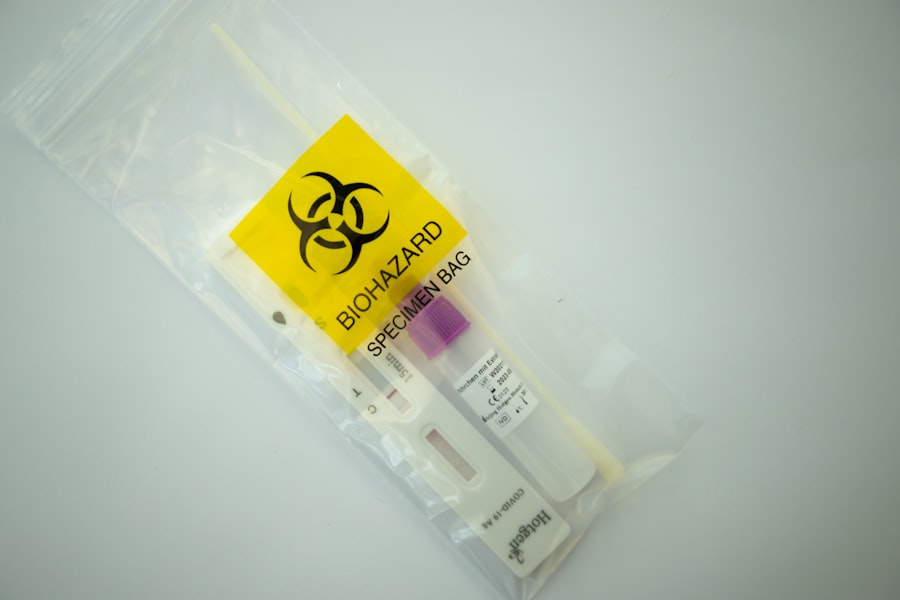
Pharmacokinetics describes what the body does to the drug. PK studies investigate the absorption, distribution, metabolism, and excretion (ADME) of a compound within an organism. This information is critical for understanding how the drug behaves once administered and helps predict its concentration at the site of action and its clearance from the body.
Absorption
Absorption refers to the process by which a drug enters the systemic circulation from its site of administration. For orally administered drugs, this involves passage through the gastrointestinal tract and into the bloodstream. Factors affecting absorption include solubility, permeability, and first-pass metabolism in the liver. Preclinical studies evaluate the bioavailability of a drug, which is the fraction of the administered dose that reaches the systemic circulation unchanged. This information is crucial for determining dose and route of administration.
Distribution
Distribution describes how the drug spreads throughout the body’s tissues and fluids after absorption. Factors influencing distribution include blood flow, tissue binding, and membrane permeability. Preclinical studies measure drug concentrations in various organs and tissues to understand where the drug goes, whether it reaches its target organ effectively, and if it accumulates in any tissues, which could lead to toxicity. Understanding distribution is vital for optimizing therapeutic benefit and minimizing off-target effects.
Metabolism (Biotransformation)
Metabolism, primarily occurring in the liver, is the process by which the body chemically modifies drugs. This often involves converting them into more water-soluble compounds that can be more easily excreted. Preclinical studies identify the enzymes involved in drug metabolism and the resulting metabolites. This is critical because metabolites can sometimes be more active or more toxic than the parent compound. Understanding metabolic pathways helps predict potential drug-drug interactions and individual variability in drug response.
Excretion
Excretion is the process by which drugs and their metabolites are eliminated from the body, primarily through the kidneys (urine) and the liver (bile/feces). Preclinical studies determine the primary routes and rates of drug excretion. This information is essential for dose adjustments in patients with impaired organ function (e.g., kidney or liver disease) and for assessing the potential for drug accumulation.
Regulatory Compliance and Ethical Considerations

The conduct of preclinical testing is highly regulated. Regulatory bodies, such as the U.S. Food and Drug Administration (FDA), European Medicines Agency (EMA), and others globally, have stringent guidelines that must be followed. These guidelines ensure the scientific rigor, reproducibility, and ethical conduct of studies.
Good Laboratory Practice (GLP)
Good Laboratory Practice (GLP) is a quality system that governs the organizational process and conditions under which non-clinical health and environmental safety studies are planned, performed, monitored, recorded, archived, and reported. Adherence to GLP principles ensures the reliability and integrity of the generated data. This is crucial for regulatory submissions, as it builds confidence in the safety profile of a new intervention. GLP dictates requirements for facility design, equipment calibration, personnel training, study protocols, data recording, and archiving.
Animal Welfare and Ethical Oversight
The use of animals in preclinical testing raises significant ethical considerations. Respect for animal welfare is paramount. Researchers are mandated to adhere to the “3Rs” principle: Replacement, Reduction, and Refinement.
- Replacement: Utilizing non-animal alternatives whenever possible (e.g., in vitro cell culture, computational models).
- Reduction: Minimizing the number of animals used in experiments while still achieving statistically valid results.
- Refinement: Improving experimental procedures to alleviate or minimize animal pain, suffering, distress, or lasting harm, and enhancing animal welfare.
Institutional Animal Care and Use Committees (IACUCs) or equivalent bodies provide ethical oversight, reviewing and approving all animal research protocols. Their role is to ensure that experiments are justified, humane, and conducted in accordance with established guidelines. Maintaining high standards of animal welfare is not only an ethical imperative but also contributes to the scientific validity of the research, as stressed or unhealthy animals can yield unreliable data.
The Bridge to Clinical Trials: From Bench to Bedside
| Metric | Description | Typical Range/Value | Importance |
|---|---|---|---|
| In vitro Assay Success Rate | Percentage of compounds showing desired activity in cell-based or biochemical assays | 20% – 40% | Indicates initial biological activity and potential efficacy |
| In vivo Efficacy Rate | Percentage of compounds demonstrating efficacy in animal models | 5% – 15% | Predicts potential therapeutic effect in living organisms |
| Toxicity Assessment | Evaluation of adverse effects in animal studies (acute and chronic) | Varies by compound; LD50 values often used | Ensures safety before human trials |
| Pharmacokinetics (PK) Parameters | Absorption, distribution, metabolism, and excretion profiles in animals | Half-life: hours to days; Bioavailability: 20% – 80% | Determines dosing and potential efficacy |
| Number of Animal Species Tested | Number of different animal models used for toxicity and efficacy | Typically 2 (rodent and non-rodent) | Regulatory requirement for safety assessment |
| Duration of Preclinical Studies | Time taken to complete all preclinical testing phases | 1 – 3 years | Impacts overall drug development timeline |
| Compound Attrition Rate | Percentage of compounds dropped during preclinical testing | Approximately 70% – 90% | Reflects challenges in drug development |
Preclinical testing serves as the critical bridge enabling the transition of a promising candidate from the laboratory (bench) to human clinical trials (bedside). The data package generated during this phase is submitted to regulatory authorities, typically as an Investigational New Drug (IND) application in the U.S. or a Clinical Trial Application (CTA) in Europe.
IND/CTA Application
The IND/CTA application is a comprehensive document that consolidates all preclinical data, including toxicology, pharmacology, manufacturing information, and proposed clinical trial protocols. Regulatory authorities meticulously review this application to determine if the potential benefits outweigh the risks and if there is sufficient evidence to justify testing the intervention in humans. A successful IND/CTA submission grants permission to proceed with Phase 1 clinical trials.
Risk Mitigation for First-in-Human Studies
Preclinical data is indispensable for mitigating risks in first-in-human (FIH) studies (Phase 1 clinical trials). It allows researchers to:
- Estimate a safe starting dose: By extrapolating from animal toxicity data, an initial dose that is likely to be well-tolerated in humans can be estimated.
- Identify potential toxicities: Knowledge of target organ toxicities in animals allows for careful monitoring of analogous organs in human subjects.
- Predict pharmacokinetic behavior: Preclinical PK data helps predict human pharmacokinetics, guiding dosing strategies to achieve therapeutic concentrations.
- Inform patient selection and monitoring: Understanding the mechanism of action and potential side effects from preclinical studies guides the selection of healthy volunteers or specific patient populations for initial trials and the development of safety monitoring plans.
Essentially, preclinical testing acts as a set of robust guardrails, guiding the initial steps into human experimentation and ensuring that the journey towards new medical treatments is as safe and scientifically sound as possible. Its absence would render subsequent human trials akin to navigating uncharted and perilous waters without a map or compass, an undertaking fraught with unacceptable risks.
