
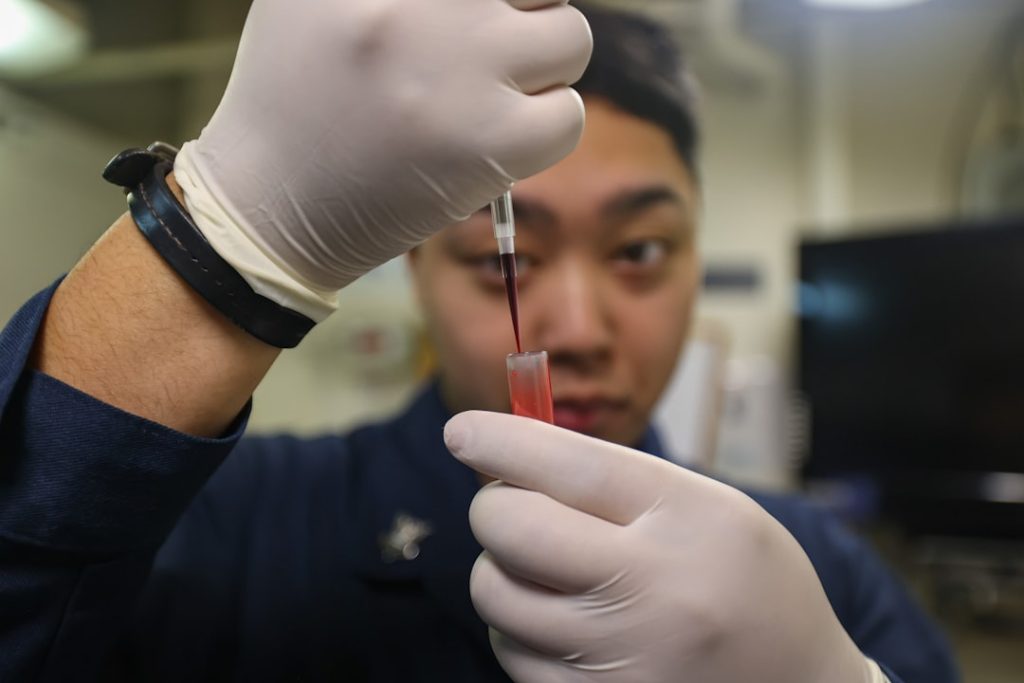
Contract Research Organizations (CROs) serve as critical facilitators in the complex ecosystem of drug development. Their function is to provide outsourced research services to pharmaceutical, biotechnology, and medical device industries. This encompasses a broad spectrum of activities, from early-stage discovery and preclinical testing to all phases of clinical trials and post-market surveillance. The motivations for companies to engage CROs are varied, often stemming from needs for specialized expertise, cost-efficiency, scalability, and accelerated timelines. CROs, like finely tuned instruments, enable sponsors to navigate the intricate labyrinth of regulatory requirements and scientific protocols that govern the introduction of new medical interventions.
The Landscape of Clinical Research
The journey of a new drug or therapy from concept to patient bedside is protracted and resource-intensive. It is characterized by sequential phases, each designed to answer specific questions about safety and efficacy. Preclinical research, conducted in laboratories and animal models, precedes human trials. Phase I trials focus on safety in a small cohort of healthy volunteers. Phase II expands to a larger patient group to assess efficacy and further safety. Phase III involves extensive patient populations to confirm effectiveness, monitor side effects, and compare with existing treatments. Finally, Phase IV trials continue post-marketing surveillance to gather additional information on long-term safety and optimal use. Each of these phases presents unique logistical and scientific challenges, making the coordinated effort of a specialized organization particularly valuable.
Regulatory Oversight and Ethical Considerations

The conduct of clinical trials is stringently regulated by national and international bodies, such as the U.S. Food and Drug Administration (FDA), the European Medicines Agency (EMA), and the Pharmaceuticals and Medical Devices Agency (PMDA) in Japan. These regulations are designed to protect research participants and ensure the integrity and reliability of scientific data. Adherence to Good Clinical Practice (GCP) guidelines is paramount, encompassing ethical principles, scientific quality standards, and detailed documentation. CROs are instrumental in ensuring that trials are conducted in accordance with these rigorous standards, thereby safeguarding the welfare of participants and the validity of research outcomes.
DM Clinical Research: A Profile in Clinical Trial Management
DM Clinical Research operates within this intricate framework, positioning itself as a multispecialty network of clinical research sites. Its operational model centers on the execution of clinical trials across various therapeutic areas. The organization functions as a bridge between pharmaceutical sponsors seeking to test their investigative products and patient populations willing to participate in research. DM Clinical Research contributes to the overall speed and efficiency of the drug development pipeline by providing dedicated infrastructure, experienced personnel, and streamlined processes.
Operational Structure and Site Network

DM Clinical Research manages a network of research sites, which are the frontline outposts where clinical trials are actually conducted. Each site is equipped to recruit, screen, enroll, and monitor study participants according to protocol specifications. The organizational structure supports centralized management while allowing for localized execution. This decentralized yet coordinated approach aims to optimize patient recruitment and data collection. The establishment of dedicated research sites is a deliberate strategy to create environments optimized for clinical trial conduct, separate from routine clinical practice, though often affiliated with healthcare providers.
Therapeutic Area Expertise
The scope of clinical research is vast, extending across numerous disease states and medical specialties. DM Clinical Research typically engages in trials spanning a range of therapeutic areas. This breadth of involvement allows them to accumulate experience in diverse medical conditions, from chronic diseases to acute illnesses, and across various patient demographics. Such specialized knowledge is critical for understanding the nuances of particular patient populations and the specific challenges associated with studying different medical interventions. For instance, a trial for a new oncology drug will present different considerations than one for a novel cardiovascular treatment.
Patient Recruitment and Enrollment Strategies

A persistent challenge in clinical research is the recruitment and retention of eligible patients. Without sufficient participant numbers, trials cannot generate the statistical power necessary to draw meaningful conclusions. DM Clinical Research, like other CROs managing research sites, employs strategies to address this critical bottleneck. Effective recruitment is the initial ignition of the research engine; without it, the entire process stalls.
Community Outreach and Investigator Networks
One primary avenue for patient identification involves leveraging existing relationships with physicians and healthcare providers who may identify suitable candidates from their patient panels. Community outreach programs, often in conjunction with local medical centers and patient advocacy groups, also serve to raise awareness about ongoing trials and provide information to potential participants. These efforts aim to disseminate information widely, reaching individuals who might benefit from or be interested in participating in research.
Technology-Assisted Recruitment and Screening
The integration of technology plays an increasingly significant role in enhancing recruitment efficiency. Electronic health records (EHRs) can be utilized to identify potential candidates based on predefined inclusion and exclusion criteria, though data privacy and consent protocols must be meticulously followed. Online platforms and social media campaigns also provide avenues for reaching broader audiences and prescreening interested individuals. Such technological tools act as magnifiers, extending the reach of recruitment efforts beyond traditional methods.
Participant Engagement and Retention
Beyond initial recruitment, retaining participants throughout the duration of a study is crucial for data completeness and statistical validity. Strategies typically include clear communication, regular follow-up, convenient scheduling, and addressing participant questions and concerns promptly. A positive participant experience often translates to better adherence to protocol and reduced dropout rates. This relationship-building aspect is as vital as the initial recruitment, forming the unseen scaffolding that supports the integrity of the collected data.
Data Management and Quality Assurance in Clinical Trials

The reliability of clinical trial data is paramount. Errors or inconsistencies can invalidate an entire study, potentially delaying or derailing the development of promising therapies. DM Clinical Research, in its capacity as a research site network, assumes responsibility for the accurate and timely collection, management, and submission of data.
Electronic Data Capture (EDC) Systems
The transition from paper-based case report forms (CRFs) to Electronic Data Capture (EDC) systems has significantly streamlined data management. EDC systems allow for direct entry of data at the source, facilitating real-time data validation checks and reducing transcription errors. These systems also enable remote monitoring by sponsors, offering a more efficient oversight mechanism. The implementation of robust EDC systems is akin to building a resilient bridge, allowing for the smooth and secure flow of information.
Quality Control and Monitoring Procedures
Maintaining data quality involves a multi-layered approach. Source data verification (SDV), where data entered into the EDC system is compared against original patient records, is a fundamental quality control step. Site monitoring visits by clinical research associates (CRAs) from the sponsor or another CRO are conducted regularly to ensure protocol adherence, data accuracy, and regulatory compliance. Internal quality assurance programs within DM Clinical Research further complement these external monitoring efforts, creating a comprehensive safety net for data integrity.
Regulatory Compliance and Auditing
The data generated from clinical trials must withstand scrutiny from regulatory authorities. DM Clinical Research, like all entities involved in regulated research, must maintain meticulous documentation and be prepared for potential audits. This involves adhering to Good Documentation Practice (GDP) and maintaining a complete audit trail of all study-related activities. Successful audits are a testament to the organizational rigor and commitment to regulatory standards.
Advancing Medical Innovation through Site-Based Research
| Metric | Description | Value | Unit |
|---|---|---|---|
| Number of Clinical Trials | Total clinical trials conducted in diabetes mellitus (DM) research | 1,250 | Trials |
| Average Trial Duration | Mean length of DM clinical trials from start to completion | 18 | Months |
| Patient Enrollment | Average number of patients enrolled per DM clinical trial | 350 | Patients |
| Primary Endpoint Achievement Rate | Percentage of DM trials meeting their primary endpoints | 65 | Percent (%) |
| Common Study Phases | Most frequent phases in DM clinical research | Phase II and Phase III | N/A |
| Top Investigational Drug Classes | Most studied drug classes in DM clinical trials | GLP-1 receptor agonists, SGLT2 inhibitors | N/A |
| Adverse Event Rate | Percentage of patients experiencing adverse events in DM trials | 22 | Percent (%) |
| Geographic Distribution | Regions with highest DM clinical research activity | North America, Europe, Asia | N/A |
DM Clinical Research’s operational model, centered on managing a network of research sites, contributes directly to the progression of medical innovation. By efficiently executing clinical trials, they help transform scientific hypotheses into validated treatments. Their role streamlines the process of gathering evidence necessary for regulatory approval, thereby accelerating the availability of new medicines and devices to patient populations.
Accelerating Drug Development Timelines
The efficiency with which clinical trials are conducted has a direct impact on the overall timeline of drug development. By optimizing patient recruitment, maintaining high data quality, and adhering to aggressive timelines, DM Clinical Research contributes to reducing the time it takes for investigational products to move from research benches to clinical practice. This acceleration is crucial, as every delay can defer patient access to potentially life-saving or life-improving therapies. The organization acts as a catalyst, speeding up the chemical reactions of discovery and validation.
Contributing to Scientific Knowledge
Beyond the immediate goal of bringing new therapies to market, clinical research generates a vast trove of scientific data. This data contributes to a deeper understanding of disease mechanisms, drug pharmacology, and patient responses. DM Clinical Research, by facilitating the collection of this data, is an integral part of this collective scientific endeavor. The aggregate of these studies forms the bedrock of medical knowledge, informing future research and clinical practice.
Enhancing Patient Access to Novel Therapies
For patients, participation in clinical trials can offer access to investigational treatments before they are widely available. This is particularly significant for individuals with conditions for which existing therapies are inadequate or non-existent. DM Clinical Research, through its site network, expands the geographical and demographic reach of clinical trials, potentially offering new hope and treatment options to a broader patient population. This direct engagement with patients on the front lines of research underscores the societal impact of their work.
