

Clinical research in nursing is a systematic inquiry designed to generate knowledge relevant to nursing practice, education, and administration. It encompasses a wide range of methodologies, from basic science to complex clinical trials, all aimed at improving patient outcomes and the healthcare system as a whole. This field is not merely an academic pursuit; it is a critical engine driving advancements in how care is delivered, understood, and optimized.
Evidence-based practice (EBP) is a cornerstone of modern healthcare. It integrates the best available research evidence with clinical expertise and patient values to guide decision-making. Nursing clinical research serves as the primary source of this evidence. Without robust research, nursing practice would remain static, relying on tradition or anecdotal experience rather than validated interventions. Think of EBP as a compass, and clinical research as the cartographer mapping the terrain of effective care.
Identifying Clinical Gaps

Clinical research often begins with identifying gaps in current knowledge or practice. These gaps can manifest as:
- Unresolved patient symptoms: Persistent pain, nausea, or fatigue despite standard treatments.
- Ineffective interventions: Practices that do not consistently yield desired outcomes.
- Lack of standardized protocols: Variation in care delivery without clear best practices.
- Emerging health challenges: New diseases or population health trends requiring novel approaches.
Researchers observe these gaps, formulate questions, and design studies to seek answers. This process is iterative; findings from one study often lead to new questions and further investigation.
Generating New Knowledge

The primary output of clinical research is new knowledge. This knowledge can take various forms:
- Discovery of new interventions: Developing and testing novel treatment modalities, such as specific exercises for neurological conditions or targeted educational programs for chronic disease management.
- Validation of existing practices: Confirming the efficacy and safety of current nursing interventions through rigorous study, thereby strengthening their evidence base.
- Understanding patient experiences: Exploring the lived experiences of patients with various conditions, providing insights into their needs, challenges, and preferences.
- Development of assessment tools: Creating and validating instruments to accurately measure patient symptoms, functional status, or quality of life.
This knowledge accumulation acts as a scaffolding, allowing nursing practice to build upon a solid foundation rather than being a house of cards reliant on assumption.
Methodologies in Nursing Research
The landscape of nursing clinical research employs a diverse array of methodologies, each suited to different types of questions. The choice of methodology is crucial for ensuring the validity and reliability of findings.
Quantitative Research
Quantitative research focuses on numerical data and statistical analysis to test hypotheses and establish relationships between variables. Common quantitative approaches include:
- Randomized Controlled Trials (RCTs): Considered the gold standard for evaluating interventions, RCTs involve randomly assigning participants to an intervention group or a control group to compare outcomes.
- Cohort Studies: Following a group of individuals over time to observe the development of outcomes in relation to specific exposures or characteristics.
- Case-Control Studies: Comparing individuals with a particular outcome (cases) to individuals without the outcome (controls) to identify risk factors.
- Cross-Sectional Studies: Collecting data at a single point in time to assess the prevalence of a condition or characteristics within a population.
- Quasi-Experimental Designs: Similar to RCTs but without random assignment, often used when randomisation is not feasible or ethical.
Quantitative methods provide a robust framework for establishing cause-and-effect relationships or associations, allowing for generalizations to larger populations.
Qualitative Research
Qualitative research aims to understand the nuanced experiences, perspectives, and meanings attributed to phenomena by individuals. It explores the “why” and “how” rather than just the “what.” Key qualitative approaches include:
- Phenomenology: Exploring the lived experiences of individuals regarding a particular phenomenon, such as the experience of chronic pain or family caregiving.
- Grounded Theory: Developing a theory directly from empirical data, often used to understand social processes or interactions.
- Ethnography: Immersing the researcher in a particular cultural group to understand their beliefs, practices, and perspectives.
- Narrative Inquiry: Studying the stories individuals tell about their lives and experiences to understand meaning and identity.
- Case Studies: In-depth investigation of a single individual, group, or event to gain a comprehensive understanding of a complex situation.
Qualitative research provides rich, descriptive data that can offer deep insights into human behavior and perceptions, often informing the development of quantitative hypotheses.
Mixed Methods Research
Mixed methods research integrates both quantitative and qualitative approaches within a single study. This allows researchers to leverage the strengths of both paradigms, providing a more comprehensive understanding of complex phenomena. For example, a study might use quantitative data to measure the effectiveness of an intervention and qualitative data to explore patients’ experiences with that intervention. This triangulation of data sources can strengthen the validity of findings and offer a fuller picture, like viewing a landscape through both a microscope and a telescope.
Impact on Clinical Practice and Patient Outcomes

The ultimate goal of clinical research in nursing is to translate findings into tangible improvements in patient care. This translation process is not always immediate or straightforward but is essential for healthcare progress.
Guiding Best Practices
Research findings inform the development and revision of clinical practice guidelines. These guidelines provide evidence-based recommendations for the management of various conditions, standardizing care and reducing unwarranted variation. For example, research might demonstrate the effectiveness of specific wound care protocols, leading to their widespread adoption in clinical settings.
Enhancing Patient Safety
Many nursing research initiatives focus on identifying and mitigating risks to patient safety. Studies examining medication errors, falls, healthcare-associated infections, or communication breakdowns contribute to the development of strategies and interventions to prevent adverse events. This vigilance acts as a protective shield, safeguarding patients during their most vulnerable moments.
Improving Patient Experience and Quality of Life
Beyond addressing direct medical outcomes, nursing research often explores the impact of care on patients’ overall experience and quality of life. This includes research on pain management, symptom relief, emotional support, patient education, and adherence to treatment regimens. Findings from these studies help nurses provide holistic care that addresses not only physical needs but also psychological and social well-being.
Advancing Nursing Education
The knowledge generated through clinical research directly impacts nursing education curricula. New evidence informs what is taught to future nurses, ensuring they are equipped with the most current and effective practices. This fosters a culture of lifelong learning and evidence-based decision-making from the outset of a nurse’s career.
Informing Health Policy
Clinical research can also influence healthcare policy at local, national, and international levels. Findings related to the effectiveness of specific interventions, the cost-effectiveness of nursing services, or the impact of nursing shortages can provide data to policymakers, guiding decisions that shape healthcare delivery and resource allocation.
Ethical Considerations in Nursing Research
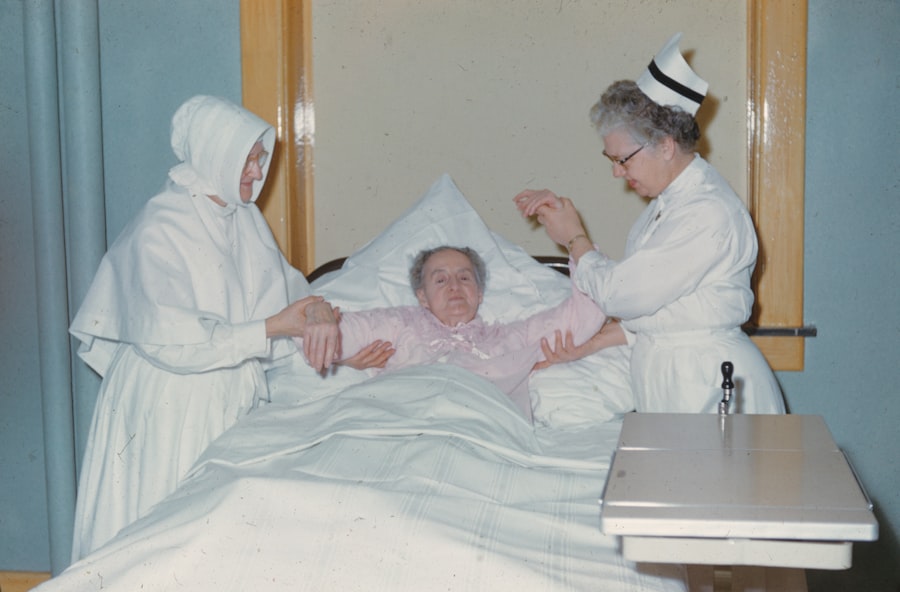
Ethical conduct is paramount in all clinical research, especially when working with human subjects. Nurses involved in research have a profound responsibility to protect the rights and well-being of participants.
Informed Consent
Participants must voluntarily agree to participate in a study after receiving a comprehensive explanation of its purpose, procedures, potential risks, and benefits. This is not a mere signature but a process of ensuring genuine understanding. Researchers must ensure that consent is truly informed, free from coercion, and that participants can withdraw at any time without penalty.
Confidentiality and Anonymity
Researchers are obligated to protect the privacy of participants’ data. Confidentiality means that identifying information is not shared, while anonymity means that even the researchers cannot link data to individual participants. Secure data storage, de-identification techniques, and strict access protocols are essential to upholding these principles.
Risk-Benefit Ratio
All research studies involve some level of risk. Researchers must carefully assess the potential risks to participants (e.g., physical discomfort, psychological distress, breach of privacy) against the potential benefits of the study (e.g., improved knowledge, direct benefit to participants). The potential benefits must outweigh the risks. This is a delicate balance, like walking a tightrope between scientific discovery and human protection.
Vulnerable Populations
Special ethical considerations apply when conducting research with vulnerable populations, such as children, individuals with cognitive impairments, prisoners, or those who are economically disadvantaged. These groups may have limited autonomy or be more susceptible to coercion. Researchers must implement additional safeguards to protect their rights and welfare.
Institutional Review Boards (IRBs)
Before any research involving human subjects can commence, it must be reviewed and approved by an Institutional Review Board (IRB) or an equivalent ethics committee. IRBs are independent bodies responsible for ensuring that research proposals adhere to ethical guidelines and protect participants’ rights. Their oversight serves as a crucial ethical firewall.
Future Directions and Challenges
| Metric | Description | Typical Value/Range | Importance in Clinical Research |
|---|---|---|---|
| Sample Size | Number of nursing participants or patients enrolled in a study | 30 – 500+ | Determines statistical power and validity of results |
| Study Duration | Length of time over which the clinical research is conducted | 3 months – 5 years | Impacts data collection and outcome measurement |
| Patient Recruitment Rate | Number of patients enrolled per month | 5 – 50 patients/month | Affects timeline and feasibility of the study |
| Retention Rate | Percentage of participants who complete the study | 70% – 95% | Ensures data completeness and reliability |
| Adverse Event Rate | Frequency of negative side effects or complications | Varies by intervention; typically 1% – 10% | Critical for assessing safety of nursing interventions |
| Data Collection Methods | Techniques used to gather clinical data (e.g., surveys, observations) | Qualitative & Quantitative methods | Influences accuracy and depth of research findings |
| Outcome Measures | Variables used to assess effectiveness (e.g., pain scores, recovery time) | Varies by study focus | Determines success and impact of nursing interventions |
| Ethical Approval Time | Time taken to obtain Institutional Review Board (IRB) approval | 1 – 6 months | Necessary for compliance and participant protection |
The field of clinical research in nursing continues to evolve, adapting to new technologies, changing demographics, and emerging health challenges.
Harnessing Technology and Data Analytics
The increasing availability of large datasets, electronic health records, and wearable technology presents both opportunities and challenges. Nurses are at the forefront of leveraging these resources to conduct “big data” research, identify patterns, and personalize care. However, ensuring data privacy and developing the skills to manage and interpret complex data are ongoing challenges.
Precision Health and Personalized Nursing Care
The move towards precision health, tailoring interventions based on an individual’s genetics, lifestyle, and environment, is also influencing nursing research. Nurses are exploring how to apply these principles to develop personalized care plans, optimize health promotion strategies, and manage chronic conditions more effectively.
Global Health Challenges
Nursing research plays a vital role in addressing global health challenges, such as infectious diseases, maternal and child mortality, and health disparities. Collaborative international research initiatives are crucial for developing context-specific interventions and sharing best practices across diverse settings. This requires navigating cultural differences, resource limitations, and varying ethical frameworks.
Interdisciplinary Collaboration
Complex health problems often require interdisciplinary solutions. Nursing researchers are increasingly collaborating with professionals from medicine, public health, social work, engineering, and other fields. These collaborations foster innovation and lead to more comprehensive, patient-centered approaches to care. Breaking down disciplinary silos is essential for a holistic understanding of health.
Funding and Resource Allocation
Securing adequate funding and resources remains a persistent challenge for nursing research. Competition for grants is fierce, and the time and expertise required for rigorous research are substantial. Advocacy for increased investment in nursing research is crucial to sustain its growth and impact.
In conclusion, clinical research in nursing is a dynamic and essential field that underpins evidence-based practice, drives innovation, and ultimately improves the health and well-being of individuals and communities. As a reader, understanding its methodologies, ethical underpinnings, and ultimate impact allows for an informed appreciation of the advancements in healthcare. The continual pursuit of knowledge through rigorous inquiry is not merely an academic exercise; it is a fundamental pillar upon which the future of nursing care rests.
