

Clinical nurse research forms a cornerstone of modern healthcare advancement, representing the systematic inquiry into nursing practice and its outcomes. This field moves beyond anecdotal evidence, employing rigorous methodologies to generate empirical knowledge that informs clinical decision-making, refines patient care protocols, and ultimately, shapes health policy. It is a critical engine driving improvement, ensuring that nursing interventions are not only compassionate but also evidence-based and effective.
Evidence-based practice (EBP) is a core tenet of contemporary healthcare. It mandates that clinical decisions are informed by the best available research evidence, alongside clinical expertise and patient values. Clinical nurse research plays an indispensable role in populating this evidence base. Without robust nursing-specific research, many aspects of patient care would lack empirical validation, relying instead on tradition or individual discretion.
Generating New Knowledge

Clinical nurse researchers design and execute studies to explore diverse phenomena within nursing. This can range from investigating the effectiveness of new wound care techniques to understanding the psychosocial impact of chronic illness. Through systematic observation, data collection, and analysis, they uncover relationships, identify patterns, and ultimately build a body of knowledge unique to the nursing profession. This new knowledge is then disseminated through peer-reviewed publications, conferences, and clinical guidelines, making it accessible to practitioners.
Validating Existing Practices
Beyond generating new insights, clinical nurse research also critically evaluates existing nursing practices. Many long-standing interventions, while seemingly effective, may lack rigorous scientific validation. Researchers may conduct comparative studies to determine if alternative approaches yield superior outcomes, or if certain practices are less effective or even potentially harmful. This process of validation and refinement is crucial for ensuring that patients receive care that is not only current but also optimally beneficial.
Improving Patient Outcomes and Safety

The ultimate aim of clinical nurse research is to enhance patient well-being. By providing empirical support for effective interventions and identifying areas for improvement, it directly contributes to better health outcomes and a safer healthcare environment.
Enhancing Quality of Care
Research into areas such as pain management, symptom control, and patient education directly translates into improved comfort and understanding for patients. For example, studies on different approaches to pain assessment and intervention have led to the development of standardized pain scales and evidence-based protocols that enable nurses to more accurately gauge and alleviate patient suffering. Similarly, research on patient education strategies empowers individuals to better manage their conditions, leading to fewer complications and improved adherence to treatment plans.
Reducing Medical Errors
Patient safety is a paramount concern in healthcare. Clinical nurse research actively contributes to reducing medical errors through various avenues. This includes studies on medication administration errors, fall prevention strategies, and communication breakdowns within interdisciplinary teams. By identifying the root causes of errors and testing innovative solutions, researchers equip nurses with tools and knowledge to proactively mitigate risks. For instance, research on medication reconciliation processes has demonstrably reduced adverse drug events by ensuring accurate medication lists across care transitions.
Optimizing Resource Utilization
Healthcare resources are finite. Clinical nurse research also plays a role in optimizing their utilization. Studies comparing the effectiveness and cost-effectiveness of different nursing interventions can guide healthcare administrators in making informed decisions about resource allocation. This ensures that resources are directed towards interventions that yield the greatest benefit for patients, without compromising quality of care. It’s a delicate balance, and research provides the data to inform these critical decisions.
Shaping Healthcare Policy and Education

The impact of clinical nurse research extends beyond direct patient care, influencing the broader landscape of healthcare policy and professional education.
Informing Policy Decisions
Research findings provide the evidence base necessary for policymakers to make informed decisions about healthcare legislation, funding, and regulations. For instance, studies demonstrating the positive impact of nurse-led clinics on chronic disease management can influence policy decisions to expand such models of care. Similarly, research on staffing ratios and patient outcomes can contribute to guidelines that ensure adequate nursing levels in healthcare facilities. The data generated through research acts as a powerful voice in shaping the future direction of healthcare.
Advancing Nursing Education
Nursing education is continually evolving, driven in part by advancements in clinical nurse research. Research findings are integrated into nursing curricula, ensuring that future generations of nurses are equipped with the most current, evidence-based knowledge and skills. This includes not only teaching the latest clinical techniques but also fostering a spirit of inquiry and critical thinking, encouraging nurses to be lifelong learners and active participants in generating new knowledge.
Elevating the Nursing Profession
By conducting rigorous research, nurses demonstrate their intellectual capacity and their commitment to advancing healthcare through scientific inquiry. This contributes to the professionalization of nursing, elevating its standing as a science-based discipline alongside medicine and other health professions. It showcases the unique contributions of nursing to patient care and validates the expertise of nurses as crucial members of the healthcare team.
Methodological Rigor in Nurse Research
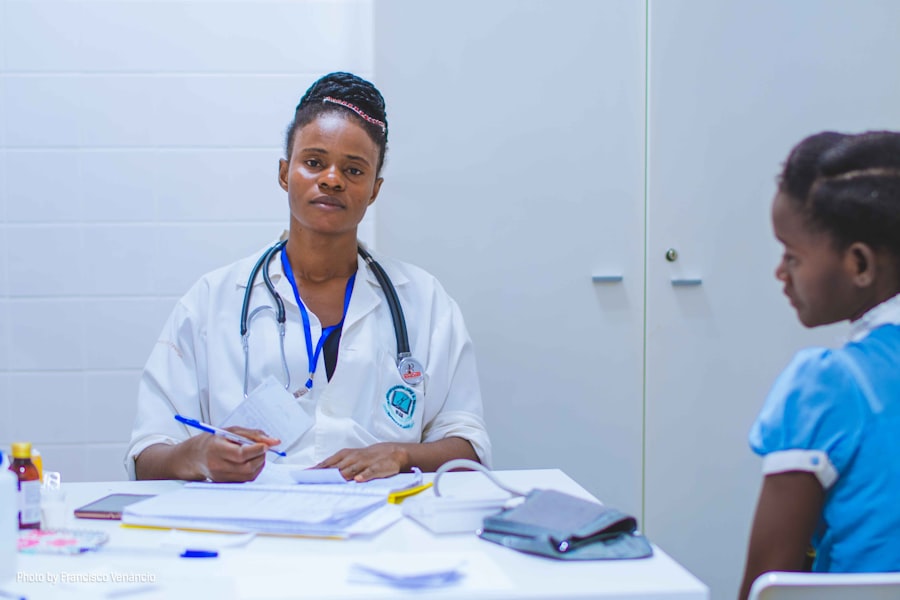
The credibility and impact of clinical nurse research hinge upon its methodological rigor. Researchers employ a diverse array of methodologies, each suited to specific research questions.
Quantitative Research Approaches
Quantitative research focuses on measurable variables and uses statistical analysis to identify relationships and test hypotheses. This includes:
- Randomized Controlled Trials (RCTs): Considered the gold standard for evaluating interventions, RCTs randomly assign participants to an intervention group or a control group, minimizing bias and allowing for strong conclusions about cause and effect. For example, an RCT might compare two different wound dressing protocols to determine which leads to faster healing times.
- Cohort Studies: These observational studies follow a group of individuals over time to investigate the development of a particular outcome. A nurse researcher might follow a cohort of patients after discharge to assess their adherence to medication regimens and its impact on readmission rates.
- Case-Control Studies: These studies compare individuals with a particular outcome (cases) to individuals without the outcome (controls) to identify risk factors. For instance, a researcher might compare patients who developed hospital-acquired infections to those who did not, to identify contributing nursing care factors.
- Surveys and Descriptive Studies: These methods gather data on prevalence, characteristics, or attitudes within a population. A survey might assess nurses’ perceptions of workload and its impact on patient safety.
Qualitative Research Approaches
Qualitative research explores complex phenomena from the perspective of individuals or groups, providing rich, in-depth understanding. This includes:
- Phenomenology: This approach seeks to understand the lived experiences of individuals. A phenomenological study might explore the experience of living with a chronic illness from the patient’s viewpoint.
- Ethnography: This methodology involves immersing oneself in a cultural group to understand their beliefs, practices, and behaviors. An ethnographic study could explore the cultural context of health and illness within a specific community.
- Grounded Theory: This approach aims to develop a theory from systematically collected and analyzed data. A grounded theory study might develop a theory explaining how nurses make ethical decisions in complex clinical situations.
- Narrative Inquiry: This method focuses on collecting and analyzing personal stories and narratives to understand individual experiences and perspectives.
Mixed Methods Research
Increasingly, researchers employ mixed methods designs, combining both quantitative and qualitative approaches. This provides a more comprehensive understanding of complex phenomena, leveraging the strengths of each methodology. For example, a mixed methods study might use a quantitative survey to assess the prevalence of burnout among nurses, followed by qualitative interviews with a subset of nurses to gain a deeper understanding of the factors contributing to their burnout experience.
The Future of Clinical Nurse Research
| Metric | Description | Typical Value/Range | Importance |
|---|---|---|---|
| Number of Clinical Trials Participated | Total clinical trials a nurse researcher has contributed to | 5 – 20 trials per year | Indicates experience and involvement in research |
| Patient Recruitment Rate | Percentage of eligible patients enrolled in studies | 60% – 90% | Measures effectiveness in enrolling participants |
| Data Collection Accuracy | Percentage of error-free data entries | 95% – 99% | Ensures reliability of research data |
| Research Publication Count | Number of peer-reviewed articles published | 2 – 10 per year | Reflects contribution to scientific knowledge |
| Grant Funding Secured | Amount of research funding obtained | Varies widely | Supports research activities and resources |
| Continuing Education Hours | Hours spent on research-related training annually | 20 – 40 hours | Maintains up-to-date knowledge and skills |
| Patient Safety Incident Rate | Incidents related to research procedures | Less than 1% | Critical for ethical and safe research conduct |
The landscape of healthcare is in constant flux, presenting both challenges and opportunities for clinical nurse research. As technology advances and healthcare systems evolve, so too must the focus and methods of nursing inquiry.
Embracing Technological Advancements
Innovations such as artificial intelligence (AI), machine learning, big data analytics, and wearable sensors are transforming healthcare. Clinical nurse researchers are increasingly leveraging these technologies to collect and analyze data, identify patterns, and develop new interventions. For example, AI algorithms can assist in predicting patient deterioration, allowing nurses to intervene proactively. Wearable sensors can monitor vital signs and activity levels in real-time, providing valuable data for managing chronic conditions.
Addressing Health Disparities
A critical area of focus for future research involves addressing health disparities and promoting health equity. Clinical nurse researchers are uniquely positioned to investigate social determinants of health, cultural influences on health behaviors, and the impact of systemic inequalities on patient outcomes. By understanding these complex factors, they can develop culturally sensitive and equitable interventions that aim to reduce health disparities across diverse populations.
Focus on Patient Engagement and Experience
The emphasis on patient-centered care continues to grow. Future research will likely place greater emphasis on patient engagement in research design, ensuring that research questions are relevant to patient needs and preferences. Furthermore, studies exploring the patient experience, shared decision-making, and the impact of nursing care on patient satisfaction will continue to be vital in shaping compassionate and effective healthcare delivery.
Interdisciplinary Collaboration
Complex health issues often require interdisciplinary solutions. Clinical nurse research will increasingly involve collaboration with other healthcare professionals, including physicians, pharmacists, social workers, and data scientists. This collaborative approach fosters a holistic understanding of patient needs and enables the development of comprehensive, integrated interventions.
In conclusion, clinical nurse research is not merely an academic exercise; it is an active and dynamic force propelling healthcare forward. It serves as a compass, guiding nursing practice towards evidence-based excellence, and a magnifying glass, illuminating areas for improvement in patient care and safety. By diligently pursuing systematic inquiry, clinical nurse researchers construct the blueprints for a healthier future, ensuring that the care individuals receive is informed, effective, and continually evolving. As you navigate the healthcare system, be aware that behind many of the protocols and practices you encounter, there lies a foundation of rigorous nursing research aimed at optimizing your well-being.
