

Clinical research in nursing forms a bedrock for evidence-based practice, shaping how healthcare professionals deliver care. This article explores the multifaceted impact of nursing research on patient outcomes, care methodologies, and the broader healthcare landscape.
Evidence-based practice (EBP) is the judicious integration of clinical expertise, patient values, and the best available external clinical evidence. It serves as a guiding principle in modern healthcare, ensuring that interventions are grounded in demonstrated efficacy rather than tradition or anecdote. Clinical nursing research provides the engine for EBP.
From Observation to Intervention

Nurses are uniquely positioned at the forefront of patient care, observing nuances and identifying areas for improvement that might elude other disciplines. These observations frequently catalyze research questions. For example, a nurse noticing recurring complications with a specific wound dressing might initiate a study comparing its efficacy to an alternative. This investigative process moves beyond mere observation, translating clinical curiosity into structured inquiry that can lead to refined clinical protocols.
Driving Protocol Development
Research findings directly influence the creation and revision of clinical protocols and guidelines. These standardized procedures aim to optimize patient safety and care quality. When a randomized controlled trial demonstrates the superiority of a particular pain management strategy in post-operative recovery, that evidence informs updated hospital protocols, ensuring consistent application of the most effective approach. This iterative process, where research informs practice and practice in turn generates new research questions, is fundamental to continuous improvement.
Enhancing Patient Safety and Outcomes

Patient safety is a paramount concern in healthcare. Clinical nursing research plays a critical role in identifying risks, developing mitigation strategies, and ultimately improving patient outcomes.
Reducing Medical Errors
Medical errors are a significant cause of preventable harm. Nursing research frequently investigates factors contributing to these errors, such as medication administration discrepancies, communication breakdowns, or patient handoff failures. Studies might explore the effectiveness of barcode medication scanning systems in reducing errors or evaluate the impact of standardized communication tools like SBAR (Situation, Background, Assessment, Recommendation) on critical information transfer. The insights gained from these studies directly inform safety initiatives within healthcare institutions, like fortifying a dam against potential breaches.
Optimizing Disease Management
For individuals living with chronic conditions, effective disease management is crucial for maintaining quality of life and preventing complications. Nursing research delves into various aspects of chronic disease care, from self-management strategies to adherence to treatment regimens. For instance, research on diabetes education programs can identify elements that lead to better glycemic control and fewer hospitalizations. Similarly, studies on palliative care interventions can improve comfort and dignity for patients facing life-limiting illnesses. This research acts as a compass, guiding patients and providers through the complex terrain of long-term health management.
Improving Patient Experience
Beyond clinical efficacy, the patient experience significantly impacts overall well-being and satisfaction. Nursing research often explores aspects of care that directly influence how patients perceive their treatment. This includes investigations into communication styles, pain management effectiveness from the patient’s perspective, or the impact of environmental factors on recovery. A study demonstrating that a quiet hospital environment improves sleep quality and reduces anxiety for cardiac patients can lead to tangible changes in hospital design and policy. These subtle but impactful interventions can transform a sterile environment into one that fosters healing.
Shaping Nursing Interventions and Care Delivery Models
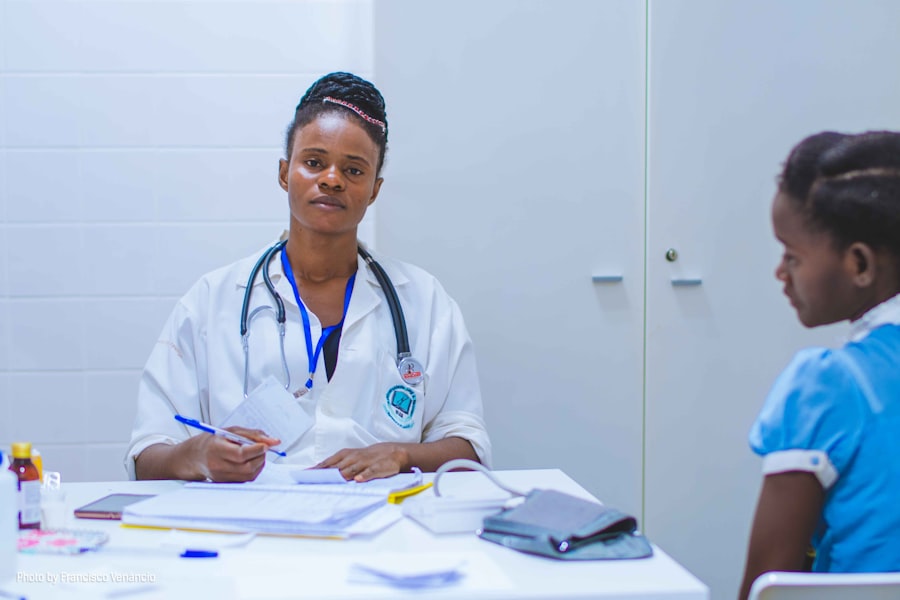
Clinical nursing research is instrumental in refining existing nursing interventions and pioneering new models of care delivery.
Refining Existing Interventions
Many established nursing practices, while seemingly effective, can be further optimized through rigorous research. For example, a common intervention like repositioning patients to prevent pressure injuries can be enhanced by research exploring optimal turning schedules, specialized support surfaces, or the efficacy of different skin emollients. Such studies refine the details, much like a master craftsman hones a tool, making it sharper and more effective. Researchers might investigate the ideal frequency of vital sign monitoring in specific patient populations or the most effective techniques for teaching self-injection to insulin-dependent diabetics.
Developing Novel Approaches to Care
Nursing research is not limited to incremental improvements; it also drives innovation. Nurse researchers may develop entirely new models of care, particularly in areas like community health nursing, telehealth, or integrated care for complex populations. A study might evaluate the effectiveness of a nurse-led chronic disease management program delivered via telehealth, offering a new avenue for accessibility and patient engagement. This often involves piloting new interventions and rigorously testing their effectiveness, expanding the very frontiers of care. Imagine building a bridge to a previously inaccessible island of healthcare.
Impact on Patient Education
Patient education is a core component of nursing practice, empowering individuals to take an active role in their health. Research in this area examines effective teaching strategies, the impact of health literacy on learning outcomes, and the development of accessible educational materials. A study demonstrating that visual aids improve medication adherence in an elderly population could lead to the widespread adoption of such tools. This strengthens the patient’s ability to navigate their health journey, equipping them with knowledge as their shield and sword.
Advancing Nursing Professionalism and Education

Clinical research in nursing extends beyond direct patient care, influencing the very identity and development of the nursing profession.
Elevating the Profession
When nurses engage in rigorous research, they contribute to the scientific body of knowledge, enhancing the credibility and scientific standing of the profession. This move beyond purely anecdotal evidence or customary practice fosters a culture of inquiry and critical thinking. It showcases nursing as an intellectual discipline, capable of generating evidence and leading healthcare innovation, rather than simply following directives. This elevation is akin to a craft becoming an art, practiced with expertise and informed by deep understanding.
Informing Nursing Education Curricula
The findings from clinical nursing research directly influence nursing education. Baccalaureate, master’s, and doctoral programs incorporate the latest evidence to ensure graduates are equipped with current best practices. For instance, if research consistently demonstrates the benefits of early ambulation after surgery, this knowledge is integrated into surgical nursing curricula. Moreover, nursing education itself becomes a subject of research, with studies investigating effective pedagogical approaches and competency development. This continuous feedback loop ensures that the next generation of nurses is prepared to practice evidence-based care.
Promoting Critical Thinking Skills
Engaging with clinical research cultivates critical thinking skills among nurses. Understanding research methodologies, appraising evidence, and interpreting findings are essential components of EBP. This process encourages nurses to question existing practices, evaluate new information skeptically, and make informed decisions, rather than simply accepting information at face value. This intellectual rigor sharpens the mind, making nurses more astute clinicians and problem-solvers.
Addressing Healthcare Disparities and Global Health
| Metric | Description | Typical Value/Range | Importance in Clinical Research |
|---|---|---|---|
| Sample Size | Number of nursing participants or patients enrolled in a study | 30 – 500+ | Determines statistical power and validity of results |
| Study Duration | Length of time over which the clinical research is conducted | 3 months – 5 years | Impacts data collection and outcome measurement |
| Patient Recruitment Rate | Number of patients enrolled per month | 5 – 50 patients/month | Affects timeline and feasibility of the study |
| Retention Rate | Percentage of participants who complete the study | 70% – 95% | Ensures data completeness and reliability |
| Adverse Event Rate | Frequency of negative side effects or complications | Varies by intervention; typically 1% – 10% | Critical for assessing safety of nursing interventions |
| Data Collection Methods | Techniques used to gather clinical data (e.g., surveys, observations) | Qualitative & Quantitative methods | Influences accuracy and depth of findings |
| Outcome Measures | Variables used to assess effectiveness (e.g., pain scores, recovery time) | Varies by study focus | Determines clinical relevance and impact |
| Ethical Approval Rate | Percentage of studies approved by Institutional Review Boards (IRB) | Near 100% | Ensures protection of participant rights and safety |
Clinical nursing research plays a vital role in identifying, understanding, and mitigating healthcare disparities, both locally and globally.
Uncovering Health Inequities
Research conducted by nurses frequently highlights disparities in health outcomes across different demographic groups, socioeconomic strata, or geographic locations. For example, a study might reveal higher rates of uncontrolled hypertension in a specific underserved community, prompting further investigation into the social determinants of health contributing to this disparity. These investigations often involve qualitative methods, giving voice to marginalized populations and shedding light on the systemic barriers they face. This process acts as a searchlight, illuminating shadowed areas of injustice.
Developing Culturally Competent Interventions
Once disparities are identified, nursing research focuses on developing and testing culturally competent interventions. This involves designing healthcare strategies that are sensitive to the cultural beliefs, values, and practices of diverse populations. A study might assess the effectiveness of health education materials translated and adapted to specific linguistic and cultural contexts, or evaluate the impact of involving community health workers in chronic disease management programs within immigrant communities. Such research promotes equitable access and effective delivery of care across varied cultural landscapes.
Contributing to Global Health Initiatives
Nurses are integral to global health efforts, and clinical nursing research contributes significantly to addressing health challenges in low-resource settings. This can include studies on maternal and child health in developing countries, the prevention of infectious diseases, or the development of sustainable healthcare models in underserved regions. For instance, research on the effectiveness of nurse-led primary healthcare models in rural Africa can inform policy decisions and resource allocation, strengthening healthcare systems where they are most vulnerable. This global perspective extends the reach of nursing expertise, offering a lifeline across continents.
In conclusion, the impact of clinical research in nursing is pervasive and profound. It is not merely an academic exercise but a dynamic force that iteratively improves patient safety, refines care delivery, elevates the nursing profession, and addresses systemic health inequities. For you, the reader, whether a healthcare professional, a patient, or an aspiring researcher, recognizing the foundational role of nursing research is critical. It underscores that quality healthcare is an ever-evolving construct, built upon the sturdy pillars of evidence and continuous inquiry.
