

Clinical research nurses (CRNs) are integral to the advancement of medical science and patient care. They bridge the gap between scientific inquiry and practical application, ensuring that research studies are conducted ethically, safely, and efficiently. Their multifaceted role encompasses patient advocacy, data integrity, regulatory compliance, and interdisciplinary collaboration. This article will explore the diverse responsibilities of CRNs, their impact on the healthcare landscape, the challenges they face, and the future outlook for this specialized nursing profession.
The Foundation of Clinical Research: Patient-Centric Care
At the core of clinical research lies the well-being of the patient. While scientific discovery is a primary objective, it cannot supersede the ethical imperative to protect and advocate for research participants. CRNs function as a crucial pillar in upholding this principle, acting as a constant presence for patients navigating the complexities of clinical trials.
Ethical Considerations and Informed Consent

The process of informed consent is paramount in clinical research. CRNs play a pivotal role in ensuring that potential participants fully understand the nature of a study, its potential risks and benefits, and their right to withdraw at any time. This is not a mere recitation of information; it involves clear communication, active listening, and addressing patient concerns with empathy and factual accuracy. Without robust informed consent, research lacks a sound ethical footing. Imagine a clinical trial as a journey. The CRN serves as the guide, ensuring that each traveler understands the itinerary, potential detours, and has the freedom to choose their path.
Patient Safety and Monitoring
Clinical research often involves novel treatments or interventions, necessitating vigilant patient monitoring. CRNs are on the front lines, assessing adverse events, identifying potential complications, and communicating critical information to the research team and treating physicians. Their clinical expertise allows them to differentiate expected study-related effects from genuine safety concerns, ensuring timely intervention and minimizing harm. This meticulous oversight is comparable to an air traffic controller, constantly monitoring flights for any anomalies and directing them to safety.
Education and Support for Participants

Participating in a clinical trial can be daunting for patients and their families. CRNs provide ongoing education about the study protocol, medication administration, and the importance of adherence. They offer emotional support, answer questions, and act as a consistent point of contact throughout the research journey. This supportive role helps to build trust and fosters a sense of partnership between the patient and the research team, improving compliance and retention rates.
Navigating the Labyrinth: Regulatory Compliance and Data Integrity

Clinical research is heavily regulated to protect patients and ensure the reliability of research findings. CRNs are instrumental in navigating this complex regulatory landscape, ensuring that studies adhere to local, national, and international guidelines. Their attention to detail and methodical approach safeguards the integrity of the research process.
Adherence to Good Clinical Practice (GCP)
Good Clinical Practice (GCP) is an international ethical and scientific quality standard for designing, conducting, recording, and reporting trials that involve the participation of human subjects. CRNs are often the primary individuals responsible for ensuring that all aspects of a study adhere to GCP principles. This includes accurate documentation, proper handling of investigational products, and strict adherence to study protocols. GCP acts as the blueprint for ethical and scientific rigor, and CRNs are the architects who ensure its faithful construction.
Data Collection and Management
The validity of research findings hinges on the accuracy and completeness of collected data. CRNs are meticulous in data collection, often handling sensitive patient information and clinical measurements. They understand the importance of precise documentation, maintaining source records, and entering data into electronic systems with accuracy and punctuality. Errors in data collection can compromise an entire study’s conclusions, making the CRN’s role akin to a master curator, preserving the integrity of invaluable artifacts.
Audit and Inspection Preparedness
Clinical trials are subject to audits and inspections by regulatory authorities and sponsors. CRNs play a crucial role in preparing for these evaluations, ensuring that all documentation is organized, complete, and readily accessible. Their proactive approach to record-keeping and understanding of regulatory requirements helps to maintain study compliance and instill confidence in the research facility’s operations. This preparedness is like a well-tended garden, where every plant is labeled, every weed removed, and everything is in its rightful place for inspection.
The Unifying Thread: Interdisciplinary Collaboration and Communication
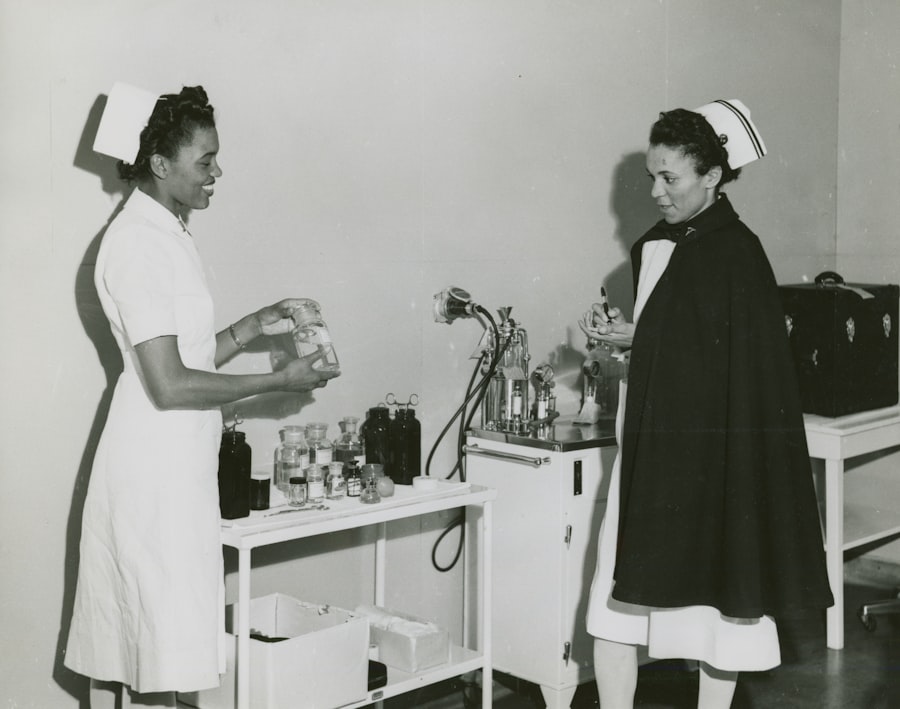
Clinical research is rarely a solitary endeavor. It thrives on the collaborative efforts of diverse professionals, including physicians, statisticians, pharmacologists, and ethicists. CRNs act as a vital communication hub, facilitating information exchange and ensuring seamless coordination among team members.
Liaison Between Patients and the Research Team
CRNs are often the primary point of contact for research participants. They translate complex medical and research terminology into understandable language for patients, and conversely, they communicate patient concerns, observations, and feedback to the research team. This bidirectional communication ensures that patient voices are heard and that the research team remains responsive to participant needs. They are the interpreters, bridging the language barrier between two distinct worlds.
Coordination of Study Activities
Clinical trials involve numerous moving parts: scheduling appointments, coordinating diagnostic tests, managing investigational product supplies, and ensuring timely data entry. CRNs are adept at project management, meticulously orchestrating these activities to keep the study on track. Their organizational skills are essential for the efficient progression of research. Consider the CRN as the conductor of an orchestra, ensuring that every instrument plays in harmony and at its appointed time.
Contribution to Protocol Development and Improvement
Drawing on their direct patient care experience and understanding of research logistics, CRNs often provide invaluable input during the protocol development phase. They can identify potential challenges in recruitment, patient retention, and practical implementation, leading to more feasible and patient-friendly study designs. Their insights help refine protocols, making them more robust and effective in achieving research objectives.
Shaping the Future: Education, Advocacy, and Professional Development
| Metric | Value | Details |
|---|---|---|
| Average Salary | 75,000 – 95,000 USD/year | Varies by location and experience |
| Education Required | Bachelor’s Degree in Nursing (BSN) | Additional certification in clinical research preferred |
| Certification | Certified Clinical Research Professional (CCRP) | Offered by Society of Clinical Research Associates (SoCRA) |
| Primary Responsibilities | Patient recruitment, data collection, protocol adherence | Ensuring patient safety and regulatory compliance |
| Average Experience | 3-5 years in nursing | Prior clinical or research experience preferred |
| Work Settings | Hospitals, research institutions, pharmaceutical companies | Often part of multidisciplinary research teams |
| Key Skills | Attention to detail, communication, regulatory knowledge | Ability to manage multiple protocols simultaneously |
| Job Growth Rate | 7% (projected over 10 years) | Faster than average due to increasing clinical trials |
The field of clinical research is constantly evolving, driven by scientific breakthroughs and technological advancements. CRNs are not static participants; they are active agents in shaping the future of this specialized nursing practice through continuous learning, advocacy, and professional growth.
Continued Education and Specialization
To remain effective in their roles, CRNs must engage in continuous professional development. This includes staying abreast of new research methodologies, regulatory changes, and advancements in specific disease areas. Many CRNs pursue certifications in clinical research or related specialties to enhance their expertise and demonstrate their commitment to excellence. The pursuit of knowledge is an ongoing journey, and CRNs are perpetual students at its forefront.
Advocacy for the Clinical Research Nursing Profession
As a distinct and essential component of the research enterprise, CRNs advocate for their profession, promoting its value and ensuring that their unique contributions are recognized. This advocacy extends to promoting best practices, developing ethical guidelines specific to clinical research nursing, and participating in professional organizations that support their field. Standing as a strong voice for their profession, CRNs ensure their role is not merely acknowledged, but understood and valued.
Mentorship and Knowledge Transfer
Experienced CRNs often serve as mentors to new nurses entering the field, sharing their knowledge, skills, and ethical principles. This mentorship is crucial for the development of future generations of clinical research nurses, perpetuating best practices and fostering a culture of excellence within the profession. This passing of the torch ensures the flame of knowledge and expertise continues to burn brightly.
Challenges and Future Outlook
While the role of the CRN is critical, it is not without its challenges. The demanding nature of the work, the increasing complexity of clinical trials, and the need for specialized skills all contribute to a dynamic and sometimes arduous environment.
Increasing Study Complexity and Technological Demands
Modern clinical trials are becoming increasingly complex, involving novel therapies, personalized medicine approaches, and sophisticated data collection technologies. CRNs must adapt to these advancements, acquiring new skills in areas such as genomics, telehealth, and advanced data analytics. The technological landscape is a shifting desert, and CRNs must master navigating its changing dunes.
Workforce Shortages and Retention
Like many areas of healthcare, clinical research nursing faces challenges with workforce shortages and retaining experienced professionals. The specialized nature of the role, coupled with the pressure of regulatory compliance and patient care responsibilities, can contribute to burnout. Addressing these challenges requires strategic recruitment, supportive work environments, and recognition of the CRN’s invaluable contributions.
Expanding Scope of Practice
The role of the CRN is likely to continue expanding as healthcare evolves. With a growing emphasis on patient-centered outcomes and real-world evidence, CRNs may take on greater responsibilities in areas such as patient engagement strategies, long-term follow-up studies, and the integration of research into routine clinical care. The horizon for CRNs is broad, promising new territories for exploration and growth.
Integration of Artificial Intelligence and Machine Learning
The advent of artificial intelligence (AI) and machine learning (ML) in healthcare presents both opportunities and challenges for CRNs. While these technologies can streamline data analysis and identify patterns, CRNs will remain essential for interpreting findings within a clinical context, ensuring ethical AI application, and maintaining the human element in patient care and research interactions. AI may be a powerful tool, but the CRN remains the skilled artisan wielding it.
In conclusion, clinical research nurses are indispensable to the advancement of medicine. Their unwavering commitment to patient well-being, meticulous adherence to regulatory standards, expert coordination of research activities, and dedication to professional growth underscore their profound impact on healthcare. As the landscape of medical research continues to evolve, the role of the CRN will remain central to translating scientific discovery into tangible improvements in patient care worldwide.
