
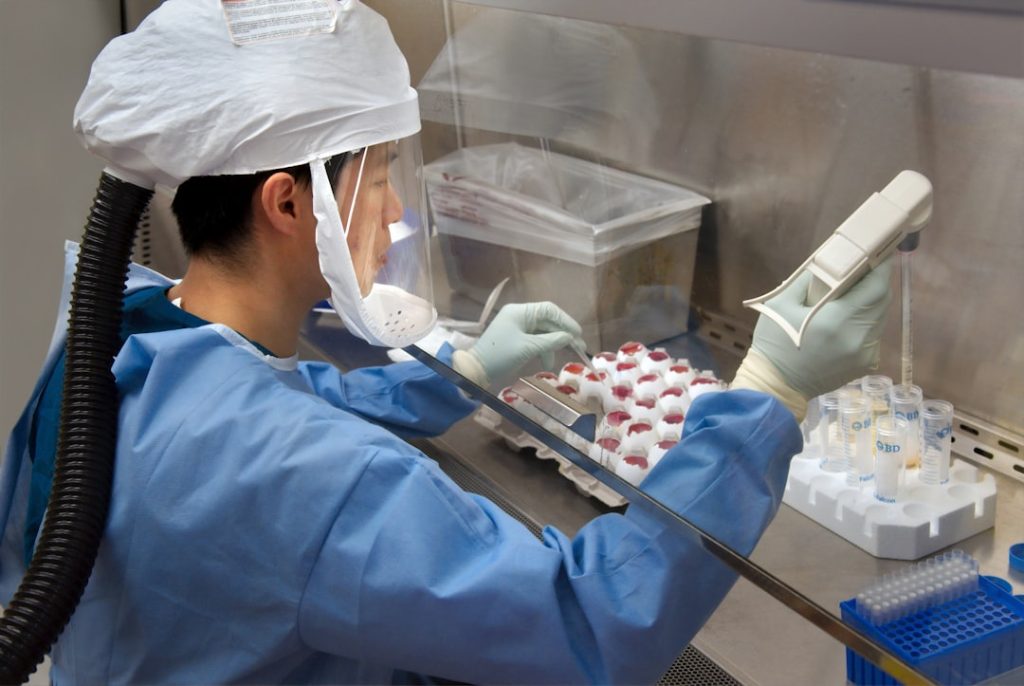
The landscape of medical research is in constant flux, a churning sea of investigation where new islands of understanding surface regularly. This article summarizes recent significant advancements, highlighting findings that hold promise for diagnostic improvement, therapeutic innovation, and a deeper comprehension of human biology and disease. As a reader navigating this complex terrain, you will encounter discussions on various fields, from the intricacies of genetic repair to the broad strokes of public health.
Gene therapy, once a distant dream, is steadily solidifying its position within mainstream medicine. Recent strides have moved beyond single-gene disorders, venturing into more complex genetic landscapes and refining delivery mechanisms.
Advancements in CRISPR-based Technologies

The CRISPR-Cas9 system continues to be a cornerstone of gene editing research. Its precision as a molecular scissor allows for targeted alterations within the genome. Recent developments focus on enhancing its specificity and reducing off-target effects.
- Base Editing Refinements: Beyond simply cutting DNA, base editors allow for direct chemical conversion of one DNA base to another without creating double-strand breaks. This lowers the risk of large deletions or insertions. Recent research has unveiled novel base editors with expanded target range and improved efficiency, addressing previous limitations in their application to all four transition types (C-to-T, T-to-C, A-to-G, G-to-A).
- Prime Editing Enhancements: Prime editing offers even greater versatility, capable of directly inserting, deleting, or substituting DNA sequences. This “search and replace” function, as it’s often described, offers a wider array of corrective possibilities. Breakthroughs include improved prime editor designs that increase editing efficiency in various cell types, moving closer to in vivo applications.
- Epigenetic Editing Tools: The focus is not solely on altering the DNA sequence itself. Epigenetic editing tools, which modify gene expression without changing the underlying DNA code, are gaining traction. These tools can “tag” genes to turn them on or off, offering a reversible approach to gene regulation. New findings demonstrate precise control over gene activation and repression in a targeted manner, opening avenues for treating diseases linked to aberrant gene expression.
Non-Viral Gene Delivery Systems
While viral vectors have been instrumental in early gene therapy successes, concerns regarding immunogenicity and insertional mutagenesis persist. This has spurred a fervent search for alternative, non-viral delivery methods.
- Lipid Nanoparticles (LNPs): LNPs, already proven effective in mRNA vaccines, are being extensively explored for gene therapy delivery. Their ability to encapsulate nucleic acids and facilitate cellular uptake makes them a compelling option. Recent research has focused on optimizing LNP composition for specific tissue targeting and enhanced payload delivery, improving their therapeutic index.
- Polymer-Based Nanocarriers: Synthetic polymers offer tunable properties for complexing and protecting genetic material. Advances in polymer chemistry have led to the development of biodegradable and biocompatible carriersengineered for long-term stability and controlled release, addressing previous issues of toxicity and rapid degradation.
- Exosome-Mediated Delivery: Exosomes, naturally occurring nanovesicles secreted by cells, serve as intercellular communicators. Their inherent ability to transfer cargo between cells makes them attractive gene delivery vehicles. Research is now directed towards engineering exosomes to carry specific therapeutic genes and target particular cell types, circumventing the need for synthetic carriers altogether.
Precision Medicine: Tailoring Treatments to the Individual

The concept of “one size fits all” medicine is increasingly being replaced by individualized approaches. Precision medicine leverages genetic, environmental, and lifestyle data to optimize patient care.
Pharmacogenomics in Drug Development
Understanding how an individual’s genes affect their response to drugs is central to pharmacogenomics. This field aims to predict drug efficacy and adverse reactions based on genetic profiles.
- Predicting Drug Response in Oncology: In cancer treatment, pharmacogenomics guides the selection of targeted therapies. New findings identify specific genetic markers that correlate with exceptional responses or significant resistance to various chemotherapies and immunotherapies. This allows clinicians to tailor treatment regimens, avoiding ineffective therapies and mitigating severe side effects.
- Personalizing Psychiatric Medications: The effectiveness and side effect profiles of psychotropic medications can vary widely among individuals. Research is identifying genetic polymorphisms that influence drug metabolism and receptor binding for antidepressants and antipsychotics, paving the way for genotype-guided prescribing in psychiatry.
- Optimizing Pain Management: Opioid response, for instance, is influenced by genetic variations affecting metabolism and receptor sensitivity. Recent studies are identifying genetic indicators that can predict an individual’s likelihood of pain relief and risk of opioid-induced respiratory depression, contributing to safer and more effective pain management strategies.
Liquid Biopsies for Early Disease Detection
Traditional biopsies are invasive and may not capture the full heterogeneity of a disease. Liquid biopsies, analyzing bodily fluids for disease biomarkers, offer a less invasive alternative with significant implications for early detection and monitoring.
- Circulating Tumor DNA (ctDNA) in Cancer Screening: ctDNA, fragmented DNA released by tumor cells into the bloodstream, serves as a powerful biomarker. Breakthroughs include the development of highly sensitive assays that can detect minute quantities of ctDNA, enabling earlier detection of certain cancers even at asymptomatic stages. This acts as a fire alarm, signaling trouble before symptoms escalate.
- Circulating Cell-Free RNA (cfRNA) in Disease Monitoring: Beyond DNA, cfRNA offers insights into active gene expression within tissues. New research demonstrates the utility of cfRNA profiles for monitoring disease progression, assessing treatment response, and identifying minimal residual disease in various conditions, including cardiovascular diseases and neurodegenerative disorders.
- Exosomal Biomarkers for Targeted Diagnostics: Exosomes carry a diverse cargo of proteins, lipids, and nucleic acids reflective of their parent cell’s state. Recent findings highlight specific exosomal biomarkers that are indicative of disease states, such as specific microRNAs associated with early-stage Alzheimer’s disease or certain protein markers linked to organ transplant rejection.
The Gut Microbiome: A New Frontier in Health and Disease
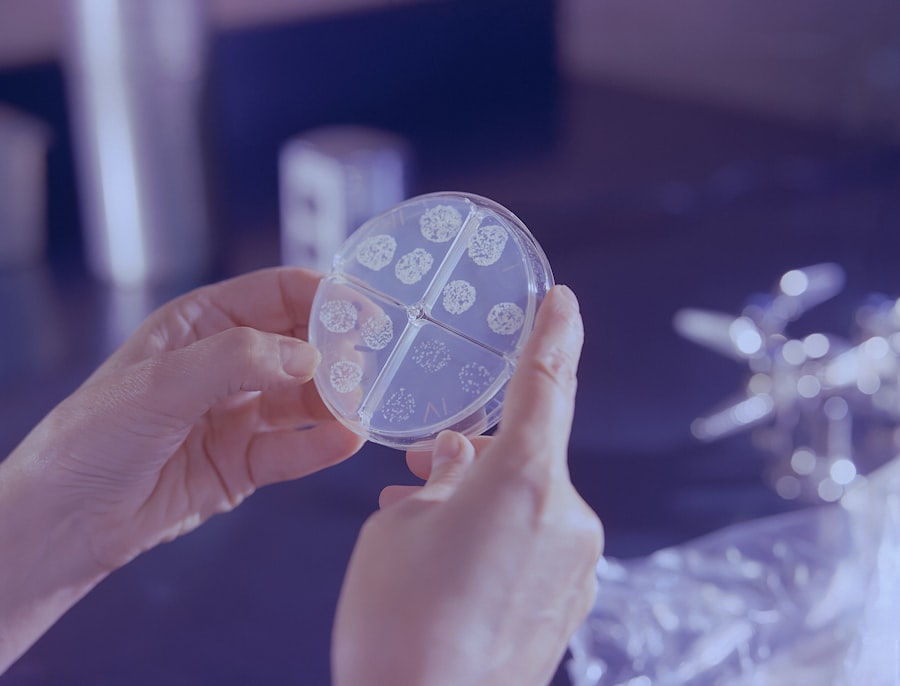
The trillions of microorganisms residing in the human gut, collectively known as the gut microbiome, are no longer seen as mere passengers. Their profound influence on human physiology, immunity, and even neurological function is an area of intense investigation.
Microbiome-Targeted Therapies
Manipulation of the gut microbiome offers novel therapeutic avenues for a wide range of conditions.
- Fecal Microbiota Transplantation (FMT) Innovations: While effective for C. difficile infection, FMT is being explored for other conditions. Refined approaches include oral capsule formulations and standardized donor screening processes, enhancing safety and patient acceptability. Research is also examining the specific microbial components responsible for therapeutic effects in various diseases, aiming to move beyond whole fecal transplants to defined consortia of beneficial bacteria.
- Prebiotic and Probiotic Developments: Prebiotics (fibers that nourish beneficial bacteria) and probiotics (live beneficial microorganisms) are being designed with increasing specificity. New research identifies novel prebiotics that selectively promote the growth of particular health-promoting bacterial species and probiotic strains with defined mechanisms of action, targeting specific disease pathways. This is akin to choosing specific keys for specific locks rather than a universal master key.
- Phage Therapy for Antimicrobial Resistance: Bacteriophages, viruses that specifically infect and kill bacteria, are emerging as a potential weapon against antibiotic-resistant infections. Advances in phage isolation, characterization, and genetic engineering are enabling the creation of personalized phage cocktails tailored to individual patient infections, offering a targeted approach where antibiotics may fail.
Microbiome-Brain Axis Discoveries
The bidirectional communication between the gut and the brain, known as the gut-brain axis, is a rapidly expanding field of research.
- Impact on Neurological Disorders: Emerging evidence links dysbiosis (imbalance in the gut microbiome) to neurological conditions such as Parkinson’s disease, Alzheimer’s disease, and autism spectrum disorder. New studies identify specific microbial metabolites and bacterial species that influence neuroinflammation and neurotransmitter synthesis, providing tantalizing clues for therapeutic intervention.
- Influence on Mental Health: The gut microbiome’s role in mood disorders and anxiety is being actively investigated. Findings show that certain microbial profiles correlate with depression and anxiety symptoms, and interventions targeting the gut microbiome may modulate stress responses and improve mood. This suggests the gut acts as a secondary brain, influencing our emotional landscape.
- Microbial Metabolites as Neuro-Regulators: Short-chain fatty acids (SCFAs) like butyrate, produced by gut bacteria, are known to cross the blood-brain barrier and exert neuroprotective effects. Recent research identifies other microbial metabolites, including indole derivatives and tryptophan metabolites, that directly influence neuronal function and contribute to brain health or disease.
Artificial Intelligence in Medical Diagnosis and Drug Discovery
Artificial intelligence (AI) is proving to be a transformative force in medicine, accelerating breakthroughs across various domains. Its capacity to process and analyze vast datasets exceeds human capabilities, acting as a powerful magnifying glass for scientific discovery.
AI-Powered Diagnostics
AI algorithms are being developed to assist clinicians in making more accurate and timely diagnoses, often surpassing human capabilities in specific tasks.
- Radiology Interpretation: AI models are now capable of interpreting medical images like X-rays, CT scans, and MRIs with remarkable accuracy, identifying subtle anomalies that might evade the human eye. Breakthroughs include AI systems that can detect early signs of lung cancer from CT scans or predict the likelihood of stroke recurrence from brain imaging, providing an extra layer of scrutiny.
- Pathology Analysis: AI is revolutionizing pathology by analyzing tissue samples for disease characteristics. Deep learning algorithms are being trained on vast datasets of stained biopsy slides to identify cancer cells, grade tumor aggressiveness, and even predict patient prognosis, assisting pathologists in making more consistent and precise diagnoses.
- Predictive Analytics in Clinical Decision Support: AI can integrate patient data from electronic health records, genetic information, and real-time physiological monitoring to predict disease onset or complications. For instance, AI algorithms can foresee sepsis development in ICU patients hours before clinical manifestation, allowing for proactive interventions.
AI in Drug Discovery and Development
The drug discovery process is famously long, expensive, and fraught with failures. AI is streamlining this pipeline, from target identification to clinical trials.
- Accelerated Target Identification: AI sifts through genomic, proteomic, and phenotypic data to identify novel drug targets, pinpointing key molecular players in disease pathways that might not be obvious to human researchers. This allows for a more efficient selection of “weak points” in the disease’s armor.
- In Silico Drug Design: AI algorithms can predict the binding affinity of potential drug molecules to their targets and design new compounds with optimized properties. This “virtual screening” significantly reduces the number of experimental compounds that need to be synthesized and tested, drastically cutting down on research time and resources.
- Predicting Clinical Trial Outcomes: AI analyzes historical clinical trial data and patient characteristics to predict the likelihood of success for new drug candidates. This helps pharmaceutical companies make more informed decisions about which drugs to advance to later stages of development, mitigating financial risks and accelerating the delivery of effective treatments to patients.
Advances in Regenerative Medicine
| Metric | Value | Notes |
|---|---|---|
| Number of Medical Research Articles Published | 1,250 | Monthly average in major news outlets |
| Percentage of Articles on COVID-19 | 35% | Reflects ongoing pandemic coverage |
| Average Readership per Article | 50,000 | Based on online news platforms |
| Percentage of Articles Featuring Clinical Trials | 20% | Includes Phase 1-3 trials |
| Average Time from Research Publication to News Coverage | 2 weeks | Time lag between journal publication and news reporting |
| Percentage of Articles with Expert Commentary | 40% | Includes interviews with medical professionals |
| Most Covered Medical Research Topics | Infectious Diseases, Cancer, Mental Health | Top three topics by article count |
Regenerative medicine aims to repair, replace, or regenerate damaged tissues and organs. Recent breakthroughs are bringing these treatments closer to clinical reality, offering hope for conditions previously considered intractable.
Stem Cell Therapies: Beyond Pluripotency
Stem cells, with their ability to differentiate into various cell types, remain central to regenerative medicine. The focus is now on refining their application and addressing safety concerns.
- Induced Pluripotent Stem Cells (iPSCs) for Disease Modeling: iPSCs, derived from adult cells and reprogrammed to an embryonic-like state, provide an invaluable resource for studying human diseases in vitro. New findings demonstrate their utility in creating patient-specific disease models, allowing for the testing of new drugs and understanding disease mechanisms without direct human experimentation. This creates a miniature laboratory on a dish.
- Organoids and 3D Bioprinting: Organoids, miniature self-organizing 3D structures derived from stem cells, mimic the architecture and function of actual organs. Coupled with advances in 3D bioprinting, which allows for the precise deposition of cells and biomaterials, these technologies are paving the way for constructing functional tissues and even rudimentary organs for transplantation or drug testing.
- Mesenchymal Stem Cells (MSCs) for Immunomodulation: MSCs, found in various tissues, possess immunomodulatory and tissue-repairing properties. Recent research highlights their therapeutic potential in autoimmune diseases, inflammatory conditions, and for enhancing tissue regeneration, not just through direct cell replacement but also by secreting factors that promote healing and reduce inflammation.
Tissue Engineering and Biomaterials
The creation of functional tissues and organs often requires sophisticated scaffolding and biomaterials to guide cell growth and organization.
- Smart Biomaterials: New generations of biomaterials are being developed that respond to cues from their environment, such as pH changes or mechanical stress, releasing growth factors or drugs in a controlled manner. These “smart” materials enhance the integration of engineered tissues into the body and promote functional recovery.
- Decellularized Scaffolds: The process of removing cells from an organ while preserving its extracellular matrix (the natural scaffold) has shown promise for creating biological scaffolds that can be reseeded with patient-specific cells. Advances in decellularization and recellularization techniques are bringing the goal of bioengineered organs closer.
- Vascularization Strategies for Engineered Tissues: A major hurdle in tissue engineering is ensuring adequate blood supply to larger engineered constructs. Breakthroughs in creating intricate vascular networks within engineered tissues, either through co-implantation of endothelial cells or advanced biomaterial design, are critical for overcoming this limitation and allowing for the survival and function of larger tissue grafts.
The continuous stream of discoveries across these diverse fields underscores the dynamic nature of medical research. Each finding, whether a refinement of existing technology or a novel conceptual leap, contributes to a growing tapestry of knowledge that ultimately aims to improve human health and alleviate suffering. As you have seen, the path forward is multi-faceted, leveraging everything from the smallest genetic correction to the largest computational analysis.
