

Huntington Medical Research Institute (HMRI) has contributed to biomedical research since its establishment. This article outlines some of the notable discoveries and contributions originating from HMRI laboratories, providing an overview of its research trajectory and current areas of focus.
HMRI’s formative years were characterized by foundational research in various biomedical fields. Initially, efforts focused on understanding basic physiological mechanisms, laying groundwork for future clinical applications. These early investigations, often overlooked in the glare of more recent breakthroughs, were crucial in establishing HMRI as a credible research institution.
Initial Research Focus

Early research at HMRI encompassed diverse areas, including neurophysiology and cardiovascular health. Researchers explored fundamental cellular processes and their implications for human health. This broad approach allowed for cross-pollination of ideas and fostered an environment where unexpected connections could be made. It was a period of scientific exploration, much like mapping an unknown continent, where every finding contributed to a larger understanding.
Development of Research Infrastructure
The establishment of HMRI involved significant investment in research infrastructure. This included the acquisition of specialized equipment and the recruitment of skilled scientists. The foresight in building a robust research environment proved instrumental in attracting talent and facilitating complex experiments. Without these foundational elements, subsequent breakthroughs would have been improbable.
Contributions to Neuroscience

HMRI has a history of contributions to neuroscience, particularly in the areas of neurodegenerative diseases and brain imaging. The institute’s researchers have explored the underlying mechanisms of neurological disorders and developed novel diagnostic and therapeutic approaches.
Understanding Alzheimer’s Disease
Research at HMRI into Alzheimer’s disease has focused on identifying early biomarkers and understanding the pathological cascade that leads to neuronal degeneration. Studies have investigated the role of amyloid-beta plaques and tau tangles, central features of Alzheimer’s pathology.
Biomarker Identification
Investigators have explored methods for detecting Alzheimer’s disease at its earliest stages, often before overt clinical symptoms manifest. This includes research into cerebrospinal fluid biomarkers and advanced neuroimaging techniques. The goal is to establish a window for intervention, a crucial step in managing a disease that currently lacks a cure. Identifying these biomarkers is akin to detecting the first faint tremors before an earthquake, allowing for preparation.
Therapeutic Targets
Beyond diagnosis, HMRI scientists have investigated potential therapeutic targets. This involves studying the molecular pathways implicated in neuronal death and dysfunction. Efforts have been made to develop compounds that can modulate these pathways, with the hope of slowing or arresting disease progression. The search for effective therapies is a long and arduous journey, often marked by incremental progress.
Advances in Brain Imaging
HMRI has been involved in the development and application of advanced brain imaging techniques. These technologies provide non-invasive means to visualize brain structure and function, offering insights into both healthy brains and those affected by disease.
Magnetic Resonance Imaging (MRI) Enhancements
Researchers at HMRI have contributed to the refinement of MRI techniques, improving their resolution and specificity. This includes work on diffusion tensor imaging (DTI) to map white matter pathways and functional MRI (fMRI) to observe brain activity. Such advancements act as a more powerful telescope, revealing finer details of the brain’s complex landscape.
Clinical Applications of Neuroimaging
The enhanced imaging capabilities have diverse clinical applications. They are used in the diagnosis of various neurological conditions, surgical planning, and monitoring treatment efficacy. The ability to visualize brain anomalies and track changes over time is a valuable tool for clinicians and researchers alike.
Cardiovascular Research Initiatives
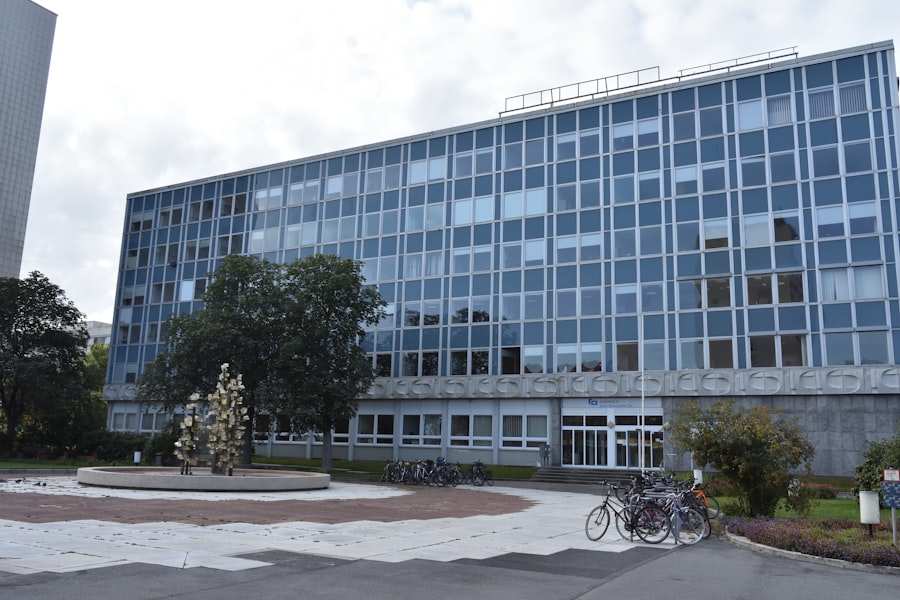
HMRI has also dedicated research efforts to cardiovascular health, addressing prevalent conditions such as atherosclerosis and hypertension. The institute’s approach integrates basic science with clinical investigation to translate findings into patient benefit.
Mechanisms of Atherosclerosis
Researchers at HMRI have investigated the cellular and molecular mechanisms driving atherosclerosis, a condition characterized by the hardening and narrowing of arteries. Understanding these fundamental processes is key to developing preventive and therapeutic strategies.
Inflammatory Pathways
Studies have focused on the role of inflammation in the initiation and progression of atherosclerotic plaques. Identifying the specific inflammatory mediators and signaling pathways involved opens avenues for targeted interventions. Viewing inflammation as a spark, researchers aim to prevent the wildfire of plaque formation.
Lipid Metabolism
The role of lipid metabolism, particularly cholesterol and triglycerides, in atherosclerosis has been a recurring theme in HMRI’s cardiovascular research. Understanding how these lipids accumulate in arterial walls and contribute to plaque formation is critical. This involves examining lipoprotein dynamics and cellular lipid uptake.
Development of Novel Therapies
Beyond understanding disease mechanisms, HMRI has explored novel therapeutic approaches for cardiovascular diseases. This includes pharmacological interventions and lifestyle modifications.
Drug Discovery Programs
The institute has initiated programs aimed at discovering new compounds that can mitigate cardiovascular risk factors or reverse disease progression. This involves high-throughput screening and validation in in vitro and in vivo models.
Lifestyle Interventions
Alongside pharmacological approaches, HMRI researchers have investigated the impact of lifestyle modifications on cardiovascular health. This includes studies on diet, exercise, and stress reduction, emphasizing a holistic approach to disease prevention and management. These interventions are often the first line of defense, a simple yet powerful tool in the arsenal.
Translational Research and Clinical Trials

A significant aspect of HMRI’s work involves translational research, bridging the gap between laboratory discoveries and clinical application. This includes conducting clinical trials to evaluate the safety and efficacy of new treatments.
From Bench to Bedside
Translational research at HMRI is a structured process designed to move promising discoveries from the research bench to the patient’s bedside. This involves rigorous testing and validation at each stage. It is a methodical journey, much like guiding a fragile plant from the greenhouse into a fertile garden.
Preclinical Studies
Before entering human trials, potential treatments undergo extensive preclinical testing in animal models and in vitro systems. These studies assess preliminary safety and efficacy, providing data to support progression to human trials.
Clinical Trial Phases
HMRI participates in and conducts clinical trials ranging from Phase I (safety and dosage) to Phase III (efficacy and comparison with standard treatments). These trials are essential for gathering robust evidence of a treatment’s clinical utility. The trials are a series of careful inspections, ensuring a new therapy is both safe and effective.
Collaborative Clinical Programs
To facilitate translational research, HMRI engages in collaborations with clinical partners. This allows for direct access to patient populations and expertise in clinical care, accelerating the translation of research findings.
Academic Partnerships
Partnerships with academic medical centers provide access to a broader range of clinical specialties and research resources. This fosters an interdisciplinary approach to complex medical problems.
Industry Collaborations
Collaborations with pharmaceutical and biotechnology companies are also undertaken to advance drug development and commercialization of promising therapies. These partnerships can provide the necessary resources for large-scale clinical development.
Future Directions and Emerging Technologies
| Metric | Details |
|---|---|
| Institution Name | Huntington Medical Research Institutes (HMRI) |
| Location | Pasadena, California, USA |
| Founded | 1952 |
| Research Focus Areas | Neuroscience, Cancer, Cardiovascular Disease, Aging, Regenerative Medicine |
| Number of Research Labs | Approximately 20 |
| Annual Research Publications | 50-70 peer-reviewed articles |
| Clinical Trials Conducted | Multiple ongoing trials in neurology and oncology |
| Collaborations | Partnerships with universities, hospitals, and biotech companies |
| Funding Sources | Grants, donations, and private funding |
| Notable Achievements | Development of novel therapies for neurodegenerative diseases |
HMRI continues to explore new research frontiers and adopt emerging technologies to address pressing health challenges. The institute’s forward-looking strategy involves investing in cutting-edge scientific approaches.
Precision Medicine Initiatives
Precision medicine, an approach that tailors medical treatment to the individual characteristics of each patient, is a growing area of focus at HMRI. This involves leveraging genomic, proteomic, and other omics data.
Genomic Research
Research into genomic variations and their impact on disease susceptibility and treatment response is underway. The goal is to identify genetic markers that can predict an individual’s response to specific therapies. This is akin to having a personalized map for each patient’s journey through illness.
Proteomics and Metabolomics
In addition to genomics, HMRI researchers are exploring proteomics (the study of proteins) and metabolomics (the study of metabolites) to gain a comprehensive understanding of disease mechanisms and identify novel therapeutic targets.
Artificial Intelligence in Biomedical Research
HMRI is integrating artificial intelligence (AI) and machine learning into its research programs. These computational tools can analyze large datasets, identify patterns, and accelerate discovery.
Data Analytics and Pattern Recognition
AI algorithms are being used to analyze complex biological data, such as medical images, genetic sequences, and patient records. This enables the identification of subtle patterns that might be missed by traditional analytical methods. AI acts as a sophisticated sieve, sifting through vast quantities of information to find the crucial evidence.
Drug Discovery Acceleration
Machine learning models are employed to predict the efficacy and toxicity of potential drug candidates, expediting the drug discovery process and reducing development costs. This predictive power allows for more strategic targeting of research efforts.
In summary, Huntington Medical Research Institute has made contributions across various biomedical domains, characterized by a commitment to foundational research, translational application, and the adoption of new technologies. Its research trajectory reflects a continuous effort to advance scientific understanding and improve human health outcomes.
