

For decades, the KCMO Research Medical Center (KCMO RMC) has served as a crucible for medical innovation. Its consistent contribution to understanding and treating human disease has positioned it as a significant entity within the broader landscape of biomedical research. This article outlines key areas where KCMO RMC has demonstrated notable progress, highlighting specific projects and their broader implications.
Immunotherapy, a therapeutic modality that harnesses the body’s immune system to fight disease, particularly cancer, has been a central focus at KCMO RMC. The center’s researchers have made strides in refining existing approaches and developing novel strategies.
CAR T-Cell Therapy Optimization

Chimeric Antigen Receptor (CAR) T-cell therapy, a form of immunotherapy where a patient’s T-cells are genetically modified to express CARs that target specific cancer antigens, has shown promise in hematologic malignancies. KCMO RMC’s contributions in this area have focused on two primary avenues: enhancing persistence and reducing toxicity.
- Engineering for Persistent Response: Early challenges with CAR T-cell therapy included a lack of sustained response in a subset of patients. Researchers at KCMO RMC have investigated genetic modifications to CAR T-cells, such as the incorporation of specific costimulatory domains and cytokine secretion profiles, aimed at improving their in vivo longevity and effector function. Preclinical models have demonstrated that these engineered cells exhibit prolonged anti-tumor activity, offering a potential solution to relapse observed in some patients. You, the reader, can think of these modifications as tuning a finely calibrated instrument; small adjustments can yield significant improvements in performance.
- Mitigating Cytokine Release Syndrome (CRS): A significant adverse event associated with CAR T-cell therapy is Cytokine Release Syndrome (CRS), a systemic inflammatory response. KCMO RMC has been involved in trials evaluating novel pharmacological interventions to manage CRS without compromising the anti-tumor efficacy of the CAR T-cells. This includes exploring targeted cytokine inhibitors and optimized corticosteroid regimens, moving beyond broad-spectrum immunosuppression.
Checkpoint Inhibitor Refinement
Immune checkpoint inhibitors (ICIs), agents that block proteins preventing the immune system from attacking cancer cells, have revolutionized cancer treatment. KCMO RMC’s research has centered on identifying biomarkers for patient stratification and overcoming resistance mechanisms.
- Biomarker Discovery for ICI Response: Not all patients respond to ICIs. A key research thrust at KCMO RMC involves identifying predictive biomarkers, such as specific gene signatures or protein expression patterns, that can accurately forecast a patient’s likelihood of responding to particular checkpoint inhibitors. This personalized approach aims to spare non-responders from unnecessary toxicity and expense, akin to a sophisticated navigation system guiding treatment decisions.
- Addressing Acquired Resistance: While initially effective, some cancers develop resistance to ICIs. KCMO RMC researchers are investigating the molecular mechanisms underlying this acquired resistance, focusing on pathways involved in immune evasion and tumor microenvironment remodeling. Strategies under investigation include combination therapies, where ICIs are paired with agents targeting resistance pathways, or novel checkpoint blockade combinations.
Neurodegenerative Disease Research

The escalating global burden of neurodegenerative diseases, including Alzheimer’s and Parkinson’s, has made them a critical area of investigation at KCMO RMC. The center’s efforts span from fundamental understanding of disease pathogenesis to the development of therapeutic interventions.
Alzheimer’s Disease Etiology and Intervention
Understanding the complex etiology of Alzheimer’s disease (AD) is paramount to developing effective treatments. KCMO RMC’s research delves into the interplay of genetic, environmental, and lifestyle factors.
- Tau Pathology Investigation: Beyond amyloid plaques, tau protein aggregation is a hallmark of AD. Researchers at KCMO RMC are exploring specific tau isoforms and post-translational modifications that contribute to neurofibrillary tangle formation and neuronal dysfunction. This includes developing novel imaging agents to detect tau pathology earlier and more accurately, opening a window into the disease’s progression.
- Neuroinflammation as a Therapeutic Target: Chronic neuroinflammation is increasingly recognized as a key driver of AD progression. KCMO RMC is engaged in preclinical and clinical studies evaluating immunomodulatory drugs that aim to dampen detrimental inflammatory responses in the brain without compromising beneficial immune functions. This delicate balance is akin to a gardener carefully weeding a sensitive plot, removing harmful elements while preserving the essential flora.
Parkinson’s Disease Biomarker Development
Early and accurate diagnosis of Parkinson’s disease (PD) remains a challenge, often occurring at stages where significant neurodegeneration has already occurred. KCMO RMC is investing in the discovery and validation of novel biomarkers.
- Alpha-Synuclein Seeding Assays: The aggregation of alpha-synuclein is central to PD pathology. KCMO RMC is developing highly sensitive “seeding assays” that can detect pathological alpha-synuclein in biological fluids, such as cerebrospinal fluid (CSF) and even potentially blood, years before clinical symptoms manifest. This offers the promise of pre-symptomatic diagnosis, paving the way for disease-modifying interventions at earlier stages.
- Genetic Risk Factor Identification: Leveraging large patient cohorts, KCMO RMC is involved in comprehensive genomic studies to identify novel genetic risk factors and modifiers of PD. Understanding these genetic underpinnings can provide clues for drug target identification and personalized risk assessment.
Cardiovascular Disease Therapeutics
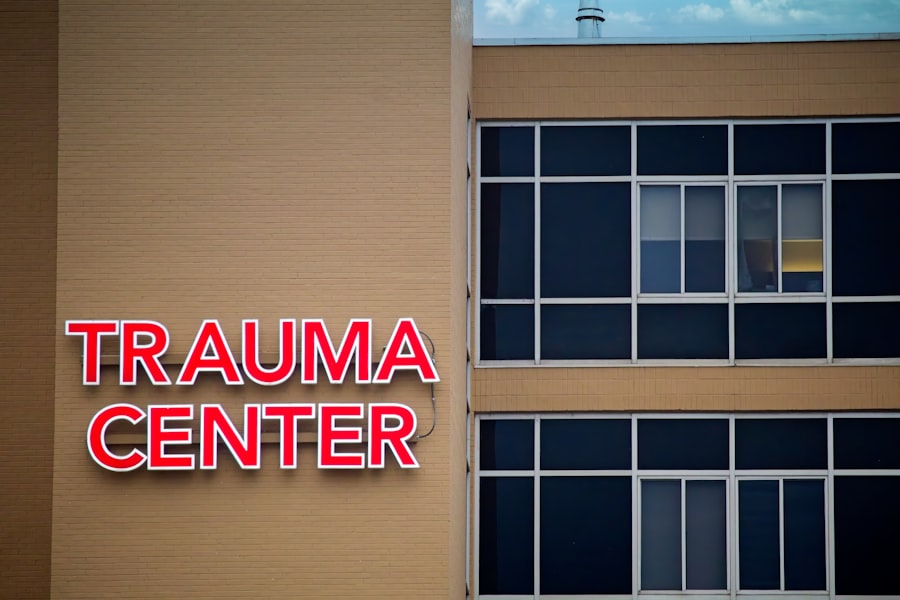
Cardiovascular diseases (CVDs) remain a leading cause of mortality worldwide. KCMO RMC’s research in this domain encompasses novel pharmacological approaches, regenerative medicine strategies, and advanced imaging techniques.
Heart Failure Novel Therapies
Heart failure (HF) represents a complex syndrome with significant morbidity and mortality. KCMO RMC is exploring therapies beyond traditional pharmacological interventions.
- Myocardial Regeneration with Stem Cells: A promising avenue is the use of stem cells to repair damaged heart tissue following myocardial infarction or in chronic HF. KCMO RMC is conducting trials investigating different stem cell types, including induced pluripotent stem cells (iPSCs) and cardiac progenitor cells, for their ability to integrate into and augment cardiac function. This effort is akin to attempting to rebuild a damaged structure brick by brick, using the body’s own building blocks.
- Targeting Myocardial Fibrosis: Fibrosis, the excessive accumulation of extracellular matrix, stiffens the heart and impairs its function in HF. Researchers at KCMO RMC are investigating anti-fibrotic agents that specifically target profibrotic pathways without causing systemic side effects.
Atherosclerosis Regression Strategies
Atherosclerosis, the underlying cause of many CVDs, involves plaque buildup in arteries. KCMO RMC is pioneering approaches to not only prevent but also regress atherosclerotic plaques.
- HDL-Targeted Therapies for Plaque Regression: While LDL-C reduction is well-established, enhancing High-Density Lipoprotein (HDL) function offers another strategy. KCMO RMC is evaluating novel pharmacological agents designed to improve reverse cholesterol transport and promote the efflux of cholesterol from atherosclerotic plaques.
- Inflammation Modulation in Atherosclerosis: Inflammation plays a critical role in plaque formation and destabilization. KCMO RMC is involved in trials assessing anti-inflammatory drugs, beyond lipid-lowering agents, that can specifically target inflammatory pathways within the vasculature, aiming to stabilize plaques and reduce cardiovascular events.
Precision Medicine Initiatives
Precision medicine, tailoring medical treatment to the individual characteristics of each patient, is a core philosophy permeating much of KCMO RMC’s research. This approach leverages genomic, proteomic, and clinical data to inform therapeutic decisions.
Pharmacogenomics in Drug Dosing
Individual responses to medications vary significantly due to genetic differences. KCMO RMC is at the forefront of integrating pharmacogenomic data into clinical practice.
- Optimizing Anticoagulant Therapy: Genetic variations influence the metabolism and efficacy of anticoagulants like warfarin. KCMO RMC is developing and implementing algorithms that utilize genetic profiles to guide initial dosing, aiming to minimize bleeding complications and ensure therapeutic efficacy. This reduces the trial-and-error approach, replacing it with a more targeted strategy.
- Personalizing Oncologic Drug Regimens: In oncology, genetic profiling of tumors and patients is becoming standard. KCMO RMC utilizes extensive genomic sequencing to identify actionable mutations in tumors, guiding the selection of targeted therapies and predicting response to chemotherapy and immunotherapy.
Advanced Diagnostic Imaging
Precision medicine relies heavily on accurate and detailed diagnostics. KCMO RMC is investing in and developing cutting-edge imaging modalities.
- Quantitative Imaging for Disease Progression: Beyond qualitative assessment, KCMO RMC is developing quantitative imaging techniques, including advanced MRI and PET protocols, to measure disease biomarkers non-invasively. For example, volumetric MRI can track brain atrophy in neurodegenerative diseases, while quantitative PET can assess receptor occupancy or metabolic activity in cancer. These provide granular data, moving beyond simple visual interpretation to numerical insights.
- Integrating AI in Image Analysis: The sheer volume and complexity of medical imaging data make manual analysis challenging. KCMO RMC is exploring and implementing Artificial Intelligence (AI) and machine learning algorithms to assist in image interpretation, anomaly detection, and disease prognostication, acting as a highly sophisticated second pair of eyes for radiologists.
Public Health and Preventive Medicine
| Metric | Value | Details |
|---|---|---|
| Location | Kansas City, MO | Main campus and affiliated sites |
| Type | Academic Medical Center | Research, education, and patient care |
| Annual Research Funding | Over 100 million | Federal, state, and private grants |
| Number of Research Projects | 300+ | Ongoing clinical and basic science studies |
| Specialties | Cardiology, Oncology, Neurology, Transplant | Leading research programs in these areas |
| Patient Volume | Over 50,000 annually | Inpatient and outpatient combined |
| Number of Faculty Researchers | 500+ | Physicians, scientists, and clinical researchers |
| Clinical Trials | 100+ | Active trials in multiple therapeutic areas |
While often focused on treatment, KCMO RMC also dedicates resources to public health initiatives and preventive medicine, aiming to mitigate disease burden before it fully manifests.
Community Health Interventions
Addressing health disparities and promoting wellness within the broader community is a significant aspect of KCMO RMC’s public health efforts.
- Diabetes Prevention Programs: KCMO RMC is actively involved in community-based programs targeting individuals at high risk for type 2 diabetes. These interventions often combine lifestyle modification coaching, nutritional education, and regular health screenings, aiming to reduce incidence rates within specific populations. These programs act as guardrails, steering individuals away from potential health pitfalls.
- Cardiovascular Risk Factor Screening: Early detection and management of cardiovascular risk factors, such as hypertension and dyslipidemia, are crucial. KCMO RMC conducts outreach programs providing accessible screening and educational resources to identify at-risk individuals and connect them with appropriate preventative care.
Vaccine Development and Surveillance
Infectious diseases remain a persistent threat, and KCMO RMC contributes to vaccine research and epidemiological surveillance.
- Seasonal Influenza Vaccine Efficacy Studies: KCMO RMC participates in clinical trials evaluating the efficacy and safety of novel influenza vaccine formulations. This includes assessing their effectiveness against circulating strains and exploring broader-spectrum protective strategies.
- Emerging Infectious Disease Surveillance: Collaborating with public health agencies, KCMO RMC contributes to surveillance efforts for emerging infectious diseases, monitoring disease patterns, identifying potential outbreaks, and contributing to the rapid development of diagnostic tools and therapeutic countermeasures. This proactive monitoring acts as a radar system, detecting threats on the horizon.
KCMO RMC operates as a vital hub in the ongoing quest to understand and overcome human disease. Its dedicated researchers and clinicians continue to push the boundaries of medical knowledge, translating laboratory discoveries into tangible improvements in patient care, contributing to the ever-evolving tapestry of medical progress.
