
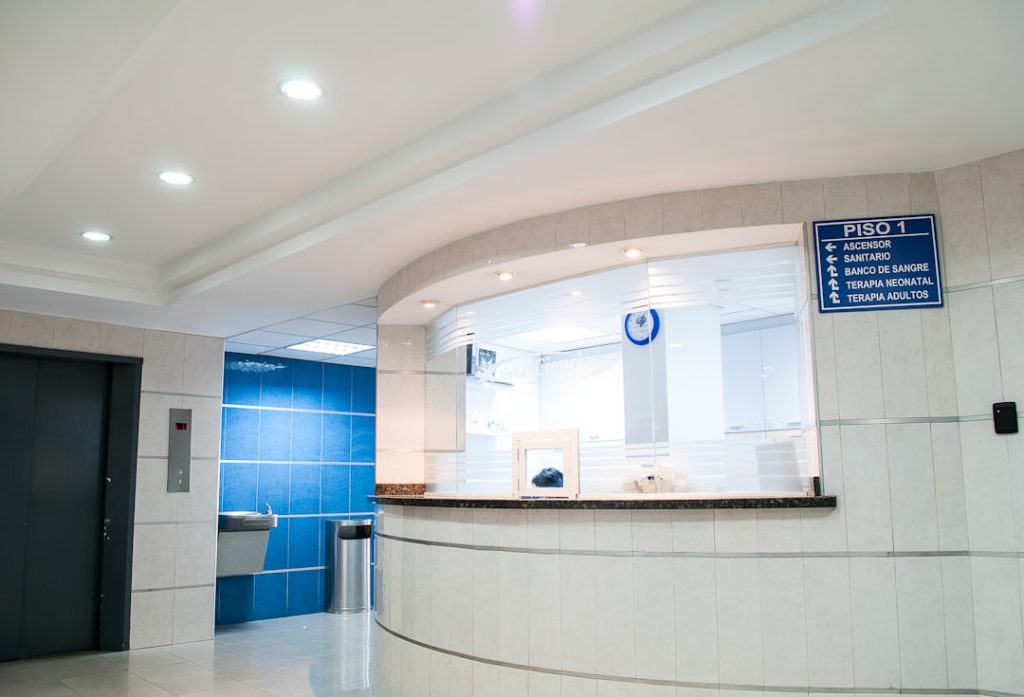
The Brookside Campus, a constituent entity of the larger Brookside Health System, has cultivated a robust research ecosystem dedicated to advancing medical science. This article outlines key research areas and notable initiatives underway at the campus, providing an overview of its contributions to contemporary medicine.
Translational research at Brookside Campus focuses on bridging the chasm between basic scientific discovery and its clinical application. This involves transforming laboratory findings into treatments, diagnostics, and preventative measures that directly benefit patients.
From Bench to Bedside: Accelerating Discovery

The “Bench to Bedside” program exemplifies Brookside’s commitment to expediting this process. This initiative provides seed funding and logistical support for projects demonstrating high potential for clinical translation. Researchers are guided through regulatory pathways and encouraged to engage with clinicians early in the discovery phase. A recent success story involves a novel compound identified in a neuroscience lab, which, through this program, is now entering Phase I clinical trials for a specific neurodegenerative condition. This journey, from molecule to potential medicine, encapsulates the program’s objective.
Clinical Trials Unit: Patient Participation in Progress
The campus houses a dedicated Clinical Trials Unit (CTU) responsible for the execution of Phase I, II, and III clinical trials across various therapeutic areas. This unit is the crucible where emerging treatments are rigorously tested for safety and efficacy in human subjects. Patients participating in these trials are not merely recipients of care; they are essential partners in the scientific process, providing invaluable data that shapes the future of medicine. The CTU adheres to international ethical guidelines and regulatory standards, ensuring patient safety and data integrity.
Oncology Research Breakthroughs

Brookside Campus has a significant presence in oncology research, addressing the complexities of cancer through multi-pronged approaches. This includes investigation into the fundamental mechanisms of cancer development, aggressive treatment modalities, and supportive care innovations.
Precision Oncology: Tailoring Treatments
Precision oncology, a cornerstone of Brookside’s cancer research, revolves around the premise that each cancer is unique to the individual. Researchers are exploring various biomarkers – genetic mutations, protein expression patterns, and immune cell profiles – to predict treatment response and identify optimal therapeutic strategies. Whole-genome sequencing of tumor samples, for instance, is routinely employed to uncover actionable mutations that can inform targeted drug selection. This approach moves beyond a “one-size-fits-all” model, treating the patient’s cancer as a distinct entity with its own molecular fingerprint.
Immunotherapy Advancement: Harnessing the Body’s Defenses
Immunotherapy, a relatively recent but transformative field, is a major focus. Researchers are investigating novel ways to unleash the body’s immune system against cancer cells. This includes the development of chimeric antigen receptor (CAR) T-cell therapies, where a patient’s T-cells are genetically modified to recognize and attack cancer. Furthermore, investigations into immune checkpoint inhibitors are ongoing, seeking to overcome the mechanisms by which cancer cells evade immune detection. These therapies represent a paradigm shift, utilizing the body’s own arsenal in the fight against disease.
Neuroscience and Neurological Disorders

The neuroscience division at Brookside Campus is engaged in a broad spectrum of research aimed at understanding the complexities of the brain and developing interventions for neurological disorders. From fundamental neurobiology to clinical applications, this area encompasses a significant portion of the campus’s research portfolio.
Neuroimaging Innovation: Peering into the Brain
Advanced neuroimaging techniques are central to this research. High-resolution fMRI (functional Magnetic Resonance Imaging) and PET (Positron Emission Tomography) scans are utilized to map brain activity, identify structural anomalies, and track disease progression in conditions such as Alzheimer’s, Parkinson’s, and multiple sclerosis. These imaging modalities act as microscopes into the living brain, offering unprecedented insights into its function and pathology. Ongoing projects explore the utility of ultra-high-field MRI, pushing the boundaries of anatomical and functional resolution.
Neurogenetics: Unraveling Inherited Predispositions
Research in neurogenetics focuses on identifying genetic factors that contribute to neurological disorders. This involves large-scale genomic sequencing projects in patient cohorts to pinpoint susceptibility genes and understand their mechanistic roles. For instance, studies are underway to identify genetic variants associated with increased risk for early-onset dementia. The elucidation of these genetic blueprints provides foundational knowledge for developing personalized diagnostic tools and targeted gene therapies. Understanding the genetic landscape of these conditions is akin to deciphering the instruction manual for the nervous system, revealing where errors might lead to disease.
Regenerative Medicine and Tissue Engineering

Regenerative medicine seeks to repair, replace, or regenerate damaged tissues and organs. Brookside Campus is actively pursuing research in this field, with a particular emphasis on stem cell therapies and bioengineering approaches.
Stem Cell Therapeutics: Repairing the Damage
The campus hosts a robust stem cell research program, investigating the therapeutic potential of various stem cell types, including embryonic stem cells, induced pluripotent stem cells (iPSCs), and mesenchymal stem cells. Projects are exploring their application in repairing damaged cardiac muscle after infarction, regenerating neural tissue in spinal cord injuries, and restoring pancreatic function in diabetes. The challenge lies not only in cultivating these cells but also in directing their differentiation and ensuring their safe integration within the host tissue; directing these cells is like conducting an orchestra to play a specific tune of cellular repair.
3D Bioprinting: Engineering Functional Tissues
Three-dimensional (3D) bioprinting is an emerging technology being leveraged to create functional tissue constructs. Researchers are utilizing specialized printers to deposit layers of biocompatible materials, human cells, and growth factors to fabricate structures that mimic native tissues. Current projects include the bioprinting of vascularized skin grafts for burn victims and cartilaginous structures for orthopedic repair. This technology holds the promise of manufacturing on-demand organs and tissues, offering a potential solution to organ shortages and providing more physiological models for drug testing.
Public Health and Epidemiology
| Metric | Details |
|---|---|
| Location | Brookside Campus, Research Medical Center, Kansas City, MO |
| Number of Beds | Approximately 450 |
| Specialties | Cardiology, Oncology, Neurology, Orthopedics, Emergency Medicine |
| Annual Patient Visits | Over 100,000 |
| Emergency Department Visits | Approximately 60,000 per year |
| Accreditation | Joint Commission Accredited |
| Research Programs | Clinical trials in cancer, cardiovascular diseases, and neurological disorders |
| Affiliated University | University of Missouri-Kansas City School of Medicine |
Beyond laboratory and clinical research, Brookside Campus dedicates resources to public health and epidemiology, addressing health challenges at a population level. This research aims to understand disease patterns, identify risk factors, and inform public health policy.
Infectious Disease Surveillance: Monitoring the Threat
The infectious disease surveillance program actively monitors the prevalence and distribution of communicable diseases within the region. This involves data collection, analysis, and early warning systems to detect outbreaks and inform rapid response strategies. Researchers also investigate the emergence of antibiotic-resistant pathogens, a significant global health concern, seeking to understand resistance mechanisms and develop novel antimicrobial therapies. This continuous watch is a vigilant sentry, always scanning the horizon for emerging health threats.
Health Disparities Research: Promoting Equity
Research into health disparities investigates the social, economic, and environmental factors that contribute to unequal health outcomes across different population groups. Projects examine access to healthcare, the impact of socioeconomic status on disease prevalence, and interventions to reduce health inequities. The objective is to identify systemic barriers to health and inform policies that promote equitable access to care and improved health trajectories for all members of the community. This work aims to level the playing field of health, ensuring that opportunities for well-being are not determined by accident of birth or circumstance.
Research Infrastructure and Collaboration
The success of research at Brookside Campus is underpinned by its robust infrastructure and commitment to collaborative endeavors.
Core Facilities: Shared Resources for Scientific Advancement
The campus maintains a suite of state-of-the-art core facilities, providing shared access to specialized equipment and expert technical support. These include genomics sequencing facilities, advanced microscopy suites, and bioinformatics computing clusters. Such shared resources democratize access to cutting-edge technology, enabling researchers to pursue complex experiments without the burden of individual equipment acquisition. These facilities serve as communal workshops, providing the tools necessary to craft scientific breakthroughs.
Interdisciplinary Research Centers: Fostering Synergy
Several interdisciplinary research centers facilitate collaboration across different scientific disciplines. For example, the Institute for Biomedical Engineering bridges engineering principles with medical challenges, leading to innovations in medical devices and diagnostic tools. These centers intentionally break down traditional departmental silos, recognizing that many of the most challenging medical problems require a convergence of expertise from diverse fields. These centers act as melting pots, where ideas from disparate fields can fuse to create novel solutions.
Conclusion
Brookside Campus continues to be a contributing force in medical research. Through its diverse research programs, commitment to translational science, and investment in cutting-edge infrastructure, the campus contributes to the global effort to combat disease and improve human health. The ongoing work represents a continuous endeavor to push the boundaries of medical knowledge and ultimately enhance patient care. The pursuit of discovery here is an ongoing journey, constantly seeking to illuminate the unknown territories of human biology and disease.
