
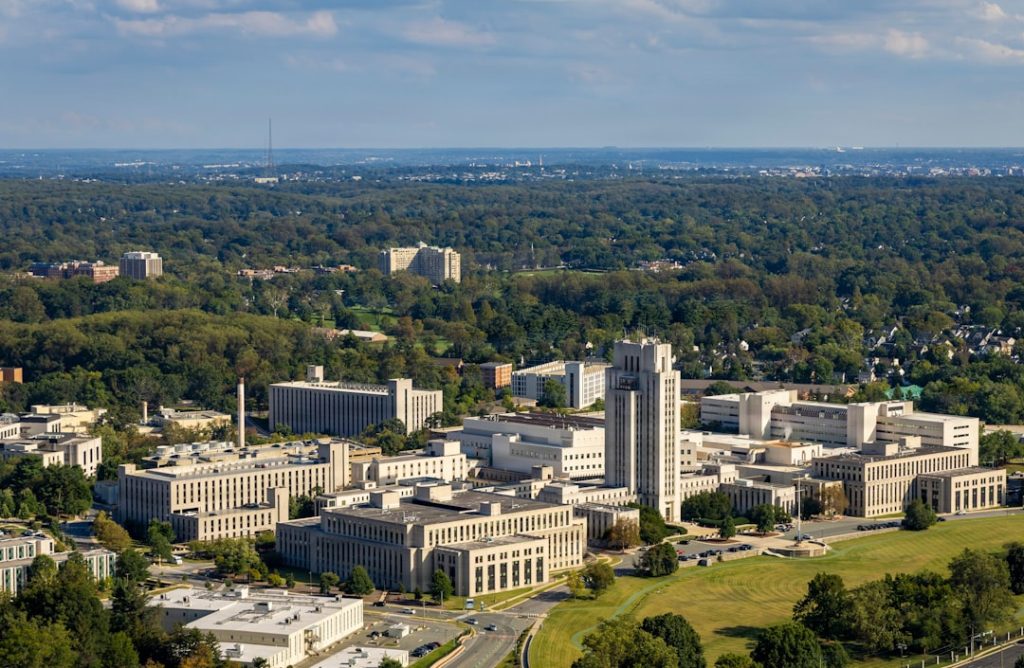
This article outlines the current research initiatives at Brookside Research Center (BRC), a facility dedicated to advancing understanding and treatment of various medical conditions. Established in 1982, BRC has a history of contributing foundational knowledge across several disciplines.
BRC’s oncology division focuses on translating basic scientific discoveries into clinical applications. The goal is to improve diagnostic precision and refine therapeutic strategies for various cancers.
Targeted Therapies for Solid Tumors

Researchers are exploring novel therapeutic agents that specifically target molecular pathways implicated in tumor growth and metastasis. This approach aims to reduce collateral damage to healthy tissues, a common drawback of traditional chemotherapy.
- EGFR Inhibition in Lung Cancer: Studies are underway investigating resistance mechanisms to existing epidermal growth factor receptor (EGFR) inhibitors. The focus is on identifying synergistic drug combinations that can overcome acquired resistance mutations.
- HER2-positive Breast Cancer Progression: Research explores the role of tumor microenvironment interactions in HER2-positive breast cancer progression. This includes evaluating the impact of stromal cells and immune infiltrates on therapeutic response to HER2-directed therapies.
Immunotherapy Development and Optimization
The immunotherapy program at BRC investigates methods to harness the body’s immune system to combat cancer. This involves exploring new checkpoint inhibitors, adoptive cell therapies, and vaccine strategies.
- CAR T-cell Therapy Enhancements: Efforts are directed at optimizing chimeric antigen receptor (CAR) T-cell therapy for solid tumors. This includes developing CARs with enhanced persistence and reduced on-target, off-tumor toxicities. Researchers are also exploring strategies to overcome the immunosuppressive tumor microenvironment that often limits CAR T-cell efficacy in solid cancers.
- Neoantigen Vaccine Platforms: BRC is developing personalized neoantigen vaccines. These vaccines are designed to activate a patient’s immune system against unique tumor-specific mutations, potentially offering a tailored approach to cancer treatment. Clinical trials are in early phases for melanoma and colorectal cancer.
Early Detection and Prognostic Biomarkers

Identifying cancer at its earliest stages and predicting disease trajectory are critical for effective intervention. BRC is committed to discovering and validating robust biomarkers.
- Liquid Biopsy for Pancreatic Cancer: Researchers are developing and validating liquid biopsy technologies for the early detection of pancreatic cancer. This involves analyzing circulating tumor DNA (ctDNA) and exosomes from blood samples to identify molecular signatures indicative of nascent tumors, potentially moving the diagnostic needle earlier.
- Genomic Profiling in Ovarian Cancer: The genomic profiling initiative aims to identify prognostic biomarkers in ovarian cancer. By analyzing comprehensive genomic data from tumor samples, researchers seek to stratify patients into risk groups and guide treatment decisions more effectively, moving beyond conventional staging.
Neuroscience and Neurological Disorders
The neuroscience division at BRC addresses a range of neurological conditions, from neurodegenerative diseases to neuropsychiatric disorders. The primary objective is to elucidate disease mechanisms and develop interventions that mitigate disease progression or restore function.
Alzheimer’s Disease Pathogenesis
Research into Alzheimer’s disease (AD) focuses on understanding the complex interplay of amyloid beta, tau pathology, and neuroinflammation.
- Tauopathy Mechanisms: Studies are investigating the mechanisms of tau protein aggregation and propagation. This includes characterizing post-translational modifications of tau and their impact on neuronal dysfunction and neurodegeneration.
- Microglial Activation and Amyloid Clearance: Researchers are exploring the role of microglial cells in amyloid beta clearance and neuroinflammation. The aim is to identify pathways that can modulate microglial activity to promote beneficial responses and reduce detrimental inflammation in AD.
Parkinson’s Disease Therapeutics
BRC’s Parkinson’s disease (PD) program focuses on protecting dopaminergic neurons and ameliorating motor and non-motor symptoms.
- Alpha-Synuclein Targeting: Investigations are underway into novel therapeutic strategies that target alpha-synuclein pathology, a hallmark of PD. This includes exploring small molecules and immunotherapies designed to reduce alpha-synuclein aggregation and propagation.
- Deep Brain Stimulation Refinement: Research aims to optimize deep brain stimulation (DBS) parameters for PD patients. This involves using advanced computational models and neuroimaging techniques to personalize stimulation settings and improve therapeutic outcomes.
Psychiatric Disorder Biomarkers
The identification of objective biomarkers for psychiatric disorders is a significant unmet need. BRC is working to bridge this gap.
- Neuroimaging for Major Depressive Disorder: Functional magnetic resonance imaging (fMRI) studies are exploring neural circuit dysfunction in major depressive disorder (MDD). The goal is to identify neuroimaging biomarkers that can predict treatment response to antidepressants and guide therapeutic choices.
- Genetic Risk Factors in Schizophrenia: A large-scale genetic study is underway to identify novel genetic risk factors and their interactions in schizophrenia. This research uses whole-genome sequencing data to uncover genetic variants that contribute to disease susceptibility and heterogeneity.
Cardiovascular Disease Research

The cardiovascular division at BRC is engaged in research spanning atherosclerosis, heart failure, and arrhythmias. The aim is to unravel underlying disease mechanisms and translate this knowledge into improved clinical outcomes.
Atherosclerosis Regression Strategies
Researchers are exploring novel approaches to induce regression of atherosclerotic plaques, traditionally a difficult therapeutic target.
- HDL-mimetic Peptides: Studies are investigating the therapeutic potential of high-density lipoprotein (HDL)-mimetic peptides. These peptides are designed to enhance cholesterol efflux from foam cells within atherosclerotic plaques, potentially leading to plaque stabilization and regression.
- Inflammation Resolution Pathways: Research focuses on identifying and manipulating inflammatory resolution pathways within the arterial wall. This includes exploring pro-resolving mediators and their impact on immune cell infiltration and plaque progression.
Heart Failure Pathophysiology
BRC’s heart failure program focuses on understanding the molecular and cellular events that lead to cardiac dysfunction and remodeling.
- Myocardial Fibrosis Mechanisms: Investigations are underway into the mechanisms driving myocardial fibrosis in heart failure. This includes studying the role of fibroblasts, extracellular matrix components, and signaling pathways that contribute to cardiac stiffness and impaired function.
- Mitochondrial Dysfunction in Ischemic Heart Disease: Researchers are examining mitochondrial dysfunction in the context of ischemic heart disease and its contribution to heart failure development. Strategies to protect mitochondrial integrity and function are being explored.
Arrhythmia Mechanisms and Management
The arrhythmia research program aims to understand the electrophysiological basis of cardiac arrhythmias and develop new diagnostic and therapeutic tools.
- Atrial Fibrillation Electrophysiology: Detailed electrophysiological mapping studies are being conducted to characterize the mechanisms underlying atrial fibrillation (AF). This includes identifying drivers and rotors that perpetuate AF, with the goal of improving ablation strategies.
- Genetic Predisposition to Ventricular Arrhythmias: A genetic epidemiology study is underway to identify genetic variants that predispose individuals to ventricular arrhythmias, particularly in the setting of structural heart disease. This research aims to improve risk stratification and guide preventative measures.
Regenerative Medicine and Tissue Engineering

BRC’s regenerative medicine program endeavors to repair, replace, or regenerate damaged tissues and organs using biological technologies.
Stem Cell Therapies for Organ Repair
Researchers are exploring various stem cell populations for their therapeutic potential in repairing damaged organs.
- Pluripotent Stem Cells in Myocardial Repair: Induced pluripotent stem cells (iPSCs) are being differentiated into cardiomyocytes and investigated for their ability to integrate into damaged myocardial tissue following infarction. The focus is on improving engraftment efficiency and preventing arrhythmogenesis.
- Mesenchymal Stem Cells for Osteoarthritis: Clinical trials are evaluating the use of mesenchymal stem cells (MSCs) for cartilage regeneration in osteoarthritis. Research focuses on optimizing delivery methods and assessing long-term efficacy and safety.
Bioengineered Scaffolds for Tissue Regeneration
The development of biocompatible and bioactive scaffolds is crucial for guiding tissue regeneration.
- Vascular Graft Engineering: Researchers are designing and testing bioengineered vascular grafts that mimic the mechanical and biological properties of native blood vessels. This aims to overcome limitations of synthetic grafts, such as thrombosis and infection.
- Neural Tissue Scaffolds: Biodegradable polymer scaffolds are being developed for neural tissue regeneration following spinal cord injury. These scaffolds are designed to support axonal regrowth and promote functional recovery by providing a permissive environment.
Gene Editing for Inherited Disorders
BRC is utilizing advanced gene editing technologies to address the root causes of inherited diseases.
- CRISPR/Cas9 for Cystic Fibrosis: Pre-clinical studies are underway investigating the use of CRISPR/Cas9 technology to correct the fundamental genetic defect in cystic fibrosis. The focus is on developing efficient and targeted delivery systems to respiratory epithelial cells.
- Base Editing for Sickle Cell Anemia: Researchers are exploring base editing strategies for the correction of the single nucleotide polymorphism responsible for sickle cell anemia. This approach aims for more precise genetic modification with fewer off-target effects than traditional CRISPR.
Infectious Diseases and Vaccinology
| Metric | Value | Details |
|---|---|---|
| Location | Brookside, Cleveland, OH | Part of Cleveland Clinic Health System |
| Type | Research Medical Center | Focus on clinical and translational research |
| Number of Beds | Approximately 150 | General medical and surgical care |
| Annual Patient Visits | Over 50,000 | Includes outpatient and inpatient visits |
| Research Areas | Cardiology, Oncology, Neurology | Focus on innovative treatments and clinical trials |
| Clinical Trials | 50+ active trials | Enrolling patients in various therapeutic areas |
| Staff | 500+ healthcare professionals | Includes physicians, researchers, and support staff |
| Accreditations | Joint Commission Accredited | Meets national healthcare quality standards |
The infectious diseases division at BRC is involved in understanding pathogen-host interactions, developing new antimicrobial agents, and advancing vaccine platforms.
Antiviral Drug Discovery
The focus is on identifying novel compounds that disrupt viral replication or entry, particularly for emerging and re-emerging viral threats.
- Broad-Spectrum Antivirals: Research is geared towards discovering broad-spectrum antiviral agents that can target multiple viral families. This involves high-throughput screening of chemical libraries and rational drug design based on conserved viral proteins.
- SARS-CoV-2 Resistance Mechanisms: Studies are investigating mechanisms of resistance to current antiviral therapies for SARS-CoV-2. This includes characterizing viral mutations that confer resistance and developing strategies to overcome them.
Antibiotic Resistance Mechanisms
BRC is dedicated to addressing the global challenge of antibiotic resistance by understanding how bacteria evade current treatments.
- Efflux Pump Inhibition: Researchers are developing inhibitors for bacterial efflux pumps, which expel antibiotics from bacterial cells. This strategy aims to resensitize resistant bacteria to existing antibiotics.
- Bacteriophage Therapy Development: The potential of bacteriophages as an alternative to antibiotics is being explored. This involves isolating and characterizing phages that specifically target multi-drug resistant bacterial strains.
Novel Vaccine Technologies
Advancing vaccine platforms is critical for preventing infectious diseases.
- Messenger RNA (mRNA) Vaccine Enhancements: Research focuses on optimizing mRNA vaccine delivery and immunogenicity. This includes developing novel lipid nanoparticle formulations and exploring adjuvant strategies to enhance immune responses.
- Vector-Based Vaccine Design: BRC is engaged in designing and testing new viral vector-based vaccines for diseases such as HIV and malaria. This involves engineering vectors to express target antigens and induce robust cellular and humoral immunity.
Conclusion
The research conducted at Brookside Research Center represents a multifaceted approach to addressing significant medical challenges. By operating across these diverse fields, BRC aims to generate scientific insights that ultimately translate into improved human health outcomes. The collaborative nature of the BRC environment, bringing together specialists from various disciplines, is considered a cornerstone of these efforts.
