

Kansas City’s Research Medical Center operates as a significant hub for healthcare investigation within the Midwest. The institution engages in various research endeavors, spanning basic science to late-stage clinical trials. Its work contributes to the broader medical knowledge base, with a focus on translating laboratory discoveries into clinical applications. The center’s research strategy emphasizes collaborative models, often involving partnerships with academic institutions, industry, and other healthcare providers.
The research conducted at Research Medical Center is overseen by its Institutional Review Board (IRB), ensuring ethical considerations and patient safety protocols are maintained throughout all studies. Funding for these initiatives derives from a combination of federal grants, private foundations, and internal institutional support. The center’s commitment to research is evident in its infrastructure, which includes dedicated laboratories, clinical research units, and a specialized team of research coordinators and data analysts.

Oncology research at Research Medical Center encompasses a spectrum of activities, from understanding the molecular mechanisms of cancer development to evaluating novel therapeutic interventions. Investigators here often operate at the confluence of disparate disciplines, much like a river carving its path through geological strata, revealing layers of understanding.
Precision Medicine Approaches in Cancer Treatment
The center is actively involved in precision medicine initiatives for oncology, which seek to tailor treatments based on individual patient characteristics, particularly genetic and genomic profiles. This approach moves away from a one-size-fits-all model, recognizing the heterogeneity of cancer even within the same diagnosis.
- Genomic Profiling and Targeted Therapies: Researchers utilize comprehensive genomic profiling to identify actionable mutations in tumor samples. This information guides the selection of targeted therapies, which are designed to specifically inhibit the activity of these mutated proteins or pathways critical for cancer cell growth and survival. Clinical trials are underway to assess the efficacy and safety of novel targeted agents across a range of cancer types, including lung, colorectal, and breast cancers.
- Immunotherapy Optimization: Immunotherapy has transformed cancer treatment for many patients. Research at the center focuses on optimizing existing immunotherapeutic strategies and developing new ones. This includes investigating biomarkers that predict response to immunotherapy, exploring combination therapies involving checkpoint inhibitors and other modalities, and developing cellular immunotherapies such as CAR T-cell therapy. The goal is to expand the number of patients who benefit from these powerful treatments and mitigate associated toxicities.
- Liquid Biopsy Applications: The development of liquid biopsies, which involve analyzing circulating tumor DNA (ctDNA) or other tumor-derived components in blood, represents a significant advancement. Researchers are exploring the utility of liquid biopsies for early cancer detection, monitoring treatment response, and detecting minimal residual disease or recurrence. This non-invasive approach offers advantages over traditional tissue biopsies, particularly for patients with inaccessible tumors or for serial monitoring.
Radiation Oncology Innovations

Improvements in radiation delivery and planning are a continuous area of investigation within the oncology division. The aim is to maximize tumor control while minimizing damage to healthy tissues, a delicate balance akin to a master sculptor removing only the superfluous material.
- Stereotactic Body Radiation Therapy (SBRT): Research focuses on refining SBRT techniques for various tumor sites, including lung, liver, and prostate. Studies evaluate optimal dosing schedules, fractionation schemes, and patient selection criteria to improve local control rates and reduce treatment-related toxicities.
- Intensity-Modulated Radiation Therapy (IMRT) and Proton Therapy: Investigations compare the dosimetric advantages and clinical outcomes of IMRT and, where applicable, proton therapy, particularly for complex tumor geometries and pediatric cases. The goal is to leverage these advanced technologies to achieve superior conformality and sparing of critical organs.
Cardiovascular Research: Pushing the Boundaries of Heart Health
Pivotal advancements in cardiovascular medicine have often emerged from dedicated research efforts. Research Medical Center’s cardiovascular division contributes to this ongoing progress, exploring both diagnostic and therapeutic innovations. The research here strives to understand the intricacies of the circulatory system, a complex network of arteries and veins, analogous to the intricate root system of a sprawling tree.
Advanced Imaging Techniques for Cardiac Diagnosis
Non-invasive cardiac imaging plays a crucial role in early diagnosis and risk stratification for cardiovascular diseases. Researchers are evaluating the clinical utility of emerging imaging modalities.
- Cardiac CT and MRI for Plaque Characterization: Studies investigate the ability of advanced cardiac computed tomography (CT) and magnetic resonance imaging (MRI) techniques to characterize atherosclerotic plaque composition and identify features associated with increased risk of rupture and myocardial infarction. This detailed plaque analysis offers potential for more precise risk assessment beyond simple luminal stenosis.
- Echocardiography Enhancements: Research explores the application of novel echocardiographic techniques, such as strain imaging and 3D echocardiography, for the assessment of myocardial function, valvular heart disease, and cardiomyopathies. These advancements provide more nuanced insights into cardiac mechanics than traditional 2D echocardiography.
Novel Therapeutic Strategies for Heart Failure
Heart failure remains a leading cause of morbidity and mortality. Research efforts target new approaches to prevent its progression and improve patient outcomes.
- Pharmacological Interventions: Clinical trials are conducted to evaluate the efficacy and safety of new pharmacological agents for heart failure with reduced ejection fraction (HFrEF) and heart failure with preserved ejection fraction (HFpEF). These trials often involve novel drug classes or repurposed existing medications.
- Device-Based Therapies: Research examines the optimization of existing device therapies, such as cardiac resynchronization therapy (CRT) and implantable cardioverter-defibrillators (ICDs), and explores the potential of newer devices for mechanical circulatory support or remote patient monitoring.
- Regenerative Medicine in Cardiology: Early-stage research investigates the potential of regenerative medicine approaches, including stem cell therapies, for repairing damaged myocardial tissue following ischemic injury or in the context of advanced heart failure. This area, still in its nascent stages, holds long-term promise.
Neurological & Neurosurgical Research: Probing the Brain’s Mysteries

The human brain, a convoluted labyrinth of neurons and pathways, presents a formidable frontier for medical investigation. Research Medical Center’s neurological and neurosurgical research initiatives endeavor to unravel its complexities and develop treatments for debilitating neurological conditions.
Stroke Prevention and Recovery
Stroke is a leading cause of disability. Research focuses on both preventing stroke occurrence and optimizing recovery for those who have experienced one.
- Advanced Neuroimaging for Acute Stroke: Investigations involve the use of advanced neuroimaging techniques, such as perfusion CT and MRI, for rapid and accurate diagnosis of acute ischemic stroke, guiding patient selection for reperfusion therapies like thrombectomy. The goal is to maximize the time window for intervention.
- Rehabilitation Strategies and Neuroplasticity: Researchers explore the efficacy of various rehabilitation strategies and their impact on enhancing neuroplasticity following stroke. This includes studies on motor retraining, cognitive rehabilitation, and the application of assistive technologies.
- Pharmacological Neuroprotection: Clinical trials are conducted to evaluate novel neuroprotective agents aimed at minimizing neuronal damage during and after an ischemic event.
Movement Disorder Innovations
Research in movement disorders, such as Parkinson’s disease and essential tremor, aims to improve symptomatic control and slow disease progression.
- Deep Brain Stimulation (DBS) Optimization: Studies focus on optimizing DBS parameters and targeting for various movement disorders, exploring patient selection criteria and long-term outcomes. The goal is to fine-tune this established therapy for maximal benefit.
- Pharmacological Developments for Parkinson’s Disease: Clinical trials assess new pharmacological agents designed to address motor and non-motor symptoms of Parkinson’s disease, including treatments targeting specific neurotransmitter systems or underlying pathological mechanisms.
Orthopedic and Sports Medicine Research: Restoring Form and Function
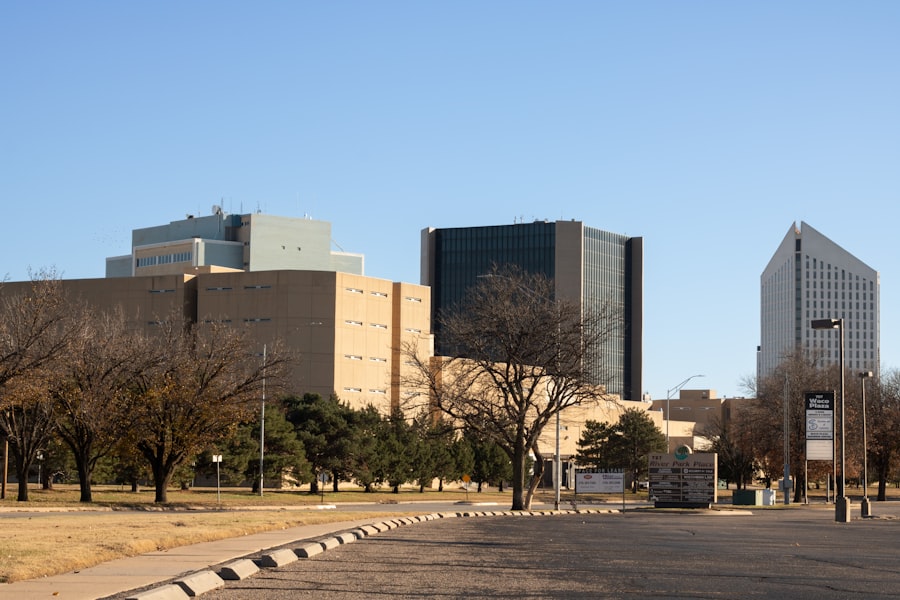
The musculoskeletal system, a sophisticated framework of bones, muscles, and connective tissues, allows for movement and provides structural support. Research in orthopedics and sports medicine at the center addresses injuries and degenerative conditions affecting this intricate system. The aim is not just to fix a broken part, but to restore the system to its optimal performance.
Joint Preservation and Regeneration
Efforts are concentrated on strategies to preserve joint function and, where possible, regenerate damaged articular cartilage.
- Cartilage Repair Techniques: Research investigates the efficacy of various cartilage repair techniques, including microfracture, autologous chondrocyte implantation (ACI), and osteochondral allograft transplantation. Studies assess long-term outcomes, functional improvements, and patient satisfaction.
- Biologic Augmentation: The use of biologic agents, such as platelet-rich plasma (PRP) and mesenchymal stem cells (MSCs), to enhance cartilage repair and reduce inflammation is a focus of ongoing investigation. These strategies aim to harness the body’s own healing capabilities.
Advanced Surgical Techniques in Arthroplasty
Improvements in joint replacement surgery aim to enhance longevity, reduce complications, and improve functional outcomes for patients with advanced degenerative joint disease.
- Minimally Invasive Joint Replacement: Comparative studies evaluate the advantages and disadvantages of minimally invasive approaches for total hip and knee arthroplasty, focusing on recovery time, pain management, and long-term implant survival.
- Robotic-Assisted Surgery: Research explores the precision and reproducibility offered by robotic-assisted surgical platforms in joint replacement, assessing their impact on implant positioning, soft tissue balancing, and patient outcomes.
Clinical Trials and Translational Research: Bridging the Gap
| Metric | Details |
|---|---|
| Name | Research Medical Center |
| Location | Kansas City, Missouri |
| Type | Acute Care Hospital |
| Number of Beds | 590 |
| Specialties | Cardiology, Oncology, Orthopedics, Neurosciences, Emergency Medicine |
| Annual Patient Visits | Over 100,000 |
| Emergency Department Visits | Approximately 60,000 per year |
| Accreditations | Joint Commission Accredited |
| Research Focus | Clinical Trials in Cardiology and Oncology |
| Affiliated University | University of Missouri-Kansas City |
Translational research serves as the bridge between basic scientific discoveries and their application in clinical practice. Research Medical Center actively participates in numerous clinical trials, which are essential for evaluating the safety and efficacy of new treatments and diagnostics. These trials are the crucible in which theoretical understanding is forged into practical medical tools.
Phase I-IV Clinical Trials
The center engages in clinical trials across all phases, each fulfilling a distinct role in the drug and device development process.
- Early Phase (I & II) Trials: Participation in Phase I and II trials allows investigators to assess the safety, dosage, and preliminary efficacy of novel drugs and treatments. These early-stage trials are critical for determining if a new intervention warrants further investigation.
- Late Phase (III & IV) Trials: The center frequently participates in larger Phase III trials, which compare new treatments to standard therapies, and Phase IV trials, which involve post-market surveillance to monitor long-term safety and effectiveness in a broader patient population.
Data Science and Health Outcomes Research
The increasing volume of healthcare data presents opportunities for identifying patterns and improving patient care. Data science approaches are being integrated into the center’s research strategy.
- Real-World Evidence (RWE) Generation: Using electronic health records (EHRs) and other real-world data sources, researchers generate evidence regarding the effectiveness and safety of treatments in real-world clinical settings, complementing findings from randomized controlled trials.
- Predictive Analytics for Patient Outcomes: Development and validation of predictive models using machine learning algorithms to identify patients at high risk for adverse events, readmissions, or disease progression. These models can inform proactive interventions and personalized care pathways.
- Health Economics and Outcomes Research (HEOR): Studies evaluate the economic impact of medical interventions and their value to patients and the healthcare system. This includes cost-effectiveness analyses and studies on quality-of-life outcomes.
By maintaining a robust research program, Research Medical Center aims to contribute to the advancement of medical science, ultimately impacting patient care within Kansas City and beyond. The institution’s diversified research portfolio reflects its commitment to addressing a wide array of health challenges, from chronic diseases to acute conditions.
