

The Missouri Research Center (MRC) is a facility dedicated to advancing biomedical understanding and clinical applications. Its work encompasses a broad spectrum of disciplines, ranging from fundamental cellular processes to translational studies aimed at improving patient outcomes. This overview examines several key research areas within the MRC, highlighting their methodologies and objectives.
Gene editing, often likened to a molecular scalpel, allows for precise modifications to an organism’s DNA. At the MRC, researchers are exploring and refining various gene editing platforms, with a particular focus on their therapeutic potential.
CRISPR-Cas Systems Development

The Clustered Regularly Interspaced Short Palindromic Repeats (CRISPR) and CRISPR-associated proteins (Cas) system has revolutionized genetics. MRC scientists are not merely applying existing CRISPR tools but are actively engaged in developing novel CRISPR-Cas variants. This involves engineering Cas proteins with altered specificities, improved delivery mechanisms, and reduced off-target effects. For instance, recent projects have focused on developing base editors that can change individual nucleotides without inducing double-strand breaks, a technique that minimizes the risk of unwanted genomic rearrangements. The long-term goal is to enhance the safety and efficacy of CRISPR for gene therapy applications.
Non-Viral Gene Delivery Methods
While viral vectors have been successful in gene delivery, their immunogenicity and packaging limitations present challenges. The MRC is investigating alternative, non-viral approaches. This includes the development of lipid nanoparticles (LNPs) and polymeric nanoparticles designed to encapulate nucleic acids and transport them into target cells. Research in this area involves optimizing particle size, surface chemistry, and lipid composition to achieve efficient cellular uptake and endosomal escape. The objective is to create safer and more scalable gene delivery systems, particularly for systemic treatments where widespread cellular targeting is required.
Therapeutic Applications of Gene Editing

The ultimate aim of gene editing research at the MRC is therapeutic translation. Projects are underway to address genetic disorders such as cystic fibrosis, sickle cell anemia, and certain neurodegenerative diseases. This involves in vitro validation of gene edits in patient-derived cell lines, followed by in vivo studies in animal models. The focus is on demonstrating correction of pathogenic mutations and restoration of normal cellular function. Additionally, researchers are exploring gene editing to enhance cancer immunotherapies, for example, by modifying T cells to improve their tumor-killing capabilities.
Regenerative Medicine and Tissue Engineering
Regenerative medicine seeks to repair or replace damaged tissues and organs. The MRC’s efforts in this area involve a multidisciplinary approach, combining insights from stem cell biology, materials science, and bioengineering.
Stem Cell Therapy Research
Stem cells, with their capacity for self-renewal and differentiation, are central to regenerative medicine. MRC researchers are investigating various types of stem cells, including induced pluripotent stem cells (iPSCs), mesenchymal stem cells (MSCs), and embryonic stem cells (ESCs), though the latter is subject to stricter ethical guidelines and research focuses on their differentiation potential rather than direct clinical application within the MRC. A significant portion of the work involves directing stem cell differentiation into specific cell types, such as cardiomyocytes, neurons, or pancreatic beta cells, for therapeutic purposes. This involves meticulous control over growth factors, culture conditions, and extracellular matrix interactions.
Biomaterials for Tissue Regeneration
The development of biocompatible and biodegradable scaffolds is critical for tissue engineering. The MRC utilizes a range of natural and synthetic biomaterials, including hydrogels, polymers, and ceramics. These materials are engineered to mimic the extracellular matrix (ECM) of native tissues, providing structural support and biochemical cues to guide cell growth and differentiation. Research includes modifying material properties such as porosity, stiffness, and degradation rate to match the requirements of specific tissue types. For example, porous scaffolds are being developed for bone regeneration, while softer hydrogels are explored for neural tissue repair.
Organ-on-a-Chip Systems
Addressing the limitations of traditional animal models and 2D cell cultures, the MRC is developing organ-on-a-chip systems. These microfluidic devices, which can be thought of as miniature living laboratories, simulate the physiological microenvironment and functionality of human organs. Researchers are creating chip models of the heart, liver, kidney, and lung to study disease mechanisms, drug toxicity, and evaluate new therapies. The goal is to provide a more accurate and efficient platform for preclinical testing, potentially reducing reliance on animal experimentation and accelerating drug development.
Neuroscientific Investigations
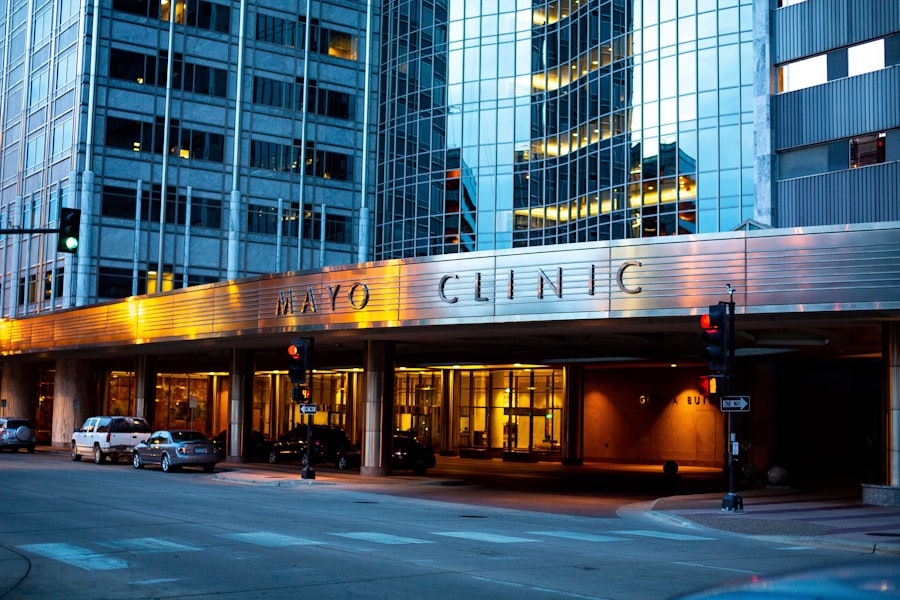
The MRC maintains a significant research portfolio in neuroscience, aiming to decipher the complexities of the brain and develop interventions for neurological and psychiatric disorders.
Molecular Mechanisms of Neurodegeneration
Understanding the pathogenesis of neurodegenerative diseases such as Alzheimer’s, Parkinson’s, and Huntington’s disease is a priority. MRC scientists employ a combination of biochemical, genetic, and imaging techniques to investigate the molecular mechanisms underlying neuronal dysfunction and death. This includes studying protein aggregation, mitochondrial dysfunction, oxidative stress, and neuroinflammation. Animal models and patient-derived iPSC models are used to explore disease progression and test potential therapeutic agents.
Neural Circuitry and Behavior
Beyond individual cells, researchers are also mapping and manipulating neural circuits to understand their role in behavior, cognition, and emotion. Techniques such as optogenetics and chemogenetics allow for precise control over neuronal activity. Electrophysiological recordings and advanced imaging modalities are employed to observe real-time neuronal firing and connectivity. This work contributes to a fundamental understanding of brain function and provides insights into the neural basis of disorders such as depression, anxiety, and addiction.
Novel Therapeutic Strategies for Neurological Disorders
Translating foundational neuroscientific discoveries into clinical interventions is a central aim. The MRC is exploring various therapeutic avenues. This includes the development of small molecule inhibitors to target specific pathological pathways, gene therapies to correct genetic defects, and cell-based therapies to replace damaged neurons or support existing ones. Deep brain stimulation (DBS) is also being investigated for its potential in conditions like Parkinson’s disease and severe depression, with research focusing on optimizing electrode placement and stimulation parameters.
Cancer Research and Precision Oncology

Cancer remains a formidable health challenge. The MRC’s cancer research program encompasses a spectrum of activities, from basic oncogenesis to the personalization of cancer treatment.
Tumor Microenvironment Studies
Cancer is not solely a disease of rogue cells; the surrounding microenvironment plays a critical role in tumor initiation, progression, and metastasis. MRC researchers are dissecting the components of the tumor microenvironment, including immune cells, fibroblasts, blood vessels, and extracellular matrix. Understanding the complex interplay within this milieu is crucial for developing therapies that can disrupt tumor growth and prevent resistance. Techniques such as single-cell RNA sequencing and spatial transcriptomics are used to characterize the cellular landscape of tumors.
Immunotherapy Enhancement
Immunotherapy has transformed cancer treatment, but many patients do not respond or develop resistance. The MRC is dedicated to refining existing immunotherapies and developing new strategies. This involves identifying biomarkers to predict responsiveness, engineering T cells with enhanced tumor-targeting capabilities (e.g., CAR T-cells), and developing oncolytic viruses that selectively infect and destroy cancer cells while stimulating an anti-tumor immune response. Combination therapies, where immunotherapy is paired with chemotherapy, radiation, or targeted agents, are also under investigation. Think of this as tuning an orchestra where each instrument represents a different therapeutic modality, and the goal is to achieve maximal synergy.
Liquid Biopsies and Biomarker Discovery
Early detection and real-time monitoring of cancer are critical. The MRC is actively developing liquid biopsy techniques, which involve analyzing circulating tumor DNA (ctDNA), circulating tumor cells (CTCs), and exosomes from blood samples. These non-invasive methods offer the potential for detecting cancer at earlier stages, monitoring treatment response, and identifying emerging resistance mutations. Research involves optimizing extraction protocols, developing highly sensitive detection assays, and validating potential biomarkers in large patient cohorts.
Infectious Disease Research
| Metric | Value | Details |
|---|---|---|
| Location | Columbia, Missouri | University of Missouri Health Care campus |
| Type | Academic Medical Center | Part of University of Missouri Health System |
| Number of Beds | 247 | Includes specialized care units |
| Annual Patient Visits | Over 500,000 | Includes outpatient and inpatient visits |
| Research Funding | Approximately 100 million | Annual research grants and contracts |
| Specialties | Cardiology, Oncology, Neurology, Transplant, Pediatrics | Leading programs in Missouri |
| Affiliated University | University of Missouri | School of Medicine and Health Sciences |
| Number of Employees | 3,000+ | Includes medical staff, researchers, and support personnel |
| Accreditations | Joint Commission, CARF, CAP | Recognized for quality and safety standards |
The ongoing threat of infectious diseases necessitates continuous research into pathogenesis, diagnostics, and therapeutics. The MRC is involved in addressing bacterial, viral, and parasitic infections.
Host-Pathogen Interactions
Understanding how pathogens interact with their human hosts is fundamental to developing effective interventions. MRC scientists investigate the molecular mechanisms by which microbes evade the immune system, establish infection, and cause disease. This includes studying bacterial toxins, viral replication cycles, and parasitic immune evasion strategies. Advanced microscopy and genomic sequencing are employed to observe these interactions at a cellular and molecular level, providing insight into the vulnerabilities of pathogens.
Antimicrobial Resistance Mechanisms
Antimicrobial resistance (AMR) is a global health crisis. The MRC is engaged in identifying and characterizing novel mechanisms of drug resistance in bacteria, viruses, and fungi. This involves genomic sequencing of resistant strains, biochemical analysis of resistance genes, and structural biology approaches to understand how pathogens modify or inactivate antimicrobial agents. The information gained informs the development of new diagnostic tests and strategies to overcome resistance.
Vaccine Development and Therapeutic Antibodies
Preventative measures, particularly vaccines, are often the most effective tools against infectious diseases. The MRC is pursuing the development of novel vaccines, utilizing platforms such as mRNA technology and subunit vaccines. This involves identifying conserved antigenic targets and optimizing adjuvant formulations to elicit robust and long-lasting immune responses. Additionally, therapeutic antibodies are being developed to neutralize pathogens or modulate the host immune response during infection, providing targeted interventions for difficult-to-treat diseases.
The Missouri Research Center’s endeavors across these diverse fields underscore its commitment to pushing the boundaries of medical science. The collaborative atmosphere and integration of various disciplines aim to translate fundamental discoveries into tangible improvements in human health, serving as a conduit between basic science laboratories and clinical practice.
