
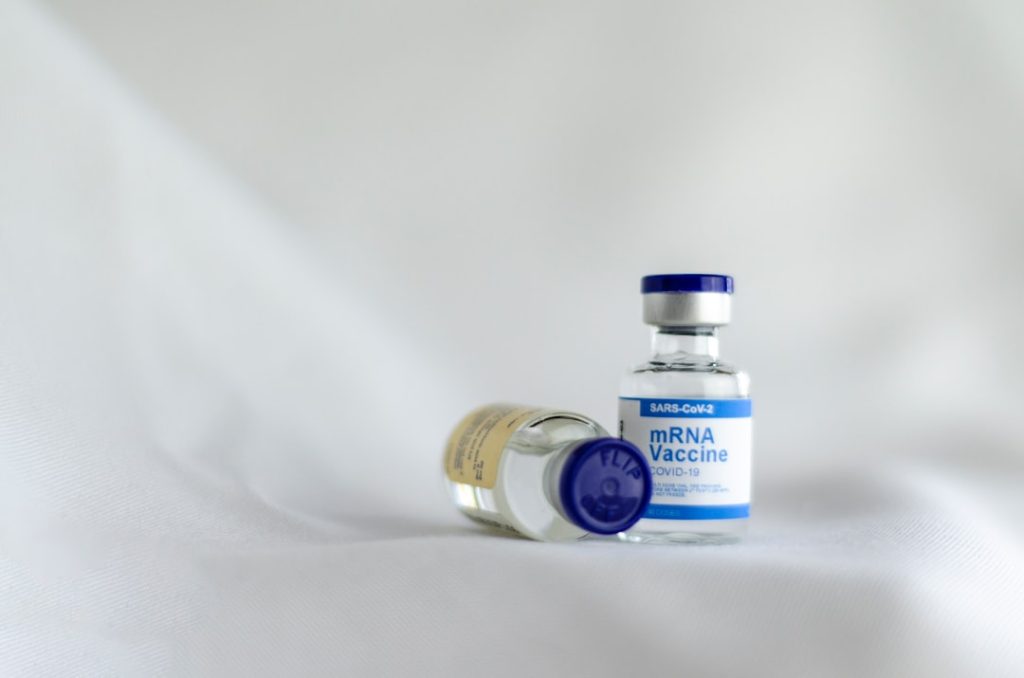
Research Medical Center (RMC) in Kansas City, Missouri, is a healthcare institution engaged in diversified medical research. Its research endeavors encompass a range of disciplines, from preclinical investigations to late-phase clinical trials. RMC contributes to the broader scientific community through its participation in multi-center studies and its internal research initiatives.
RMC’s involvement in medical research is rooted in its establishment as a medical facility serving the Kansas City metropolitan area. Initially focused on patient care, the institution gradually integrated research activities into its operational framework. This evolution was driven by a recognition of the symbiotic relationship between clinical practice and scientific inquiry. Early research efforts often stemmed from observational studies of patient cohorts, leading to more structured investigations over time.
Early Research Initiatives

In its nascent stages, research at RMC primarily involved physician-initiated projects. These projects, often small in scale, addressed immediate clinical questions encountered in daily practice. Data collection focused on patient outcomes, treatment efficacy, and disease progression. Publications from this era typically appeared in regional medical journals, contributing to local medical knowledge. The institutional review board (IRB), a cornerstone of ethical research, was established to oversee these early investigations and ensure patient safety and informed consent.
Transition to Formalized Research Programs
The mid-20th century marked a period of increasing professionalization for medical research at RMC. The establishment of dedicated research departments and the recruitment of full-time research staff signaled a shift toward more formalized programs. Funding mechanisms diversified, moving beyond internal allocations to include grants from federal agencies like the National Institutes of Health (NIH) and private foundations. This era saw a significant increase in the complexity and scope of research projects, including the initiation of clinical trials for novel therapeutics. The emphasis shifted towards hypothesis-driven research with rigorous methodologies.
Current Research Infrastructure

Today, RMC operates a comprehensive research infrastructure. This includes dedicated research laboratories, a clinical research unit (CRU), and specialized core facilities providing services such as biostatistics and bioinformatics. The research enterprise is overseen by an Office of Research, which manages regulatory compliance, grant administration, and research ethics. Collaborations with academic institutions, biotechnology companies, and other healthcare providers are a common feature of RMC’s current research landscape, reflecting the increasingly interconnected nature of scientific discovery.
Oncology Research Initiatives
Oncology research constitutes a significant portion of RMC’s research portfolio. The institution participates in a variety of studies aimed at improving cancer prevention, diagnosis, and treatment. These include investigations into novel chemotherapeutic agents, immunotherapies, radiation oncology techniques, and supportive care interventions.
Targeted Therapies and Immunotherapy Trials
RMC is actively involved in clinical trials evaluating targeted therapies, which are designed to interfere with specific molecular pathways involved in cancer growth and progression. These trials often enroll patients with specific genetic mutations in their tumors, aiming to deliver a more precise and effective treatment. Immunotherapy trials, another key area, explore treatments that harness the body’s immune system to fight cancer. This includes studies on checkpoint inhibitors, cellular therapies (e.g., CAR T-cell therapy), and cancer vaccines. The goal is to provide durable responses and improve overall survival for patients with various cancer types.
Radiation Oncology Advancements
Research in radiation oncology at RMC focuses on optimizing radiation delivery techniques and integrating them with other modalities. This includes studies on stereotactic body radiation therapy (SBRT) and intensity-modulated radiation therapy (IMRT), which aim to deliver high doses of radiation to tumors while sparing surrounding healthy tissues. Additionally, researchers investigate the biological effects of radiation on cancer cells and the body’s immune response to radiation, seeking to enhance treatment efficacy and reduce side effects. This involves understanding radiation as a conductor, guiding the electrical current of treatment precisely to the tumor while avoiding vital organs.
Palliative Care and Survivorship Studies
Beyond curative treatments, RMC also conducts research in palliative care and cancer survivorship. These studies address the physical, psychological, and social needs of cancer patients throughout their disease trajectory and beyond. Research topics include symptom management, quality of life improvement, psychological interventions, and long-term surveillance strategies for cancer survivors. The aim is to mitigate the burden of cancer and improve the holistic well-being of patients and their families.
Cardiovascular Research Programs
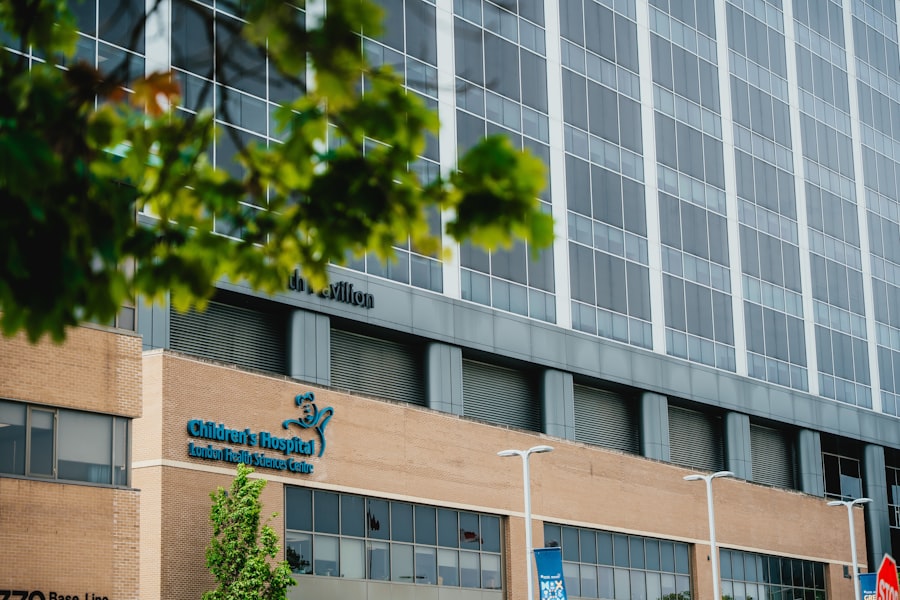
Cardiovascular research at RMC explores the prevention, diagnosis, and treatment of heart and vascular diseases. This includes studies in cardiology, cardiac surgery, and vascular medicine. The focus ranges from understanding fundamental disease mechanisms to evaluating the efficacy of new interventional procedures and pharmacological agents.
Interventional Cardiology Trials
RMC participates in clinical trials focusing on novel interventional cardiology procedures. These often involve new devices and techniques for treating coronary artery disease, valvular heart disease, and structural heart conditions. Examples include trials for transcatheter aortic valve replacement (TAVR) systems, percutaneous mitral valve repair devices, and innovative stent technologies. The objective is to enhance the safety and effectiveness of these procedures, leading to improved patient outcomes and reduced recovery times. Consider these interventions as expert mechanics performing delicate repairs on a high-performance engine, striving for optimal function.
Heart Failure Management Studies
Research in heart failure management at RMC encompasses pharmacological, device-based, and lifestyle interventions. Clinical trials examine the efficacy of new medications for heart failure, including novel diuretics, inotropes, and neurohormonal antagonists. Additionally, studies investigate the role of implantable cardiac devices, such as cardiac resynchronization therapy (CRT) and left ventricular assist devices (LVADs), in improving heart function and patient prognosis. Behavioral interventions and patient education programs designed to optimize self-management of heart failure are also a subject of investigation.
Vascular Disease Research
Vascular disease research at RMC addresses conditions affecting arteries and veins, including peripheral artery disease, abdominal aortic aneurysms, and venous thromboembolism. Studies involve the evaluation of new surgical techniques, endovascular interventions, and pharmacological therapies. Researchers also investigate risk factors for vascular disease progression and explore strategies for early detection and prevention. This area often involves exploring how to clear blocked pipelines and reinforce weakened conduits in the body, ensuring smooth and efficient flow.
Neurological Research Initiatives
Neurological research at RMC investigates disorders of the brain, spinal cord, and peripheral nervous system. This includes studies in stroke, epilepsy, neurodegenerative diseases, and neuro-oncology. The research aims to advance understanding of these complex conditions and develop more effective diagnostic and therapeutic approaches.
Stroke Prevention and Treatment Trials
RMC is involved in clinical trials for stroke prevention and acute stroke treatment. These include studies evaluating new antiplatelet and anticoagulant medications for primary and secondary stroke prevention. In the acute phase, research focuses on optimizing thrombolytic therapies (clot-busting drugs) and endovascular thrombectomy techniques (mechanical clot removal). Researchers also investigate neuroprotective strategies aimed at minimizing brain damage during and after a stroke, acting as a rapid response team to prevent further damage after an earthquake, or a stroke, has struck. Rehabilitation interventions after stroke are also a key area of study, aiming to restore function and improve quality of life.
Epilepsy and Movement Disorder Studies
Research in epilepsy at RMC encompasses both pharmacological and surgical interventions. Clinical trials evaluate new antiepileptic drugs with different mechanisms of action, aiming to achieve better seizure control with fewer side effects. Studies also explore advanced neuroimaging techniques for precisely localizing seizure foci prior to surgical resection. For movement disorders such as Parkinson’s disease, research focuses on novel pharmacological treatments, deep brain stimulation (DBS) therapies, and non-pharmacological interventions designed to improve motor and non-motor symptoms.
Neuro-Oncology Research
In neuro-oncology, RMC conducts research into brain tumors, both primary and metastatic. This includes clinical trials for new chemotherapeutic agents, targeted therapies, and immunotherapies specifically designed for central nervous system malignancies. Researchers also investigate advanced radiation techniques, such as stereotactic radiosurgery, for localized brain tumors. Understanding the unique challenges of drug delivery across the blood-brain barrier is another critical aspect of this research, similar to navigating a fortified city to deliver vital supplies.
Translational Research and Collaborative Efforts
| Metric | Value | Details |
|---|---|---|
| Location | Columbia, Missouri | University of Missouri Health Care |
| Number of Beds | 400+ | Includes inpatient and specialty care beds |
| Annual Patient Visits | Over 200,000 | Outpatient and inpatient combined |
| Research Funding | Over 100 million | Annual research grants and contracts |
| Specialties | Cardiology, Oncology, Neurology, Orthopedics | Top ranked specialties at the center |
| Number of Research Studies | 300+ | Active clinical trials and research projects |
| Staff | 3,000+ | Includes physicians, researchers, and support staff |
Translational research forms a vital bridge at RMC, connecting basic scientific discoveries with clinical applications. This approach accelerates the development of new treatments and diagnostics by moving findings from the laboratory bench to the patient bedside. Collaborative efforts, both internal and external, amplify the impact of RMC’s research endeavors.
Bench-to-Bedside Research Pipeline
The “bench-to-bedside” pipeline at RMC involves a structured process where insights gained from fundamental scientific research are translated into clinical interventions. This begins with preclinical studies using cell cultures and animal models to test the efficacy and safety of new compounds or therapeutic strategies. Promising candidates then move into early-phase clinical trials (Phase I and II) in human subjects to assess safety, dosage, and preliminary efficacy. Successful interventions may then proceed to larger Phase III trials and, ultimately, to regulatory approval and widespread clinical use. This pipeline is like a meticulously planned journey, guiding discoveries from the controlled environment of the lab to the complex reality of human health.
Industry Partnerships and Academic Collaborations
RMC actively fosters partnerships with pharmaceutical companies, biotechnology firms, and medical device manufacturers. These collaborations often involve participating in industry-sponsored clinical trials, which provide access to cutting-edge therapies and technologies. Furthermore, RMC maintains collaborations with academic institutions, including universities and research centers. These academic partnerships facilitate the exchange of expertise, shared access to specialized resources, and participation in multi-center research consortia, thereby expanding the scope and intellectual breadth of RMC’s research.
Community Engagement in Research
Engaging the local community is a key aspect of RMC’s research strategy. This involves educating the public about ongoing research studies, encouraging participation in clinical trials, and addressing health disparities within the community. Community advisory boards and patient advocacy groups often play a role in shaping research priorities and ensuring that research endeavors are relevant and responsive to community needs. This ensures that the research, like a well-tended garden, produces fruits that directly benefit the surrounding community. Efforts are made to ensure diverse representation in clinical trials to ensure the generalizability of research findings to a broader population.
By maintaining a robust research program, Research Medical Center continues to contribute to the advancement of medical knowledge and the improvement of patient care in the Kansas City region and beyond. Its commitment to addressing critical health challenges through scientific inquiry remains a defining characteristic of the institution.
