

This article provides an overview of current research initiatives underway at Medical Center Brookside Campus. It aims to inform readers about the scope and direction of scientific inquiry conducted at the facility, highlighting areas of focus and notable methodologies.
Oncology research at Brookside Campus encompasses a broad spectrum, from fundamental biological investigations into cancer mechanisms to the development and evaluation of novel therapeutic strategies. The focus is on translating laboratory findings into improved patient care.
Precision Medicine in Cancer Treatment

Precision medicine, a cornerstone of contemporary oncology, is a significant area of research. This involves tailoring treatment approaches based on an individual’s genetic makeup, lifestyle, and environment. Researchers at Brookside are exploring genetic biomarkers that predict treatment response and resistance.
- Genomic Sequencing for Drug Responsiveness: Projects here leverage high-throughput genomic sequencing to identify specific mutations or gene expression patterns in tumor samples. This information is then correlated with patient outcomes following various targeted therapies. For instance, in non-small cell lung cancer, researchers are investigating the efficacy of EGFR inhibitors in patients with specific EGFR mutations, aiming to refine patient selection criteria. This is like a locksmith analyzing the unique tumblers of a lock before selecting the optimal key, rather than trying every key indiscriminately.
- Liquid Biopsies for Early Detection and Monitoring: The development of liquid biopsy techniques is another key area. These non-invasive tests analyze circulating tumor DNA (ctDNA) in blood samples. Research focuses on improving the sensitivity and specificity of ctDNA detection for early cancer diagnosis, monitoring treatment response, and detecting minimal residual disease. Imagine these ctDNA fragments as microscopic breadcrumbs dropped by a tumor, allowing researchers to track its presence and activity without an invasive surgical procedure.
Immunotherapy Advancement
Immunotherapy, which harnesses the body’s own immune system to fight cancer, represents a paradigm shift in cancer treatment. Research at Brookside aims to enhance the effectiveness of existing immunotherapies and discover new targets.
- CAR T-cell Therapy Optimization: While CAR T-cell therapy has shown significant promise in hematological malignancies, its application in solid tumors remains a challenge. Research efforts are directed towards designing CAR T-cells with improved tumor-targeting capabilities and resistance to the immunosuppressive tumor microenvironment. This involves engineering CAR T-cells with novel co-stimulatory domains and exploring combinations with other therapeutic agents. Consider CAR T-cells as specialized immune system snipers, and researchers are refining their targeting systems and ammunition to more effectively engage elusive tumor cells.
- Checkpoint Inhibitor Combinations: Checkpoint inhibitors have revolutionized cancer treatment by blocking proteins that prevent the immune system from attacking cancer cells. Research at Brookside investigates optimal combinations of different checkpoint inhibitors or their combination with chemotherapy, radiation, or targeted therapies to overcome resistance and broaden the patient population who benefit. This is akin to assembling a diverse array of tools in a toolbox, each contributing to a more effective overall attack against the cancerous target.
Cardiovascular Disease Research

Research in cardiovascular disease at Brookside Campus addresses a multitude of conditions affecting the heart and blood vessels. The overarching goal is to improve prevention, diagnosis, and treatment strategies, thereby reducing morbidity and mortality.
Novel Therapeutic Targets for Heart Failure
Heart failure, a progressive condition where the heart cannot pump enough blood to meet the body’s needs, remains a significant public health challenge. Researchers are exploring new molecular pathways and therapeutic targets to improve cardiac function.
- Mitochondrial Dysfunction in Heart Failure: A prominent area of investigation is the role of mitochondrial dysfunction in heart failure pathophysiology. Mitochondria, the “powerhouses” of the cell, are crucial for cardiac energy production. Research aims to identify specific mitochondrial defects in failing hearts and develop interventions to restore mitochondrial function. This includes exploring pharmaceutical agents that enhance mitochondrial biogenesis or improve mitochondrial dynamics. Here, researchers are like meticulous mechanics, examining the engine of a failing heart (the mitochondria) to identify and repair faulty components.
- Gene Therapy for Myocardial Regeneration: Gene therapy approaches are being explored for their potential to stimulate myocardial regeneration and repair damaged heart muscle. This involves delivering genetic material into heart cells to express proteins that promote cell survival, proliferation, or differentiation. While still in early phases, these studies hold promise for fundamentally altering the course of heart failure.
Advanced Imaging Techniques for Atherosclerosis
Atherosclerosis, the buildup of plaque in the arteries, is a leading cause of cardiovascular disease. Research focuses on optimizing imaging modalities for earlier and more accurate detection of atherosclerotic plaques and their vulnerability.
- High-Resolution MRI for Plaque Characterization: High-resolution magnetic resonance imaging (MRI) is being investigated for its ability to non-invasively characterize atherosclerotic plaque components, such as lipid core size, fibrous cap thickness, and intra-plaque hemorrhage. This detailed information can help assess plaque stability and predict the risk of rupture, which can lead to heart attacks or strokes. Think of this as taking an internal photograph of the artery wall with microscopic precision, revealing the granular details of plaque composition.
- PET/CT for Inflammation in Atherosclerosis: Positron emission tomography (PET) combined with computed tomography (CT) is being used to image inflammation within atherosclerotic plaques. Inflammatory processes play a critical role in plaque progression and destabilization. Researchers are identifying novel PET tracers that specifically target inflammatory cells or markers within the plaque, offering a more dynamic assessment of disease activity. This allows researchers to detect the “hot spots” of inflammation within the arterial system, signaling areas of potential vulnerability.
Neurological Disease Research
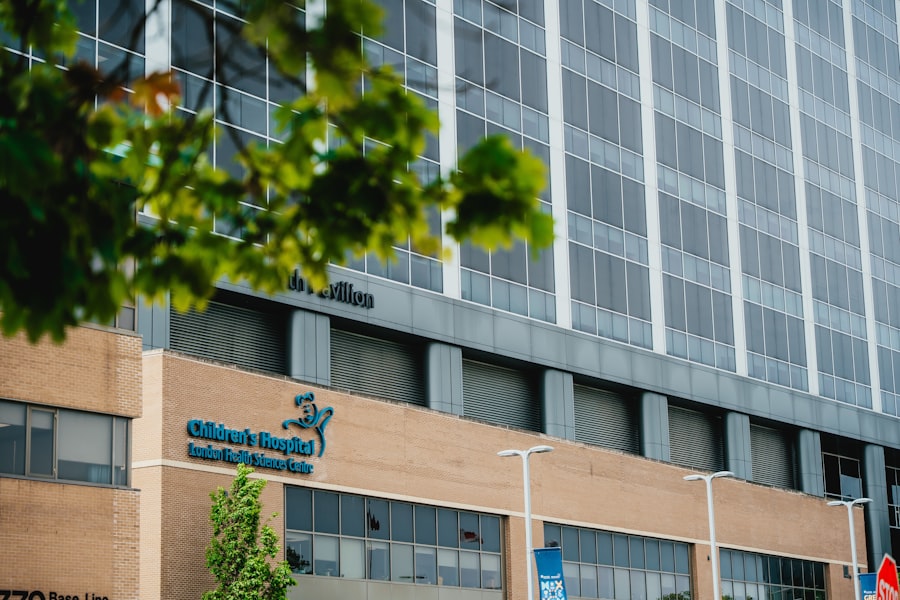
Neurological research at Brookside Campus addresses a spectrum of disorders affecting the brain, spinal cord, and nerves. The aim is to unravel the complexities of these conditions and translate discoveries into effective treatments.
Neurodegenerative Disease Mechanisms
Neurodegenerative diseases, such as Alzheimer’s and Parkinson’s, are characterized by progressive loss of neurons. Research focuses on understanding the underlying cellular and molecular mechanisms to identify new therapeutic targets.
- Protein Misfolding and Aggregation: A common hallmark of many neurodegenerative diseases is the misfolding and aggregation of specific proteins, such as amyloid-beta and tau in Alzheimer’s disease, or alpha-synuclein in Parkinson’s disease. Researchers are investigating the mechanisms by which these misfolded proteins initiate neurotoxicity and exploring strategies to prevent their aggregation or promote their clearance. This is akin to understanding how faulty construction materials (misfolded proteins) can lead to the structural collapse of a building (neurons).
- Neuroinflammation in Disease Progression: The role of neuroinflammation, chronic activation of immune cells in the brain, is increasingly recognized in neurodegenerative disease progression. Research examines the delicate balance between protective and detrimental inflammatory responses and explores targets to modulate neuroinflammation. This involves studying microglia, the brain’s resident immune cells, and their activation states in various disease models.
Stroke Recovery and Rehabilitation
Stroke, a sudden interruption of blood flow to the brain, can cause significant and lasting disability. Research focuses on optimizing acute stroke treatment and developing innovative strategies for rehabilitation.
- Neuroplasticity Enhancement: Post-stroke recovery heavily relies on neuroplasticity, the brain’s ability to reorganize itself. Researchers are investigating pharmacological and non-pharmacological interventions that can enhance neuroplasticity and promote functional recovery. This includes studies on targeted brain stimulation techniques and novel rehabilitation protocols. This is like guiding the brain’s natural ability to rewire itself after damage, encouraging the formation of new connections.
- Biomarkers for Personalized Rehabilitation: Identifying biomarkers that predict an individual’s potential for recovery and optimal rehabilitation strategies is a critical area of research. This involves analyzing genetic factors, neuroimaging markers, and circulating proteins to personalize rehabilitation plans. This approach shifts away from a one-size-fits-all model towards a more tailored rehabilitation journey for each patient.
Infectious Disease Research
Infectious disease research at Brookside Campus addresses emerging pathogens, antibiotic resistance, and vaccine development. The focus is on protecting public health through a combination of basic science and clinical trials.
Antimicrobial Resistance Mechanisms
The increasing threat of antimicrobial resistance (AMR) necessitates ongoing research into bacterial defense mechanisms and the development of new antibacterial agents.
- Bacterial Efflux Pump Inhibitors: Bacteria often employ efflux pumps to expel antibiotics from their cells, rendering them resistant. Researchers are investigating compounds that can inhibit these efflux pumps, effectively restoring the efficacy of existing antibiotics. This is like disabling a pump that a bacterium uses to bail out water from a sinking ship, making it more vulnerable to attack.
- Phage Therapy as an Alternative: Bacteriophages, viruses that specifically infect and kill bacteria, are gaining renewed interest as a potential therapy for antibiotic-resistant infections. Research involves identifying and characterizing novel phages that target specific pathogenic bacteria and developing standardized protocols for phage manufacturing and clinical application. This resurrects an old idea, using nature’s own bacterial predators to fight infections.
Vaccine Development and Immunology
Vaccines are a cornerstone of public health, and research efforts are directed towards developing new vaccines and improving the efficacy of existing ones.
- Mucosal Immunity for Respiratory Pathogens: For respiratory pathogens, stimulating mucosal immunity (immune responses at mucosal surfaces like the nasal passages) is crucial for preventing infection. Researchers are exploring novel vaccine delivery platforms and adjuvants that can elicit robust mucosal immune responses against pathogens like influenza and SARS-CoV-2. This is like building a localized defense system directly at the entry points of respiratory pathogens.
- Next-Generation Adjuvants: Adjuvants are components added to vaccines to enhance the immune response. Research focuses on developing next-generation adjuvants that can elicit stronger, more durable, and more targeted immune responses while minimizing adverse effects. This involves understanding the precise mechanisms by which adjuvants activate immune cells. These adjuvants are essentially the “turbochargers” for the immune response, boosting the vaccine’s protective power.
Regenerative Medicine and Tissue Engineering
| Metric | Details |
|---|---|
| Location | Brookside Campus, Research Medical Center, Kansas City, Missouri |
| Type | Acute Care Hospital |
| Number of Beds | 450+ |
| Specialties | Cardiology, Oncology, Orthopedics, Neurosciences, Emergency Medicine |
| Annual Patient Visits | Over 100,000 |
| Emergency Department Visits | Approximately 50,000 per year |
| Accreditations | Joint Commission Accredited, Magnet Recognition for Nursing Excellence |
| Research Focus | Clinical Trials, Translational Medicine, Patient-Centered Outcomes |
| Affiliated University | University of Missouri-Kansas City (UMKC) |
Regenerative medicine seeks to repair, replace, or regenerate damaged tissues and organs. Research at Brookside Campus combines principles of biology, engineering, and medicine to achieve these goals.
Stem Cell Applications
Stem cell research forms a core component of regenerative medicine, offering the potential to replace damaged cells or stimulate tissue repair.
- Induced Pluripotent Stem Cells (iPSCs) for Disease Modeling: Induced pluripotent stem cells (iPSCs), which can be derived from adult cells and reprogrammed to an embryonic-like state, are extensively used for disease modeling. Researchers at Brookside are generating iPSC lines from patients with various diseases to study disease mechanisms in a patient-specific context and to screen for potential therapeutic compounds. This is like creating a personalized “disease in a dish” to understand how illnesses operate at a cellular level for individual patients.
- Mesenchymal Stem Cells (MSCs) for Tissue Repair: Mesenchymal stem cells (MSCs) are multipotent cells with immunomodulatory and regenerative properties. Research investigates the therapeutic potential of MSCs in various conditions, including osteoarthritis, myocardial infarction, and neurological disorders. This involves optimizing methods for MSC isolation, expansion, and delivery, and understanding their mechanisms of action. MSCs are viewed here as versatile cellular repair kits, capable of mending various damaged tissues.
Biomaterial Development for Tissue Engineering
Biomaterials play a critical role in tissue engineering by providing structural support and biochemical cues for cell growth and tissue formation.
- Scaffolds for Organoids and 3D Culture: The development of advanced biomaterial scaffolds is crucial for creating functional organoids and 3D tissue cultures that closely mimic native tissues. Researchers are designing scaffolds with tailored mechanical properties, porosity, and biodegradability, incorporating various growth factors and signaling molecules to guide cell differentiation and tissue organization. These scaffolds are effectively the architectural blueprints and building blocks for creating miniature, functional tissues in the laboratory.
- **Injectable Hydrogels for In Situ Regeneration:** Injectable hydrogels, which can be delivered minimally invasively and then solidify within the body, are being explored for in situ tissue regeneration. These hydrogels can encapsulate cells or growth factors and provide a supportive environment for tissue repair directly at the site of injury. Imagine these hydrogels as a liquid bandage that solidifies inside the body, delivering healing elements to a damaged area.
This overview provides a snapshot of the dynamic research landscape at Medical Center Brookside Campus. The investigative efforts across these diverse fields are geared towards advancing medical knowledge and ultimately improving patient outcomes through rigorous scientific inquiry.
