
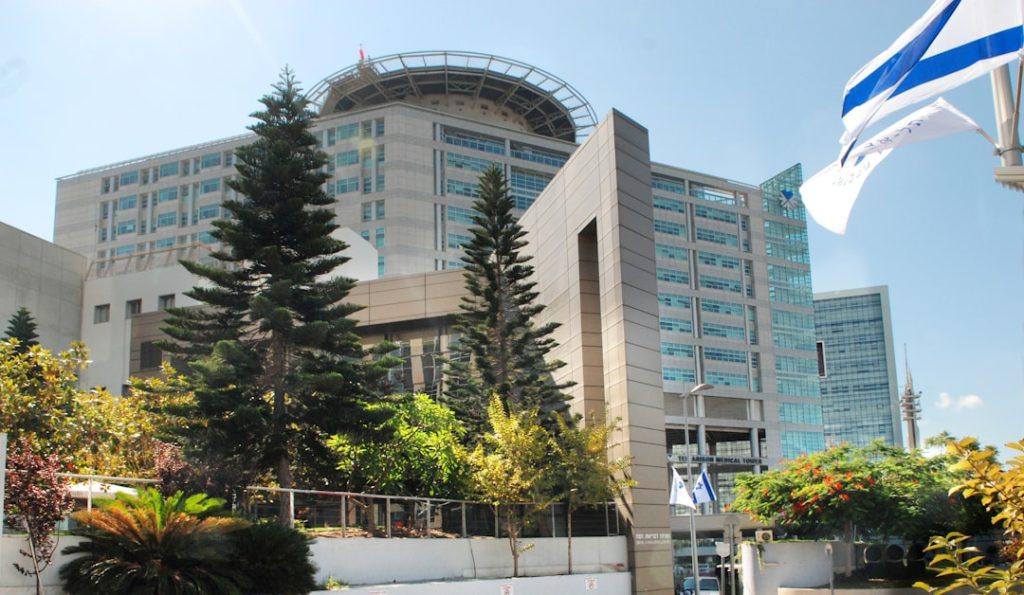
This article examines ongoing research initiatives at Medical Center KC, focusing on their contributions to medical science and patient care. The institution, a regional tertiary care center, maintains a robust research program encompassing various disciplines. This overview aims to provide insight into selected projects and their potential implications.
Translational research at Medical Center KC bridges the gap between fundamental scientific discoveries and their clinical application. This process, often described as moving from “bench to bedside,” involves a multidisciplinary approach, integrating basic scientists, clinicians, and patient populations.
Oncology Research and Targeted Therapies

Oncology research at the center focuses on understanding cancer at a molecular level to develop more effective and less toxic treatments. Recent efforts have concentrated on targeted therapies, which aim to intervene with specific molecules involved in tumor growth and progression.
- HER2-positive Breast Cancer: Researchers are investigating novel immunotherapeutic approaches in conjunction with existing HER2-targeted agents. Preclinical studies are exploring the efficacy of checkpoint inhibitors in combination with trastuzumab and pertuzumab, with the goal of overcoming resistance mechanisms. Clinical trials are underway to assess these combinations in patients with advanced HER2-positive breast cancer who have progressed on standard therapies. The aim is to enhance the immune system’s ability to recognize and destroy cancer cells, offering new avenues for patients with limited treatment options.
- Colorectal Cancer Genomics: A multi-institutional collaboration is profiling the genomic landscape of colorectal cancer to identify actionable mutations and improve patient stratification. This project utilizes next-generation sequencing to identify somatic and germline alterations. The long-term goal is to develop personalized treatment algorithms based on an individual’s tumor genetic profile. This approach, akin to using a precise key to unlock a specific door, seeks to tailor therapies to the unique genetic fingerprint of each patient’s tumor, maximizing efficacy.
- Pediatric Neuro-oncology: Studies are addressing the unique challenges associated with pediatric brain tumors, including their molecular heterogeneity and the long-term sequelae of treatment. Research includes investigations into diffuse intrinsic pontine glioma (DIPG), a highly aggressive and often incurable brain tumor. Novel drug delivery methods, such as convection-enhanced delivery, are being explored to overcome the blood-brain barrier and deliver therapeutic agents directly to the tumor site. This work seeks to improve both survival rates and quality of life for young patients.
Cardiovascular Disease and Regenerative Medicine
Research in cardiovascular disease at Medical Center KC is exploring innovative strategies for prevention, diagnosis, and treatment. A significant focus is placed on regenerative medicine, aiming to repair or replace damaged cardiac tissue.
- Stem Cell Therapy for Myocardial Infarction: Clinical trials are evaluating the safety and efficacy of autologous mesenchymal stem cells (MSCs) in patients who have experienced a myocardial infarction (heart attack). These studies aim to assess the ability of MSCs to improve cardiac function, reduce infarct size, and promote neovascularization. The hypothesis is that these cells possess paracrine effects that contribute to tissue repair and angiogenesis. The careful monitoring of these trials is crucial to determine the true potential of this regenerative approach.
- Aortic Valve Stenosis Biomarkers: Researchers are identifying novel biomarkers for the early detection and risk stratification of aortic valve stenosis. This involves proteomic and metabolomic analyses of patient samples to identify molecular signatures predictive of disease progression. Early detection can allow for timelier intervention, potentially improving patient outcomes and reducing the need for more invasive procedures at later stages. This is an effort to catch the murmur before it becomes a roar.
- Hypertension and Endothelial Dysfunction: Investigations into the mechanisms underlying endothelial dysfunction in hypertension are ongoing. This research explores the role of oxidative stress, inflammation, and genetic predisposition in the development and progression of high blood pressure. Understanding these cellular and molecular pathways could lead to the development of new therapeutic targets for managing hypertension, a condition affecting a significant portion of the adult population.
Neurological Sciences Advancements

The Neurological Sciences department at Medical Center KC is engaged in research to unravel the complexities of the brain and nervous system, with a focus on neurodegenerative diseases, stroke, and epilepsy.
Alzheimer’s Disease and Neuroimaging
Research into Alzheimer’s disease emphasizes early diagnosis, understanding disease progression, and identifying potential therapeutic targets. Advanced neuroimaging techniques play a pivotal role in these investigations.
- Amyloid-Beta and Tau PET Imaging: Researchers are utilizing Positron Emission Tomography (PET) imaging to visualize amyloid-beta plaques and tau tangles, the pathological hallmarks of Alzheimer’s disease, in living patients. These imaging modalities are crucial for diagnosing the disease in its prodromal stages and for monitoring the effectiveness of experimental treatments. The ability to directly observe these markers in real-time opens new doors for early intervention studies.
- Cognitive Biomarkers and Longitudinal Studies: Longitudinal cohort studies are tracking individuals at high risk for Alzheimer’s disease to identify cognitive biomarkers that predict conversion to clinical dementia. These studies integrate neuropsychological assessments, cerebrospinal fluid analysis, and genetic profiling to build comprehensive predictive models. Understanding the trajectory of cognitive decline is critical for designing effective prevention strategies. This is like tracking the ripples in a pond to predict the larger disturbance.
- Genetic Risk Factors: Genomic studies are identifying novel genetic risk factors associated with Alzheimer’s disease susceptibility and progression. This includes whole-exome sequencing and genome-wide association studies (GWAS) to uncover rare and common genetic variants. The insights gained can inform the development of precision medicine approaches for individuals with specific genetic predispositions.
Stroke Rehabilitation and Neuroplasticity
Stroke research at Medical Center KC focuses on innovative rehabilitation strategies and understanding the mechanisms of neuroplasticity after brain injury. The aim is to improve functional recovery and quality of life for stroke survivors.
- Constraint-Induced Movement Therapy (CIMT): Clinical trials are evaluating the effectiveness of intensified CIMT protocols in patients with chronic upper limb paresis following a stroke. This therapy encourages the use of the affected limb by restraining the unaffected limb, promoting cortical reorganization. Research is attempting to optimize the intensity and duration of CIMT to maximize long-term functional gains.
- Transcranial Magnetic Stimulation (TMS): Repetitive TMS (rTMS) is being investigated as an adjunct to physical therapy to enhance motor recovery in stroke patients. This non-invasive brain stimulation technique aims to modulate cortical excitability and promote neuroplasticity. Studies are exploring optimal stimulation parameters and patient selection criteria for maximum benefit.
- Neurovascular Coupling and Recovery: Researchers are examining the relationship between neurovascular coupling (the link between neuronal activity and blood flow) and functional recovery post-stroke. Functional Magnetic Resonance Imaging (fMRI) is used to assess changes in brain activation patterns during motor tasks. Understanding these dynamics can guide tailored rehabilitation strategies.
Infectious Diseases and Immunology
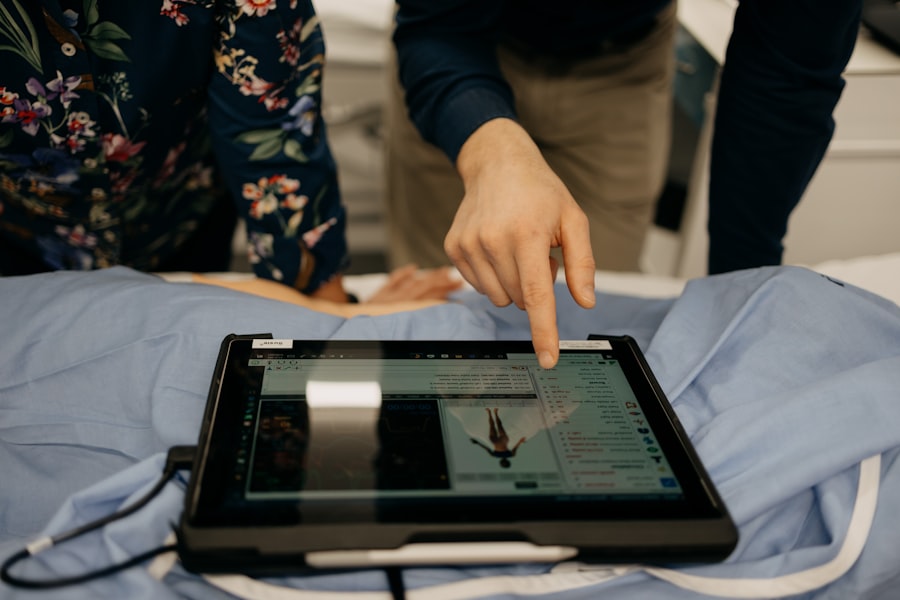
The Infectious Diseases department is actively engaged in research pertaining to viral, bacterial, and fungal infections, with a strong emphasis on antimicrobial resistance and immunology.
Antimicrobial Resistance Mechanisms
Research into antimicrobial resistance (AMR) at Medical Center KC is critical given the increasing global threat of drug-resistant pathogens. The focus is on understanding resistance mechanisms and developing new therapeutic strategies.
- Carbapenem-Resistant Enterobacteriaceae (CRE): Studies are characterizing the molecular epidemiology and resistance mechanisms of CRE isolates circulating within the hospital and community. This includes whole-genome sequencing to track the spread of specific resistance genes and identify potential transmission routes. Understanding these pathways is crucial for implementing effective infection control measures.
- Novel Antimicrobial Discovery: Collaborative efforts are underway to screen natural product libraries and synthetic compounds for novel antimicrobial activity against multidrug-resistant bacteria. This involves high-throughput screening assays and animal models to evaluate efficacy and toxicity. The search for new antibiotics is a race against evolving pathogens, a constant arms race.
- Biofilm Formation and Resistance: Research is investigating the role of bacterial biofilms in contributing to antimicrobial resistance in chronic infections. Studies are exploring strategies to disrupt biofilm formation or enhance antimicrobial penetration into these protective structures. Biofilms act as a shield, rendering many conventional antibiotics ineffective.
Vaccine Development and Immune Responses
Vaccine development and the study of immune responses to pathogens are central to the department’s research portfolio, aiming to prevent infectious diseases.
- Influenza Vaccine Efficacy: Annual studies assess the real-world effectiveness of seasonal influenza vaccines in both adult and pediatric populations. This includes evaluating vaccine match to circulating strains and identifying factors influencing vaccine effectiveness, such as host immunity and underlying medical conditions.
- Immunomodulation in Sepsis: Research is exploring the complex interplay of immune responses in sepsis, a life-threatening condition caused by the body’s overwhelming response to infection. Studies are identifying biomarkers that predict severe sepsis outcomes and investigating immunomodulatory therapies to restore immune homeostasis. This is an attempt to calm the storm within the body.
- HIV Latency and Eradication Strategies: Researchers are investigating molecular mechanisms underlying HIV latency, the state where the virus integrates into host cell DNA but remains dormant. The long-term goal is to develop strategies to “kick and kill” the latent reservoir, a critical step towards a functional cure for HIV.
Health Outcomes and Public Health
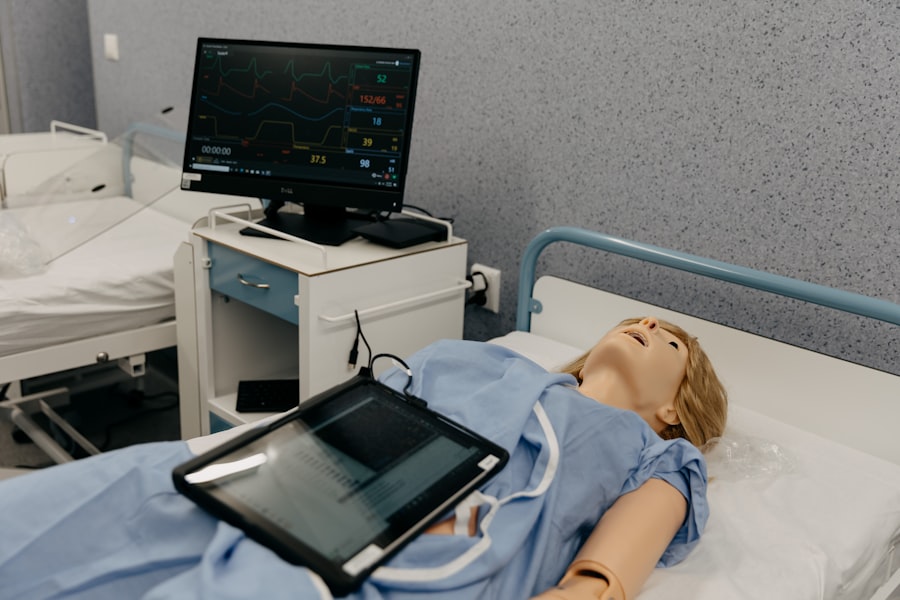
The Health Outcomes and Public Health research division focuses on improving patient care delivery, population health, and health equity.
Healthcare Delivery System Improvement
Research in this area aims to optimize healthcare processes, enhance patient safety, and reduce healthcare disparities.
- Reducing Readmission Rates: Initiatives are evaluating the effectiveness of various interventions, such as enhanced care coordination, post-discharge follow-up, and patient education programs, in reducing hospital readmission rates for chronic conditions like heart failure and COPD. This effort seeks to close the revolving door of frequent hospitalizations.
- Electronic Health Record (EHR) Optimization: Studies are examining the impact of EHR implementation on clinical workflows, physician burnout, and patient outcomes. The goal is to identify best practices for EHR utilization to improve efficiency and reduce medical errors. Effective EHR use is crucial for maintaining data integrity and clinician well-being.
- Patient Engagement Strategies: Research is exploring the impact of shared decision-making models and patient portals on patient engagement and adherence to treatment plans. Empowering patients with information and involving them in their care decisions can lead to better health outcomes.
Population Health and Health Disparities
This research area addresses broader public health challenges and inequities within the healthcare system.
- Social Determinants of Health: Studies are investigating the impact of social determinants of health, such as socioeconomic status, education, and access to healthy food, on chronic disease prevalence and outcomes in the local community. Understanding these upstream factors is essential for developing targeted public health interventions. This is an effort to mend the fabric of community health.
- Community-Based Interventions: Researchers are designing and evaluating community-based interventions to address health disparities in chronic disease management and preventive care. This includes partnerships with local organizations to implement health education programs and improve access to resources.
- Epidemiology of Chronic Disease: Longitudinal epidemiological studies are tracking the incidence and prevalence of chronic diseases within the Medical Center KC service area, identifying risk factors and trends. This surveillance data informs public health policy and resource allocation.
Biomedical Engineering and Medical Devices
| Metric | Value | Details |
|---|---|---|
| Location | Kansas City, MO | Main campus of Research Medical Center |
| Number of Beds | 590+ | Includes acute care and specialty beds |
| Annual Patient Visits | Over 100,000 | Includes inpatient and outpatient visits |
| Specialties | Cardiology, Oncology, Neurology, Orthopedics | Key clinical focus areas |
| Research Funding | Millions annually | Grants and institutional support for medical research |
| Affiliated Institutions | HCA Healthcare, University of Missouri-Kansas City | Partnerships for clinical and research programs |
| Number of Clinical Trials | 50+ | Active research studies in various medical fields |
| Accreditations | Joint Commission, CARF | Quality and safety certifications |
The intersection of engineering principles and medical science is explored within this research domain, leading to the development of novel medical technologies and devices.
Advanced Medical Imaging Techniques
Research focuses on optimizing existing imaging modalities and developing new technologies for more precise diagnosis and monitoring.
- Hybrid PET/MRI Scanners: Investigations are exploring the clinical utility of integrated PET/MRI systems for oncological imaging and neurological disorders. This technology combines the high spatial resolution of MRI with the molecular sensitivity of PET, offering a more comprehensive diagnostic picture. This is like combining two powerful lenses to see more clearly.
- Quantitative Imaging Biomarkers: Researchers are developing and validating quantitative imaging biomarkers for predicting disease progression and treatment response across various conditions, including liver fibrosis and prostate cancer. These biomarkers provide objective, measurable data to guide clinical decision-making.
- Artificial Intelligence in Radiology: The application of artificial intelligence (AI) and machine learning algorithms is being investigated to enhance image interpretation, detect subtle pathologies, and reduce diagnostic errors in radiology. AI has the potential to streamline workflows and improve diagnostic accuracy.
Novel Diagnostic and Therapeutic Devices
This area focuses on the design, development, and testing of innovative medical devices that address unmet clinical needs.
- Point-of-Care Diagnostics: Development efforts are underway for portable and rapid diagnostic devices for infectious diseases and chronic conditions, particularly for use in resource-limited settings. These devices aim to provide quick and accurate results at the patient’s bedside, improving access to timely diagnosis.
- Wearable Sensors for Remote Monitoring: Research is exploring the use of wearable sensors for continuous physiological monitoring of patients with chronic diseases or those recovering from surgery. This technology allows for remote data collection, enabling early detection of complications and personalized care. This is an effort to extend the clinician’s eyes and ears beyond the hospital walls.
- Biocompatible Implants and Prosthetics: Studies are focused on developing advanced biocompatible materials for medical implants and prosthetics to improve integration with human tissue, reduce rejection rates, and enhance long-term functionality. This research aims to create components that function seamlessly with the body.
This overview illustrates the breadth of research activities at Medical Center KC. The institution’s commitment to scientific inquiry is directed towards advancing medical knowledge and ultimately enhancing patient care.
