
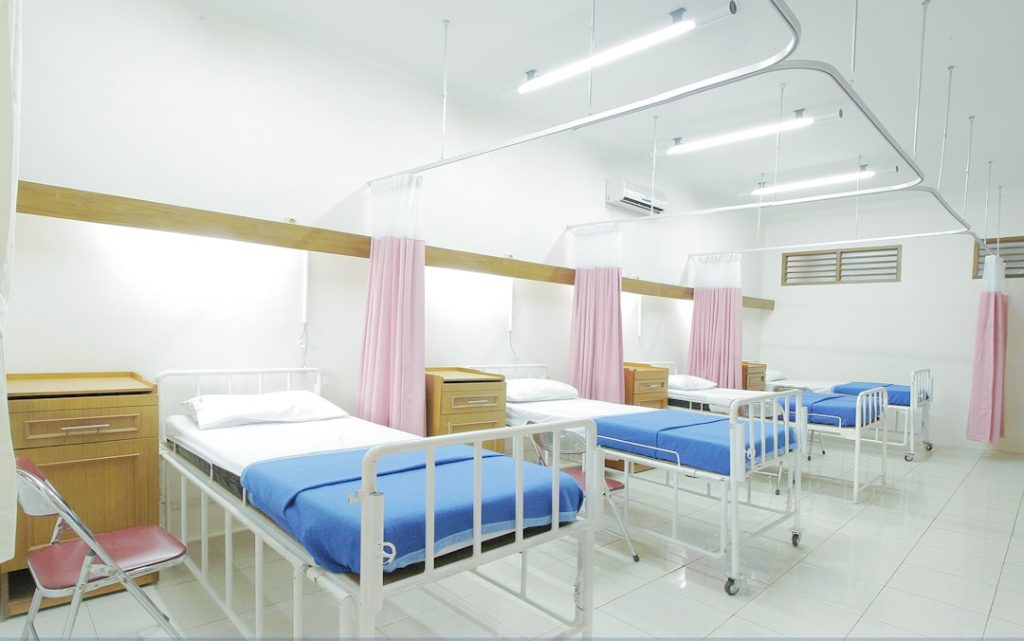
The following article outlines recent research endeavors underway at Medical Center KC MO. This institution is engaged in various projects across multiple disciplines, with a focus on translational medicine. The information presented aims to provide an overview of these activities, highlighting key areas of investigation and methodologies employed.
Research within the oncology department at Medical Center KC MO is actively exploring improved diagnostic techniques and novel therapeutic strategies for a range of cancers. The program is structured to bridge the gap between basic scientific discovery and clinical application, moving findings from the laboratory bench to the patient bedside.
Precision Medicine Approaches in Solid Tumors

One significant area of focus is the application of precision medicine principles to the treatment of solid tumors. This involves tailoring treatment plans based on a patient’s individual genetic makeup and the molecular characteristics of their tumor. It’s an approach that moves beyond a one-size-fits-all model, recognizing the unique biological signature of each cancer.
Genomic Profiling and Biomarker Discovery
The institution utilizes next-generation sequencing technologies to perform comprehensive genomic profiling of tumor samples. This process identifies specific genetic mutations, amplifications, and deletions that drive tumor growth and progression. Researchers are actively working to catalog these genomic alterations and correlate them with disease prognosis and response to targeted therapies. For instance, in colorectal cancer, particular mutations in the KRAS gene may indicate a lack of response to certain EGFR inhibitors, guiding clinicians toward alternative treatment paths. The discovery of novel biomarkers, molecules indicative of disease presence or progression, is also a priority. These biomarkers can serve as early detection tools or as indicators of therapeutic efficacy.
Targeted Therapies and Immunotherapy Combinations

The data gleaned from genomic profiling informs the development and implementation of targeted therapies. These drugs are designed to specifically interfere with the molecular pathways involved in cancer cell growth and survival, sparing healthy cells to a greater extent than conventional chemotherapy. Current clinical trials at Medical Center KC MO are investigating the efficacy of various targeted agents, both as monotherapies and in combination with other treatment modalities. A particular emphasis is placed on immunotherapy, which harnesses the body’s own immune system to fight cancer. Researchers are exploring how different immunotherapeutic agents can be combined with targeted therapies or traditional chemotherapy to enhance anti-tumor responses and overcome resistance mechanisms. For example, studies are examining the synergistic effects of checkpoint inhibitors alongside inhibitors of specific oncogenic pathways in melanoma.
Pediatric Oncology: Reducing Treatment Toxicity
In pediatric oncology, a crucial area of investigation involves reducing the long-term toxicities associated with cancer treatment in children. Childhood cancer survivors often face a higher risk of secondary cancers, cardiovascular problems, and neurocognitive deficits due to the aggressive nature of their initial therapies.
Late Effects and Survivorship Studies
Longitudinal studies are underway to meticulously track the health outcomes of pediatric cancer survivors over extended periods. These studies aim to identify specific factors, such as radiation dosage or particular chemotherapeutic agents, that contribute to the development of late effects. By understanding these correlations, researchers hope to refine treatment protocols to minimize future health complications. The data gathered provides a roadmap for developing improved follow-up care guidelines and interventions designed to mitigate the impact of late effects. This includes monitoring for cardiac dysfunction following anthracycline exposure or neurocognitive impairments after cranial irradiation.
Novel Agent Development and Delivery Methods
The development of novel therapeutic agents specifically tailored for pediatric cancers is another critical component of this research. These agents often aim for a higher specificity for cancer cells, thereby reducing collateral damage to developing healthy tissues. Additionally, innovative drug delivery methods are being explored to maximize therapeutic concentrations at tumor sites while minimizing systemic exposure. This could involve nanoparticle-mediated drug delivery or localized administration techniques, effectively delivering a payload directly to its target. For instance, research explores encapsulated delivery systems for chemotherapy to bypass systemic distribution and target brain tumors in children.
Neuroscience Advances
The Neuroscience department at Medical Center KC MO is engaged in a broad spectrum of research activities, addressing both neurodegenerative diseases and neurological disorders. The overarching goal is to decipher the complex mechanisms underlying these conditions and translate that understanding into effective treatments.
Alzheimer’s Disease: Early Detection and Intervention
Alzheimer’s disease remains a significant public health challenge. Research efforts are concentrated on improving early detection methods and developing interventions that can slow or halt disease progression in its nascent stages, before significant neuronal damage occurs.
Biomarker Identification in Pre-symptomatic Stages
A key research objective is the identification of reliable biomarkers that can detect Alzheimer’s disease in its pre-symptomatic or mild cognitive impairment (MCI) stages. This involves analyzing various biological samples, including cerebrospinal fluid (CSF) and blood plasma, for specific protein aggregates like amyloid-beta and tau, as well as other potential indicators of neuronal damage or inflammation. Imaging techniques, such as PET scans, are also utilized to detect amyloid plaques and tau tangles in the living brain. The convergence of these various biomarkers could provide a more robust and earlier diagnostic signal, acting as an early warning system. Think of it as looking for ripples on the water’s surface that indicate a deeper current moving beneath.
Clinical Trials for Disease-Modifying Therapies
Medical Center KC MO is a participant in several multi-center clinical trials evaluating novel disease-modifying therapies for Alzheimer’s disease. These trials often target the underlying pathological processes of the disease, such as the accumulation of amyloid-beta plaques or tau tangles. The institution’s involvement allows patients access to experimental treatments that may slow the progression of cognitive decline. These trials typically involve rigorous monitoring of cognitive function, biomarker levels, and safety profiles to assess therapeutic efficacy. The goal is to move beyond symptomatic treatment and address the root causes of the disease.
Stroke Recovery and Rehabilitation
Research in stroke focuses on enhancing recovery outcomes and developing innovative rehabilitation strategies to mitigate long-term disability. This involves understanding the brain’s plasticity and optimizing methods to harness its potential for self-repair.
Neuroplasticity and Motor Skill Reacquisition
Investigators are exploring the mechanisms of neuroplasticity following stroke, the brain’s ability to reorganize itself and form new neural connections. Understanding these mechanisms is crucial for developing targeted rehabilitation protocols. Studies utilize advanced imaging techniques, such as functional MRI, to observe changes in brain activity during motor recovery. The research aims to identify optimal timing and intensity of rehabilitation interventions to maximize functional restoration, helping patients regain lost motor skills. This is akin to a damaged road rerouting traffic through alternative paths, eventually rebuilding the main thoroughfare.
Robotic-Assisted Therapy and Brain-Computer Interfaces
The integration of advanced technologies, such as robotic-assisted therapy and brain-computer interfaces (BCIs), is a growing area of research. Robotic devices can provide repetitive, high-intensity training, which is known to be beneficial for motor recovery, while BCIs allow individuals to control external devices or stimulate their own brains directly using their thoughts. Clinical trials are investigating the efficacy of these technologies in improving upper limb function and gait in stroke survivors. These tools offer new avenues for personalized and intensive rehabilitation, potentially accelerating and improving recovery outcomes. Imagine a patient, through their thoughts, guiding a robotic arm to perform a movement, effectively bypassing a damaged neural pathway.
Cardiovascular Research
The cardiovascular research division at Medical Center KC MO is committed to understanding the pathogenesis of heart disease and developing innovative preventative and therapeutic strategies. This includes a strong focus on both common conditions and rarer cardiac anomalies.
Heart Failure: Novel Therapies and Biomarkers
Research in heart failure aims to identify new therapeutic targets and improve risk stratification through the discovery of novel biomarkers. Heart failure remains a leading cause of morbidity and mortality globally.
Myocardial Remodeling and Fibrosis Pathways
Investigators are delving into the molecular and cellular mechanisms underlying myocardial remodeling, the structural and functional changes that occur in the heart in response to injury or stress, often leading to heart failure. A particular focus is on understanding the signaling pathways that drive cardiac fibrosis, the excessive accumulation of scar tissue in the heart muscle, which impairs its ability to pump blood effectively. Identifying these pathways could lead to the development of anti-fibrotic therapies to preserve cardiac function. Consider this like understanding the blueprints of a failing building to identify the exact beams that need reinforcing.
Advanced Imaging for Early Detection
The integration of advanced cardiac imaging modalities, such as cardiac MRI with contrast enhancement and positron emission tomography (PET), is crucial for early detection of myocardial damage and for tracking disease progression. These techniques provide detailed information about heart structure, function, and tissue viability, allowing for earlier intervention and more precise guiding of treatment strategies. The aim is to detect subtle changes before overt symptoms manifest, providing a window for preventative action.
Arrhythmia Management and Electrophysiology
Research in electrophysiology at Medical Center KC MO addresses the complexities of cardiac arrhythmias, irregular heartbeats that can range from benign to life-threatening. The goal is to improve diagnostic accuracy and develop more effective interventional strategies.
Atrial Fibrillation: Mechanisms and Ablation Techniques
A significant area of investigation involves atrial fibrillation (AF), the most common sustained cardiac arrhythmia. Researchers are working to decipher the intricate electrophysiological mechanisms that initiate and perpetuate AF. This understanding informs the development of improved catheter ablation techniques, minimally invasive procedures used to create scar tissue that blocks abnormal electrical signals in the heart. Clinical trials are evaluating novel ablation strategies and technologies to enhance procedural success rates and reduce recurrence of AF.
Genetic Predispositions to Inherited Arrhythmias
Identification of genetic predispositions to inherited arrhythmias, such as Long QT Syndrome or Brugada Syndrome, is another focus. Genetic testing and family screening are employed to identify individuals at risk. Research aims to elucidate the specific genetic mutations responsible for these conditions and to understand how these mutations translate into channelopathies, defects in ion channels that regulate heart rhythm. This knowledge guides personalized risk assessment and prophylactic interventions, potentially preventing sudden cardiac death in affected individuals.
Infectious Disease Research

The Infectious Disease department at Medical Center KC MO conducts research into emerging infectious agents, antibiotic resistance, and vaccine development. The ongoing threat of infectious diseases necessitates continuous innovation in this field.
Antimicrobial Resistance: New Strategies
The global rise of antimicrobial resistance poses a significant threat to public health. Research efforts are dedicated to finding novel strategies to combat drug-resistant pathogens.
Novel Antibiotic Discovery and Development
Scientists are actively screening for and developing novel antibiotic compounds that target resistant bacteria. This involves both natural product discovery and synthetic chemistry approaches. The research aims to identify new classes of drugs with different mechanisms of action, thereby circumventing existing resistance mechanisms. There is a continuous arms race between pathogens and therapeutics, and this research aims to tip the scales in our favor.
Phage Therapy and Alternatives to Traditional Antibiotics
Beyond traditional antibiotics, research is exploring alternative therapeutic approaches, such as phage therapy. Bacteriophages, viruses that specifically infect and kill bacteria, offer a potential solution to antibiotic resistance. Medical Center KC MO is investigating the efficacy and safety of phage therapy in treating multi-drug resistant bacterial infections in clinical settings. This could open a new frontier in the fight against resistant pathogens, a different arrow in the quiver.
Vaccine Development and Immune Responses
Research into vaccine development and understanding immune responses to pathogens is critical for preventing infectious diseases.
Next-Generation Vaccine Platforms
Investigation into next-generation vaccine platforms, including mRNA-based vaccines and viral vector vaccines, is underway. These platforms offer advantages in terms of speed of development, scalability, and ability to induce robust immune responses. The focus is on developing more effective vaccines against a wider range of pathogens, including those for which current vaccines are suboptimal or unavailable.
Host-Pathogen Interactions and Immune Evasion
Understanding the complex interactions between pathogens and the host immune system is crucial for developing effective vaccines and therapies. Researchers are studying how pathogens evade immune detection and mount successful infections. This includes examining mechanisms of immune suppression and identifying specific pathogen components that trigger protective immune responses. By understanding the enemy’s playbook, we can develop better defenses.
Regenerative Medicine
| Metric | Details |
|---|---|
| Name | Research Medical Center |
| Location | Kansas City, Missouri |
| Type | Acute Care Hospital |
| Number of Beds | 590+ |
| Specialties | Cardiology, Oncology, Neurology, Orthopedics, Emergency Medicine |
| Affiliation | HCA Midwest Health |
| Emergency Services | Level II Trauma Center |
| Annual Patient Visits | Over 100,000 |
| Research Focus | Clinical Trials, Cardiovascular Research, Cancer Treatment Innovations |
| Website | hcamidwest.com |
The Regenerative Medicine program at Medical Center KC MO focuses on harnessing the body’s natural healing capabilities to repair damaged tissues and organs. This relatively new field holds significant promise for treating a wide array of chronic diseases and injuries.
Stem Cell Therapies: Organ Repair and Regeneration
Research into stem cell therapies is a cornerstone of regenerative medicine, with applications spanning from cardiac repair to neurological conditions. These versatile cells have the potential to differentiate into various cell types, facilitating tissue regeneration.
Induced Pluripotent Stem Cells (iPSCs) for Disease Modeling
Investigators are utilizing induced pluripotent stem cells (iPSCs), reprogrammed adult cells that resemble embryonic stem cells, to create “disease in a dish” models. These models allow researchers to study disease progression in a controlled environment and test potential therapeutic compounds without involving human subjects in early stages. This provides a powerful platform for understanding disease mechanisms at a cellular level and for drug discovery. It’s like creating a miniature, living replica to study its vulnerabilities.
Clinical Trials in Cardiac and Neurological Repair
Medical Center KC MO is involved in clinical trials exploring the use of stem cells for repairing damaged heart tissue after myocardial infarction and for treating neurological conditions such as spinal cord injury and Parkinson’s disease. These trials assess the safety and efficacy of various stem cell populations, including mesenchymal stem cells and cardiac progenitor cells, delivered through different routes. The aim is to promote tissue repair, modulate inflammation, and improve functional outcomes in patients with previously intractable conditions.
Tissue Engineering and Biomaterials
Tissue engineering combines principles of cell biology, materials science, and engineering to create functional tissues and organs.
Bioprinting for Organ Fabrication
Research is being conducted in the area of bioprinting, a technology that uses biological materials, living cells, and growth factors to create patient-specific tissues and organs layer by layer. This technology holds potential for creating transplantable organs, reducing reliance on donor organs and addressing issues of immune rejection. Though still in its early stages, bioprinting represents a frontier in regenerative medicine, allowing us to build biological structures with remarkable precision.
Smart Biomaterials for Drug Delivery and Scaffolding
The development of “smart” biomaterials is another active area of investigation. These materials are designed to respond to physiological cues, such as changes in pH or temperature, to precisely deliver therapeutic agents or to provide scaffolds that support cell growth and tissue regeneration. For example, biodegradable scaffolds can be engineered to release growth factors that promote wound healing over time, effectively guiding the body’s own repair processes. These materials act as intelligent architects, directing the construction of new tissue.
