
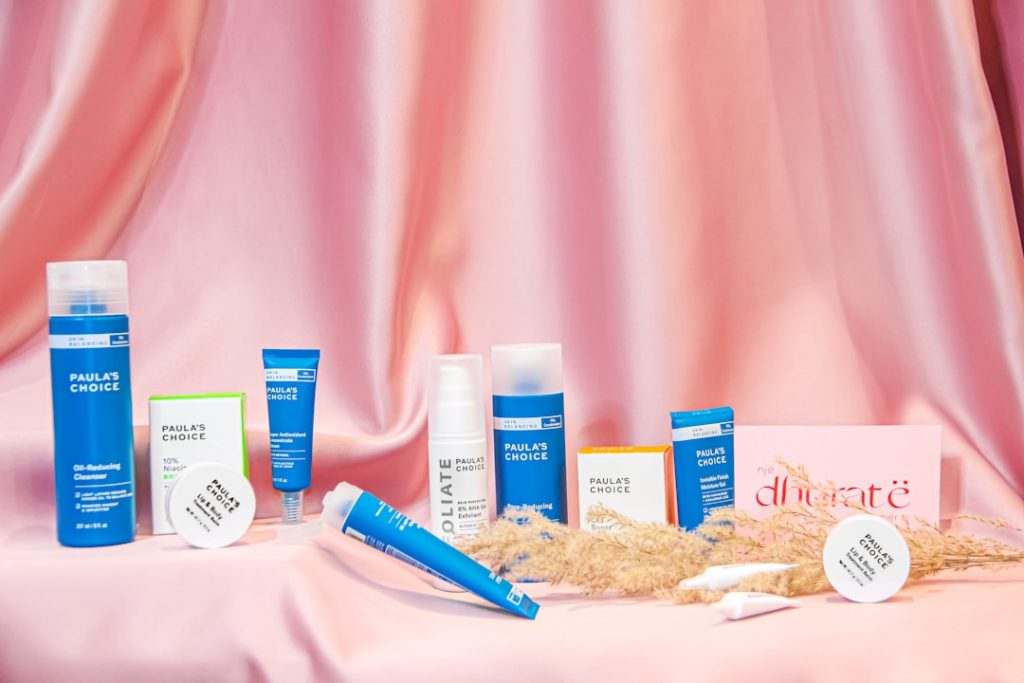
Cosmetic clinical trials are structured research studies designed to evaluate the safety and efficacy of new cosmetic products, procedures, or treatments. These trials are essential for advancing the field of cosmetic science, as they provide critical data that can lead to the development of innovative products that enhance beauty and improve skin health. The trials typically involve a series of phases, each with specific objectives and methodologies.
Phase I trials often focus on safety, assessing how a product interacts with the human body, while later phases may evaluate effectiveness and long-term outcomes. The process of conducting cosmetic clinical trials is rigorous and highly regulated. Researchers must adhere to strict guidelines set forth by regulatory bodies such as the Food and Drug Administration (FDA) in the United States.

These guidelines ensure that trials are conducted ethically and that participants are fully informed about the nature of the study, including any potential risks involved. Participants in these trials may be asked to use a new skincare product, undergo a cosmetic procedure, or participate in behavioral studies related to cosmetic use. The data collected from these trials not only helps in determining the viability of new products but also contributes to the overall understanding of cosmetic science.
Key Takeaways
- Cosmetic clinical trials test new beauty products and treatments for safety and effectiveness.
- Participants can access cutting-edge treatments and often receive compensation.
- Eligibility criteria vary; finding local trials involves research and contacting clinics.
- Trials follow strict safety regulations but may involve potential risks and side effects.
- Signing up requires understanding the process, consent, and commitment to study protocols.
Benefits of Participating in Cosmetic Clinical Trials

Participating in cosmetic clinical trials can offer numerous benefits to individuals who choose to engage in this type of research. One of the most significant advantages is access to cutting-edge treatments and products before they become available to the general public. Participants often have the opportunity to try innovative skincare formulations or procedures that may not yet be on the market, allowing them to experience the latest advancements in cosmetic science firsthand.
In addition to access to new products, participants may also receive compensation for their involvement in clinical trials. This compensation can vary depending on the study’s duration and complexity but often includes financial remuneration or free products and services. Furthermore, being part of a clinical trial can provide individuals with a sense of contribution to scientific knowledge and advancement.
By participating, they play a crucial role in helping researchers understand how new treatments work and their potential benefits for broader populations.
Finding Cosmetic Clinical Trials Near Me
Locating cosmetic clinical trials in your area can be a straightforward process if you know where to look. One of the most effective ways to find ongoing studies is through online databases and registries dedicated to clinical research. Websites such as ClinicalTrials.gov provide comprehensive listings of clinical trials across various fields, including cosmetics.
By entering your location and specific interests, you can filter results to find relevant studies near you. In addition to online resources, local dermatology clinics, cosmetic surgery centers, and research institutions often conduct their own clinical trials. Many of these facilities maintain websites or social media pages where they announce upcoming studies and recruitment opportunities.
Networking within local beauty communities or forums can also yield valuable information about ongoing trials. Engaging with professionals in the field, such as dermatologists or cosmetic surgeons, can provide insights into available studies and help you navigate the application process.
Eligibility for Cosmetic Clinical Trials
Eligibility criteria for cosmetic clinical trials can vary significantly depending on the specific study’s goals and design. Generally, researchers establish these criteria to ensure that participants are suitable for the trial and that the results will be valid and applicable to the target population. Common eligibility factors include age, gender, skin type, medical history, and current health status.
For instance, some studies may focus on anti-aging products and may only recruit participants over a certain age. In addition to demographic factors, researchers may also consider participants’ previous experiences with similar products or treatments. For example, individuals who have previously used certain types of skincare products may be excluded from a trial testing a competing formulation.
It is essential for potential participants to review the eligibility criteria carefully before applying for a trial. Many research facilities provide detailed information about their studies online, including specific requirements that must be met for participation.
What to Expect During a Cosmetic Clinical Trial
| Trial Name | Location | Phase | Condition | Enrollment Status | Estimated Completion |
|---|---|---|---|---|---|
| Anti-Aging Cream Efficacy Study | New York, NY | Phase 2 | Wrinkles and Fine Lines | Recruiting | December 2024 |
| Laser Skin Rejuvenation Trial | Los Angeles, CA | Phase 3 | Skin Texture Improvement | Active, not recruiting | March 2025 |
| Botulinum Toxin for Facial Wrinkles | Chicago, IL | Phase 1 | Facial Wrinkles | Recruiting | August 2024 |
| Hyaluronic Acid Filler Safety Study | Houston, TX | Phase 4 | Facial Volume Loss | Completed | January 2024 |
| Topical Vitamin C Serum Trial | Miami, FL | Phase 2 | Skin Brightening | Recruiting | November 2024 |
When participating in a cosmetic clinical trial, individuals can expect a structured process that includes several key components. Initially, participants will undergo a screening process where researchers assess their eligibility based on predefined criteria. This may involve interviews, questionnaires, and physical examinations to gather relevant health information.
Once accepted into the trial, participants will receive detailed instructions regarding their involvement, including how often they need to visit the research site and what procedures they will undergo. During the trial itself, participants may be required to use specific products or undergo treatments as directed by the researchers. This could involve applying topical formulations daily or attending regular appointments for procedures such as injections or laser treatments.
Throughout the study, participants will be monitored closely for any changes in their skin condition or overall health. Researchers will collect data at various intervals to evaluate the product’s effectiveness and safety, which may include photographs, surveys, or clinical assessments.
Safety and Regulations in Cosmetic Clinical Trials
Safety is paramount in cosmetic clinical trials, and regulatory bodies enforce strict guidelines to protect participants throughout the research process. Before any trial can commence, it must receive approval from an Institutional Review Board (IRB) or Ethics Committee that evaluates the study’s design and potential risks. This oversight ensures that participants are treated ethically and that their rights are safeguarded during the trial.
Additionally, researchers are required to provide comprehensive informed consent documents that outline all aspects of the study, including potential risks and benefits. Participants must understand what they are agreeing to before enrolling in a trial. Throughout the study, researchers must adhere to Good Clinical Practice (GCP) guidelines, which dictate how trials should be conducted to ensure participant safety and data integrity.
Regular monitoring and reporting of adverse events are also mandated, allowing for immediate action if any safety concerns arise during the trial.
Potential Risks and Side Effects of Cosmetic Clinical Trials
While cosmetic clinical trials offer many benefits, it is essential for potential participants to be aware of the risks involved. As with any medical intervention or product testing, there is always a possibility of experiencing side effects or adverse reactions. These can range from mild irritations such as redness or swelling at the application site to more severe reactions like allergic responses or infections following procedures.
Researchers typically conduct thorough pre-trial assessments to identify individuals who may be at higher risk for adverse effects based on their medical history or skin type. However, unforeseen reactions can still occur during a trial due to individual variability in skin responses or sensitivities. Participants should feel empowered to communicate openly with researchers about any side effects they experience during the study so that appropriate measures can be taken.
How to Sign Up for Cosmetic Clinical Trials
Signing up for a cosmetic clinical trial involves several steps that begin with identifying suitable studies based on your interests and eligibility. Once you find a trial that piques your interest, you will typically need to complete an application process that may include submitting personal information and answering questions about your medical history and current health status. After submitting your application, researchers will review your information to determine if you meet their eligibility criteria.
If selected for participation, you will be contacted for further screening and informed about what participation entails. It is crucial to ask questions during this process to ensure you fully understand what is expected of you as a participant and any potential risks involved. Once you agree to participate and sign the informed consent documents, you will officially become part of the study and begin your journey into the world of cosmetic clinical trials.
