

Paid clinical trials are research studies conducted to evaluate the safety and efficacy of new drugs, medical devices, or treatment protocols. These trials are essential for advancing medical knowledge and improving patient care. Participants in these studies often receive compensation for their time and involvement, which can vary significantly depending on the nature of the trial, the duration of participation, and the specific requirements of the study.
The compensation serves as an incentive for individuals to volunteer, helping researchers gather the necessary data to assess new treatments. Clinical trials are typically divided into phases, each with distinct objectives. Phase I trials focus on safety and dosage, involving a small number of healthy volunteers.

Phase II trials expand the participant pool to assess efficacy and side effects, while Phase III trials involve larger populations to confirm effectiveness and monitor adverse reactions in a more diverse group. Each phase is crucial for ensuring that any new treatment is both safe and effective before it can be approved for widespread use. Understanding this structure is vital for potential participants, as it provides insight into what their involvement may entail and the significance of their contribution to medical research.
Key Takeaways
- Paid clinical trials offer compensation for participating in medical research studies.
- Benefits include access to new treatments and contributing to medical advancements.
- Eligibility depends on specific health criteria and study requirements.
- Participants should be aware of potential risks and side effects involved.
- Various resources and platforms are available to help find and sign up for trials nearby.
Benefits of Participating in Paid Clinical Trials

Participating in paid clinical trials offers numerous benefits beyond financial compensation. One of the most significant advantages is access to cutting-edge treatments that may not yet be available to the general public. For individuals with chronic conditions or those who have exhausted conventional treatment options, clinical trials can provide an opportunity to receive innovative therapies that could potentially improve their health outcomes.
This access can be particularly valuable in fields such as oncology, where new drug developments are rapidly evolving. Moreover, participants in clinical trials often receive comprehensive medical care throughout the study. This includes regular health assessments, laboratory tests, and monitoring by healthcare professionals.
Such oversight can lead to early detection of health issues and provide participants with a better understanding of their medical conditions. Additionally, being part of a clinical trial can foster a sense of community among participants, as they share experiences and support one another through their journeys. This social aspect can enhance the overall experience and provide emotional benefits that extend beyond the trial itself.
Finding Paid Clinical Trials Near You
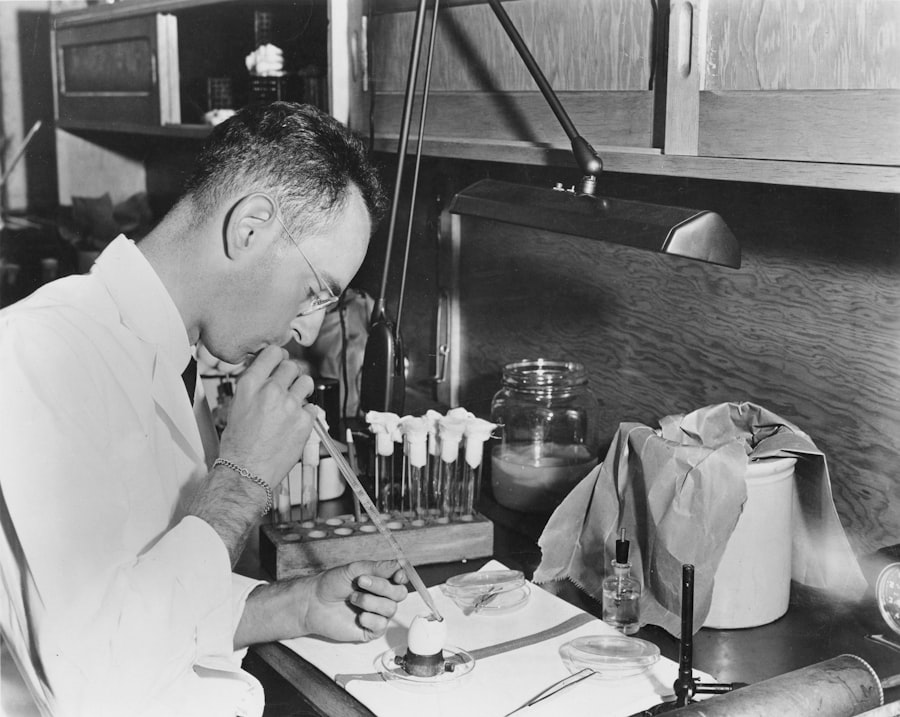
Locating paid clinical trials in your area can be accomplished through various resources. One of the most effective methods is to consult clinical trial registries, such as ClinicalTrials.gov, which is maintained by the U.S. National Library of Medicine. This comprehensive database allows users to search for trials based on location, medical condition, and other criteria. By entering specific keywords or filtering by geographic area, individuals can identify relevant studies that match their interests or health needs. In addition to online registries, local hospitals, universities, and research institutions often conduct clinical trials and may have dedicated departments for recruiting participants. Reaching out to these organizations can provide valuable information about ongoing studies in your vicinity. Furthermore, patient advocacy groups related to specific diseases or conditions frequently maintain lists of clinical trials and can offer guidance on how to participate. Networking within these communities can also lead to personal recommendations and insights from others who have participated in similar studies.
Eligibility Criteria for Paid Clinical Trials
Eligibility criteria for paid clinical trials are established to ensure that participants meet specific health and demographic requirements that align with the study’s objectives. These criteria can vary widely depending on the nature of the trial, but common factors include age, gender, medical history, and current health status. For instance, a trial investigating a new medication for diabetes may require participants to be diagnosed with the condition and fall within a certain age range.
In addition to these basic requirements, some trials may have more stringent criteria related to previous treatments or concurrent medical conditions. For example, individuals who have recently participated in another clinical trial or those taking certain medications may be excluded from participation to avoid confounding results. It is essential for potential participants to carefully review these eligibility requirements before applying, as meeting them is crucial for both the integrity of the study and the safety of the participants involved.
What to Expect During a Paid Clinical Trial
| Trial Name | Location | Compensation | Duration | Eligibility | Contact |
|---|---|---|---|---|---|
| Sleep Study on Healthy Adults | New York, NY | 1000 | 2 weeks | Age 18-45, Non-smoker | nyclinicaltrials@example.com |
| Metabolism and Nutrition Trial | Chicago, IL | 1500 | 1 month | Age 21-50, BMI 18-25 | chicagotrials@example.com |
| Vaccine Safety Study | Los Angeles, CA | 1200 | 3 weeks | Age 18-40, No chronic illness | latrials@example.com |
| Cardiovascular Health Research | Houston, TX | 1300 | 4 weeks | Age 25-55, Healthy heart | houstonclinical@example.com |
| Neurological Function Study | Miami, FL | 1100 | 2 weeks | Age 18-35, No neurological disorders | miamitrials@example.com |
When participating in a paid clinical trial, individuals can expect a structured process that includes several key components. Initially, participants will undergo a screening process that typically involves a thorough medical evaluation to determine eligibility. This may include physical examinations, laboratory tests, and discussions about medical history and current medications.
Once accepted into the trial, participants will receive detailed information about the study’s purpose, procedures, potential risks, and benefits. Throughout the trial, participants will be required to adhere to specific protocols, which may involve regular visits to the research site for assessments or treatments. Depending on the study design, participants might receive either the experimental treatment or a placebo, with neither the participant nor the researchers knowing which group they belong to (a double-blind study).
This ensures unbiased results but can also lead to uncertainty for participants regarding their treatment’s effectiveness. Regular follow-ups will typically include monitoring for side effects and overall health assessments, allowing researchers to gather data on the treatment’s impact.
Risks and Considerations of Participating in Paid Clinical Trials

While there are many benefits to participating in paid clinical trials, it is essential to consider the potential risks involved. One primary concern is the possibility of experiencing adverse effects from experimental treatments that have not yet been fully evaluated for safety. Participants may encounter side effects that range from mild discomfort to severe reactions that could impact their health significantly.
Researchers strive to minimize these risks through rigorous testing and monitoring; however, unforeseen complications can still arise. Another consideration is the time commitment required for participation. Clinical trials often involve multiple visits over an extended period, which can be challenging for individuals with busy schedules or those who live far from research sites.
Additionally, while compensation is provided for participation, it may not always cover all associated costs such as travel expenses or time lost from work. Potential participants should weigh these factors carefully against their personal circumstances and health needs before deciding to enroll in a trial.
How to Sign Up for Paid Clinical Trials
Signing up for paid clinical trials typically involves several straightforward steps. First, interested individuals should conduct thorough research to identify trials that align with their health conditions and interests. Once a suitable trial is found, potential participants will need to contact the research team or site conducting the study.
This initial communication often includes providing basic information about oneself and expressing interest in participation. After expressing interest, individuals will usually undergo a screening process where they will be asked detailed questions about their medical history and current health status. If they meet the eligibility criteria, they will be invited to participate formally in the trial.
This process may involve signing an informed consent form that outlines the study’s details, including potential risks and benefits. It is crucial for participants to read this document carefully and ask any questions they may have before proceeding.
Resources for Finding Paid Clinical Trials
Numerous resources are available for individuals seeking information about paid clinical trials. As previously mentioned, ClinicalTrials.gov is one of the most comprehensive databases for locating trials across various medical conditions and locations. This platform provides detailed information about each study, including its purpose, eligibility criteria, contact information for researchers, and updates on recruitment status.
In addition to online registries, local hospitals and academic institutions often have dedicated research departments that can assist individuals in finding relevant trials. Many organizations also host informational sessions or webinars about ongoing studies and how to participate. Furthermore, patient advocacy groups play a vital role in connecting individuals with clinical trials tailored to specific diseases or conditions.
These groups often provide resources such as newsletters or online forums where individuals can share experiences and seek advice from others who have navigated the clinical trial landscape. By leveraging these resources and understanding the intricacies of paid clinical trials, individuals can make informed decisions about their participation in research studies that could contribute significantly to medical advancements while potentially benefiting their own health outcomes.
